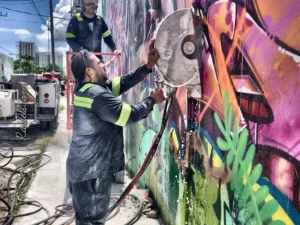
Concrete Cutting South Florida What Local Conditions Demand
Concrete cutting across South Florida is shaped by salt air, coral aggregate, a high water table, and some of the tightest job sites in the country. Here is what local crews do differently.
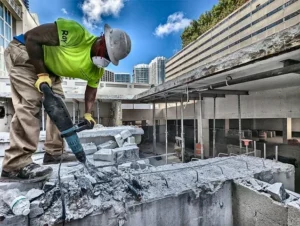
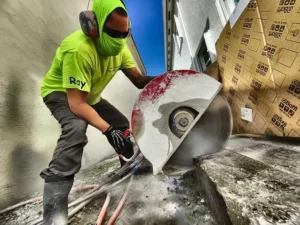
Concrete cutting across South Florida is shaped by salt air, coral aggregate, a high water table, and some of the tightest job sites in the country. Here is what local crews do differently.

Concrete in Miami is not the same material you pour in Atlanta or Dallas. Salt air, coral aggregate, and a water table that sits just below the surface change how it cures, how it cuts, and how long it lasts.

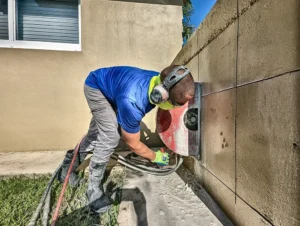
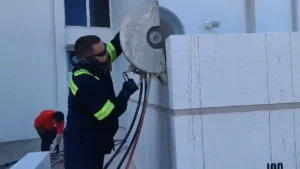
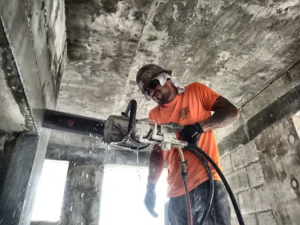
Concrete wall sawing companies are not general concrete contractors — they are specialists who use track-mounted hydraulic saws to cut straight, plumb openings through concrete walls for doors, windows, and mechanical penetrations. Here is what to look for in concrete wall sawing companies in Miami, how to evaluate their equipment and experience, and the questions that separate professional wall sawing contractors from everyone else who claims to cut concrete walls.

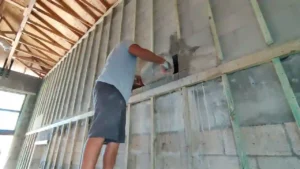
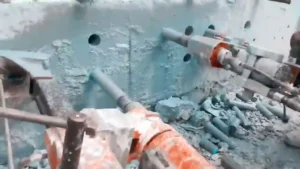
Concrete drill services in Miami are not about handheld hammer drills — professional concrete drilling uses diamond core bits mounted on rigid rigs to bore precise circular holes through slabs and walls. From half-inch anchor bolt holes to 12-inch plumbing riser penetrations, core drilling is the method for creating clean, accurately located holes through reinforced concrete. Here is how concrete drill services work in Miami and what to expect from a professional core drilling operation.

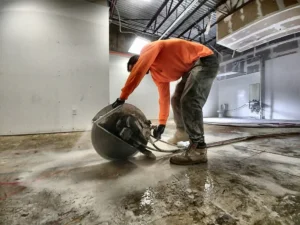
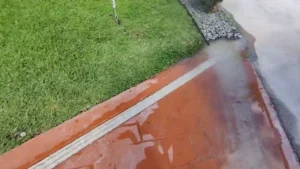
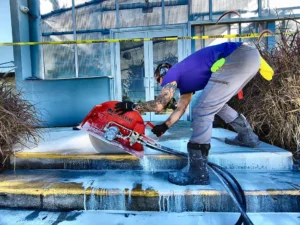
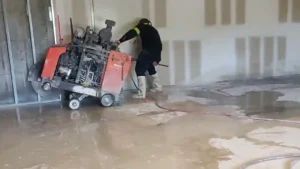
Concrete floor sawing is the most frequently performed concrete cutting service in Miami — cutting control joints in new slabs, trenching for plumbing and electrical, sectioning slabs for demolition, and creating expansion joints in pavement. Whether the floor is a residential patio or an industrial warehouse, floor sawing requires the right saw, the right blade, and the right technique for the specific concrete conditions. Here is everything Miami property owners and contractors need to know about concrete floor sawing.

Wire sawing concrete is the method used when concrete sections are too thick for any circular saw blade — bridge piers, thick foundation walls, concrete vaults, and massive structural elements. A diamond-impregnated wire cable is pulled through the concrete, cutting the full thickness in a single operation. Here is how wire sawing concrete works, when it is the only viable cutting method, and what to expect from a wire sawing project in Miami.

A concrete cutting machine is not one machine — it is a category of specialized equipment that includes flat saws, wall saws with track systems, wire saws, core drilling rigs, and handheld saws. Each type of concrete cutting machine is designed for specific cutting applications, concrete conditions, and job site constraints. Here is a complete guide to concrete cutting machines, what each one does, and how professionals in Miami select the right machine for each job.

Concrete cutting blade types are not interchangeable. A segmented blade that tears through reinforced concrete will chip the edge of an architectural wall that needs a clean finish. A continuous rim blade that produces beautiful cuts in soft aggregate will glaze over and stop cutting in hard aggregate. Here is the complete guide to concrete cutting blade types, how blade bond chemistry works, and which blade type matches which concrete cutting application in Miami.

Foundation thickness is one of the most important but least visible aspects of any concrete structure. In Miami, where sandy limestone soil and hurricane wind loads create unique foundation demands, understanding the minimum thickness requirements and the factors that increase them is essential for homeowners, builders, and anyone cutting or modifying an existing foundation.

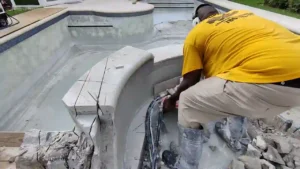
Concrete chainsaws are specialized cutting tools that use a diamond chain running on a guide bar — like a wood chainsaw but engineered for concrete. They excel at cutting irregular shapes, thick walls, and in confined spaces where circular saws are limited. Here is how concrete chainsaws work and when they are the right tool for Miami concrete cutting.

Top down demolition is the standard method for dismantling multi-story buildings in urban environments like Miami. By working from the top floor down, this method controls debris, minimizes ground-level impact, and protects adjacent structures. Here is how top down demolition works and when it is the right choice.

Concrete cutting safety is not optional — it is the foundation of professional concrete cutting. From silica dust control to blade guard requirements, from electrical safety to PPE, here are the safety protocols that protect workers and property during concrete cutting operations in Miami.

There are dozens of demolition companies in Miami — but not all of them are licensed for structural demolition, insured for your property, or experienced with Miami-Dade’s unique permit and regulatory requirements. Here is how to evaluate your options and avoid the most common mistakes property owners make when hiring a demolition contractor.

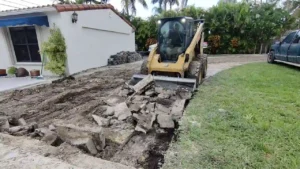
Concrete driveways in Miami face conditions that shorten their service life compared to driveways in other regions — sandy soil settlement, torrential rain, and intense UV exposure. Whether cutting an existing driveway for drainage, removing a failed driveway, or installing a new one, here is what Miami homeowners need to know.

Chipping concrete is not the same as breaking concrete. Chipping is a controlled, shallow removal technique used for surface preparation, exposing rebar, and removing damaged concrete. In Miami, where salt and humidity accelerate concrete deterioration, knowing when and how to chip concrete correctly determines whether a repair lasts or fails.

Concrete removal in North Bay Village means working on a barrier island with salt-exposed concrete, tight waterfront lots, and groundwater just a few feet below the surface. Here is what island property owners need to know about professional concrete cutting and removal in North Bay Village.

Concrete sawing contractors are a specialized trade within the broader construction industry. They do not pour concrete, they do not build formwork, and they do not do general remodeling. They cut hardened concrete using diamond saws and drilling equipment — and that focused specialization is exactly why they produce better results than general contractors who attempt sawing as a secondary service. Here is what professional concrete sawing contractors do, what equipment they should own, and how to find the right one in Miami.

Concrete wall cutting tools range from compact handheld saws for small openings to hydraulic track-mounted wall saws that cut straight, plumb door openings through 16-inch reinforced walls. The right tool depends on wall thickness, reinforcement, access, and whether the cut must meet architectural tolerances. Here is the complete guide to concrete wall cutting tools, what each one does, and how professionals in Miami select the right tool for every wall cutting project.

Concrete cutting tools are not interchangeable — the saw that cuts a control joint in a patio is not the tool that cuts a door opening through a reinforced structural wall. From diamond blades to hydraulic wall saws to core drilling rigs, here is a comprehensive guide to concrete cutting tools, what each one does, and how professionals in Miami select the right tool for each specific cutting task.

Concrete sawing and drilling are rarely performed separately on real Miami construction projects. Sawing creates linear cuts for openings, trenches, and slab removal. Core drilling creates precise circular holes for plumbing, electrical, HVAC, and anchor bolt penetrations. Most projects need both. Here is how concrete sawing and drilling work together and why hiring a single contractor who performs both services eliminates scheduling conflicts, finger-pointing, and coordination costs.