Core Drilling for Dryer Vents
Don’t let the appliance guy ruin your wall. You just bought a new dryer, but the delivery team refuses to install it because you have a concrete wall. This is a common frustration in Miami, where most homes are built with solid Concrete Block Structure (CBS). Appliance installers are not equipped to drill through reinforced masonry—but we are. Concrete Cutting Miami uses professional-grade Weka and Husqvarna diamond core drills to create the clean, precise 4-inch holes required for dryer vents, bridging the gap between "delivery" and "installation" fast.
Standard Vent Size
4 InchesDryers & Bath Fans
Range Hood Size
6 - 8 InchesKitchen Exhausts
Max Drill Depth
UnlimitedThick CBS or Poured
Equipment Used
Weka / HusqvarnaDiamond Core Drills
Sledgehammers Ruin WallsWhy You Need Core Drilling
Attempting to punch a hole through a block wall with a hammer and chisel (or a standard masonry bit) is a recipe for disaster. It results in ugly, jagged holes that are difficult to seal, severe stucco damage that cracks the exterior finish of your home, and oversized openings making it hard to mount the vent cap securely.
The "Appliance" GapWe Do What Installers Can't
Most "Appliance Repair" companies in South Florida do not carry heavy-duty concrete equipment. We stock universal 4-inch diamond bits on every truck. Whether your wall is 8-inch block or solid poured concrete, our equipment punches through cleanly without the dangerous hammering percussion that damages delicate tile work.
Beyond Laundry RoomsOther Residential Venting
Our service isn’t just for dryers. We assist homeowners and handymen with perfect circular openings for bathroom exhaust fans to vent moisture and prevent mold, kitchen range hoods (requiring 6-inch or 8-inch openings for high-powered exhaust systems), and fresh air intakes for HVAC systems or tankless water heaters.
The ProcessYou Mark, We Drill
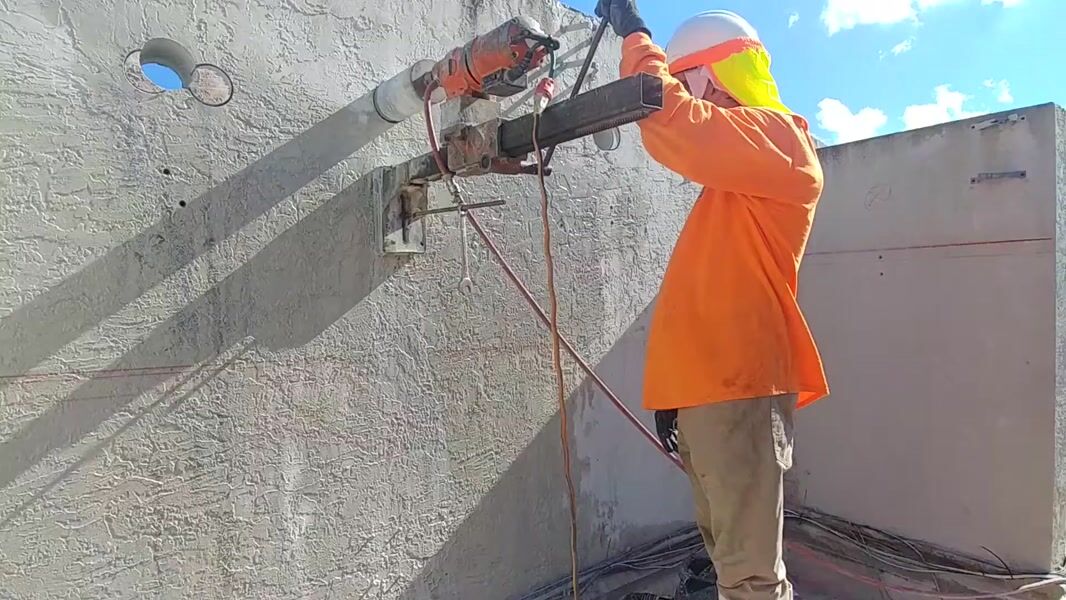
To keep our service fast and affordable, you determine the location. Simply check the back of your dryer, measure exactly where the vent needs to go, and mark the center point on the wall. We set up our rig, drill exactly on your mark, extract the solid concrete "cookie," and vacuum up the slurry so you're ready for venting.
Zero Structural Damage
Standard rotary hammers cause severe micro-fractures in stucco and brittle block. Our diamond core drilling techniques are strictly rotational and vibration-free, preserving the integrity of your interior and exterior wall finishes.
Perfect 4-Inch Tolerances
By cutting a mathematically perfect circle through concrete, stucco, and steel rebar, we leave a factory-smooth sleeve. Your standard 4-inch aluminum dryer vent pipe will slide right through and seal perfectly against the elements.
Dust & Slurry Control
Concrete drilling requires water, which makes a mess. We deploy specialized slurry containment rings connected directly to high-suction vacuums, capturing the debris at the source to ensure your laundry room stays spotlessly clean.
Frequently Asked Questions
Do you install the vent pipe and hood cap?
No. We are concrete specialists, not HVAC installers. Our job is to create the perfect hole. Once we leave, you (or your handyman/installer) can easily slide the vent pipe through and screw on the exterior cap. We make the hard part easy.
How messy is the drilling process?
Drilling concrete requires water to keep the diamond bit cool, which creates a “slurry.” However, we use specialized slurry containment rings and vacuums to capture the mess at the source. We strive to leave your laundry room as clean as we found it.
What if there is rebar in the wall?
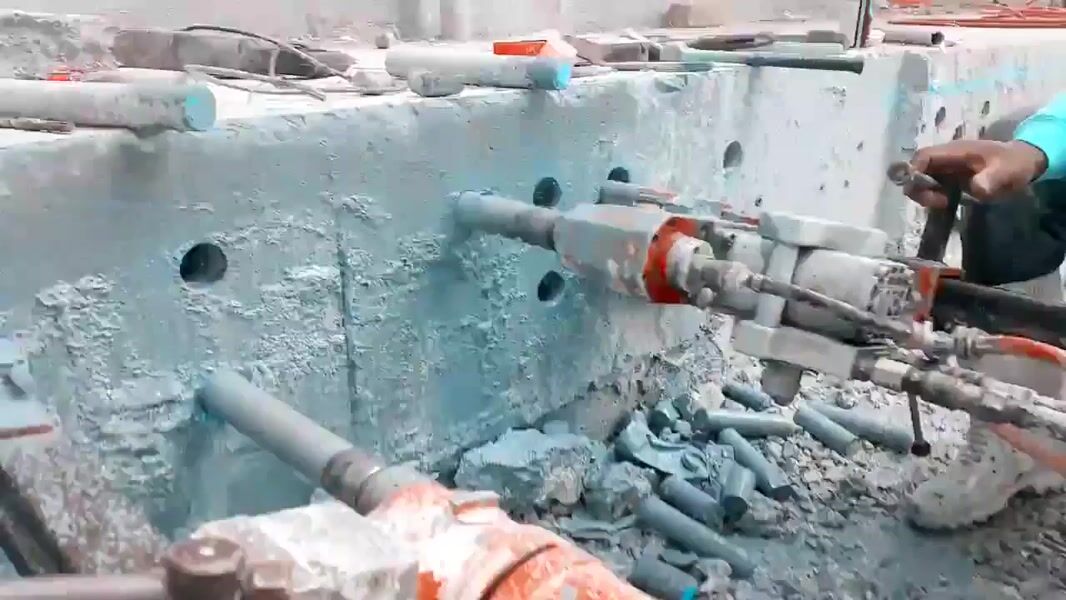
No problem. Our industrial core drilling bits are designed to cut through steel reinforcement bars embedded in the concrete without stopping or deviating.
How do I know where to mark the hole?
We recommend connecting the vent hose to your dryer and pushing it back to see where it naturally hits the wall, or measuring the center point from the floor. Remember: We drill exactly where you mark. We do not verify appliances or interior/exterior alignment.
Can you drill through the roof?
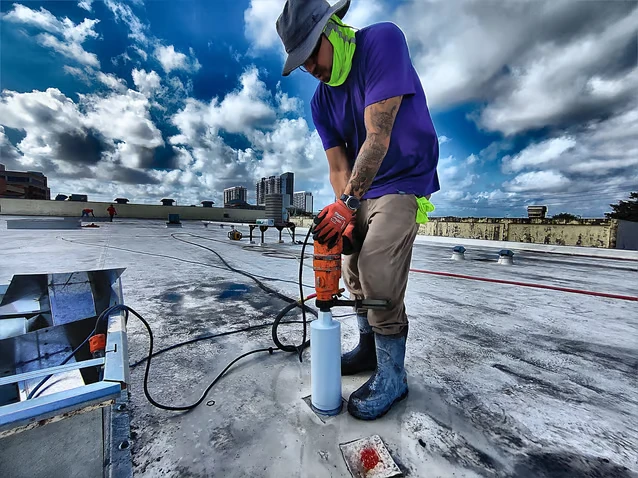
Yes, but roof penetrations require careful waterproofing afterwards. We typically recommend venting through a side wall if possible. If you need a roof penetration, we can perform the slab sawing or drilling, but you must have a roofer ready to flash and seal the opening immediately.
Recent Core Drilling Projects