GPR Concrete Scanning Miami
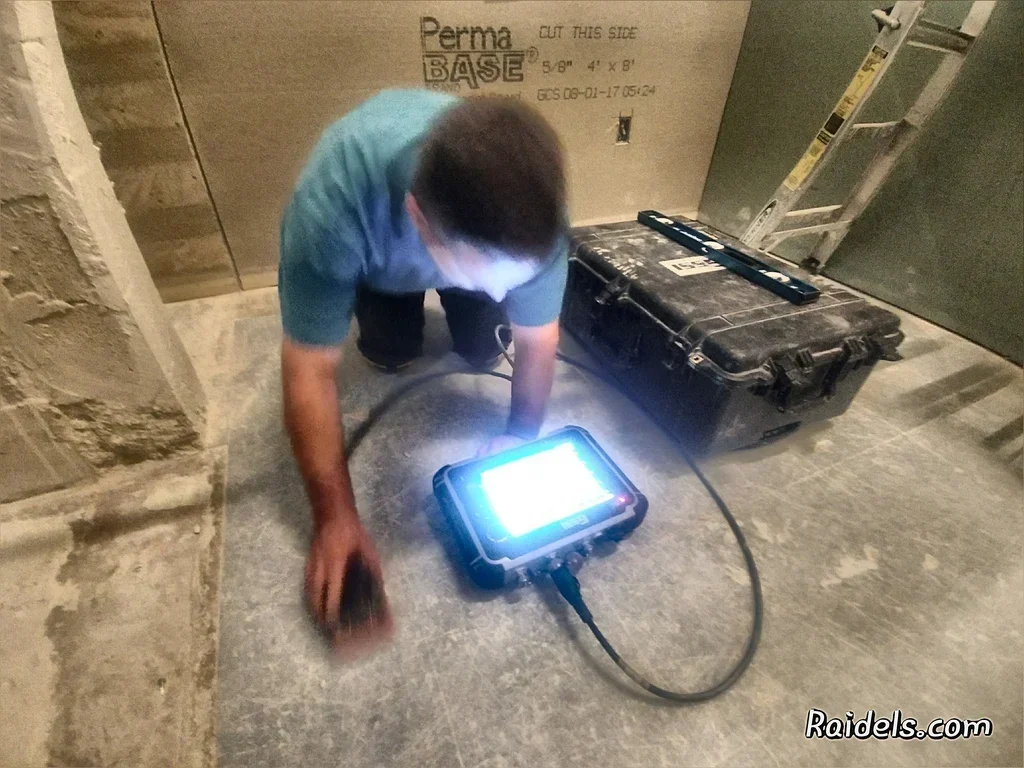
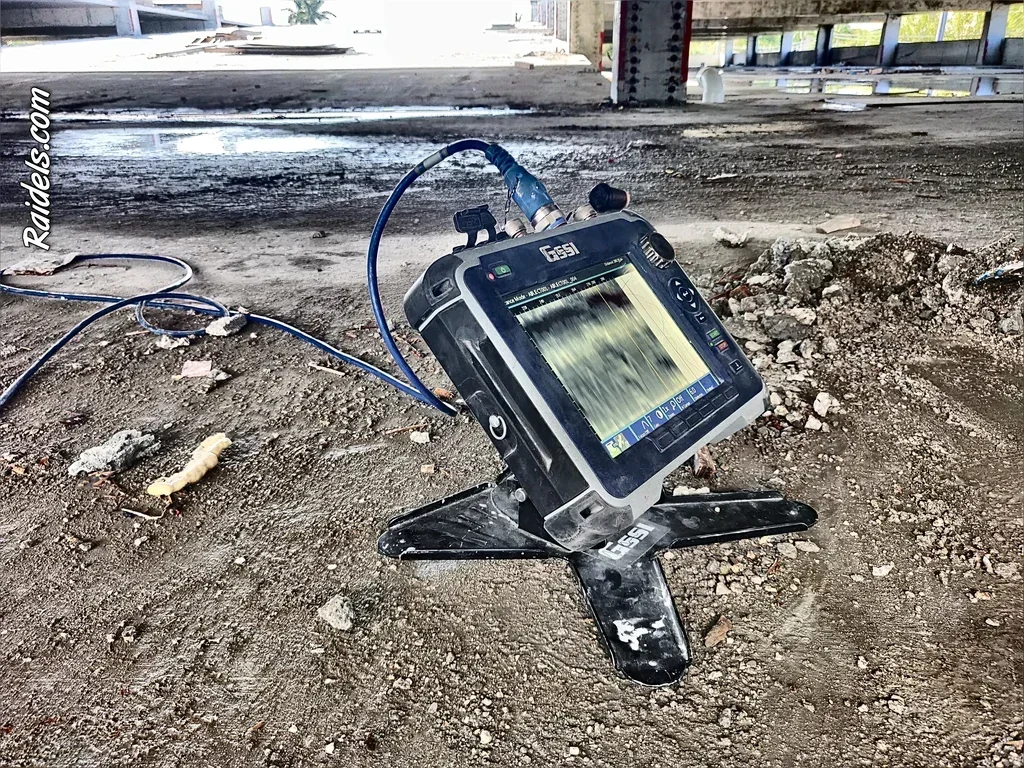
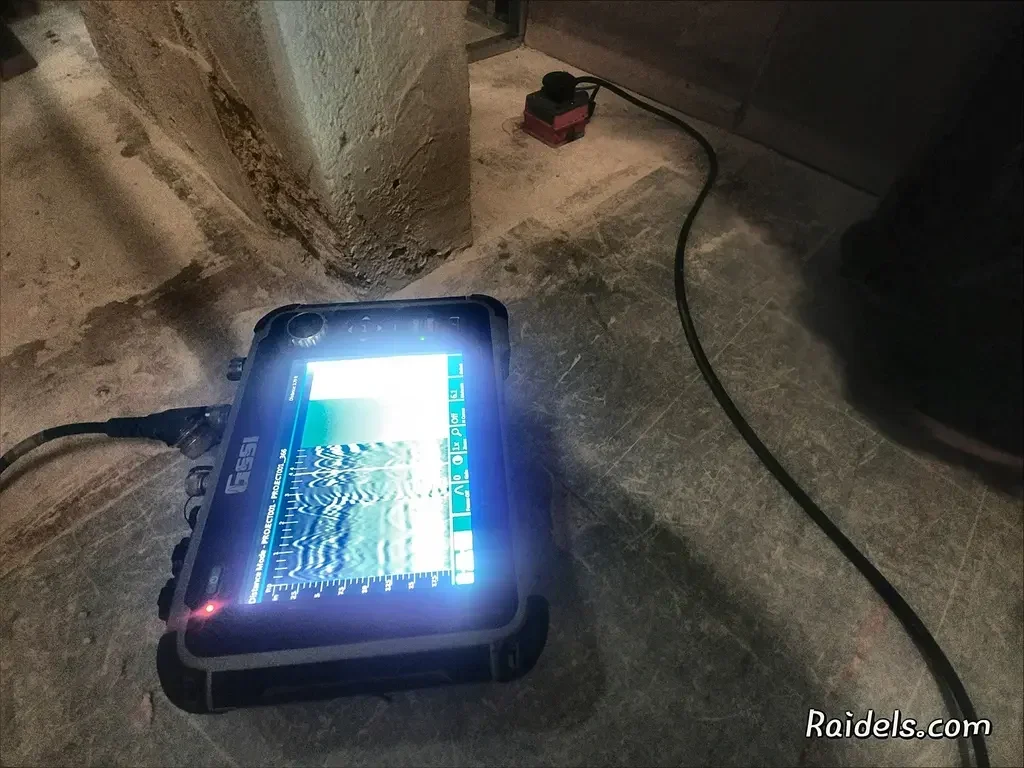
In Miami’s high-rise construction market, “cutting blindly” is a risk you cannot afford to take. Hitting a Post-Tension (PT) cable can cause catastrophic structural failure, while slicing through a live electrical conduit can shut down an entire building. Concrete Cutting Miami provides professional GPR concrete scanning services, utilizing advanced radar technology to “X-ray” the concrete and locate hazards before our blades touch the surface.
Max Scan Depth
24 InchesHigh-Frequency Antennas
Hazards Located
PT & ConduitsRebar & Voids Included
Data Output
Real-TimeDirect Surface Markings
Safety Rating
Zero RadiationNo Building Evacuations
PT CablesStructural Integrity
Post-Tension (PT) cables hold many of Miami’s condo floors together. Cutting one causes it to snap with explosive force, compromising the building's safety. Our GPR units map these high-tension lines with precision, ensuring your core drilling or floor box installations avoid structural catastrophe.
UtilitiesConduit Mapping
Drilling into a live 480V power line embedded in a floor slab is a life-safety hazard. We trace both metallic and plastic (PVC) conduits so your team can avoid electrocution and unplanned power outages. We mark the depth and path directly on the concrete for your tradesmen.
Rebar DensityCutting Optimization
Knowing the density and depth of the reinforcement allows us to select the most efficient diamond bits for wall sawing. We map rebar congestion to ensure structural anchors for heavy steel columns are placed in solid concrete, not directly into steel mesh.
Void DetectionSub-Slab Scanning
Before parking heavy machinery or pouring new footers on a slab-on-grade, we scan for air pockets or soil washouts. Detecting these voids early prevents slab collapse and ensure the foundation can support the loads required for your commercial project.
Scan + Cut Combo
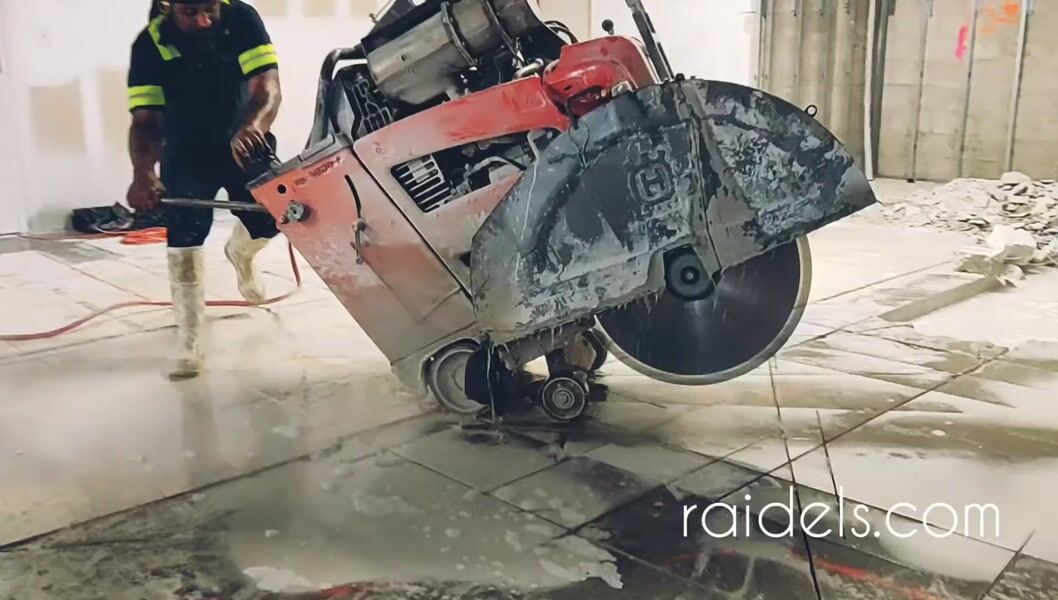
Most projects require one company to scan and another to cut. We do both. This eliminates scheduling conflicts, finger-pointing, and downtime. We scan, mark, and proceed immediately to the slab sawing or drilling in a single mobilization.
Single-Sided Access
Unlike old-school X-Ray concrete inspection, GPR does not require access to the floor below. We can scan your high-rise unit without disturbing the neighbors downstairs, delivering real-time data on the slab's internal structure in minutes.
Risk Mitigation
Ground Penetrating Radar is the industry standard for insurance compliance. By documenting the slab's contents before cutting, you protect your company from the massive liabilities associated with hitting post-tension cables or primary electrical feeders.
Frequently Asked Questions
Is GPR the same as X-Ray?
No, it is significantly better for active construction environments. Concrete X-ray uses harmful radiation and requires access to both sides of the slab. GPR uses radio waves, is perfectly safe for occupied buildings, requires access to only one side, and provides instant results on-screen.
Can you guarantee you will find everything?
GPR is a powerful interpretation tool, but no technology is 100% perfect. Factors like mesh density and concrete age can affect signal clarity. However, it is the industry standard for risk mitigation and significantly reduces the chance of an accident compared to "blind cutting."
How deep can you scan into a concrete wall or floor?
For standard concrete scanning, our high-frequency antennas typically penetrate 18 to 24 inches deep. This covers almost all floor slabs, columns, and structural beams found in South Florida construction.
Can you locate plastic (PVC) pipes inside the slab?
Yes, but it is more challenging than locating metal. We look for the “signal disturbance” caused by the air or water inside the pipe. Metal conduits and rebar show up very clearly; PVC requires a skilled technician to interpret the data.
Do I need to scan a slab-on-grade or driveway?
It is highly recommended for indoor slabs (like warehouses or retail spaces) where electrical conduits often run just below the concrete surface. For residential driveways, it is less critical unless you suspect shallow water lines or fiber optic cables.
Recent GPR Scanning Projects