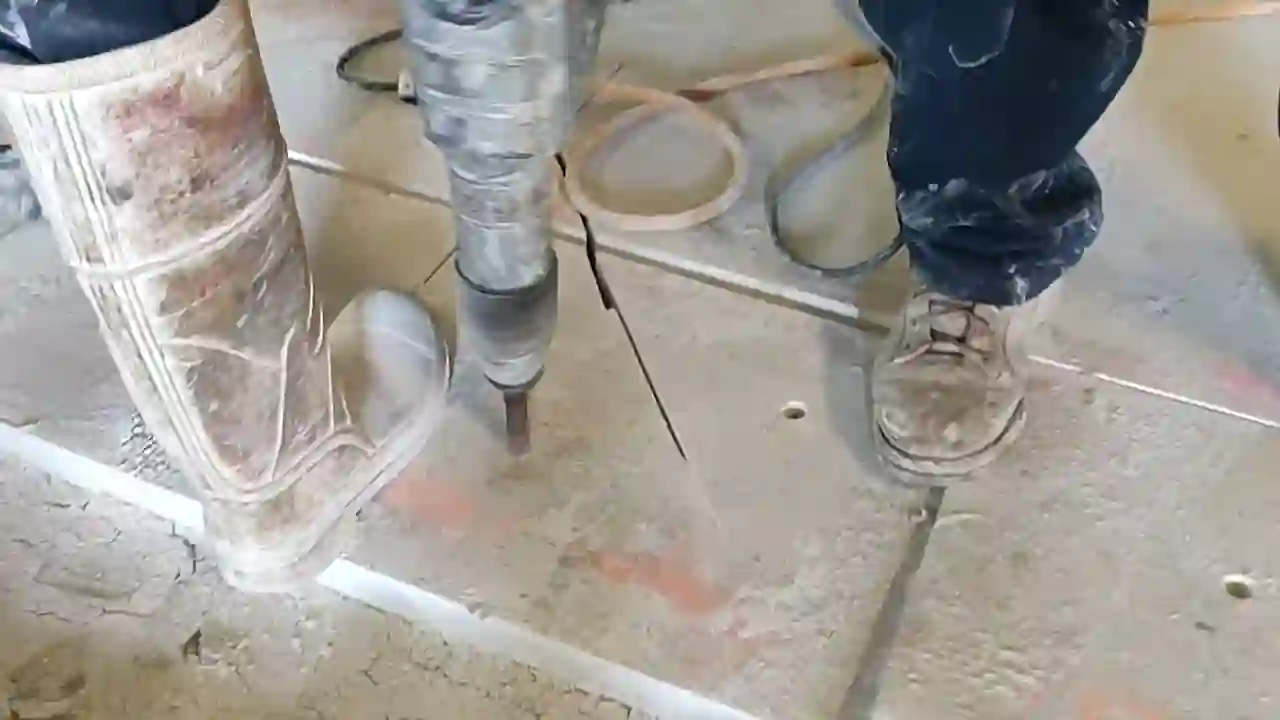
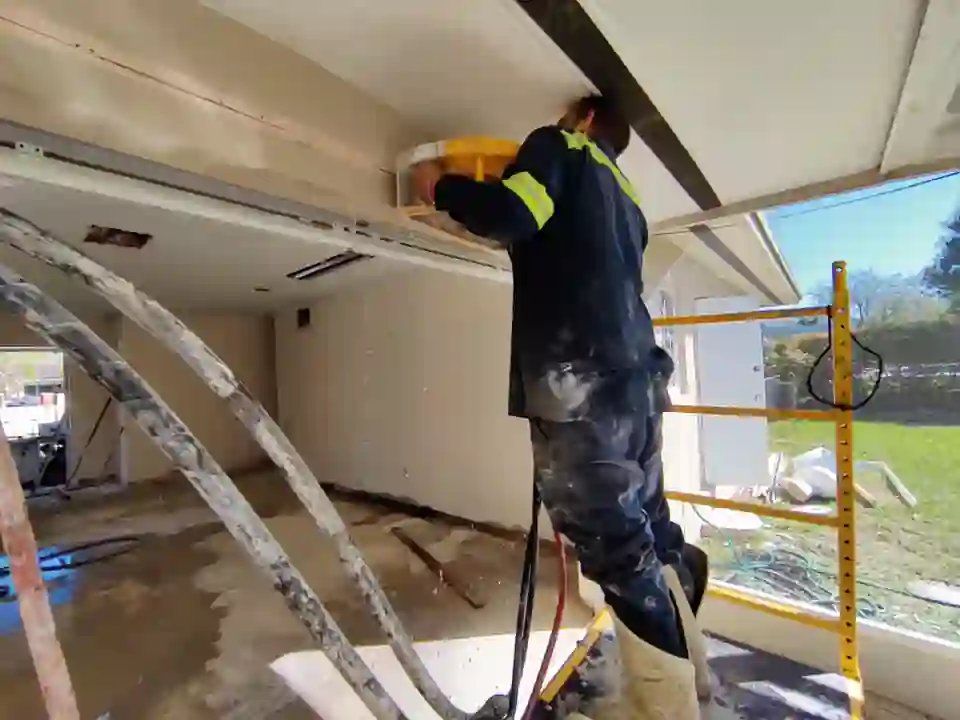
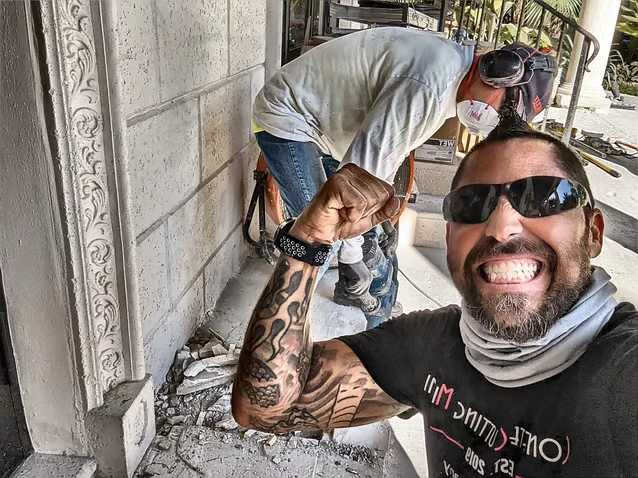
What Residential Slab Thickness Actually Means for Slurry Volume and Environmental Accountability
When a homeowner or general contractor asks “how thick is a house slab,” they usually want a structural answer. The honest answer is that a standard residential slab in South Florida runs between 4 and 6 inches thick, with post-tensioned slabs sometimes reaching 8 inches in high-load zones. But here’s what that question really unlocks on a live job site — it determines exactly how much slurry your diamond blade is going to generate, how aggressively you need to contain it, and whether your operation is in compliance with Miami-Dade stormwater and environmental regulations before the first cut is even made. Thickness isn’t just a structural spec. It’s your slurry budget, your containment plan, and your liability exposure all rolled into one number.
Residential Slab Specs in Miami — The Technical Baseline
In Miami-Dade County, the Florida Building Code requires a minimum slab thickness of 4 inches for conventional monolithic slabs on grade. Most builders pour to 5 or 6 inches when soil conditions are soft, fill is present, or the structure carries heavier loads. Post-tensioned slabs — common in newer South Florida construction — are typically 5 to 8 inches thick and contain tensioned steel cables that dramatically change the cutting protocol. Knowing which type you’re dealing with before any blade touches concrete is non-negotiable. A GPR scan performed before cutting will reveal slab depth, rebar spacing, and whether post-tension cables are present — all of which directly affect blade depth settings and slurry generation rates.
Here’s the math that most crews skip: a single linear foot of slab cut at 4 inches deep with a 14-inch wet-cut blade produces roughly 0.25 to 0.4 gallons of slurry depending on aggregate hardness and water flow rate. Scale that to a 50-foot utility trench through a 5-inch slab, and you’re managing 15 to 20 gallons of highly alkaline cement slurry — material that carries a pH between 11 and 13 and is classified as a pollutant under EPA stormwater guidelines. That’s not a cleanup problem. That’s a compliance problem if it reaches a drain, swale, or permeable surface.
Why Slurry Generated from Residential Slab Cuts Is a Regulated Waste Stream
Concrete slurry is not inert. When diamond blades cut through Portland cement, aggregate, and rebar-adjacent zones, the resulting slurry is a suspension of fine particulate matter, heavy metals from reinforcement corrosion, and highly alkaline water. Under EPA NPDES stormwater regulations and Florida’s Chapter 62-624 permitting framework, discharge of concrete slurry into storm drains, waterways, or uncontained ground areas is a violation — one that carries fines starting at $10,000 per incident in Miami-Dade enforcement actions.
This is especially critical in residential work where job sites are often located near swales, drainage easements, and permeable landscaping. Managing construction debris and water runoff in Miami requires proactive containment planning, not reactive cleanup. The slab thickness number feeds directly into that plan because it tells you how long the cut takes, how much water the blade needs, and therefore how much slurry you’re going to produce before the job is done.
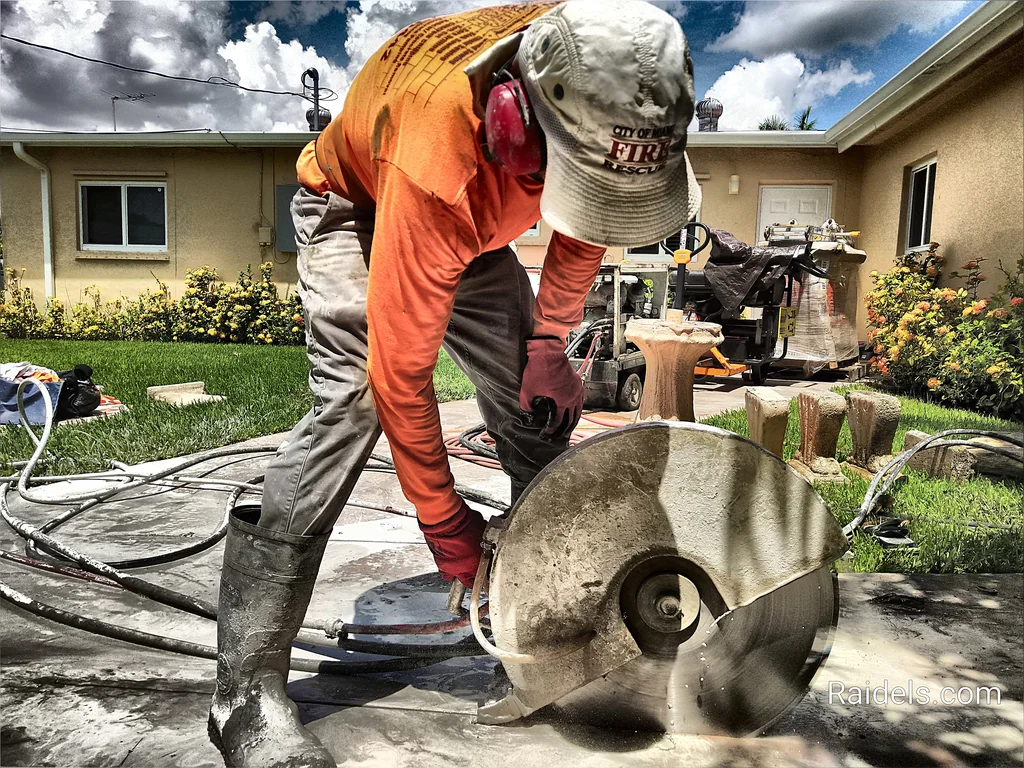
Slurry Containment Protocols Scaled to Slab Depth
Professional-grade slurry containment is not a single solution — it’s a tiered system scaled to the volume of material being generated. Here’s how a properly equipped crew handles it based on slab thickness:
- 4-inch slab cuts (standard residential): Wet-vac slurry recovery with a minimum 20-gallon capacity unit running in tandem with the saw. Berms of absorbent material placed at all drainage points within 10 feet of the cut line.
- 5 to 6-inch slab cuts (heavier residential or light commercial): Slurry vacuum with 50+ gallon holding tank, secondary containment berm using foam dam blocks or sand tubes, and a designated slurry settling area where solids can separate from water before pH-neutral disposal.
- Post-tensioned slabs at 6 to 8 inches: Full slurry recycling system with a filtration stage, pH neutralization using carbon dioxide injection or citric acid treatment, and documented disposal through a licensed liquid waste hauler if volume exceeds on-site treatment capacity.
The slab sawing process at this level is as much about water management as it is about cutting. Crews that treat slurry as an afterthought routinely fail site inspections, face stop-work orders, and create downstream liability for the GC and property owner alike.
Dry Cutting as an Environmental Alternative — Where It Works and Where It Fails
Some contractors default to dry cutting in residential environments to avoid slurry entirely. While this eliminates water containment concerns, it introduces a different compliance issue — airborne respirable silica dust. OSHA’s Silica Standard (29 CFR 1926.1153) requires dust controls on all dry concrete cutting operations, including local exhaust ventilation and mandatory use of NIOSH-approved respirators. In enclosed residential spaces, dry cutting without a HEPA-equipped vacuum system attached directly to the blade guard is a serious regulatory violation and a health hazard to occupants and workers.
The practical reality is that wet cutting remains the preferred method for most residential slab work because it controls both dust and blade temperature simultaneously. The slurry it produces is manageable — but only if the crew has the right containment equipment on site before the saw starts. Tight residential job sites present unique challenges for both wet and dry operations, and the slab thickness determines which method is even feasible given space constraints and ventilation availability.
Slab Condition Indicators That Change Your Environmental Risk Profile
Slab thickness is the starting point, but the condition of that slab at the time of cutting changes your environmental risk profile significantly. Older slabs — particularly those poured before 1980 — may contain fly ash blends, calcium chloride accelerators, or aggregate types that produce slurry with elevated chromium or lead content. Cutting through a slab that has been contaminated by fuel spills, industrial cleaning chemicals, or even certain pest control treatments can produce slurry that requires hazardous waste disposal rather than standard pH-neutral discharge.
This is why what your cutting equipment reveals about slab condition matters before you finalize your disposal plan. Blade wear patterns, slurry color, and particulate behavior during cutting all provide diagnostic information about what’s in that slab. A slab producing dark gray or rust-tinted slurry with unusually fast blade wear is telling you something about its composition — and that information should change your containment and disposal approach on the spot.
Water Containment Setup for Residential Slab Work in South Florida
Miami’s flat topography and high water table make slurry containment especially critical. There is almost no natural grade to work with, meaning slurry spreads laterally rather than draining away from the work area. Standard containment setup for a residential slab cut in Miami should include:
- Foam dam blocks or sand tubes placed at all four cardinal points around the cut zone, minimum 18 inches from the blade path
- A wet-vac or slurry vacuum running continuously during the cut, not just for cleanup afterward
- A secondary containment vessel — typically a 55-gallon drum or lined IBC tote — for holding recovered slurry until disposal
- pH test strips on site to verify slurry alkalinity before any water discharge; target pH of 6.5 to 8.5 for compliant discharge
- A documented chain of custody for slurry disposal, especially on permitted renovation projects
For larger residential renovation projects, Miami renovation contractors are increasingly required to submit slurry management plans as part of their permit applications. This is not bureaucratic overhead — it’s a direct response to enforcement actions that have shut down residential projects across Miami-Dade for improper concrete waste discharge.
The Compliance Mindset That Separates Professional Crews from the Rest
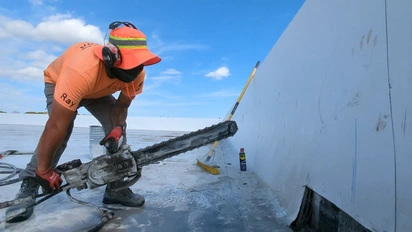
Understanding how thick a house slab is gives you the foundation for every decision that follows — blade depth, cut speed, water flow rate, and most critically, your slurry volume estimate. Professional crews in Miami treat that number as the first line of their environmental compliance plan, not just a structural reference. They know that a 4-inch slab in a tight residential bathroom generates less slurry than a 6-inch post-tensioned slab in a garage conversion, and they show up with the right containment equipment for each scenario.
Slab cutting is a regulated trade activity in South Florida. The diamond blade does the cutting, but the containment system, the disposal documentation, and the pre-cut scanning protocol are what keep the project compliant, keep the crew working, and keep the contractor’s license intact. Every cut starts with knowing the slab — its thickness, its composition, its history, and its relationship to every drain and waterway within 100 feet of the blade.