Concrete Removal in Miami Is a Sequence, Not a Single Step
Concrete removal sounds like one thing, but it is actually a sequence: cut, break, load, haul, and dispose. Each step has its own method and cost, and understanding the whole sequence is how you get an accurate quote and avoid surprises. In Miami, concrete removal comes up everywhere, from demolishing an old driveway in Doral to removing a pool in Pinecrest to clearing a slab for redevelopment.
The concrete itself is heavy, the disposal is regulated, and the access is often tight. Let me walk through how the whole process works and what it costs.
Cut First, Then Break
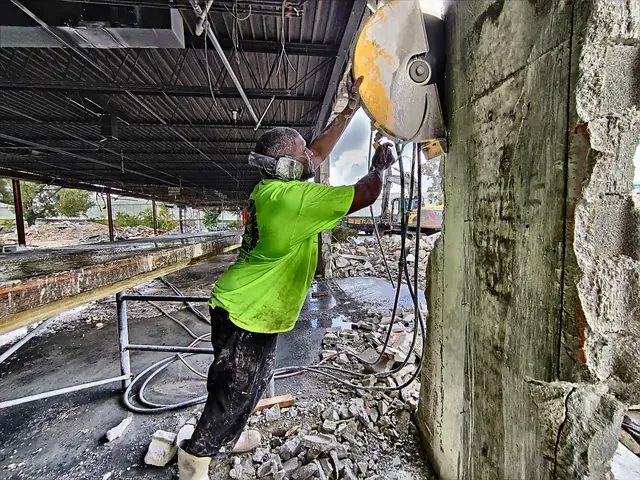
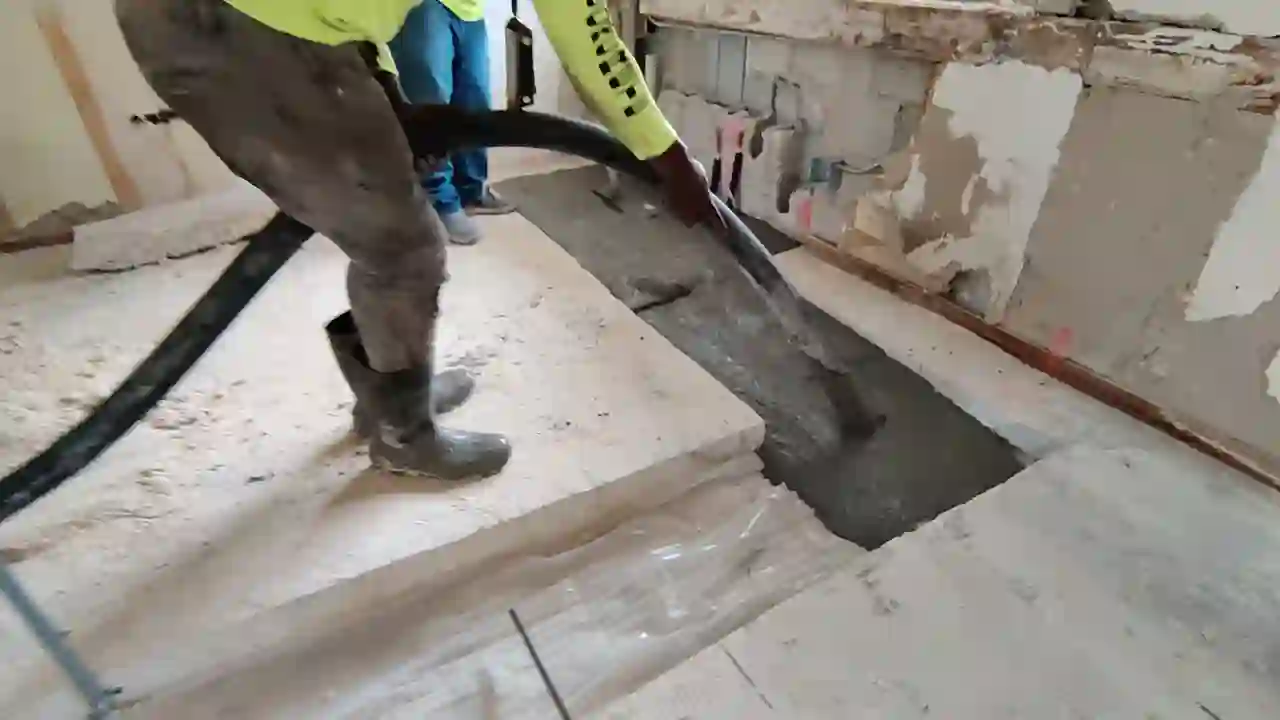
Most concrete removal starts with cutting, not breaking. The slab or wall is saw-cut into manageable sections before any breaking happens. This does two things: it creates clean edges where the removed section meets the concrete that stays, and it makes the breaking faster and more controlled. A slab cut into sections breaks cleanly; an uncut slab shatters unpredictably.
The cutting also protects the surrounding concrete. If you are removing part of a driveway or a section of a slab, the saw cut defines the boundary and prevents cracks from spreading into the concrete you are keeping. Our guide to concrete slab removal explains this cut-then-break sequence in detail.
Breaking Methods From Hand to Machine
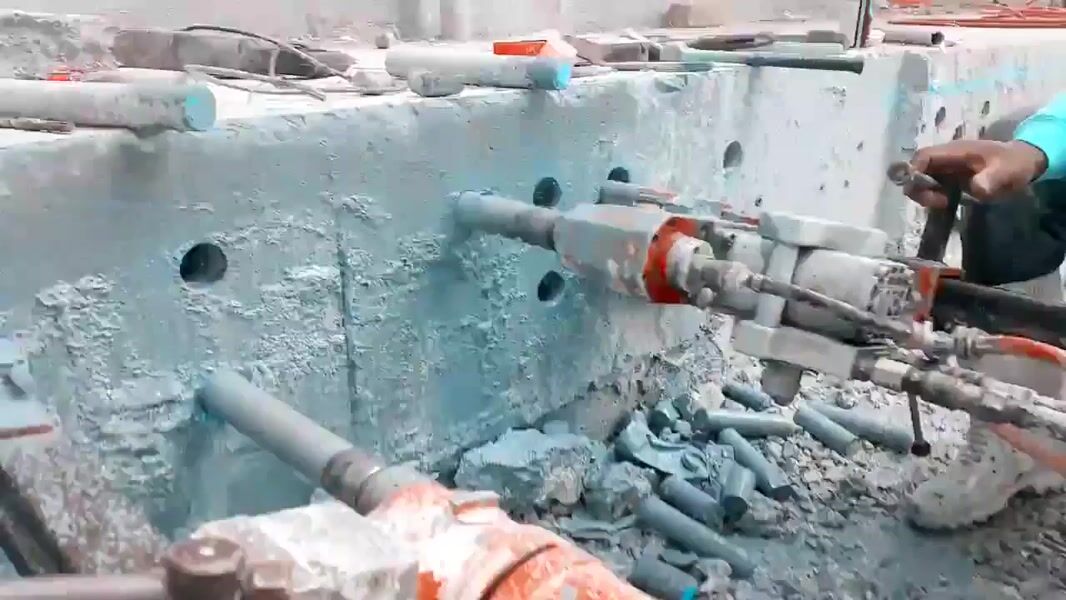
The breaking method depends on the size and thickness of the concrete. A small patio slab might come out with a jackhammer. A thick structural slab or a pool shell needs a hydraulic breaker on an excavator. Interior work in a tight space might use robotic demolition, where a remote-controlled machine breaks the concrete while the operator stays safely outside the dust.
The reinforcement is a factor too. Reinforced concrete is harder to break and takes longer, because the steel holds the pieces together. A professional factors the rebar into the method and the price. Our guide to concrete demolition methods covers the options and when each is right.
Dust Control and the Miami Rules
Concrete removal generates dust, and in Miami that dust is regulated along with the slurry and debris. A professional uses water suppression to keep the dust down, contains the slurry so it does not run into a drain, and keeps the site clean. This is environmental compliance, not optional housekeeping.
The health side matters too. Concrete dust contains silica, and the crew needs respiratory protection. If you are near the work, the same caution applies. Our guide to concrete dust exposure explains the risks and the protection.

Haul-Off and Disposal
The haul-off is a bigger line item than most people expect. Concrete is heavy, and removing it means loading it, trucking it, and disposing of it at a facility that accepts construction waste. In many cases the concrete can be recycled into aggregate, which is better for the environment and sometimes cheaper. Ask about disposal up front, because it should be in the quote and it is a real cost.
On tight Miami sites, the haul-off is also a logistics challenge. There may be nowhere to stage a dumpster, and the truck access may be limited. A local contractor plans for this the way other regions plan for weather. It is part of why hiring the right concrete removal contractor matters.
Driveway, Patio, and Slab Removal Compared
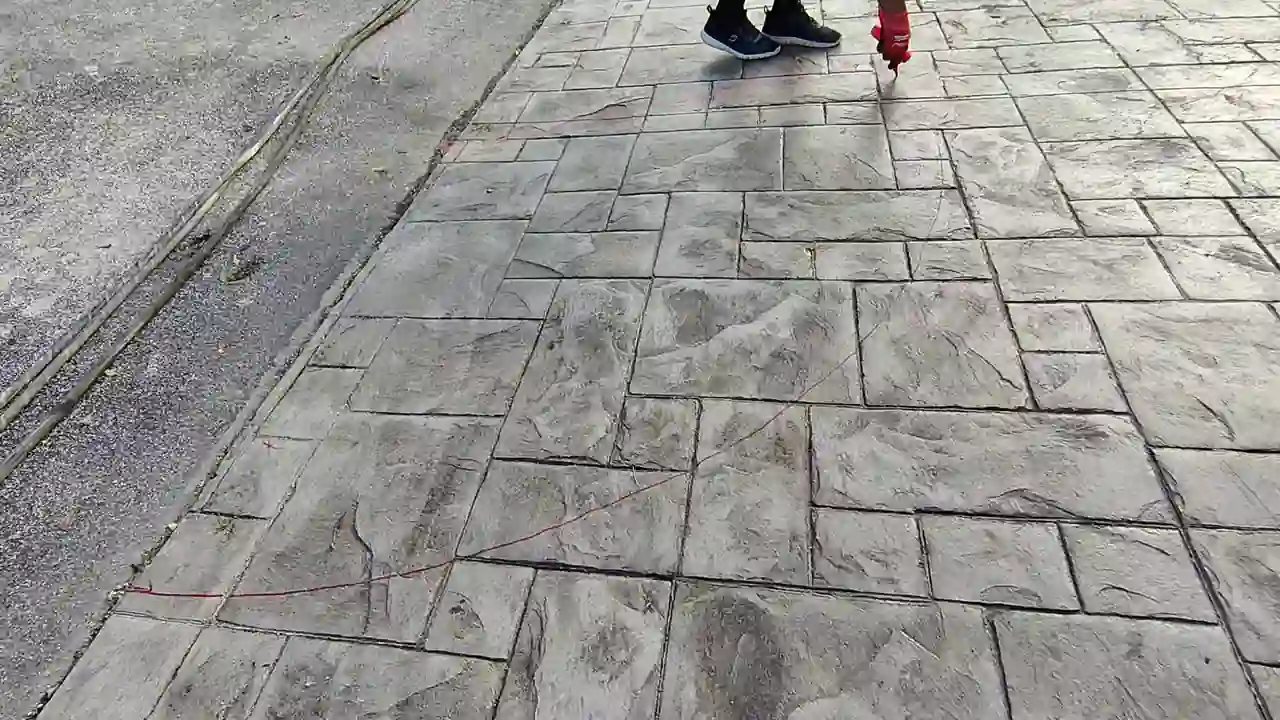
Not all concrete removal is the same, and the differences show up in the price and the method. A driveway is usually a long, relatively thin slab with easy access, so it comes out fast with a breaker and a clean cut at the edges. A patio is smaller but often tight against the house, so the cutting has to protect the foundation. An interior slab is the most involved, because the access is constrained and the dust has to be fully contained.
Understanding which category your job falls into helps you read the quotes you get. A low price per square foot on a driveway makes sense; the same price on an interior slab probably means someone is skipping the dust control. Our guide to concrete driveway removal explains how the different jobs are priced and approached.
When Removal Turns Into a Bigger Excavation
Sometimes a concrete removal job reveals more than expected once the slab is up. The soil underneath may be bad, there may be old utilities to deal with, or the slab may be far thicker than anyone thought. When that happens, a simple removal becomes an excavation, and the scope and price change with it.
A professional flags these possibilities up front and watches for them as the work goes, rather than being surprised and passing the cost on later. It is one of the reasons a walkthrough matters before the quote, because the contractor can often spot the signs of a thicker slab or a problem subgrade before the breaker ever starts. Our guide to removing a thick concrete slab covers what happens when the job grows.
Choosing a Contractor for the Whole Job
Concrete removal is a sequence, and the right contractor handles all of it: the cutting, the breaking, the haul-off, and the disposal. A contractor who only does half the job leaves you to arrange the haul-off or dispose of the debris yourself, and that is where the savings of a low bid disappear. The whole job, done by one accountable crew, is almost always the better value.
Ask each contractor what the scope includes and get it in writing, so you are comparing the same job when you compare prices. The contractor who includes disposal and leaves a clean site is the one who actually finishes the work. Our guide to hiring a concrete removal contractor walks through what the full scope should include.
The method for removing concrete depends on what is around it, and that is often the bigger cost driver than the concrete itself. A slab in an open yard comes out fast with a breaker and a loader, while a slab inside a finished building has to be cut into manageable sections and carried out by hand. Access, dust control, and haul distance usually move the price more than the thickness of the concrete does.
Recycling the concrete is worth asking about before the job starts. Broken concrete is crushed into aggregate and reused as base material, and routing it to a recycler is frequently cheaper than paying landfill tipping fees, especially on a big removal. A contractor who plans for recycling from the start can often cut the disposal line item enough to matter, and it keeps the debris out of a landfill at the same time.
The access route is the quiet cost driver on a concrete removal. A slab that a skid steer can reach from the street comes out cheap, while a slab behind a gate or up a narrow side yard has to be cut smaller and carried or wheeled out by hand. The concrete is the same either way; the labor to get it out is not. Describe your access honestly when you get a quote, because it changes the number more than the thickness of the slab does.
Finally, confirm the disposal is included before you start, because a pile of broken concrete left at the curb is a problem you do not want to own. A professional removal ends with the debris gone and the site level, and that cleanup is part of the job, not an extra you discover when the truck leaves.
What Concrete Removal Costs
Concrete removal is usually priced by the square foot or by the cubic yard, and the price reflects the thickness, the reinforcement, the access, and the disposal distance. Get a quote that breaks out the cutting, breaking, haul-off, and disposal, so you can compare apples to apples. A low bid that skips disposal is not a bargain; it is a pile of concrete left in your yard. Choose the contractor who handles the whole sequence, and your removal will be clean, legal, and complete.