Cutting Concrete for Plumbing Is Precision Work, Not Just Breaking
Cutting concrete for plumbing is one of the most common jobs in Miami, and one where precision matters more than anywhere else. The goal is to open a clean trench in a slab, expose the pipe without damaging it, and leave a patch that never settles. Done right, the plumbing repair is the hard part and the concrete work is routine. Done wrong, the saw nicks the very pipe you are trying to fix, or the backfill settles and the floor dips.
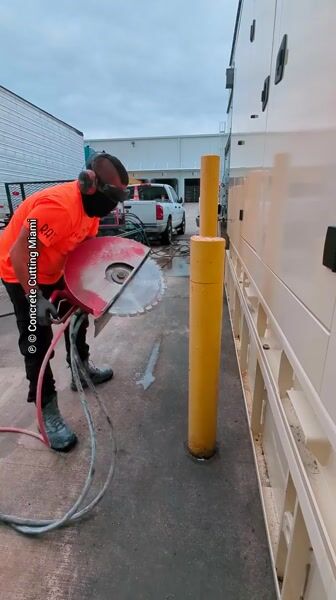
Whether it is a slab leak under a Kendall home or a bathroom relocation in a Brickell condo, the sequence is the same. Let me walk through it the way a professional crew handles it.
Locate the Lines Before the Saw Comes Out
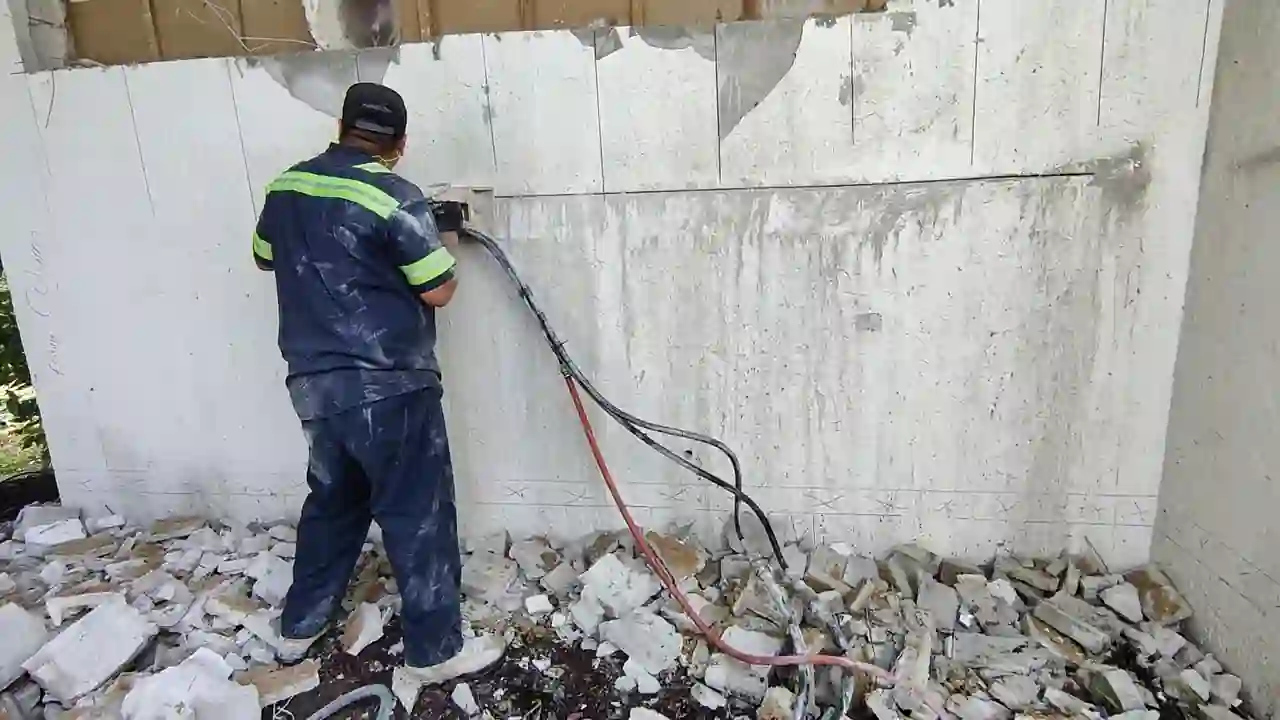
The first step is always locating what is under the slab. Plumbing lines, electrical conduit, and any post-tension cables all run beneath the surface, and cutting into them blind is how a simple job becomes an emergency. A professional crew scans the slab or uses the plans to map the area before the first cut.
In older Miami homes, the as-built drawings are often gone, and the pipes have been moved more than once. A scan before the cut is cheap insurance against hitting a sewer line or a live conduit. This is the step that professional cutters never skip, and it is why they get results a rented saw never will.
Cut the Trench With the Right Saw and Depth
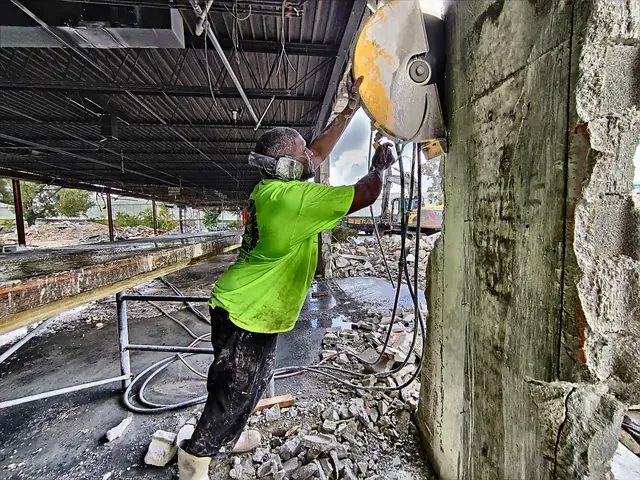
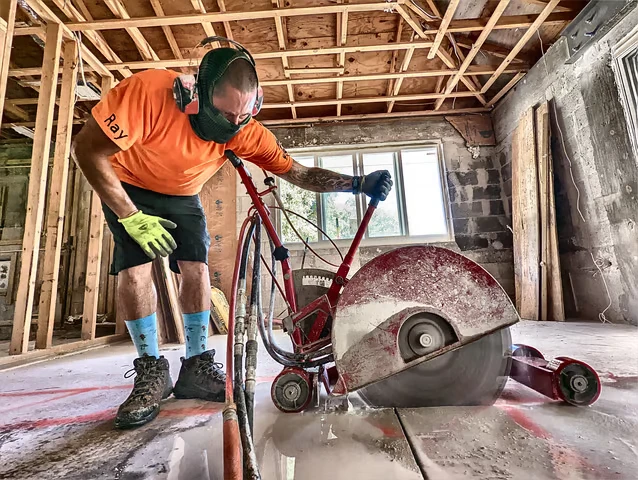
The trench is cut with a walk-behind flat saw or a hand-held saw, sized to the slab depth and the reinforcement. Most Miami slabs are four to six inches thick, but the pipe below is often deeper, bedded in sand or gravel. The saw opens the concrete, and the rest of the excavation is done by hand or with small tools so the pipe is never touched.
Depth control is the whole game. A straight trench with clean edges patches perfectly, and a jagged trench does not. The saw is run wet to cool the blade and control dust, which means slurry containment is part of the job, especially indoors. Our guide to flat sawing for trenching covers the cutting technique in detail.
Protect the Pipe You Are Exposing
The irony of cutting concrete for plumbing is that the pipe you are trying to reach is the thing most at risk. A careful operator cuts to the proper depth and finishes the excavation by hand, exposing the pipe without the blade ever touching it. The saw gets you close; the hand work gets you the rest of the way.
This is where the skill shows. An experienced crew reads the depth, feels when they are approaching the pipe, and switches to hand tools for the last few inches. The result is a pipe that is cleanly exposed and undamaged, ready for whatever repair or reroute the plumber needs to make.
Backfill and Patch So the Floor Never Settles
The concrete work is not done when the pipe is fixed. The trench has to be backfilled properly and the slab patched. The backfill is compacted in lifts, not dumped in loose, because loose backfill settles and leaves a dip or a crack in the floor. A professional compacts each lift and then patches the concrete so it bonds with the surrounding slab.
A settled patch is the classic sign of a rushed job. You feel it underfoot as a dip, or you see a crack running along the trench line. Doing the backfill right is the difference between a repair you never notice and one you feel for years. It is also why the concrete side of a plumbing job should be done by someone who takes it as seriously as the plumber takes the pipe.
Spotting a Slab Leak Before You Cut
Before you cut concrete to fix a plumbing problem, it helps to know you are actually dealing with a slab leak. The signs are usually there: a warm spot on the floor, the sound of running water when nothing is on, a water bill that spikes for no reason, or dampness and staining at the base of a wall. These are the clues that the leak is under the slab, not somewhere easier to reach.
Pinpointing the leak before cutting saves concrete and money, because the repair opening only needs to be big enough to reach the bad joint or fitting. A plumber can often locate the leak acoustically or with a camera, and that information tells the cutter exactly where to open the slab. Our guide to core drilling for plumbing explains how precise access reduces the concrete work.
Post-Tension Slabs and the Scanning Step
In Miami, a meaningful number of slabs are post-tensioned, which means they contain steel cables under enormous tension. Cutting into a post-tension cable is dangerous and can damage the entire slab, so locating the cables before cutting is not optional. A professional scans the slab to map the reinforcement and the cables before the saw comes out.
This is the step that separates a safe job from a disaster, and it is why you never cut a slab blind. The scanning finds not just the cables but the plumbing and conduit too, so the saw can be routed around everything that should not be cut. Our guide to concrete scanning explains how the mapping is done.
Why the Backfill Is as Important as the Cut
The cut opens the slab, but the backfill is what closes it back up correctly, and it is the step most likely to be rushed. The trench has to be backfilled in compacted lifts, not dumped in loose, or the patch will settle and the floor will dip over time. In Miami, where the water table is high, the backfill also has to be done so water does not undermine the patch.
A settled patch is the telltale sign of a rushed backfill, and it is a problem you will feel underfoot for years. Doing it right means compacting each lift and patching the concrete so it bonds with the surrounding slab. Our guide to flat sawing for trenching covers the full open-and-close sequence.
The depth of the cut is dictated by where the plumbing actually sits, and in Miami that is usually deeper than a homeowner expects. Most slab plumbing runs eighteen to thirty inches below the surface, bedded in sand or gravel, which means the saw does not have to reach the pipe, it just has to open a clean trench that a hand crew can finish. Over-cutting is the classic mistake, because the soft bedding makes it easy to go too deep and nick the line you are trying to reach.
Plan for water in the trench. The high water table means a slab trench can take on water, especially after a rain, and that water has to be pumped or managed while the plumber works. It is also why the flat sawing and the plumbing have to be sequenced tightly, so the trench does not sit open longer than it has to.
The patch is the part of the job you will look at for years, so it deserves the same care as the cut. A good patch is doweled into the surrounding slab, mixed to match, and cured slowly so it bonds instead of shrinking into a crack. A rushed patch is just concrete dropped in the trench, and it telegraphs the repair through the floor within a season. When you are comparing bids, ask about the patch and the backfill, because that is where a cheap job quietly falls apart.
What the Cutting Should Cost
The cost to cut concrete for plumbing depends on the trench length, the slab depth, the reinforcement, and the access. A short trench in an open garage is quick; a long trench through a finished living room is not. The cutting is usually a small part of the total plumbing bill, but do not skimp on it, because it sets up everything else. Get a scan, cut wet, protect the pipe, and backfill properly, and the whole repair goes smoothly from saw to patch.