What a Chipping Hammer Does Differently
A chipping hammer is a small, fast demolition tool that delivers thousands of light blows a minute to chip away concrete and masonry. It sits between a rotary hammer and a full jackhammer in power, which makes it the right tool for controlled removal in tight spaces, overhead work, and finishing cuts that a big breaker would destroy.
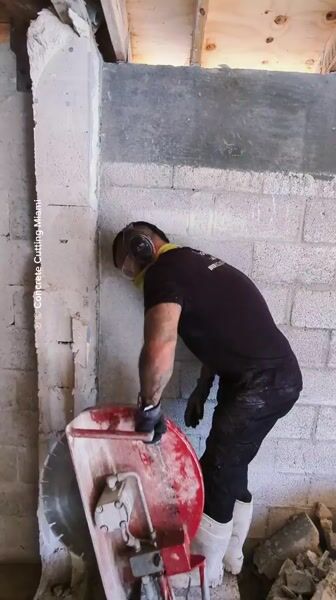
The key difference is control. A jackhammer removes material in big chunks but sends vibration everywhere and is hard to aim precisely. A chipping hammer lets an operator carve a clean edge, chip out a pocket, or remove a thin layer without blasting through the wall behind it. Concrete chipping with the right tool is surgical compared to brute-force breaking.
Where Chipping Hammers Earn Their Keep
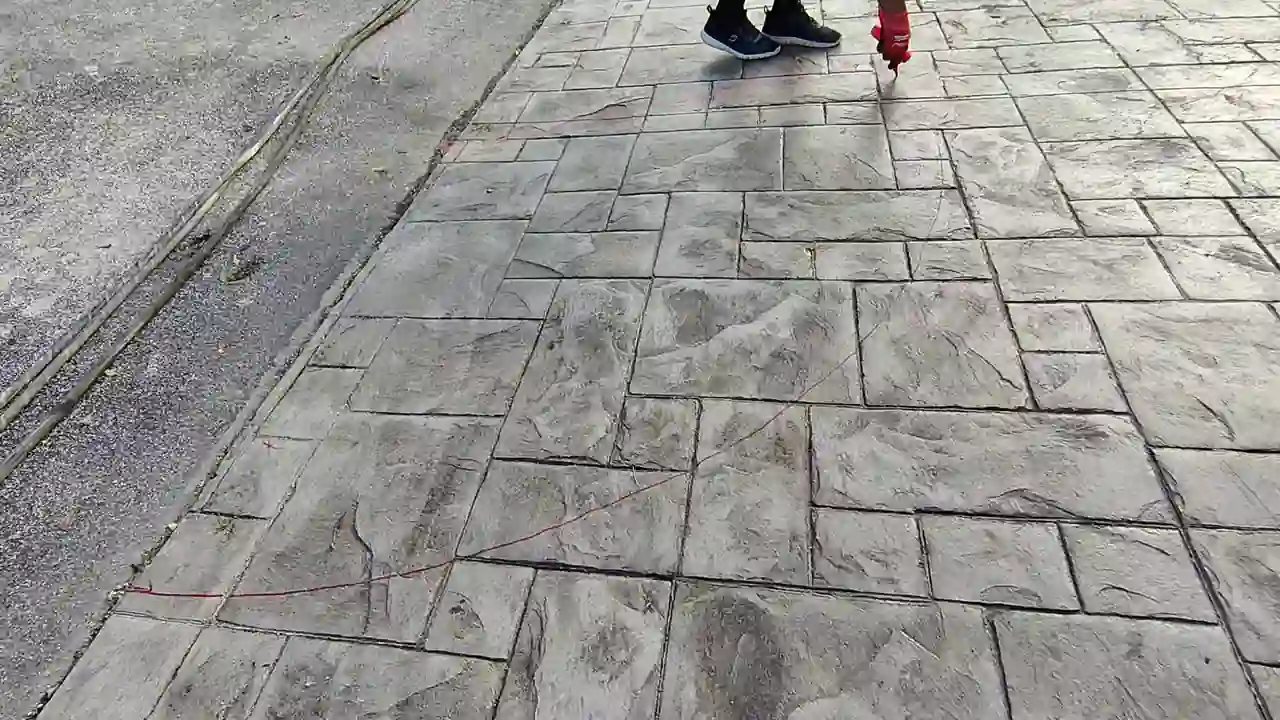
Chipping hammers are the tool of choice for finishing work after a saw cut. A saw leaves rounded corners and clean lines, but chipping is what squares a corner, cleans a rough edge, or opens a pocket for a beam. They are also the tool for removing tile, thinset, and thin concrete overlays without damaging the slab below.
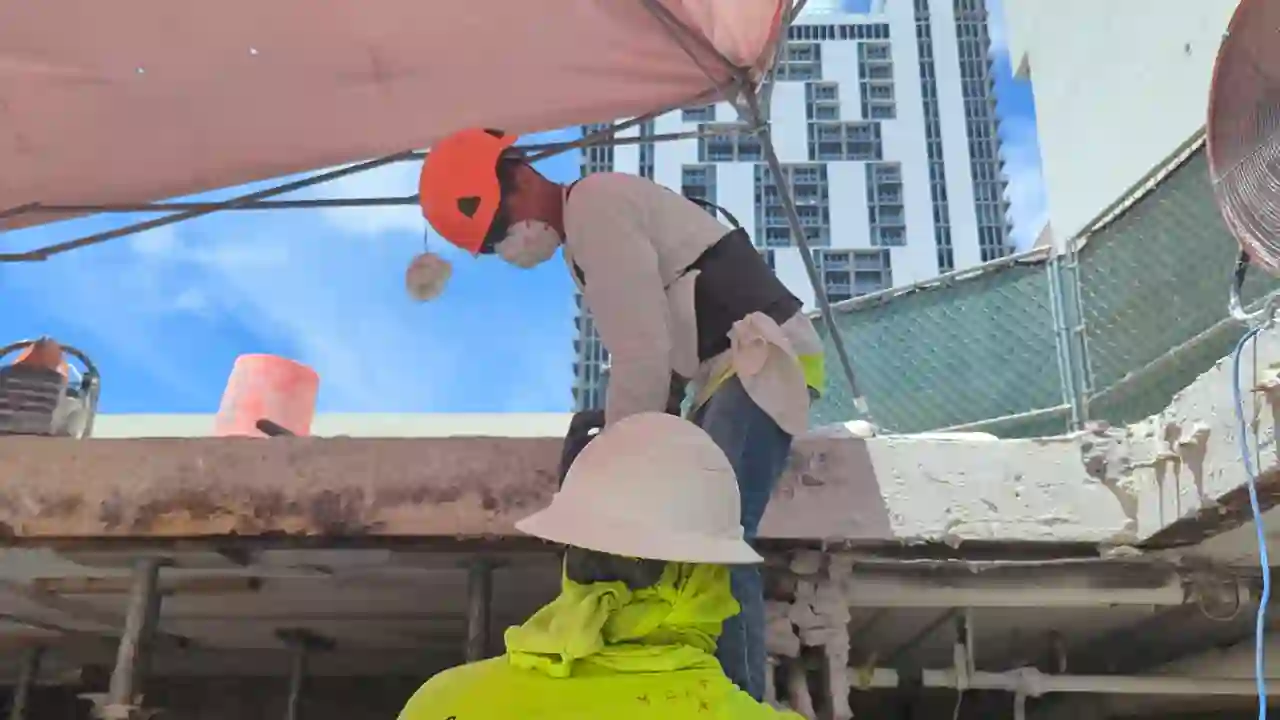
Overhead chipping is another specialty. Removing a section of concrete ceiling or the underside of a beam is brutal with a jackhammer and dangerous with a big breaker. A chipping hammer is light enough to hold overhead while still delivering the force to get the job done.
Chipping Hammer Versus Jackhammer
The choice between a chipping hammer and a jackhammer comes down to how much material has to move and how much control you need. A jackhammer is for volume, breaking thick slabs and footings into haul-away pieces. A chipping hammer is for precision, carving edges, and working where a big breaker cannot fit or would cause damage.
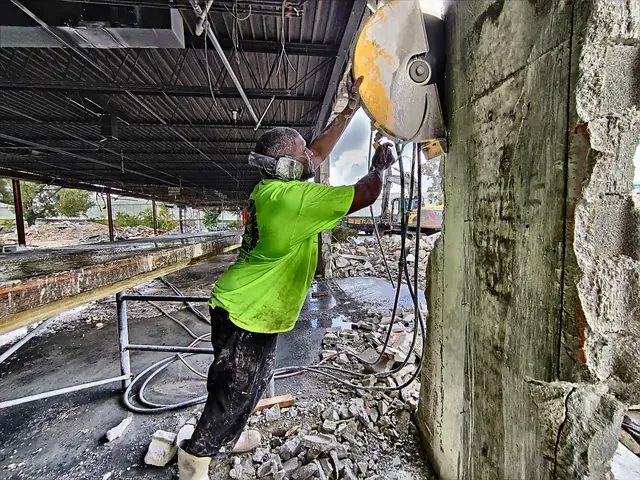
On most jobs we use both. We saw and break the bulk with heavier tools, then finish with the chipping hammer to clean the edges and square the corners. It is the same logic as rough and finish work in carpentry.
The Safety Rules That Matter
Chipping concrete throws fragments and creates silica dust, and both are serious. Eye protection is mandatory, hearing protection is a must given the sustained noise, and respiratory protection matters when chipping dry. In Miami-Dade, silica dust control is enforced, and chipping dry without it is a violation.
Vibration is the other hazard. A chipping hammer in the hands all day can cause hand-arm vibration injury, so we rotate operators and use anti-vibration gloves. The tool does the work, but the operator has to survive it.
Choosing the Right Chipping Hammer
Chipping hammers come in electric and pneumatic versions, with electric dominating on smaller job sites and pneumatic where air is already available. The key specs are impact energy, blow rate, and weight, and the right combination depends on the material and the position of the work.
A heavier hammer hits harder but is exhausting overhead. A lighter hammer is more controllable but slower on thick material. We match the tool to the job, which is why the right equipment matters as much as the operator.
When Chipping Becomes a Structural Concern
Chipping is not always cosmetic. Chipping into a beam or a column can expose rebar or reduce the structural section, and that is a problem. On load-bearing concrete, we chip only to the planned depth and stop when we hit steel or reach the limit of what the structure can lose.
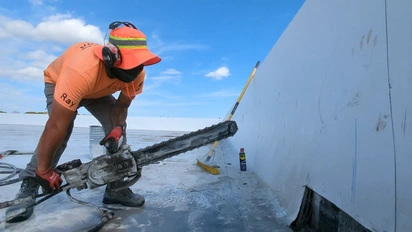
This is where experience matters. A chipping hammer in the wrong hands can turn a cosmetic patch into a structural repair. We know where the line is, and we do not cross it. Chipping versus structure is a judgment call you want a professional making.
Chipping Without Damaging What Stays
The whole skill of chipping concrete is removing what has to go without touching what has to stay, and that is harder than it looks. A chipping hammer in a hurry will take a chunk out of the wall behind the patch, or over-chip a corner that was supposed to stay square. The operator has to read the material and stop at the line, because concrete does not grow back.
That is why chipping is almost always a finish step after a saw cut. The saw defines the line, and the chipping hammer cleans up to it. The saw does the precision, the hammer does the removal, and together they produce a clean edge that neither could alone. On a structural member, that discipline matters even more, because over-chipping a beam is a structural problem, not a cosmetic one.
Where Chipping Hammers Fit the Job
- Corner squaring: finish the rounded corners a circular saw leaves.
- Edge cleanup: clean a rough cut line before the patch.
- Tile and overlay removal: thin material a breaker would destroy.
- Overhead work: light enough to hold up, powerful enough to cut.
- Pocket opening: carve a beam pocket to the exact depth.
The chipping hammer is the precision tool of the demolition world, and in the right hands it removes exactly what needs to go and nothing more.
The Right Chisel and Bit for the Material
The chipping hammer is only as good as the bit in it, and the bit has to match the material. A pointed chisel concentrates force and breaks hard concrete, while a flat chisel spreads the force and works better for scaling and removing thin layers. Using the wrong bit is why a chipping job drags on, the hammer is working, but the bit is not doing the right kind of work.
The bit also wears, and a dull bit wastes energy and slows the job. A professional keeps bits sharp and swaps them before they are fully worn, because a sharp bit does in a minute what a dull one takes five to do. It is a small detail that adds up over a day of chipping.
Then there is the depth control. A chipping hammer removes material in thin layers, and the operator has to control each pass so the removal stops at the right depth. Over-chipping a structural member is a real problem, and the combination of the right bit and a disciplined operator is what keeps the removal where it belongs. The tool does the work, but the bit and the hand guide it.
Bit selection changes the whole job. A pointed chisel concentrates the force and breaks hard concrete faster, while a flat or scaling chisel spreads the force and works better for removing thin layers and tile. Using the wrong bit is the most common reason a chipping job drags on, because the hammer is working but the bit is not doing the right kind of work. We swap bits to match the material and the pass.
Depth control is the discipline that keeps chipping safe on structural concrete. The operator removes material in thin layers and stops at the planned depth, because over-chipping a beam or a column is a structural problem, not a cosmetic one. When we chip near steel, we stop when we hit it and reassess. The line between chipping and structural damage is exactly where experience earns its pay.
The bit is the other half of the tool. A pointed chisel concentrates force and breaks hard concrete, while a flat chisel spreads it for scaling and thin layers, and a dull bit wastes energy on every swing. We keep bits sharp and swap them to the material, because the right bit does in a minute what a dull one takes five to do.
Get the Right Tool on Your Job
If you have concrete or masonry to chip in Miami-Dade or Broward, call us. We will bring the right chipping hammer for the material and the position, and we will get the removal done without damaging what is around it.
Precision chipping is a skill and a tool, and we have both. Let us put them on your job.