Why a Lifted Sidewalk Is a Liability
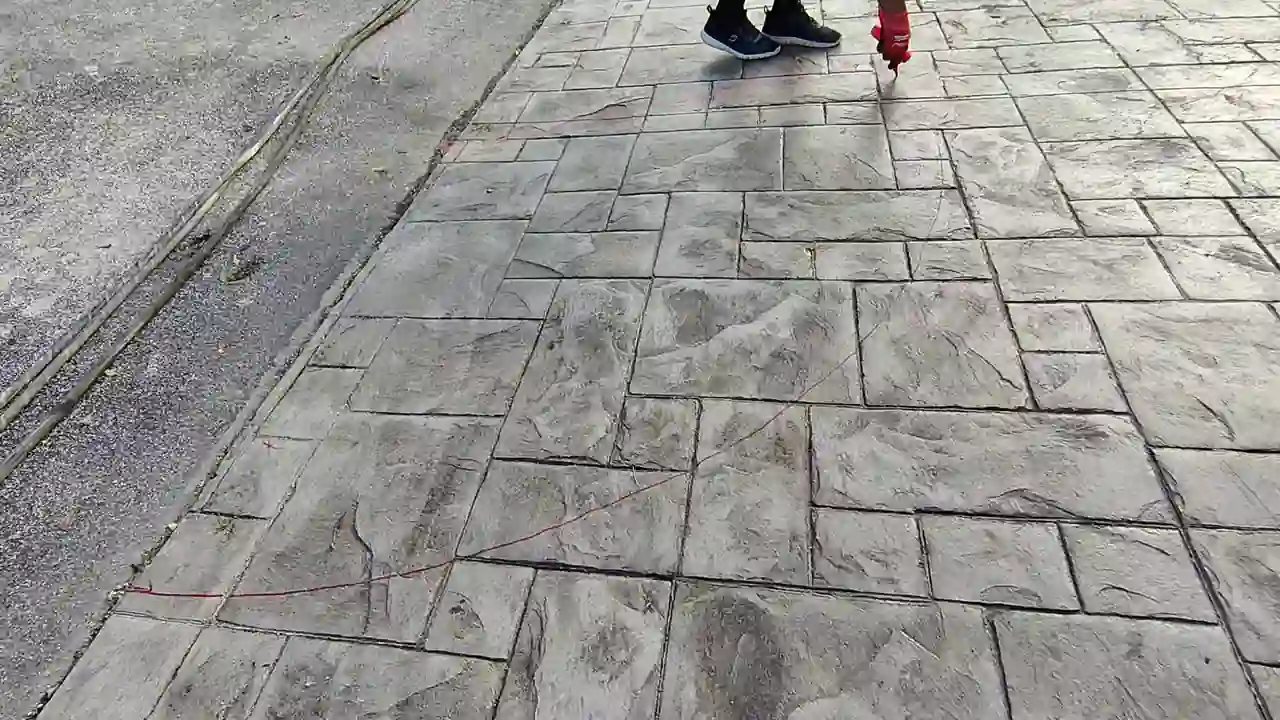
A sidewalk slab that has settled or been pushed up by tree roots becomes a trip hazard, and in Miami that is a liability you do not want to carry. Homeowners and property managers are responsible for the sidewalks abutting their property, and a single trip-and-fall claim can cost far more than fixing the slab ever would.
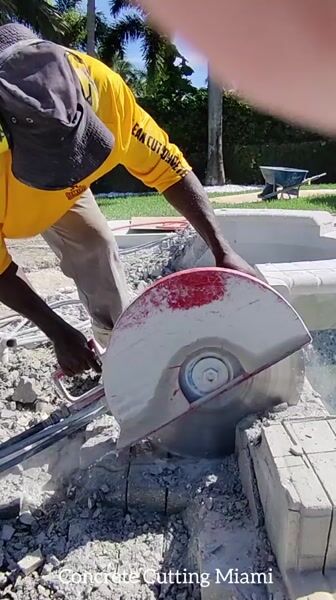
The fix is not always replacement. When one slab has lifted a half-inch or an inch above its neighbor, grinding the high edge down to grade restores a smooth, safe surface for a fraction of the cost of pulling and re-pouring. Concrete maintenance like this is how smart owners stay ahead of claims.
How Sidewalk Grinding Actually Works
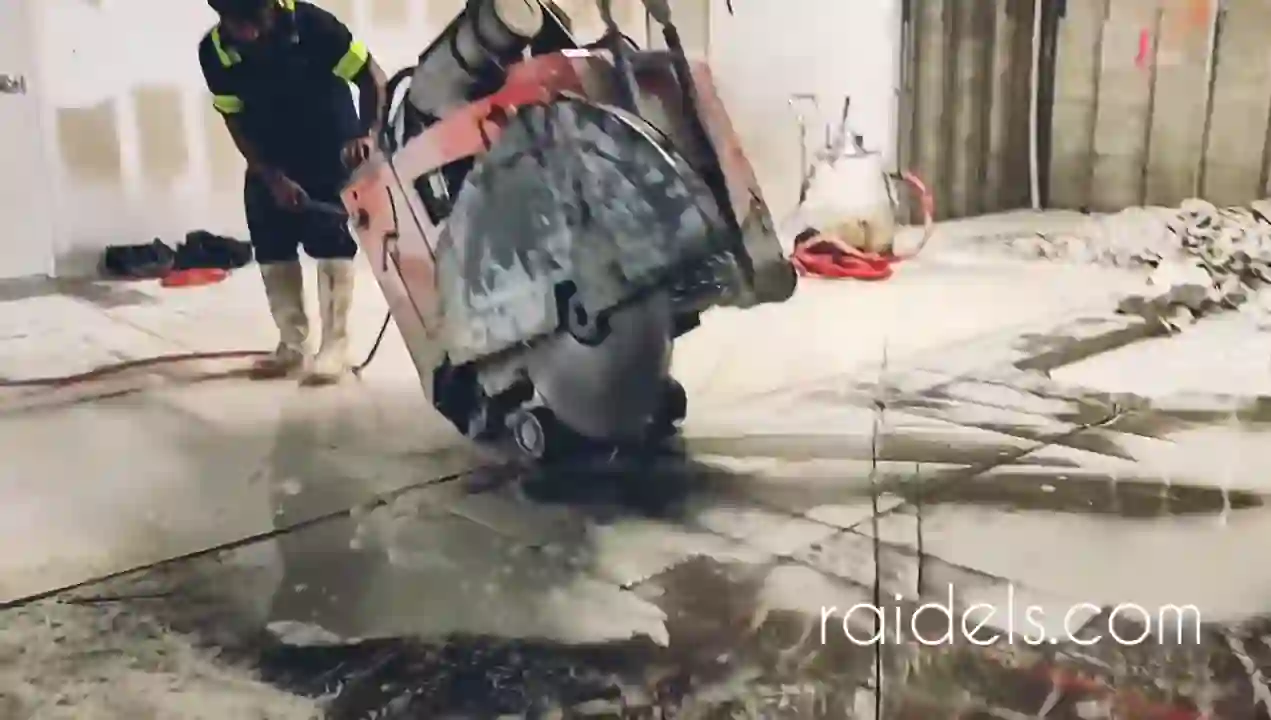
Sidewalk grinding uses a diamond grinding machine to shave the raised edge of a slab back down to level. The machine passes over the high spot, removing a controlled thickness of concrete with each pass until the two slabs meet flush. The result is a smooth transition instead of a lip that catches toes and wheelchair wheels.
The key is to grind the high slab down gradually and evenly so you do not create a dip or a slope that drains wrong. A skilled operator feathers the grind out over several feet so the correction is invisible to anyone walking on it. Concrete repair done this way blends into the existing surface.
Grinding Versus Replacement
Replacing a settled slab is sometimes the right answer, but it is almost always the expensive one. Replacement means sawing out the slab, hauling it, forming, pouring, and waiting for cure, and the new slab may settle again if the soil underneath is not fixed. Grinding only works when the problem is a raised edge, not a deep settlement or a broken slab.
The rule of thumb is simple. If the slab is intact and only the edge is raised, grind it. If the slab is cracked, sunken several inches, or heaved by roots, replacement or mudjacking is the better call. A quick look tells us which one you need.
Tree Roots, Settling, and the Real Cause
Sidewalk slabs lift for a reason, and grinding the symptom without addressing the cause means you may be grinding again in a few years. Tree roots push slabs up from below, and settling soil lets slabs drop. In Miami, our sandy, high-water-table soils settle more than people expect.
Sometimes the answer is to grind now and address the root or the soil later. Other times the root has to go first or the slab will just keep moving. We will tell you what is driving the lift so you are not chasing the same problem every season.
Dust Control on a Public Sidewalk
Grinding concrete creates dust, and on a public sidewalk that dust blows onto neighbors and pedestrians. We run water or vacuum dust collection on the grinder to keep the silica down and the area clean, which is both a courtesy and a compliance requirement under silica exposure rules.
We also section off the work area and clean up the slurry so the sidewalk is safe and dry when we leave. A ground slab with a dusty mess left behind is not a finished job.
Grinding Is Only Half the Fix
Grinding a raised sidewalk edge down to grade solves the trip hazard, but it does not solve whatever lifted the slab in the first place. If a tree root pushed the slab up, the root is still there, and the slab will keep moving. If the soil settled and dropped the neighboring slab, the settling may continue. Grinding the symptom without understanding the cause means you may be back on the same sidewalk in a couple of years.
That is why a good sidewalk job starts with a look at why the slab moved. Sometimes the answer is simple, grind now and monitor the tree. Other times the root has to come out first, or the settled slab needs mudjacking before grinding makes any sense. We tell you which one you have so you are not paying for the same fix twice.
Sidewalk Grind Versus Replace Decision Points
- Raised edge only: grind it, fast and cheap.
- Intact slab, sunken neighbor: consider mudjacking the low slab.
- Cracked or broken slab: replacement is usually the better call.
- Root heave: address the root or the slab will move again.
- Deep settlement: grinding cannot fix a slab that dropped inches.
The right call saves you money and keeps the sidewalk safe for the long term. A quick look tells us which path you are on.
Grinding a Miami Sidewalk Without the Mess
The difference between a sidewalk grinding job done right and one done wrong is mostly in the dust and the cleanup. Grinding concrete produces fine silica dust, and on a public sidewalk that dust blows onto the street, the neighbors, and anyone walking by. A professional runs the grinder with water or vacuum dust collection, keeping the dust down and the area clean while the work happens.
The cleanup is the other half. After the grinding, the slurry and the dust have to be removed so the sidewalk is safe and dry when we leave. A job that leaves a film of concrete dust on the walkway is not finished, and it is a sign the contractor cut a corner. The finish is part of the work, not an extra.
On a residential street, the neighbors notice the difference immediately. A clean grind is quiet, contained, and quick, and the only sign we were there is a smooth, level sidewalk. That is the standard we work to, because a sidewalk is a public surface, and the job should leave it better than we found it, not dustier.
The finish matters more than most property owners expect. A ground edge that is left rough will still catch a heel or a wheelchair wheel, and it looks unfinished next to the rest of the walk. We follow the rough grind with a finer pass so the transition is smooth to the touch, not just level. The difference between a shaved edge and a finished one is a second pass with a finer diamond, and it is the difference between a repair that lasts and one that gets called out by an inspector.
There is also the question of matching the repair to the surrounding concrete. Newly ground concrete is lighter than the weathered slab around it, and it takes a season or two to blend in. That is normal, but it is worth knowing before the job so you are not surprised when the fixed edge looks fresh for a while. The important thing is that the concrete repair is level and safe, and the color will catch up with time and sun.
For a commercial property, the stakes are higher. A trip-and-fall claim on a public sidewalk can dwarf the cost of grinding, and an ADA inspection that finds a raised edge becomes a citation. Property managers treat sidewalk grinding as routine maintenance for exactly this reason, and scheduling it proactively is far cheaper than reacting to a claim. A level walk is a legal requirement, not a nicety.
We also check the surrounding slabs while we are there. A raised edge is often the first sign the soil underneath is moving, and the neighbor slabs may be next. Catching the pattern early means you can repair the concrete once instead of grinding the same walk every year, and a quick look at the whole run tells you whether you need a single crack repair or a larger plan.
Get Your Sidewalk Level and Safe
If you have a raised sidewalk slab on your Miami property, do not wait for a claim to force the issue. Grinding is fast, affordable, and it removes the hazard the same day.
Call us for a look. We will tell you whether grinding, replacement, or root work is the right fix, and we will get your sidewalk back to level and safe for everyone who walks it.