Concrete Demo Is a Plan, Not a Free-for-All
When someone says concrete demo, the mental image is a wrecking ball and a cloud of dust. In reality, most concrete demolition in Miami is selective, surgical, and carefully planned, because the concrete you are removing is usually attached to concrete you need to keep. The difference between a clean demo and a disaster is the plan that comes before the first cut.
 Concrete Cutting Miami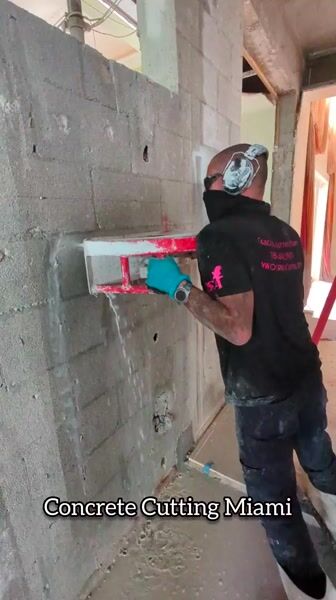
Selective demolition means removing part of a structure while protecting the rest. That could be cutting out a section of slab, opening a wall for a new door, or removing a pool deck while the pool shell stays. Controlled demolition methods are what keep a small job from turning into a structural problem.
Cutting Versus Breaking, and When to Use Each
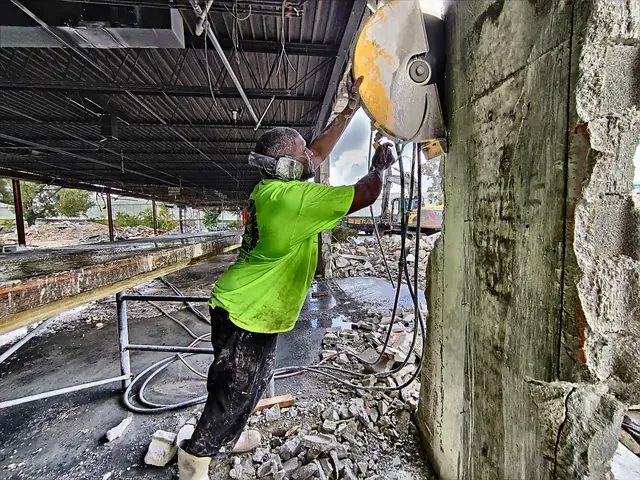
Concrete can be removed by cutting it or by breaking it, and the choice matters. Cutting with a diamond saw gives you clean, straight edges and is the right call when the remaining concrete has to look finished or when you are removing part of a slab. Breaking with a hydraulic breaker or jackhammer is faster and cheaper for full removal where the edges do not matter.
On most jobs we do both. We saw the perimeter to define a clean line, then break within that line for speed. It is the same reason a carpenter scores wood before snapping it. The cutting-versus-breaking decision sets the tone for the whole job.
Dust, Slurry, and the Compliance Reality
Concrete demo in Miami-Dade runs under real environmental rules. Silica dust from dry cutting and breaking is a health and regulatory issue, and the slurry from wet sawing cannot just wash into a storm drain. We run dust collection and water suppression, and we capture slurry for proper disposal.
This is not optional paperwork. Silica dust control is enforced, and a demo crew that ignores it is putting your job, and their workers, at risk. A professional quote includes dust control because it is part of the job, not an add-on.
What Is Under the Slab Changes Everything
Before any concrete demo starts, we scan for what is inside and underneath. Rebar changes the equipment and the price. Post-tension cables are dangerous to cut. Utilities and plumbing lines are expensive to hit. A ground-penetrating radar scan is cheap compared to a severed gas line.
This is the step the low bidder skips, and it is the step that protects you. I have seen a simple patio demo turn into a five-figure repair because no one scanned for the electrical conduit running under the slab. The scan is the cheapest insurance on the job.
Disposal and Debris Hauling
Concrete is heavy, and it has to go somewhere. Demo crews haul the broken concrete to a facility that recycles it into road base and fill, which keeps it out of the landfill and, in many cases, lowers disposal cost. The hauling is a real line item, and the distance to the dump site affects your quote.
Ask where the debris goes before you sign. A contractor with a clean answer and a real disposal plan is a contractor who does this professionally. Concrete removal costs and timelines break down cleanly once disposal is accounted for.
Protecting the Structure You Are Keeping
The hardest part of selective demo is not the removal, it is the protection. Vibration from breaking travels through concrete and can crack the slab or wall you are keeping. That is why we saw relief cuts to isolate the section being removed, so the shock does not telegraph into the rest of the structure.
On occupied buildings, we also protect finishes, seal off the work area, and control the dust so the rest of the property stays livable. A demo crew that works clean is a demo crew that gets called back.
The Difference Between a Demo Crew and a Real One
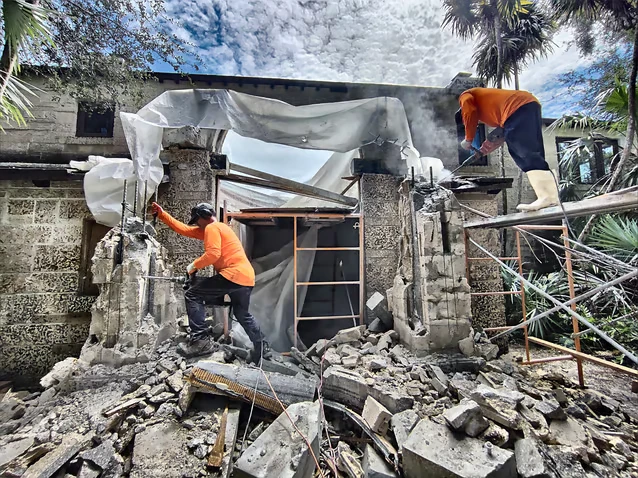
Anyone can rent a breaker and start hammering concrete, which is exactly why so many demo jobs go wrong. A real concrete demo crew shows up with a plan, not just equipment. They scan before they cut, they isolate the section being removed, they control the dust and the slurry, and they haul the debris away. The hammering is the easy ten percent of the job.
You can usually tell the difference in the first ten minutes. A professional walks the site, confirms the cut lines, checks for utilities, and explains what is about to happen. A hack starts the breaker and figures it out as he goes. One of those approaches protects your property, and the other one does not.
The Plan a Professional Brings
- Pre-demolition scan: locate rebar, cables, and utilities before cutting.
- Relief cutting: saw the perimeter so vibration stays contained.
- Dust suppression: water or vacuum collection on every breaking operation.
- Slurry capture: keep the wet cutting waste out of the storm drains.
- Disposal routing: a permitted facility and a truck that shows up on time.
That is the checklist of a crew that does this for a living, and it is what you are paying for. Concrete demo is not complicated, but it is unforgiving when you skip the basics.
What a Demo Job Looks Like From Start to Finish
Understanding the sequence of a concrete demo job helps you know what to expect and spot a contractor who is cutting corners. The job starts with the scan and the layout, where we locate what is inside the concrete and mark the cut lines. Then comes the sawing, where we cut the perimeter to isolate the section being removed. After that, the breaking, where the isolated section is broken into haul-away pieces.
The hauling follows, with the debris loaded and trucked to a recycling facility, and finally the cleanup, where the dust is controlled, the slurry is captured, and the site is left ready for the next phase. Each step has to be done in order, and skipping one, usually the scan or the dust control, is where demo jobs go wrong.
The sequence also explains the timeline. A small demo is a day, a larger one is several, and the hauling and cleanup are as much of that time as the breaking. A contractor who promises it will all be done in an afternoon is either doing a very small job or planning to skip steps, and neither is a good sign.
Site protection is the part of the plan that separates a real demo crew from a couple of guys with a breaker. Floors get covered, adjacent finishes get protected, and the work area gets sealed so the dust does not migrate through the building. On an occupied property, that protection is the difference between a clean demo and a remodel you have to pay to clean up afterward.
The debris path is planned too. Broken concrete does not get thrown out a window or piled in a hallway, it gets loaded into carts or onto a chute and hauled to the truck on a defined route. That logistics is why removal costs and timelines are more about access and hauling than about the breaking itself. A crew that has the route figured out before the first cut is a crew that finishes on time.
The permit is the last piece people forget. Structural demolition in Miami-Dade often needs a permit, and a contractor who suggests skipping it is setting you up for trouble when you sell or when something goes wrong. A real demo crew handles the paperwork and the permit as part of the job.
Get a Concrete Demo Plan Before You Start
If you have concrete to remove in Miami-Dade or Broward, start with a plan, not a hammer. We will tell you what should be cut, what should be broken, what is underneath, and what it should cost.
Concrete demo done right clears the way for your project and leaves everything else intact. Call us and we will walk the site and give you a straight answer before anything gets torn out.