Precision Concrete Cutting What Tight Tolerance Really Means
Precision concrete cutting is the difference between an opening that frames perfectly and one that needs a day of patching. It is cutting to a tolerance measured in fractions of an inch, with edges square enough to build against and dimensions accurate enough that a door, window, or machine fits the first time. It is not a different tool; it is a different standard of work.
In Miami, precision cutting matters on everything from elevator shafts and structural openings to the machine bases and utility penetrations that fill commercial buildings. Let me walk through how that precision is actually achieved.
Track-Mounted Saws Are the Foundation of Precision
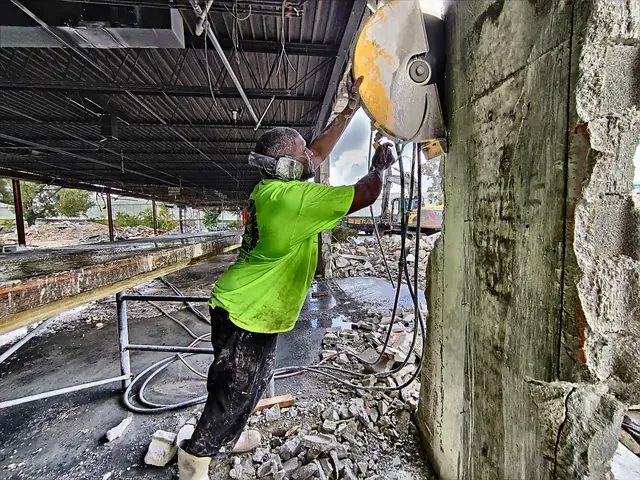
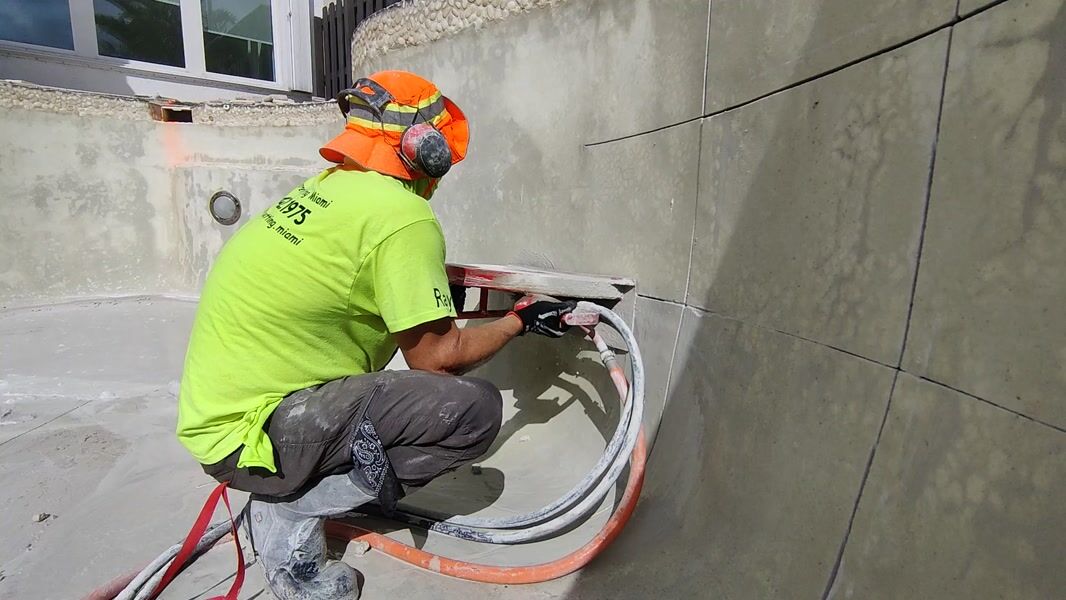
The single biggest factor in precision concrete cutting is the track-mounted saw. A track saw bolts to the wall or floor, and the blade rides a fixed rail, so the cut is perfectly straight and square by design. The track removes the human wobble that a hand-held saw introduces, and that is what makes a door opening land within a fraction of an inch.
Wall sawing for vertical openings and flat sawing for slabs both rely on the track for accuracy. The setup takes longer than freehand cutting, but the result is a cut you can build against. Our guide to wall sawing shows how the track system works.
The Blade and the Setup Matter as Much as the Machine
Precision is not just the track; it is also the blade and the setup. The blade has to be matched to the aggregate and the reinforcement, because a blade that wanders or glazes produces a cut that drifts off line. In Miami’s coral aggregate, the right bond keeps the blade cutting true without deflecting.
The setup matters too. The saw has to be leveled and aligned before the cut, and the operator has to check the line throughout. A precise cut is the result of a careful setup and constant attention, not just a good machine. Our guide to blade selection explains how the blade affects the cut.
Square Corners and the Chainsaw Finish
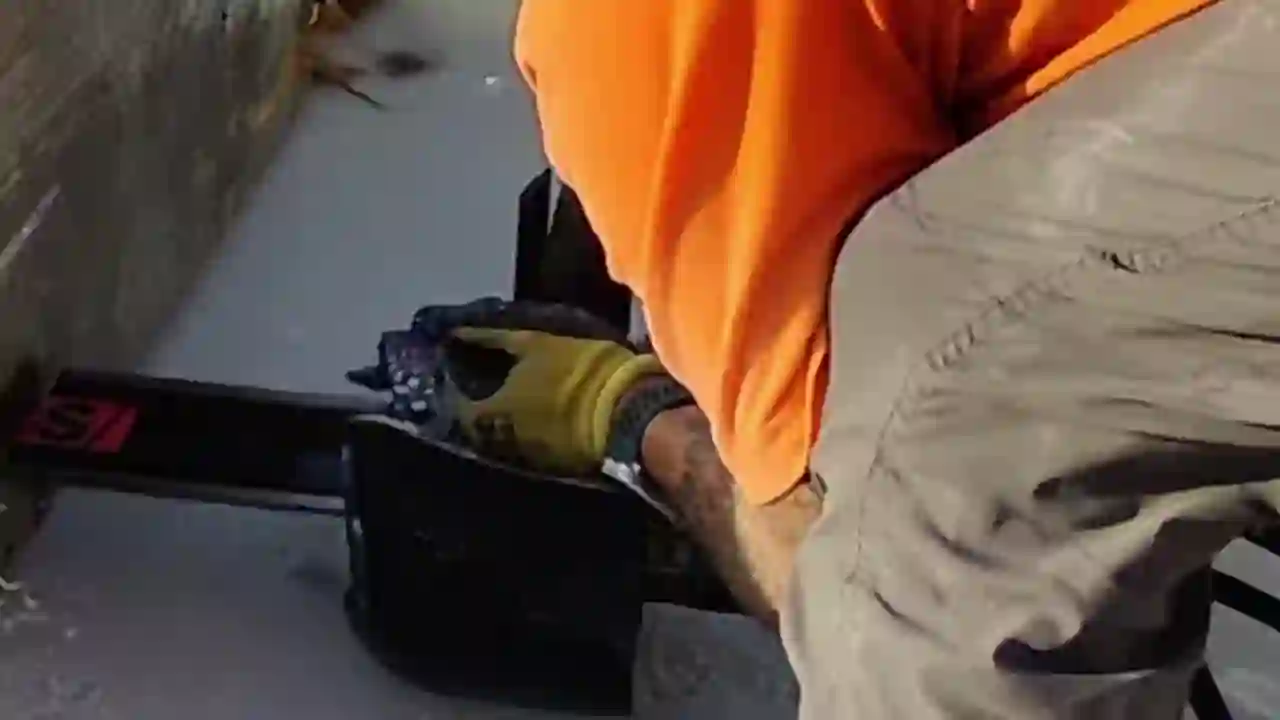
A round blade cannot cut a square inside corner, which is a problem when the opening needs to be truly square. Precision work finishes the corners with a concrete chainsaw or a hand tool, cutting the last inch of each corner square. This is the step that turns a good opening into a precise one.
It is a small detail with a big payoff. A square corner means the door frame or window fits tight, and the finished opening looks sharp. Our guide to concrete chainsaws covers how the corners get finished.
Why Precision Matters on Structural Work
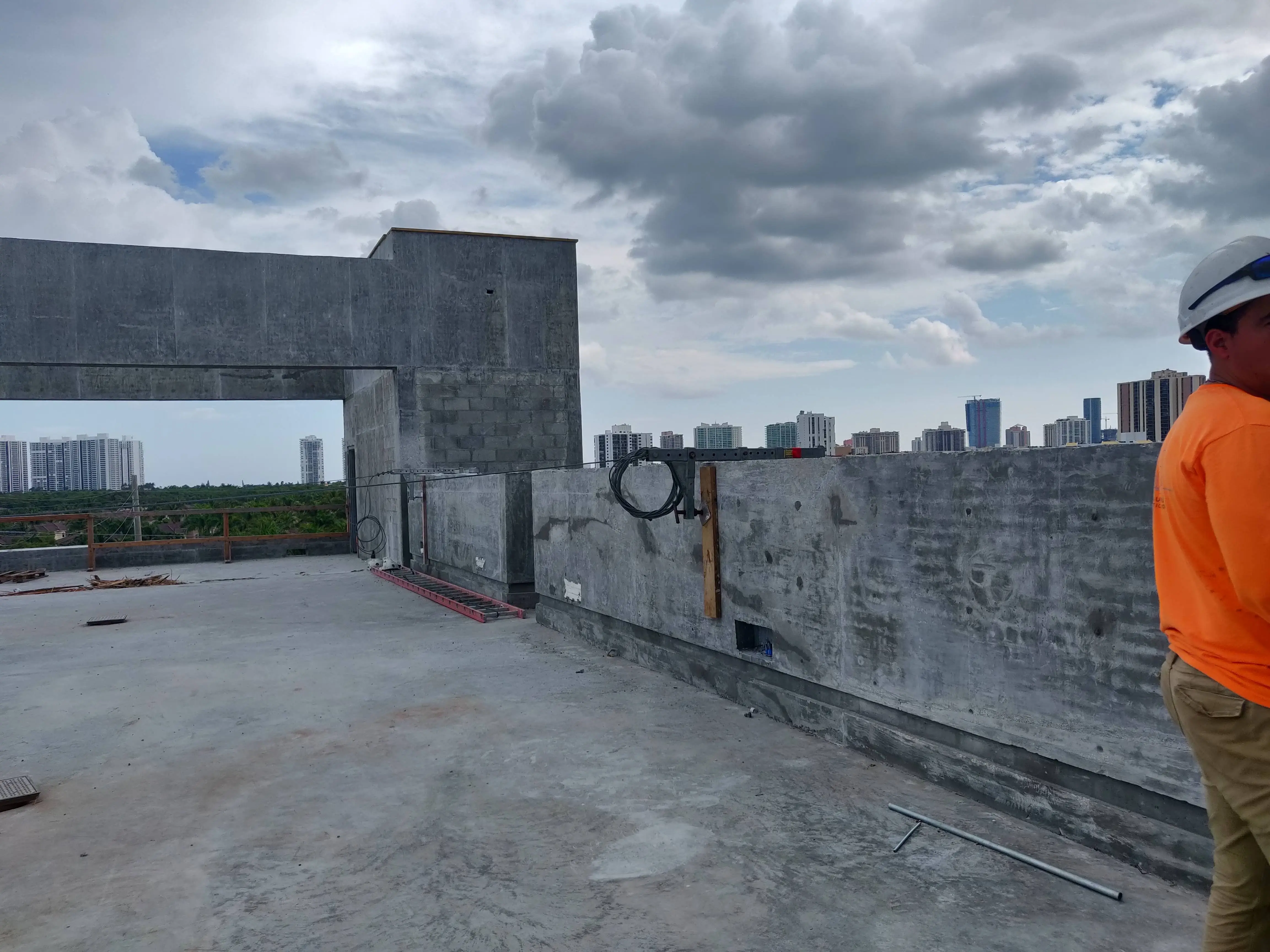
On structural openings, precision is not cosmetic; it is structural. An opening that is cut too large or out of square changes how the header and the surrounding wall carry load. An opening cut precisely, to the engineered dimensions, keeps the structure working as designed.
This is why structural cutting is done by specialists who work with engineers and cut to the drawings. The tolerance is part of the design, and hitting it is part of the job. Our guide to structural wall removal explains the stakes.
Measuring and Laying Out the Cut
Precision starts before the saw, with the layout. The opening is measured, marked, and checked against the plans, and the track is set so the cut lands exactly where the design says it should. A layout error of even a quarter inch compounds through the framing and the finish work, so the measuring is done carefully and checked twice.
On structural work, the layout is checked against the engineering drawings, because the opening dimensions are part of the design, not a preference. The saw is then set to cut to those dimensions, and the operator checks the line as the cut progresses. This front-end discipline is what makes the rest of the job fall into place. Our guide to concrete scanning explains how the layout is verified against what is inside the concrete.
Where Precision Matters Most
Precision is always nice, but there are places where it is essential. A structural opening that will carry a header has to be cut to exact dimensions, because the header and the wall depend on it. A machine base that an industrial machine will be bolted to has to be flat and square, because the machine’s alignment depends on it. An elevator shaft has to be plumb, because the car rides in it.
In these applications, a rough cut is not a cosmetic issue; it is a failure. The tolerance is part of the specification, and hitting it is the whole point of the job. Our guide to structural wall removal covers the applications where the tolerance is non-negotiable.
Machine Control and the Skilled Hand
The track-mounted saw removes the wobble, but the operator is still the difference between a good cut and a great one. The operator reads the concrete, adjusts the feed for the reinforcement, manages the water, and watches the line through the whole cut. The machine provides the precision; the operator provides the judgment that keeps the cut on target.
That is why the best precision work comes from operators who have cut the same kind of concrete hundreds of times. They know how the coral aggregate behaves, how the blade reacts to rebar, and how to recover when the cut drifts. Our guide to what professional concrete cutters do explains the human side of precision.
Precision in concrete cutting comes down to setup, not just skill. A precise cut starts with a saw that is dialed in, a blade that is true, and a track or guide that holds the line, because the saw can only be as straight as its setup. That front-end discipline is why a precision cut can hold a tolerance of a fraction of an inch, and why it costs more than a rough cut.
The payoff shows up in the work that follows the cut. A door or window opening that is square and true frames cleanly, a trench with straight walls patches invisibly, and a machine opening that is sized exactly means the equipment drops in without shimming. The precision you pay for on the cut is money you save on every trade that comes after it. Cut it right once, and nothing downstream has to be fixed.
Precision also means clean, and the two are connected. A cut that holds a tight tolerance is useless if the edges are ragged or the slurry has run everywhere, so a precision job pairs the accurate cut with proper water control and a clean finish. The operator who can hold the line is also the operator who manages the blade and the slurry, because precision is a habit that shows up in every part of the job, not just the measurement. When the opening is square and the site is clean, you are looking at precision, not luck.
In the end, precision is a system rather than a single skill, and that is what you are paying for. It is the right saw, the right blade, a square setup, and an operator who checks the line constantly. Any one of those pieces missing is how a precise job becomes a rough one, so hire the crew that brings the whole system.
What Precision Costs and Why It Is Worth It
Precision concrete cutting costs more than rough cutting, because it takes better equipment, more setup time, and a more skilled operator. But the precision pays for itself in the work that follows: faster framing, fewer patches, and a cleaner result. If your project has a door, a window, a machine, or a structural opening, pay for the precision. It is the difference between a cut that fits and one you have to fix.