Pool Demolition Companies in Miami Are Not All the Same
Hiring pool demolition companies in Miami is a decision that sticks with your property for decades. The pool is being removed so the land can be used for something else, and how that removal is done, especially the fill dirt and the compaction, determines whether the ground settles, whether the yard drains, and whether you can build on it later. This is not a job to hand to the lowest bidder.
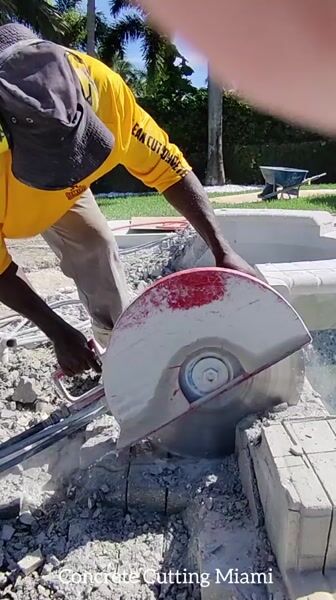
Miami adds its own wrinkles: a high water table, specific fill requirements, and permitting that varies by municipality. Let me walk through what to look for before you hire.
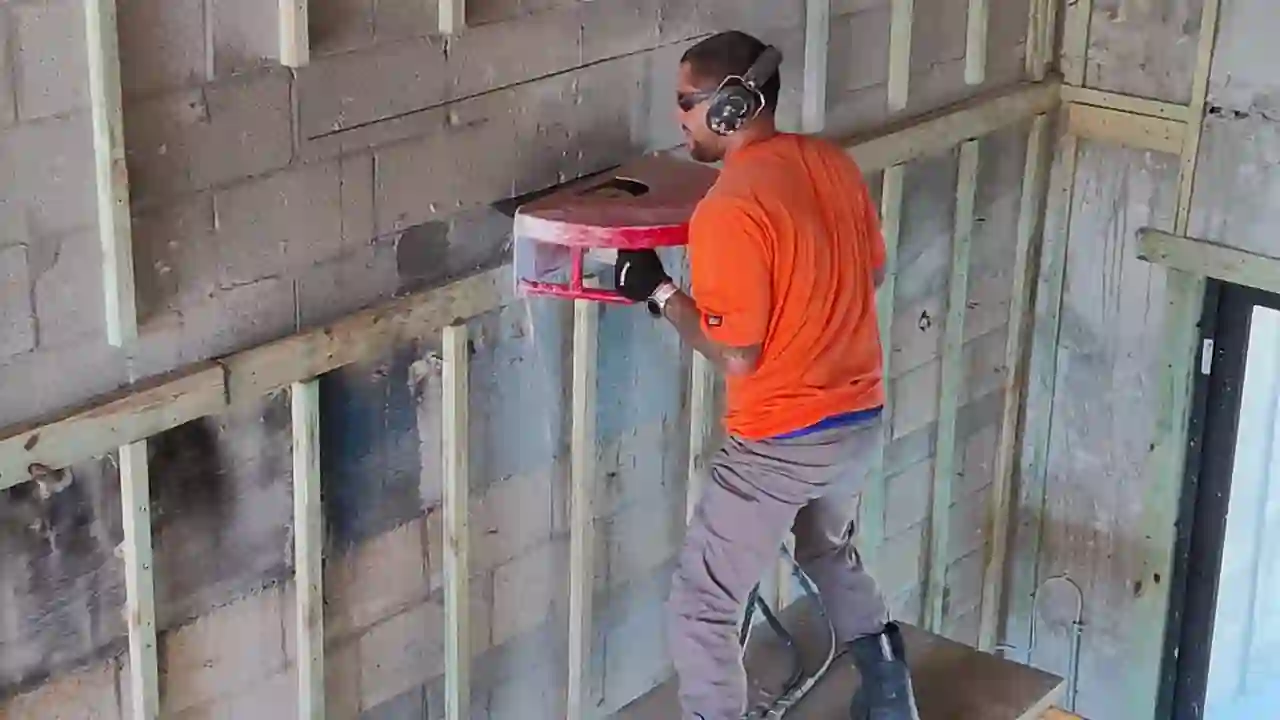
Verify Licensing, Insurance, and Pool Experience
The first thing to confirm is that the company is licensed and insured, and that pool demolition is a core part of what they do, not a side job. Pool removal involves breaking a concrete shell, managing the water table, and importing and compacting fill dirt, and a general demolition crew does not always have that specific experience.
Ask how many pools they have removed and whether they handle the permitting. A specialist will talk you through the process without hesitation. Our guide to choosing a demolition company covers the licensing and experience questions in depth.
The Fill Dirt Question That Reveals Everything
The single most revealing question you can ask a pool demolition company is where their fill dirt comes from and how they compact it. A professional has a source for clean, engineered fill and a compaction plan, usually in lifts with each lift compacted before the next. A cheap operator brings whatever dirt they can find and dumps it in, and that is how you get a yard that settles and sinks for years.
Fill dirt is not just dirt. It has to be clean, free of debris, and compatible with the site, and in Miami the high water table means the fill and compaction have to be done carefully to avoid future settlement. Our guide to filling in a pool explains what proper fill and compaction actually involve.
The Water Table and Why It Changes the Job
Miami’s high water table is the factor that trips up pool demolition more than any other. When you break a pool shell, groundwater can seep in, and the fill has to be placed and compacted in conditions that are often wet. A company that does not understand the water table will struggle, and the result can be a poorly compacted fill that settles later.
This is why local experience matters so much. A Miami pool demolition company has dealt with the water table on hundreds of jobs and plans for it from the start. They know how to dewater if needed, how to place the fill, and how to leave a stable, buildable site. For the full picture, our guide to swimming pool demolition covers the water table factor.
Full Removal Versus Partial Fill
One of the first decisions is whether to fully remove the pool or do a partial fill. Full removal takes out the entire shell, which leaves a buildable site and is often required if you plan to build on the spot. A partial fill breaks up the bottom of the shell, fills it, and covers it, which is cheaper but leaves restrictions on what you can do with the land.
The right choice depends on your plans for the property. If you might build an addition, a full removal is usually required. If the space will be a lawn or garden, a partial fill can work. A good company walks you through the tradeoffs rather than pushing one option. Our guide to partial pool removal explains the difference.
Questions That Reveal How They Work
The best way to compare pool demolition companies is to ask the same pointed questions and listen to the answers. Where does your fill dirt come from, and how do you compact it? How do you handle the water table on a site like mine? Have you pulled permits in this specific municipality before? A professional answers these in specifics, because they have done the job dozens of times and know exactly how each step works.
A company that gives vague answers, or that treats the fill and compaction as an afterthought, is telling you something important about how the job will actually go. Pool removal is one of those trades where the quality is hidden underground, so the questions are the only way to see what you are really getting. Our guide to swimming pool demolition in Miami covers the questions that separate the pros from the rest.
Timelines and the Miami Permitting Calendar
Pool removal is not a one-day job, and the timeline is shaped by permitting and inspection schedules that vary by municipality. Between the permit, the demolition, the fill and compaction, and the final inspection, a full removal can span weeks, and the weather can stretch it further. A good company lays out that timeline up front so you know what to expect.
Beware the company that promises an unrealistic turnaround, because a rushed pool removal is usually a sloppy one, with fill that was not compacted and corners that were cut. The permitting and inspection process exists for a reason, and a contractor who respects it is one who will leave you with stable land. Our guide to getting rid of an inground pool covers the realistic timeline.
Insurance and the What-Ifs
Pool demolition is heavy, dangerous work, and the insurance question matters more than most homeowners realize. A legitimate company carries liability insurance and workers compensation, and they can show you the certificates. If a worker is hurt on your property and the company has no coverage, the liability can land on you, which is a risk no pool removal is worth.
Ask for the certificates before you sign, and confirm they are current. The same goes for the contract, which should spell out what happens if the fill settles or something is damaged during the work. A company that stands behind its work has no problem putting the protections in writing. Our guide to choosing a demolition company covers the insurance and contract details.
Pool demolition is specialized enough that you want a company that does it regularly, not a general contractor adding it to a remodel. The work involves breaking out the shell, managing the water table, and either hauling the debris or filling the hole per code, and each of those has its own permits and inspections. A company that removes pools weekly knows the sequence and the inspectors, and that shows up in the schedule.
Ask whether the company handles the fill and compaction or expects you to. A proper pool removal ends with the hole backfilled in lifts and compacted so the ground does not settle into a depression later, and that fill work is often the difference between bids. The cheapest quote frequently leaves the fill to you, and a hole that settles is a problem that shows up in your yard for years.
The permit is the thing to verify before you sign, because a pool removal is not a casual demo. Miami-Dade requires permits and inspections for removing or filling a pool, and a company that skips them saves itself time and leaves you with an unpermitted hole that complicates a future sale. A legitimate company pulls the permit and can tell you exactly which inspections will happen and when. That paperwork is part of the job, not a hassle you should have to ask about.
Get It All in Writing
Before you sign, get the scope in writing: the removal method, the fill source and compaction plan, the permitting, the haul-off, and the price. A clear scope tells you whether the company understood the job, and it protects you if the ground settles later. Choose the company with the experience, the clean fill source, and the water table knowledge, and your pool removal will leave you with land you can actually use.