Why Drainage Is the Hardest Part of a South Florida Parking Lot
South Florida gets sudden, heavy rain, and the water table sits close to the surface, so a parking lot that drains poorly becomes a pond after every afternoon storm. Standing water is more than an inconvenience, it is a slip hazard, a liability, and a slow destroyer of the asphalt and concrete. Getting the drainage right is the difference between a lot that works and a lot that floods.
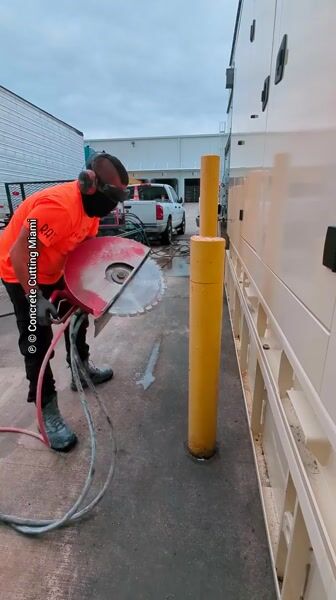
The challenge is that the ground does not absorb much, and the flat terrain gives water nowhere to go. That is why engineered drainage, the catch basins, the trench drains, and the slope, is designed into the lot from the start. When it fails or was never right, concrete trenching is how we put it back.
The Anatomy of a Parking Lot Drainage System
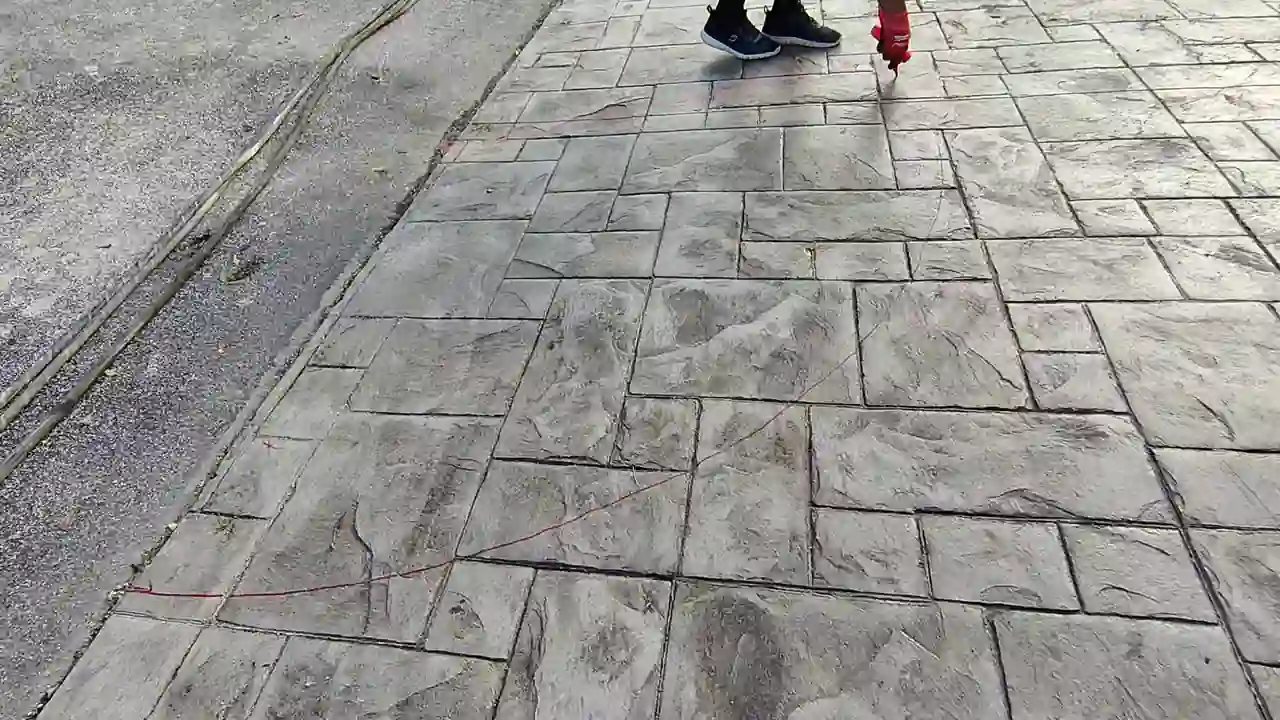
A working lot drains by grade and by collection. The surface is sloped so water runs to low points, where catch basins and trench drains capture it and pipe it to the stormwater system. The slope is subtle, usually a fraction of a percent, but it has to be consistent or water ponds in the low spots.
Over time, settling changes that slope. A section of the lot sinks, the grade reverses, and suddenly water runs the wrong way and sits. Finding those spots and fixing them is where commercial concrete cutting comes in.
Trenching New Drains Into an Existing Lot
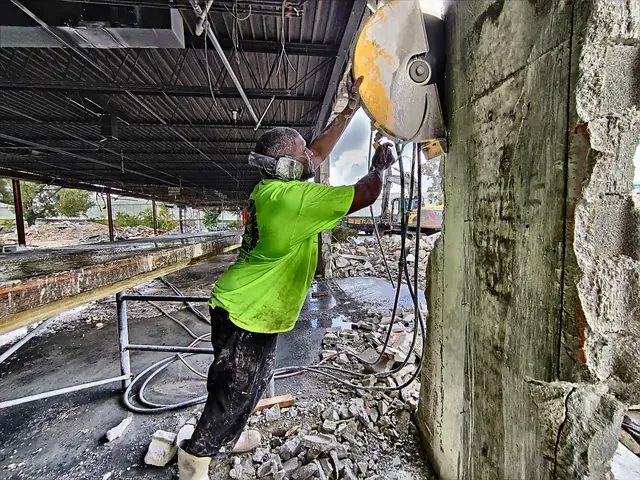
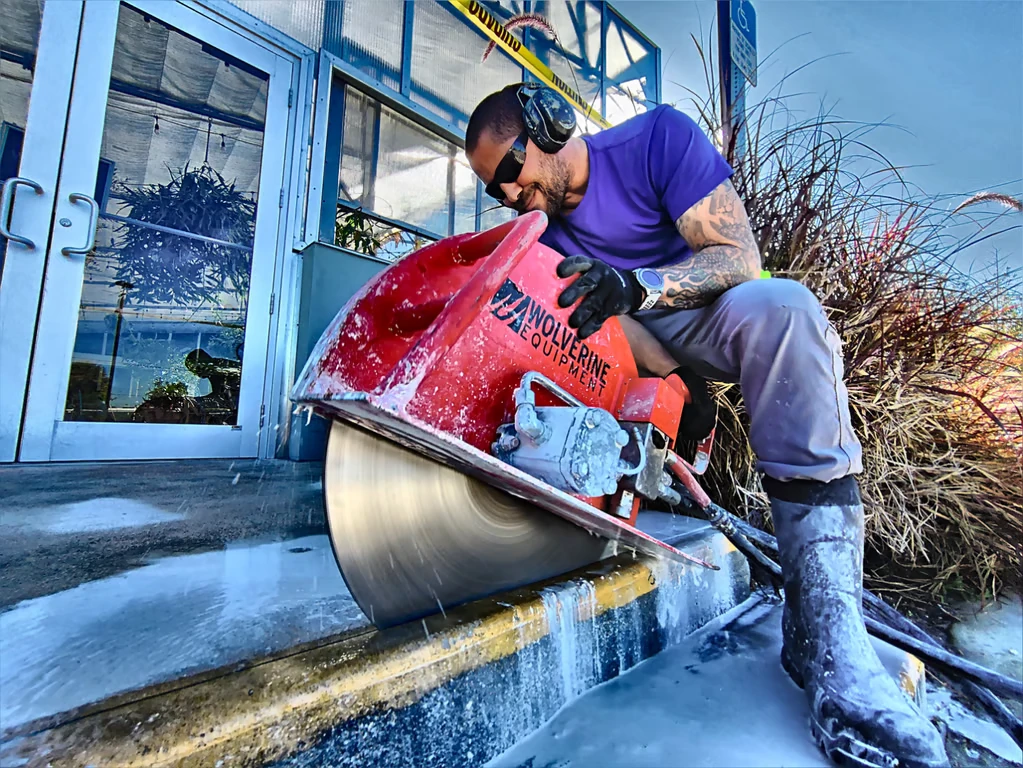
When a parking lot needs a new trench drain or a new pipe run, we cut a clean trench through the concrete or asphalt with a flat saw. The trench is sawed to the exact width and depth the pipe and grate need, and the clean edges make the repair simple and watertight.
Saw-cutting the trench is far better than breaking it open with a breaker, because the clean lines mean a clean patch and less disturbance to the surrounding lot. The saw also cuts through any rebar in the slab cleanly, where a breaker just fights it.
Regrading and Re-sloping
Sometimes the fix is not a new drain but a new slope. We cut out the settled section of the lot and re-pour it at the correct grade so water flows to the existing drains. This is a surgical repair, not a full replacement, and it restores drainage without tearing up the whole lot.
The key is getting the grade right, which takes careful layout and a flat saw that can cut a clean line for the new pour. A lot that slopes a fraction of a degree wrong will still pond, so the layout is everything.
Managing the Water While You Work
Drainage work in South Florida means working around water. The trench fills with groundwater, the rain does not stop for the job, and the slurry from sawing has to be contained so it does not wash into the storm system. We manage all of it, and slurry and sediment control is part of the plan, not an afterthought.
A drainage repair that pollutes the storm system while fixing a ponding problem defeats the purpose, and it is a compliance violation in Miami-Dade.
Keeping the Lot Open While You Fix It
For a retail or commercial property, shutting down the parking lot is expensive, so drainage work has to be phased. We cut and repair in sections, keep the traffic flowing where possible, and schedule the loudest work to minimize disruption to the business.
A commercial property in Brickell or Doral cannot afford a closed lot, and the right contractor works around the business. Navigating commercial work in Miami is as much logistics as it is cutting.
Why South Florida Lots Fail Faster
South Florida parking lots age faster than lots anywhere else in the country, and it is not just the sun. The combination of a high water table, sandy soil, and daily thunderstorms works against the pavement year-round. Water sits on the surface, seeps into the base, and washes away the support, which is how you get settling, cracking, and the low spots where water ponds.
Once a low spot forms, it feeds itself. Water pools in the low spot, more water seeps in, the base erodes further, and the low spot gets lower. The fix is to break that cycle, either by regrading the surface, adding a drain, or both. The longer a ponding problem sits, the more expensive the repair, which is why drainage issues are worth catching early.
Signs Your Lot’s Drainage Is Failing
- Ponding after storms: water that sits for hours after the rain stops.
- Cracks around low spots: the pavement flexing as the base erodes.
- Clogged catch basins: water backing up because the drains are blocked.
- Settling near drains: the grade has shifted and water runs the wrong way.
- Vegetation in cracks: moisture and soil working up through the pavement.
Any of these is a signal to look before the problem gets bigger. A drainage fix done early is a fraction of the cost of a full repave later.
Drainage Repair Versus Full Repave
The drainage question on a South Florida parking lot is often repair versus repave, and the answer is not always obvious. If the lot is structurally sound and the problem is a low spot or a failed drain, a surgical repair, regrading the low area or cutting in a new drain, is usually the right and far cheaper call. If the base is failing and the pavement is cracked throughout, a full repave may be the only real fix.
The way to tell is to look at the whole lot, not just the ponding spot. A single low spot with sound pavement around it is a repair. Cracking and settling across the entire lot means the base is going, and patching one low spot will just move the water to the next one. An honest contractor tells you which situation you are in before recommending the work.
The repair route is where concrete cutting shines, because a new trench drain or a regraded section is cut into the existing lot cleanly, without tearing up the pavement that is still good. It is the difference between a targeted fix and a wholesale replacement, and it can save a property owner tens of thousands on a lot that only had one problem.
Grading is the detail that decides whether a drainage fix actually works. A lot that slopes a fraction of a degree the wrong way will pond no matter how many drains you add, because the water has to be able to reach the drain in the first place. We check the grade with a laser before we cut, and on a settled lot the fix is often as much about restoring the slope as it is about adding a drain.
The storm system connection is the other piece. A new trench drain has to tie into the existing stormwater system, and in South Florida that connection is regulated, because whatever the lot collects eventually reaches a canal or the bay. The trenching has to be cut so the pipe falls at the right grade to the tie-in, or the new drain backs up and the ponding moves somewhere else.
The base under the pavement matters as much as the surface. When water sits on a lot, it seeps into the base and washes away the support, which is how low spots form in the first place. Fixing the drainage without addressing the softened base means the low spot comes back. A proper repair drains the water and restores the base, and the commercial repair is done so it holds through the next storm season.
Get Your Lot Draining Again
If your South Florida parking lot ponds after every storm, call us. We will find the drainage problem, whether it is a failed grade, a clogged basin, or a missing drain, and we will cut the fix the right way.
A dry parking lot is safer, lasts longer, and keeps your customers coming back. Let us get the water moving off your lot.