Why Go Hydraulic
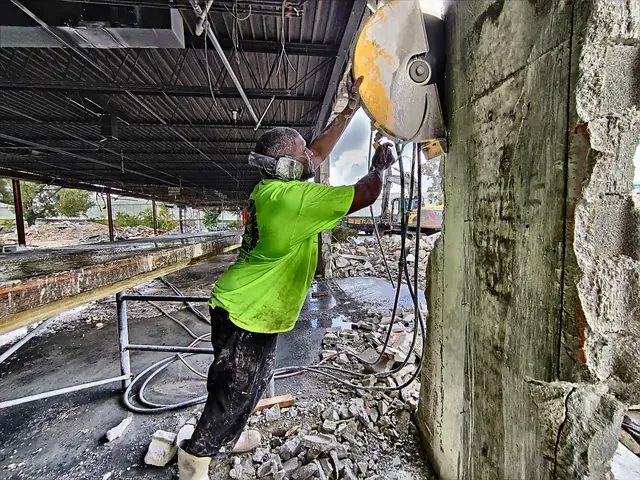
A hydraulic concrete hand saw trades the onboard engine of a gas saw for a hydraulic motor driven by a separate power pack. The payoff is more sustained power and torque, which translates to deeper cuts and faster cutting in tough, heavily reinforced concrete. Where a gas saw bogs down, the hydraulic saw keeps pulling.
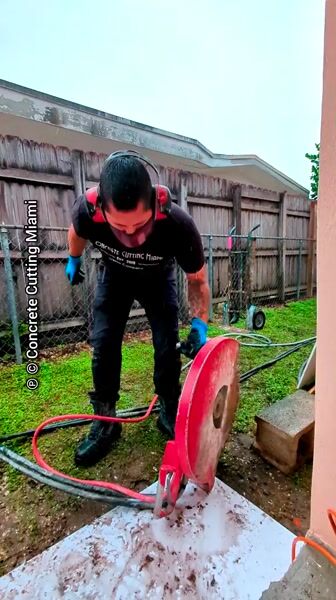
The trade-off is that the saw needs the power pack, which means a hose run and a second piece of equipment. That is fine on a big job, which is exactly where the hydraulic saw earns its keep. Hydraulic sawing is the heavy-duty option.
The Power Pack Is Part of the System
The hydraulic hand saw is one half of a system. The power pack, usually a diesel or electric unit, sits nearby and pushes hydraulic fluid through hoses to the saw. That separation is the secret to the power, the saw head is light and maneuverable because the engine is not on it, and the motor delivers constant torque without the RPM sag of a gas engine.
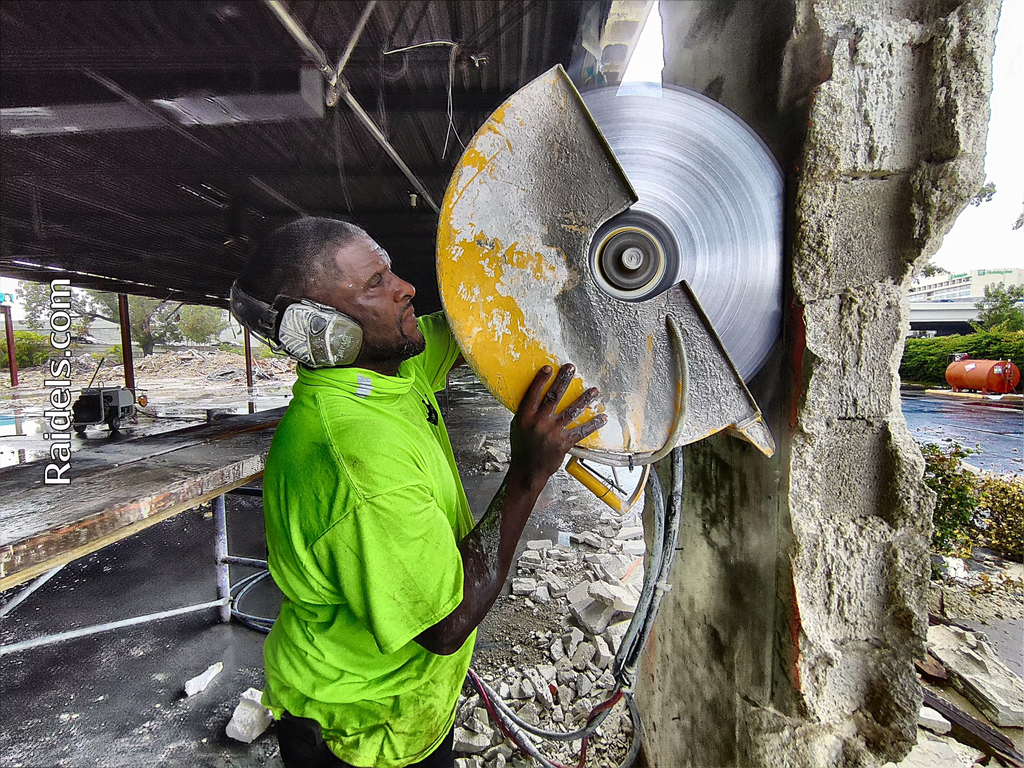
The hose length limits how far the saw can go from the pack, but on a job site that is rarely a problem. The pack parks, and the saw works the area around it.
Where the Hydraulic Hand Saw Shines
Deep cuts are the hydraulic saw’s specialty. A cut that would stall a gas saw, a thick wall, a heavily reinforced slab, a deep trench, the hydraulic saw handles it without overheating. It is the tool for the cuts where power matters more than portability.
It is also the choice for precision work in demanding conditions, because the constant torque means the blade speed stays steady through the cut, which gives a cleaner, straighter line. Hand sawing precision is what the hydraulic saw delivers under load.
Blades and Depth for Hydraulic Saws
The hydraulic hand saw runs the same diamond blades as a gas saw, but it can drive a larger blade effectively because of the steady torque. A larger blade means more cut depth, and the constant power means the blade does not glaze from a stalling engine.
Blade selection still matters, and the bond still has to match the concrete. The hydraulic saw does not forgive a wrong blade, it just powers through the mistake faster. Matching the blade is as important on a hydraulic saw as on any other.
Water, Dust, and Hydraulic Fluid
Hydraulic sawing runs wet, with water fed to the blade for cooling and dust control. The water keeps the silica down, which matters on the big commercial jobs where hydraulic saws are used. The hydraulic system itself is sealed, so there is no risk of fluid contaminating the cut.

The wet cutting keeps the job compliant with silica safety rules, and the constant power keeps the blade cool and the cut clean.
Is a Hydraulic Saw Right for Your Job
For most residential cuts, a gas or electric hand saw is plenty, and the hydraulic saw is overkill. But for deep cuts, heavy reinforcement, or long production runs, the hydraulic saw is faster and cleaner, and the extra setup is worth it.
We match the saw to the job, and when the job calls for hydraulic power, we bring it. The complete equipment picture is about having the right saw for the material and the depth.
Hydraulic Versus Gas on a Long Cut
The difference between a hydraulic hand saw and a gas saw shows up on the long cuts. A gas saw loses power as the engine heats and the RPM sags under load, so the cut slows and the operator works harder. A hydraulic saw gets constant torque from the power pack, so the blade speed holds steady from the first inch to the last, and the cut stays clean and fast.
That consistency is why hydraulic saws are the choice on production work, the deep cuts and the long runs where a gas saw would overheat or bog down. The setup is more involved, but on the jobs that need it, the hydraulic saw more than makes up the difference in speed and blade life.
Where Hydraulic Power Earns Its Keep
- Deep full-depth cuts: constant torque through thick concrete.
- Heavy rebar: the power to cut steel and concrete together.
- Long production runs: steady speed without engine sag.
- Demanding material: hard aggregate that stalls a gas saw.
The hydraulic saw is not the tool for every job, but it is the tool for the jobs where power is the limiting factor, and on those jobs nothing else keeps up.
The Setup Behind the Hydraulic Saw
The hydraulic hand saw is powerful, but the power comes with setup, and understanding the setup explains when the saw is worth it. The power pack has to be positioned, the hoses run, and the system warmed up before the cut starts. On a big job, that setup time is a rounding error against the cutting it enables. On a small one, it is overhead you do not need.
The power pack is a piece of equipment in its own right, and it needs a spot to sit, a way to get there, and a power source. On a job site with room to stage, that is easy. On a tight residential site, the pack and the hoses can be more trouble than the cut is worth, which is why the hydraulic saw is mostly a commercial and heavy-duty tool.
The payoff is the constant torque. Once the setup is done, the hydraulic saw cuts deep and steady, holding its blade speed through thick concrete and heavy rebar in a way a gas saw cannot. For the jobs that need that power, the setup is a small price. For the jobs that do not, a gas saw does the work with less fuss. Matching the saw to the job is the skill.
The hose run is the practical limit on a hydraulic saw. The saw can only work as far from the power pack as the hoses reach, and long hose runs lose pressure and get heavy to manage. On a big job the pack parks in a central spot and the saw works around it, but on a sprawling site the setup has to be planned so the saw is never fighting the hoses.
The constant torque is also what protects the blade. A gas saw that sags under load lets the blade slow down and glaze, which ruins the diamond and the cut. A hydraulic saw holds its speed, so the blade keeps cutting clean and lasts longer. On a long production run, that steadiness is the difference between a precise cut every time and a cut that wanders as the engine fights the concrete.
The maintenance of the hydraulic system is part of why this saw is a professional tool. The hoses have to be checked, the fluid kept clean, and the fittings tight, because a hydraulic leak under pressure is a serious hazard and a mess on the job site. A crew that runs these saws every week has the maintenance routine down, which is one more reason the hydraulic saw is not a casual rental. It is a precision tool that rewards the operator who knows it well.
When the cut has to be deep and the concrete is fighting back, hydraulic power is the difference between a clean pass and a stalled saw, and that is when the setup pays for itself.
Get the Deep Cut Done Right
If you have a deep, demanding concrete cut in Miami-Dade or Broward, call us. We will tell you whether hydraulic is the right tool, and if it is, we will bring the saw and the power pack and get the cut done clean.
A hydraulic concrete hand saw is the tool for the cuts that stop a lesser saw. Let us put it on your job.