Demolition in Fort Lauderdale Is a Different Market
Fort Lauderdale demolition work runs the full range, from tearing out a canal-front home to selective interior demo in a high-rise condo. The common thread is that this is a regulated, coastal market where the right contractor is licensed, insured, and experienced with the local rules, and the wrong one is a liability waiting to happen.
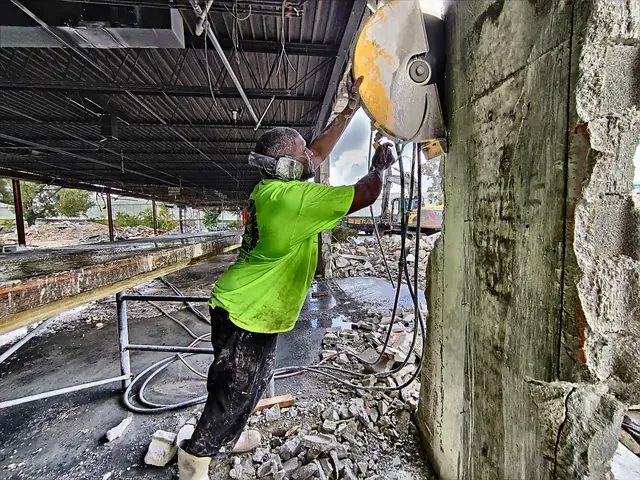
Hiring a demolition contractor here is not the same as hiring one inland. Coastal properties bring water access, tight lot lines, and storm-hardened construction, and a contractor who has only done inland work will be learning on your dime. Concrete cutting across South Florida rewards local experience.
Licensing and Insurance Are Non-Negotiable
The first thing to check on any demolition contractor is the license and the insurance. Demolition is dangerous, and a contractor without proper liability and workers’ compensation coverage is putting that risk on you. If a worker is hurt on your property and the contractor is not covered, the claim lands in your lap.
A real demolition contractor will show you their license and certificate of insurance without hesitation. A contractor who hedges on either is a red flag, no matter how good the price looks. Choosing a licensed demolition company starts with the paperwork.
Selective Versus Full Demolition
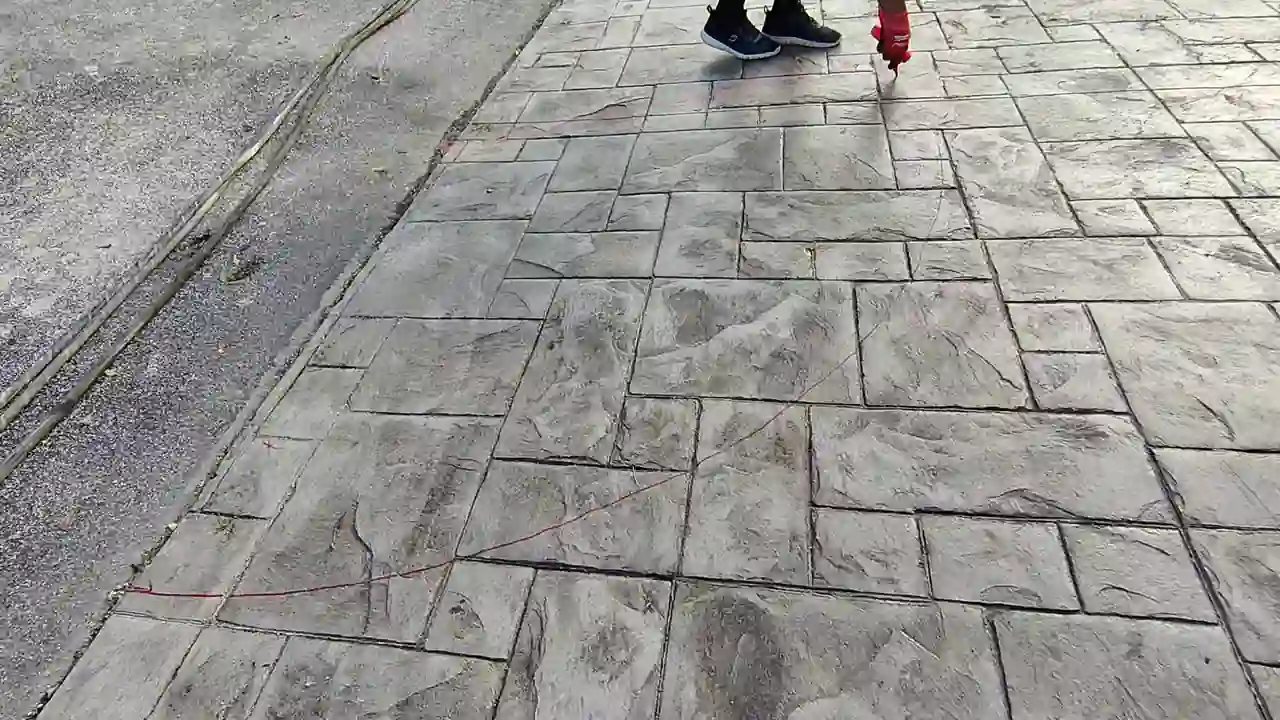
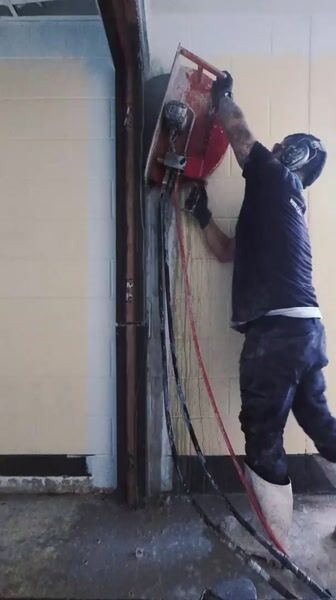
Most Fort Lauderdale jobs are selective demolition, removing part of a structure while the rest stays. That could be a pool deck, a section of slab, an interior wall, or a full interior gut for a remodel. Selective demo requires more skill than full demo because the contractor has to protect what stays.
Full demolition, taking a structure down to the ground, is a different animal with its own permits and utility disconnects. Know which one you have before you get quotes, because the contractors and the prices are different.
Questions That Separate the Pros
Ask a demolition contractor three questions and listen to the answers. How will you protect the rest of my property? How will you control dust and debris? Where does the debris go? A professional answers all three with specifics, and a low bidder answers with hand-waving.
The disposal answer matters most. Concrete and demolition debris have to go to a permitted facility, and a contractor who plans to dump it illegally is a liability to you. Evaluating a contractor is about the details, not the price tag.
Permits and the Building Department
Most structural demolition in Fort Lauderdale needs a permit, and the contractor should handle it. A contractor who suggests skipping the permit to save money is doing you no favors, because unpermitted demo can come back to bite you when you sell or when something goes wrong.
Utility disconnects are part of the permit process too. Gas, water, and electrical have to be properly terminated before demolition starts, and a professional handles those disconnects as part of the job.
Coastal and Waterfront Considerations
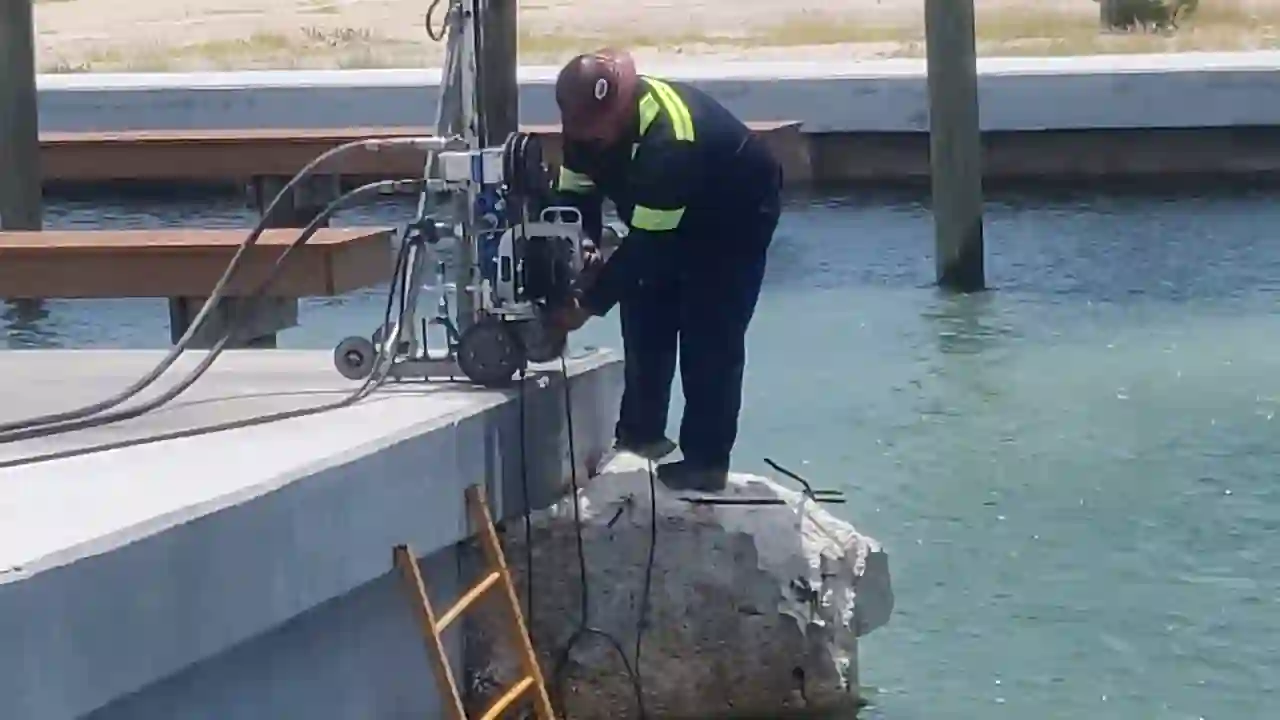
Fort Lauderdale’s waterfront and canal properties add layers to demolition. Erosion control, protection of the waterway, and the logistics of removing debris from a tight canal-side lot all matter. The contractor has to keep debris out of the water, and that takes planning and the right equipment.
Storm-hardened construction is the other factor. Older coastal homes were built to take hurricanes, with reinforced concrete that is slow to demo. A contractor who has done this work knows how long it actually takes and quotes accordingly. Coastal demolition is a specialty, not a sideline.
The Broward Permitting Process
Fort Lauderdale and Broward County have their own building department and their own way of handling demolition permits, and the process is not identical to Miami-Dade’s. Structural demolition generally needs a permit, and the application has to be accompanied by the right documentation, including the utility disconnects and, on some jobs, an engineer’s letter. A local contractor knows the process and files it correctly the first time.
Unpermitted demolition is a shortcut that backfires. If the work is done without a permit and something goes wrong, or the work is discovered later, the property owner is the one holding the bag. The permit is protection, not paperwork, and a real contractor handles it as a matter of course.
What a Fort Lauderdale Demo Quote Should Cover
- Permit and filings: the building department paperwork.
- Utility disconnects: gas, water, and electric terminated properly.
- Selective or full scope: what comes out and what stays.
- Dust and debris control: protecting the site and the neighbors.
- Disposal: a permitted facility and the hauling cost.
A quote that covers all five is a quote you can trust. A quote that is just a number leaves you guessing about which of these the contractor plans to skip.
Red Flags That Should Send You Elsewhere
There are a handful of red flags that reliably separate a bad demolition contractor from a good one, and they are worth knowing before you sign. The first is a price that is dramatically lower than everyone else, because concrete demolition has real costs, and a low number usually means a corner is being cut somewhere, often on insurance or disposal. The corner is almost always your protection.
The second red flag is a contractor who will not show you their license and insurance. Any legitimate demolition contractor has both and will provide them without hesitation. A contractor who hedges on the paperwork is not the one you want responsible for a dangerous job on your property, because if something goes wrong, you are the one exposed.
The third is a quote with no plan. A real quote spells out the scope, the permit, the utilities, the dust control, and the disposal. A number with none of that detail is a guess, not a quote, and it leaves you guessing about which parts of the job the contractor intends to skip. A professional explains the job before they price it, and that explanation is what you are really hiring.
Waterfront access changes the equipment plan. A canal-side home often has no easy way to get a dump truck to the structure, so debris has to be staged on a barge, a neighbor’s easement, or a long chute. That logistics is why a contractor with Fort Lauderdale waterfront experience is worth the premium, because they have solved the access problem before and they know what it costs.
The debris has to stay out of the water, and that is a hard rule. Demolition debris, dust, and slurry cannot end up in the canal or the Intracoastal, and a contractor has to contain it with netting, barriers, and careful staging. It is an environmental requirement and a neighbor-relations requirement. The coastal demolition discipline is about protecting the waterway while the structure comes down.
The building department is the other local detail. Fort Lauderdale and Broward County have their own permitting process, and a structural demo needs the right filing and the right sequence of inspections. A contractor who works the area knows the inspectors and files it correctly the first time, which keeps the job moving. A contractor who treats the permit as an afterthought stalls the project at the first inspection, and the delay costs more than the permit ever would.
Hiring the right contractor means the job comes down clean, the debris stays out of the water, and the paperwork holds up long after the dust settles.
Get a Straight Quote and a Real Plan
If you need a demolition contractor in Fort Lauderdale, get a quote that includes the permit, the utilities, the dust control, and the disposal, and get it in writing. A number without a plan is not a quote, it is a guess.
Call us. We do selective and full demolition across Broward, we carry the license and the insurance, and we will give you a straight answer and a real plan before anything comes down.