Concrete Wall Cutting Contractors Why This Hire Is Different
Hiring concrete wall cutting contractors is not the same as hiring a general handyman. Cutting into a concrete wall is structural work, especially in Miami, where many walls are load-bearing and every exterior wall has to resist hurricane wind loads. The contractor you choose is making decisions that affect the safety of the whole building, and that raises the bar for experience, licensing, and insurance.

I have seen the difference between a specialist and a generalist play out on real Miami job sites, and it usually comes down to a few specific questions. Let me walk through what to look for before you hire.
Verify Structural Experience and Licensing
The first thing to confirm is that the contractor is licensed in Miami-Dade and has specific experience with structural concrete cutting. A license tells you they are legal; experience tells you they know what they are doing. Ask directly how many load-bearing wall openings they have cut, and whether they routinely work with engineers on structural modifications.
Wall cutting often requires an engineer’s input on headers, reinforcement, and load transfer, so the best contractors have a working relationship with a structural engineer. If a contractor dismisses the need for an engineer on a load-bearing wall, that is a red flag. Our guide to structural wall removal explains why the engineering matters.
Ask About Equipment and Method
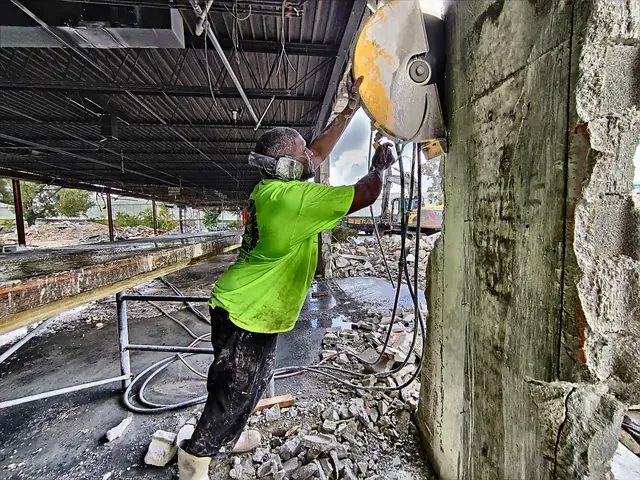
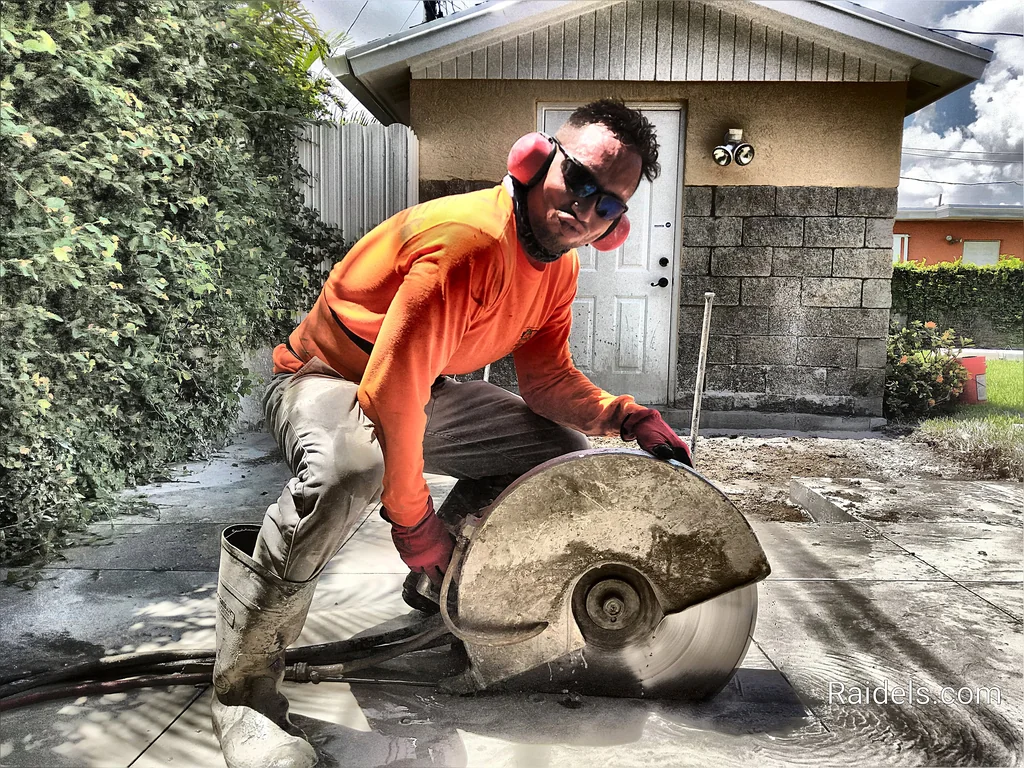
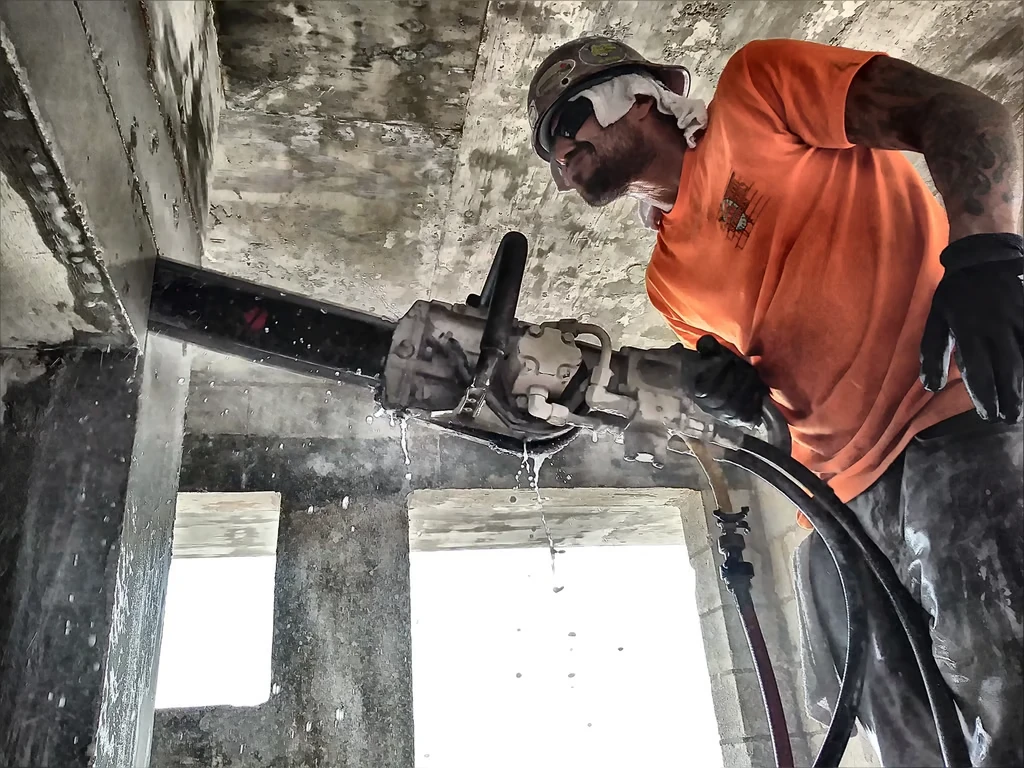
Concrete wall cutting is done with a track-mounted wall saw for precision openings or a hand-held saw for smaller work. Ask the contractor what equipment they will use and why. A specialist will tell you about the track saw they will mount, the blade they will run, and how they will handle the corners. A generalist will be vague.
Method matters because it affects the quality of the cut. A track-mounted saw delivers a straight, square opening that frames cleanly. A hand saw in the wrong hands leaves ragged edges and overcuts that the next trade has to fix. For a full explanation of the methods, our guide to how to cut a concrete wall is worth a read.
Slurry Control and Site Protection
Wall cutting is a wet process, and the slurry it produces is a mess that is also regulated. Ask the contractor how they will contain the slurry and protect the surrounding area. A professional will describe plastic sheeting, wet vacs, and a disposal plan. If they wave the question off, keep looking.
This matters especially on interior jobs, where slurry can ruin flooring and drywall if it is not controlled. A contractor who takes slurry seriously is a contractor who takes the whole job seriously. The same goes for dust control and the silica dust that cutting generates.
Insurance and the Wind Load Reality
Make sure the contractor carries liability insurance and workers compensation, and ask to be named as additional insured. Concrete wall cutting carries real risk, and if a worker is hurt on your property without workers comp, the liability can fall on you. A professional hands over the certificate without hesitation.
The wind load reality is unique to Miami. An exterior wall here is part of the building’s lateral load path, and a poorly designed or reinforced opening can weaken that path. This is why the contractor should work with an engineer, and why cutting corners on a structural wall is never worth the savings.
The Difference Between a Cutter and a General Contractor
A concrete wall cutting contractor is a specialist, and the difference from a general contractor matters. A general contractor manages the whole project and often subcontracts the cutting to a specialist, adding a markup in the process. A specialist runs their own saws with their own trained operators and does this one thing all day, every day.
Neither is wrong, but you should know which you are dealing with, because it affects both the price and the accountability. When you hire the specialist directly, you get the person doing the work answering for it. When the work is subbed out, you have an extra layer in between. Our guide to identifying concrete cutting specialists explains the difference in more depth.
What a Specialist Brings to a Structural Opening
A structural opening in a concrete wall is a different animal from a partition opening, and it is where a specialist earns their fee. The specialist understands load transfer, works with an engineer on the header, and cuts the opening to the exact dimensions the design requires. They know the tolerance matters, because the wall has to keep carrying load after the cut.
This is not knowledge a generalist picks up on the job. It comes from cutting hundreds of structural openings and seeing how they perform over time. When the wall is load-bearing, that experience is exactly what you are paying for. Our guide to structural wall removal covers what goes into a structural opening.
Checking References and Past Work
Before you hire, ask for references from work like yours, and follow up on them. A contractor who has cut structural openings in Miami buildings will be happy to point you to past jobs and past clients. Listen for specifics: how the job went, how the schedule held, and whether the site was left clean.
Past work is the best predictor of future work, and a contractor who is proud of their track record will not hesitate to share it. A contractor who cannot produce a reference for a job like yours is a risk you do not need to take. Our guide to choosing a concrete cutting company covers what to ask.
One question that separates the specialists is how they handle the engineering on a load-bearing wall. A real wall cutting contractor either has a structural engineer on call or expects to work with yours, and they will not cut a structural opening on a guess. If a contractor tells you the wall can be opened without an engineer’s sign-off, get a second opinion before you let them near the building.
It is also worth confirming how the crew will protect the rest of the structure while the opening is made. Load-bearing walls carry weight every minute, and the sequence of shoring, cutting, and installing the header has to keep that load supported the whole time. A contractor who can describe that sequence in order is a contractor who has done it before, and that is exactly the experience you are paying for on a structural cut.
The quote should tell you the wall thickness and the reinforcement the contractor is assuming, and that level of detail matters. A bid that says only the opening size without naming the wall thickness is a guess, and a guess on a structural wall is how the price blows up mid-job. The contractor who asks what is in the wall, or better yet scans it, is pricing the actual job rather than a hope. Detail in the quote is the tell of a contractor who has done this before.
It also helps to ask who will be on site on the day of the cut. The estimator who sells the job is not always the operator who runs the saw, and you want the person with the experience on the wall, not just on the contract. A contractor who can name the operator and their experience is a contractor you can hold to the result.
Get the Scope in Writing
Before you hire, get the full scope in writing: the size of the opening, the equipment, the slurry and debris handling, the structural work, and the price. A clear scope protects you and tells you whether the contractor understood the job. Then choose the specialist with the right experience, the right equipment, and the right answers. Your walls are holding up more than you think, and the contractor who respects that is the one you want.