Concrete Saw Cut What It Actually Means on a Job Site
A concrete saw cut sounds simple, but it covers a family of techniques that all use a diamond blade to slice through cured concrete in a controlled way. The cut might be a control joint in a fresh driveway, an opening for a door, a trench for utilities, or the first step in a demolition. Each one uses a different saw and a different approach, and knowing which is which is the difference between a clean job and a mess.
In Miami, concrete is everywhere, so concrete saw cutting is one of the most common trades on any construction or renovation site. Let me walk through the main methods and when each one is the right tool for the job.
Flat Sawing for Slabs, Driveways, and Pavement
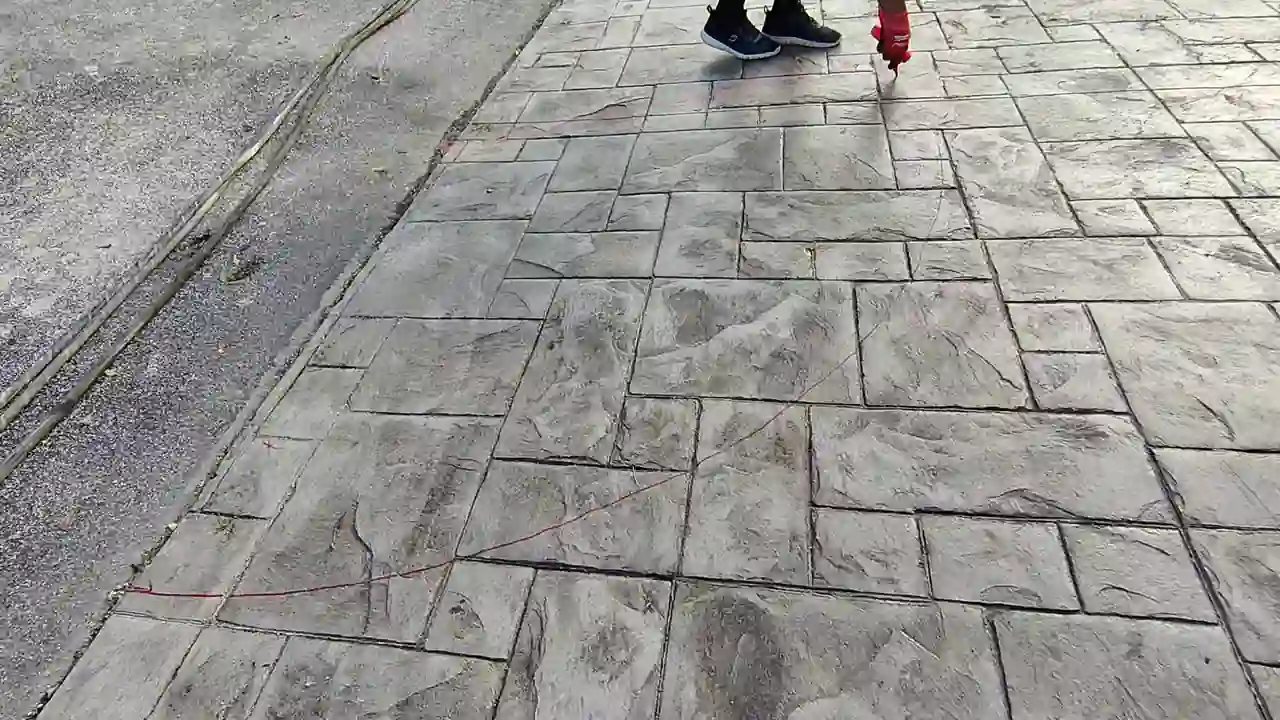
Flat sawing, also called slab sawing, is the workhorse for horizontal surfaces. A walk-behind or ride-on saw cuts into a flat slab to create control joints, cut out damaged sections, or open trenches for plumbing and electrical work. It is how we cut driveways in Pinecrest, parking decks in Brickell, and warehouse floors in Doral.
The depth of a flat saw cut is controlled precisely, which matters when you are cutting a control joint that needs to be a quarter of the slab depth, or opening a trench that cannot nick the pipes below. For a detailed look at this method, our guide to flat sawing for trenching and expansion joints covers the technique in depth.
Wall Sawing for Openings and Precision Cuts
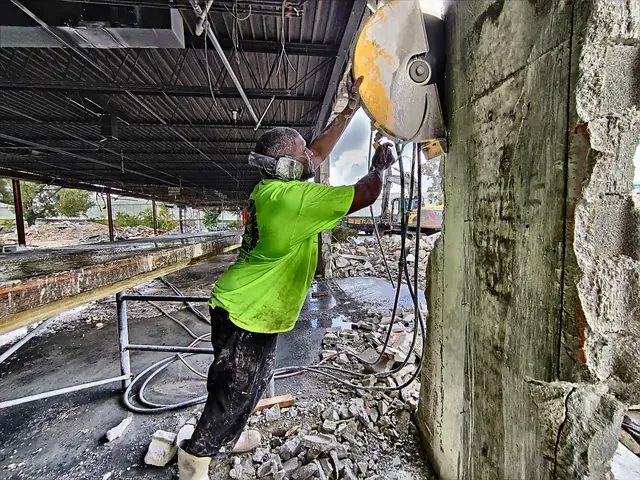
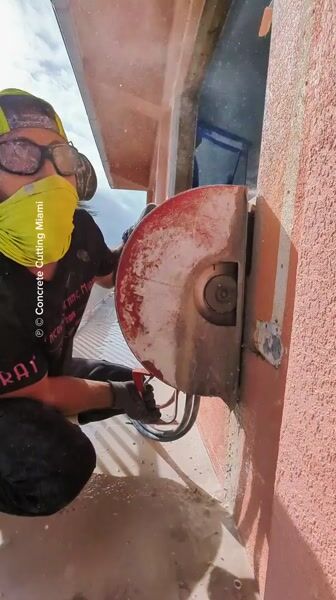
Wall sawing uses a track-mounted saw bolted to a vertical surface to cut doors, windows, and other openings in concrete walls. The track keeps the blade perfectly straight and square, which is essential when the opening is structural. A wall saw can cut through thick, heavily reinforced concrete and leave edges clean enough to frame against.
This is the method we reach for on load-bearing walls, elevator shafts, and any opening where precision matters more than speed. It is slower than flat sawing but far more accurate. For most structural openings in Miami buildings, wall sawing is the only method that makes sense.
Hand Sawing and Chainsaws for Tight Spots
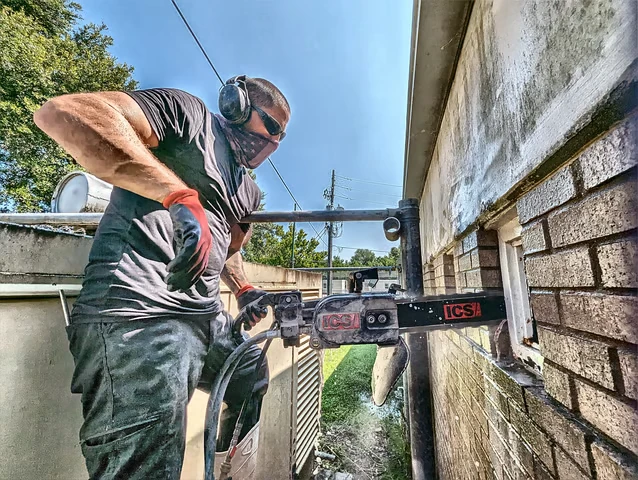
Not every cut happens on a wide-open slab. When the work is in a tight mechanical room, a narrow side yard, or up against a wall, a hand-held saw or a concrete chainsaw is the tool. These are more physically demanding and take more operator skill, but they reach where a walk-behind saw cannot.
A concrete chainsaw is especially useful for finishing the corners of an opening that a round blade cannot reach. A round blade leaves an overcut at the corner; a chainsaw lets us finish it square. Our guide to concrete chainsaws explains where they fit into the toolkit.
Wet Cutting, Slurry, and the Safety Layer
Almost all concrete saw cutting in Miami is done wet. The water serves three purposes at once: it cools the diamond blade, it suppresses the silica dust that would otherwise hang in the air, and it carries away the fines to keep the cut clean. But that water becomes slurry, and slurry management is a real part of the job.
On an outdoor driveway, slurry has to be contained so it does not run into the street or a storm drain. On an interior floor, it has to be vacuumed and the area protected with plastic. A professional crew treats slurry control as part of the bid, not an afterthought. The safety side matters just as much: operators wear respiratory protection, hearing protection, and proper PPE, and they respect the kickback risks that come with a diamond blade.
Control Joints and Why Timing Matters
One of the most common reasons for a concrete saw cut is a control joint in a fresh slab. Concrete shrinks as it cures, and without control joints it cracks randomly across the surface. A control joint is a deliberate, sawed line that gives the concrete a weak point to crack along, so the crack stays hidden in a straight line instead of wandering across the driveway or floor.
Timing is everything with control joints. They need to be cut soon after the pour, before the concrete has hardened enough to crack on its own, but not so soon that the saw tears the edges. In Miami’s heat, concrete sets fast, so the window for cutting joints is short. A contractor who pours and cuts the same slab understands that timing instinctively, and it is one of the quiet details that separates a good job from a cracked one. Our guide to why concrete needs to be cut explains the science behind the joints.
Cutting for Demolition Versus Cutting for Repair
Not every saw cut is the same job. A cut for demolition is about separating a section so it can be broken out cleanly, and it prioritizes speed and clean separation. A cut for repair is about precision, removing only the damaged section while protecting the sound concrete around it. The two look similar but are run differently, with different blades and different care.
Knowing which one you need shapes the whole approach. A demolition cut can be rougher, because the concrete is coming out anyway. A repair cut has to be exact, because the patch depends on clean edges. Our guide to breaking concrete covers the demolition side, and the repair side rewards a lighter, more precise touch.
Reading the Cut for Signs of Trouble
A saw cut reveals what is inside the concrete, and a skilled operator reads it as they go. The color of the slurry, the feel of the blade, and the sound of the saw all tell them whether they are in plain concrete or hitting rebar, and whether the aggregate is what they expected. This is information a good operator uses to adjust on the fly.
For the property owner, the cut can also reveal hidden problems, like rebar that is more corroded than expected or concrete that is softer than it should be. That kind of discovery changes the scope of the job, and a professional will stop and tell you rather than cutting through and hoping for the best. Our guide to cutting concrete in Miami covers what to expect when the blade goes down.
Blade depth is the variable that quietly determines the outcome of almost every saw cut. For a control joint, the rule of thumb is a depth of about a quarter of the slab thickness, and cutting deeper than that does not make the joint work any better, it just weakens the slab. For a full-depth cut, the blade has to reach through the slab without overcutting into the base or the pipes below. Depth control is where the operator earns their pay.
The condition of the blade matters as much as the saw. A diamond blade that is glazed or missing segments cuts slower, overheats, and leaves a ragged edge, and it can bind and kick. A professional checks the blade before every cut and swaps it the moment it stops cutting clean. If the crew you are watching has to fight the saw through the slab, the blade was wrong from the start, and the cut will show it.
Choosing the Right Method for Your Project
The right concrete saw cut for your project depends on what you are cutting and why. A control joint in a new slab is a flat saw job. A door opening in a concrete wall is a wall saw job. A tight utility chase is a hand saw job. The common thread is that each one benefits from an experienced operator who matches the blade to the material and controls the water.
If you are planning a cut, start by describing what you are cutting, how thick it is, and what is inside it. That tells a contractor which saw to bring and what it should cost. Our guide to diamond saw cutting is a good next step if you want to understand the full picture before you get quotes.