Why the search for concrete removal near me produces a list where most entries are not actually concrete removal contractors
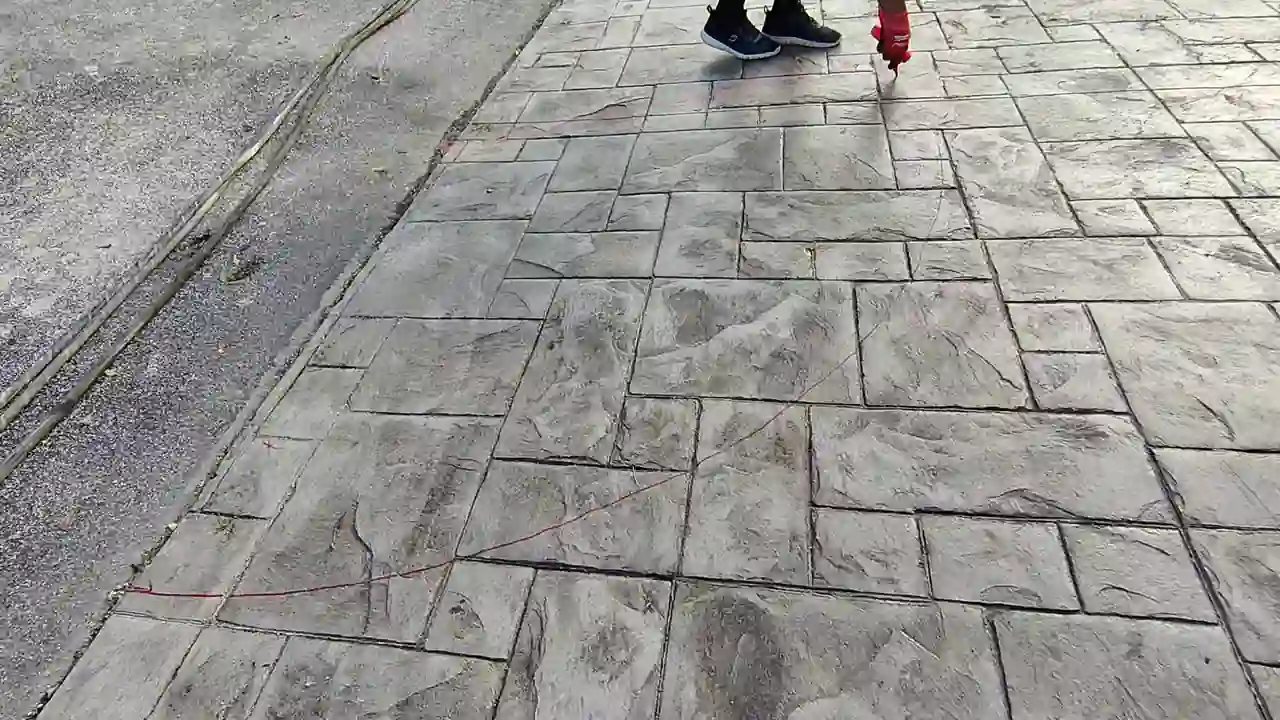
The search phrase concrete removal near me returns a mixed list that the average property owner cannot easily evaluate. Some results are concrete removal specialists who own excavators, skid steers, hydraulic breakers, dump trucks, and roll-off containers. Some results are general junk removal services who will haul away concrete debris but do not perform the actual removal — breaking up and extracting the concrete from the ground. Some results are landscaping companies who occasionally remove small concrete walkways as part of larger hardscape projects. And some results are individuals with a pickup truck and a sledgehammer who list themselves as concrete removal services. The search engine does not distinguish among them. The property owner who calls the first number without asking the right questions is gambling with their property, their schedule, and their compliance with Miami-Dade disposal regulations.
 Concrete Cutting Miami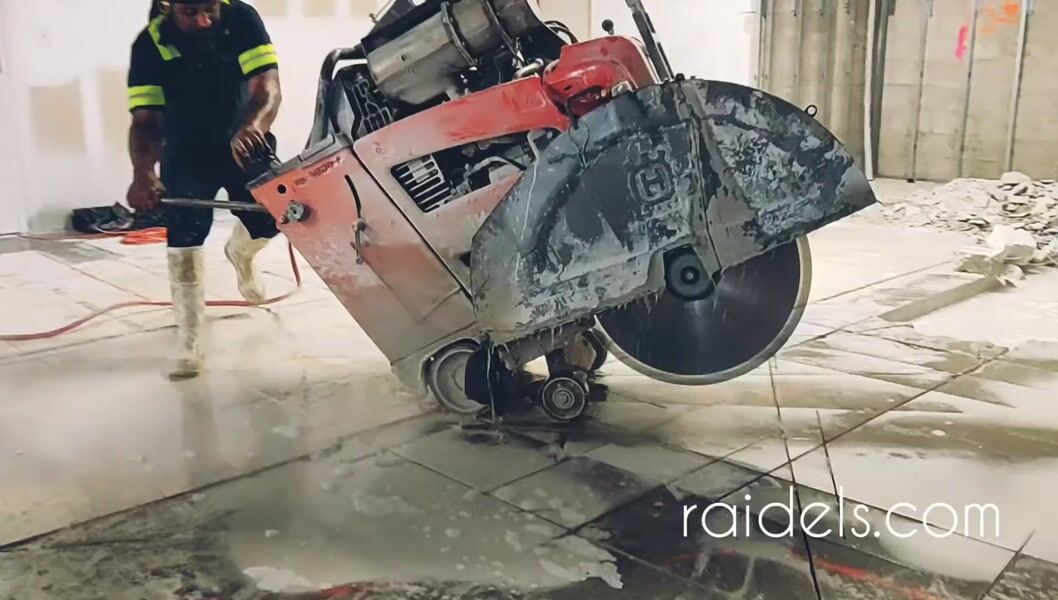
In Miami-Dade County, concrete removal near me must account for local conditions that out-of-area or informal operators may not understand. Post-tension slabs require GPR scanning before breaking to avoid striking tensioned cables. Slurry from wet cutting must be contained and cannot enter storm drains — a county regulation enforced with fines. Concrete debris is classified as construction and demolition waste and must be transported to a permitted C&D disposal facility — it cannot go in residential trash collection or to an unpermitted dump site. A concrete removal operator who does not know and follow these requirements is not saving you money with a lower price. They are creating liability for you as the property owner when the violation is traced back to your property.
What professional concrete removal near me in Miami should include
When you find a contractor through your search for concrete removal near me, their scope of services tells you immediately whether they are a professional removal contractor or a general laborer with a truck. Here is what professional concrete removal includes.
- GPR scanning before cutting or breaking: GPR scanning identifies post-tension cables, electrical conduits, and plumbing lines embedded in the concrete before any tool touches the surface. This is not optional in Miami — PT cables are common in slabs built since the 1970s, and hitting one during removal is extremely dangerous.
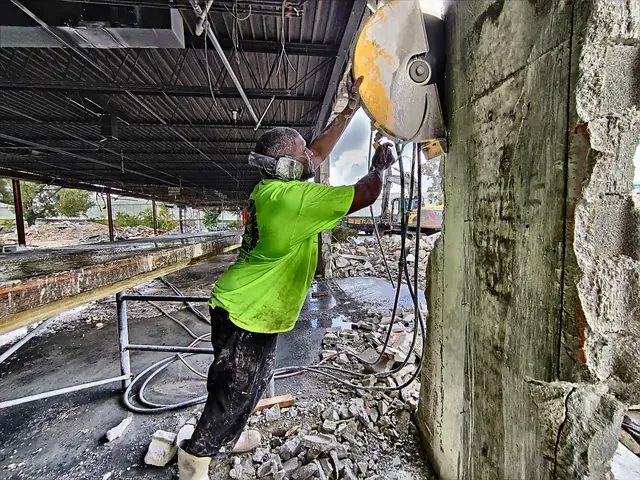
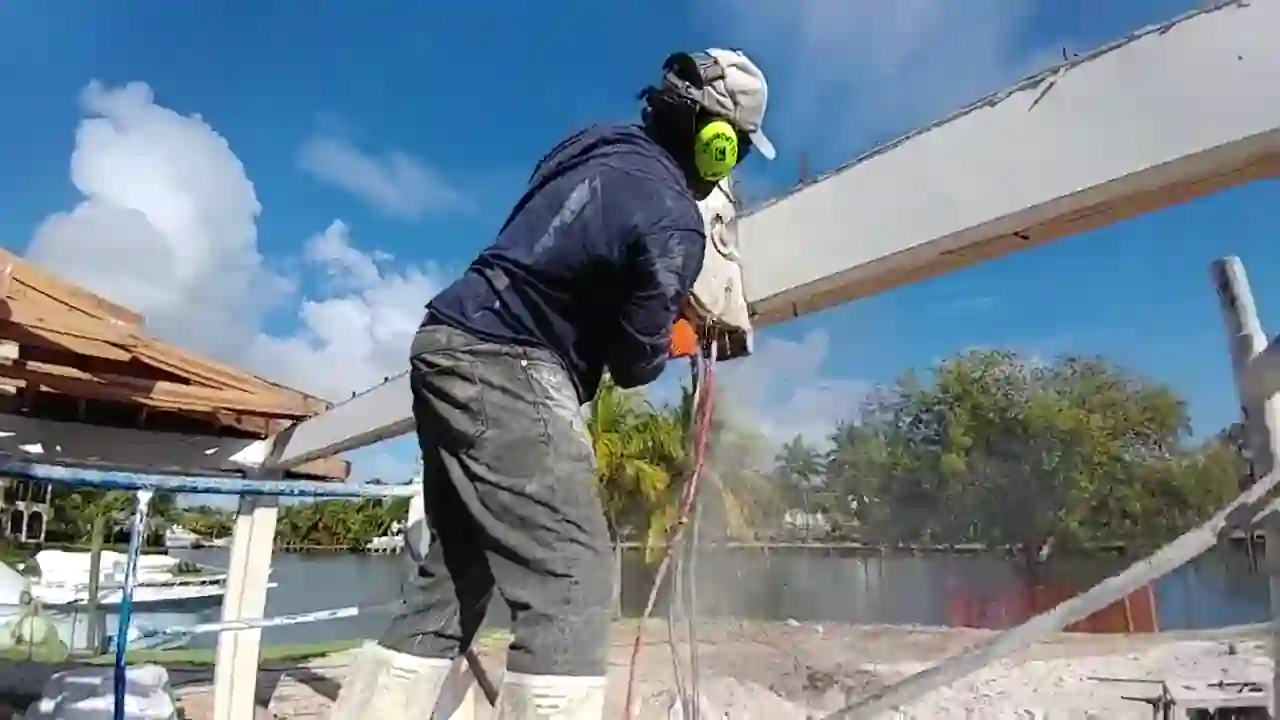
- Saw cutting the removal perimeter: Before any breaking force is applied, the concrete to be removed is cut along its boundaries with a diamond saw. This creates a clean separation line that prevents vibration damage from traveling into concrete being preserved. Slab sawing is the essential step that distinguishes professional removal from brute-force demolition.
- Sectioning for safe handling: Large slabs are cut into sections sized for the available equipment. A 4-inch-thick concrete slab weighs 50 pounds per square foot — a 10-by-10-foot section weighs 5,000 pounds and cannot be handled without sectioning.
- Controlled breaking of separated sections: Once the concrete has been cut free from the surrounding structure and sectioned into manageable pieces, breaking force is applied. Because the sections are physically isolated by saw cuts, the vibration does not damage adjacent concrete, walls, or finishes.
- Loading and transportation to a permitted disposal facility: The broken concrete is loaded into dumpsters, trucks, or roll-off containers and transported to a Miami-Dade permitted C&D disposal facility or concrete recycling center. The contractor should provide disposal documentation upon request.
- Site cleanup: The removal area is cleared of concrete dust, aggregate fragments, rebar cutoffs, and slurry residue. The site is left clean, graded, and ready for the next use — new concrete, pavers, landscaping, or any other surface treatment.
Questions that separate professional concrete removal near me from everyone else
- “Do you cut the concrete before you break it?” The only correct answer is yes, with saw cutting along the entire perimeter of the removal area. If the contractor plans to start with a jackhammer or excavator breaker without cutting first, find someone else. The vibration damage to surrounding concrete is predictable and expensive to repair.
- “What equipment are you bringing for my specific job?” The contractor should be able to name the specific equipment — flat saw for perimeter cutting, skid steer or mini-excavator for breaking and loading, dump truck or roll-off for debris transport. Vague answers suggest the contractor has not assessed your job in enough detail or does not own the equipment they claim to use.
- “Where does the concrete debris go?” The answer should name a specific disposal facility or recycling center. Miami-Dade County requires C&D debris to go to a permitted facility. If the contractor cannot name where the debris goes, they are either not planning to dispose of it legally or have not thought that far ahead — neither is acceptable.
- “What is your procedure if you encounter something unexpected — a utility line, a PT cable, a void under the slab?” A professional contractor stops work immediately, assesses the situation, communicates the finding to you, and agrees on the resolution before proceeding. An amateur shrugs and keeps going. The difference in outcomes between these two responses can be measured in thousands of dollars.
- “Can you provide references from concrete removal jobs you have completed in Miami?” A professional contractor has a portfolio of local work and references who will confirm the quality. A contractor who hesitates or cannot produce Miami-specific references may not have the local experience they claim.
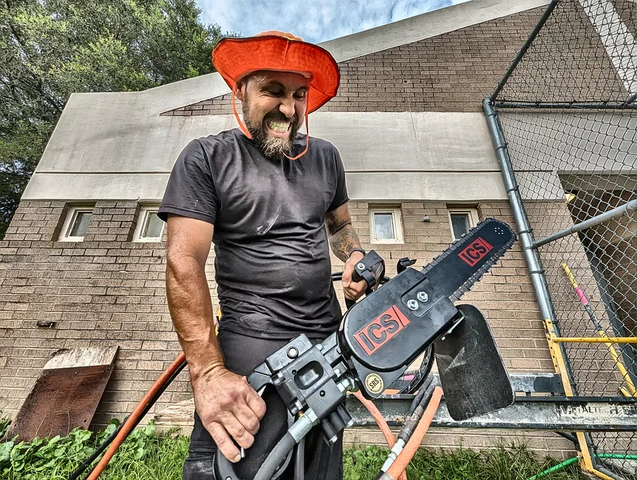
Red flags in concrete removal near me search results and quotes
- No physical business address: A residential address with no yard for equipment storage, or no address at all, suggests a contractor who may not own the heavy equipment that concrete removal requires. Excavators, skid steers, dump trucks, and breakers need a physical location for storage and maintenance.
- No written quote or contract: Verbal estimates are not binding. A written quote should specify the scope of work, the equipment to be used, the disposal method, the cleanup scope, the estimated timeline, and the payment terms. A contractor who will not put these details in writing is not someone you want performing concrete removal on your property.
- Full payment demanded upfront: The standard payment structure for concrete removal is a deposit — typically 30 to 50 percent — with the balance due upon completion. A demand for full payment before work begins suggests a contractor with cash flow problems or a history of not completing work to the customer’s satisfaction.
- No mention of disposal or cleanup: If the quote does not include debris disposal and site cleanup, those costs will appear later as change orders — or the debris will be left on your property and you will be responsible for getting rid of it. Concrete debris is heavy, expensive to transport, and illegal to dump.
What concrete removal near me costs in Miami
The cost of concrete removal near me in Miami depends on the same factors that drive all concrete removal pricing — slab thickness, reinforcement type and density, total area, access conditions, disposal distance and fees, and whether saw cutting is included in the scope. A patio removal with good access and standard 4-inch unreinforced concrete occupies one end of the cost range. A heavily reinforced commercial slab with limited access and extensive slurry containment requirements occupies the other. Concrete removal costs should be evaluated by comparing detailed written quotes that specify what is included and excluded — not by comparing bottom-line numbers alone.
The search for concrete removal near me in Miami produces many results. The professional results are there. The amateur results are also there, often listed above the professional ones because they have invested more in search engine marketing than in equipment. The difference is whether you take the time to verify that the contractor you call actually performs concrete removal professionally — or whether you hire the first name you see and hope for the best. Contact us for concrete removal services from a contractor who owns the equipment, follows the regulations, and stands behind the work.