Why You Rarely See Basements in Miami
Drive through a Miami neighborhood and you will notice something that visitors from up north find strange: almost no basements. The reason is not style or cost, it is water. Miami’s water table sits just a few feet below the surface, and digging a basement here means building a concrete boat and constantly pumping it dry.
A basement is essentially a below-grade room, and below grade in Miami is underwater. The hydrostatic pressure against a basement wall is relentless, and the pumping cost never stops. That is why the slab-on-grade foundation won out here decades ago, and why foundation design in Miami starts from that reality.
The Cost Difference Is Not What You Think
Up north, a basement adds square footage cheaply because you are already digging a foundation anyway. In Miami, the excavation, the waterproofing, the dewatering, and the sump systems make a basement dramatically more expensive per square foot than the living space above it. The economics simply do not pencil out for most builders.
A slab, by contrast, is the cheapest foundation you can pour. No deep excavation, no waterproofing shell, no stairwell. The savings go into a larger or better-finished home above grade, which is what buyers here actually want. Slab standards keep the whole thing simple and fast.
Space and Storage Trade-Offs
The thing people miss about basements is the storage and the utility access. A basement gives you a place for the water heater, the HVAC, the laundry, and a lifetime of boxes. A slab home has to find room for all of that above grade, which is why you see water heaters in Miami garages and closets.
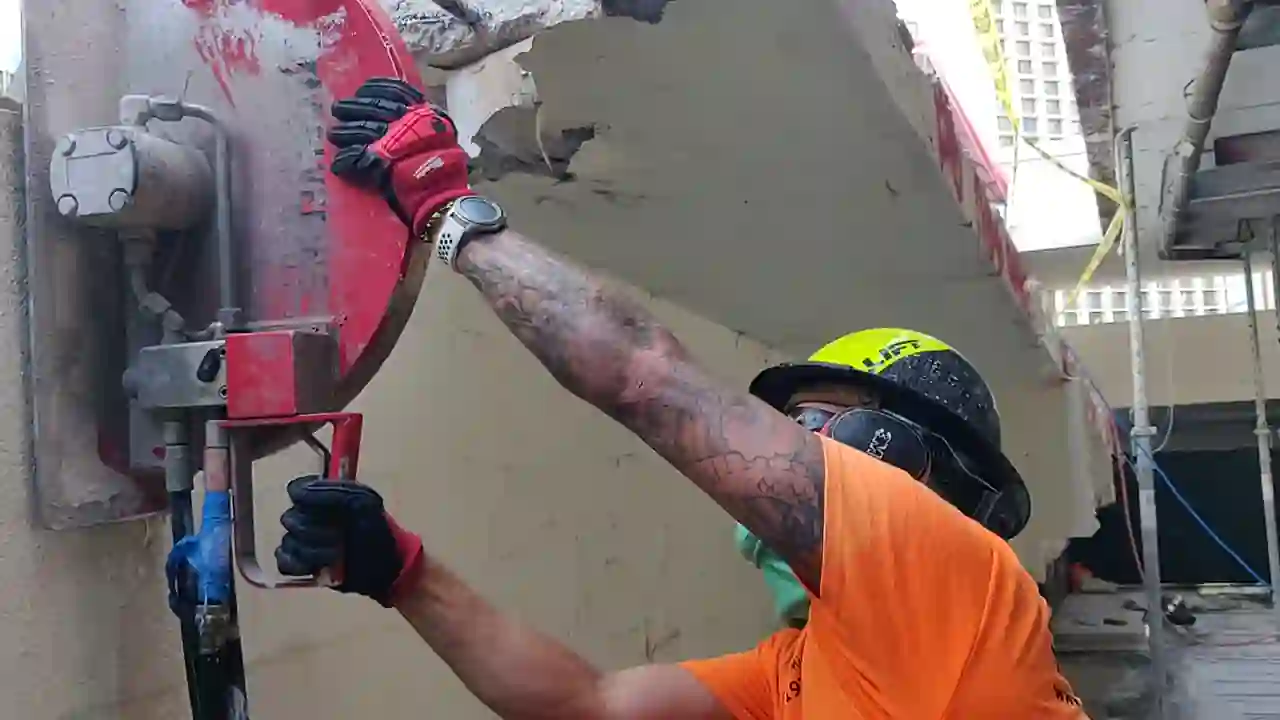
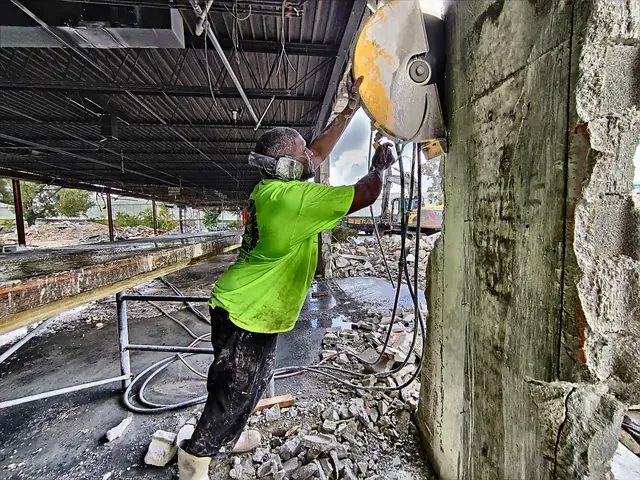
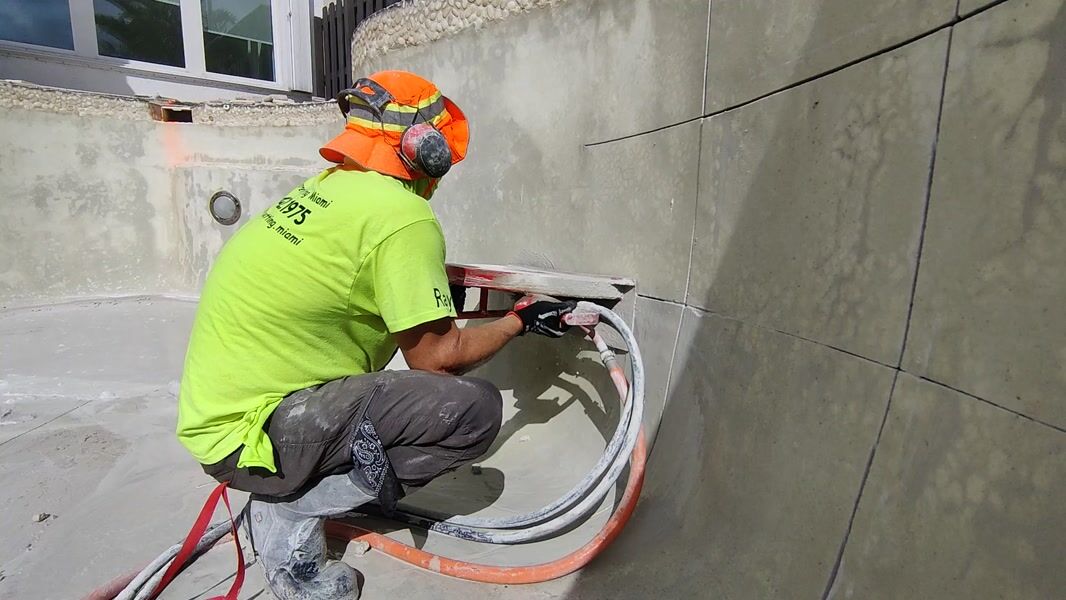
The access trade-off is real too. With a basement, a plumber can walk under the house and see every pipe. With a slab, the pipes are buried in concrete, and reaching them means cutting the floor. That single difference shapes how slab homes are maintained forever.
Flooding, Moisture, and Mold
Basements in humid climates are mold magnets, and in Miami the problem is constant. The cool, below-grade walls condense moisture, and any leak becomes a persistent damp problem. A slab keeps the living space above the moisture line and ventilated, which is a healthier and lower-maintenance choice here.
Flooding cuts both ways, though. A basement floods catastrophically when the water rises, while a slab home in a flood zone floods the living space. In Miami, the answer to flood risk is elevation, not basements, and homes in flood zones are raised on fill or piers with the slab above the flood line. Hurricane and flood design favors a low, elevated slab.
Hurricane Performance
In a hurricane, the slab is the better foundation. A low, heavy concrete base anchors the structure, and there is no below-grade space for wind and water to tear into. Basements up north survive tornadoes, but a Miami hurricane is a water event as much as a wind event, and the slab keeps the home above it.
Which Is Right for You
If you are building in South Florida, the answer is almost always slab, and it is not a compromise. The slab is the right tool for this soil and this climate. A basement is a luxury that fights the water table every single day, and the cost rarely justifies the storage.

If you are moving here from a basement region, the adjustment is mostly about storage and maintenance access. Plan your garage and closets well, and know that slab access exists when you need to reach the plumbing under the floor.
What You Give Up When You Skip the Basement
The honest list of what a basement provides is short but real. Storage is the big one, a basement gives you a cool, dry, out-of-the-way place for everything that does not belong in the living space. Utility access is the other, with the water heater, furnace, and plumbing all reachable without cutting into anything. A slab home moves all of that into the garage, the attic, and the closets.
In Miami, the storage loss is real but manageable, because the garages are large and the homes are designed around the slab. The utility access loss is the one that matters more, because reaching plumbing under a slab means cutting the floor. It is not a dealbreaker, but it is the single biggest practical difference between the two foundation types for a homeowner.
The Practical Comparison
- Cost: slab is dramatically cheaper to build in Miami.
- Flood risk: slab avoids the constant basement water fight.
- Storage: basement wins, but garages and attics compensate.
- Utility access: basement wins, slab requires cutting for plumbing.
- Hurricane performance: slab’s low, heavy profile is the better bet.
The comparison lands firmly on the slab for South Florida, and the basement’s advantages are mostly moot here. The water table already made the decision for you.
Resale, Insurance, and the Foundation Decision
The foundation type ripples into resale and insurance in ways worth knowing before you build or buy. In Miami, a slab is the expectation, and a basement, if you could even build one economically, would be a curiosity that does not add the resale value it would up north. Buyers here are not shopping for basements, they are shopping for the above-grade space and the storm readiness a slab provides.
Insurance is another consideration. A slab home has no below-grade space to flood or develop mold, which is one less risk for an insurer to price. A basement in Miami, with its constant fight against the water table, would be a risk an insurer would charge for. The slab keeps the insurance picture simpler and often cheaper.
The practical upshot is that the foundation decision is mostly made for you in South Florida. The slab is the standard, the resale and insurance systems are built around it, and deviating from it buys you little. If you are moving here from basement country, the adjustment is mostly about storage habits, not about giving up something the local market values.
The energy picture is another difference people do not think about until the first bill. A basement is naturally cool, but in Miami that coolness comes with moisture, and dehumidifying a below-grade space all summer costs real money. A slab has no below-grade space to condition, and the thermal mass of the concrete actually helps stabilize the indoor temperature, which lowers the cooling load.
Pest and termite risk also tilts toward the slab. A basement or crawl space is a termite highway into the framing, while a slab sits directly on the ground and removes that path. In a region where termites are a year-round threat, that is a meaningful advantage. The foundation choice is about more than cost, it is about how the house behaves for the next fifty years in this climate.
The maintenance math also favors the slab over the long run. A basement needs a sump pump, a dehumidifier, and a constant eye on the walls, while a slab just sits there. The slab’s maintenance, when it comes, is usually a plumbing access cut, which is a known, one-day job. For a homeowner who does not want a below-grade space to babysit, the slab is simply the lower-maintenance choice.
For this soil and this climate, the slab is simply the foundation that works with the environment instead of fighting it, and that is the whole decision in a sentence.
The Bottom Line
Basement versus slab is not really a debate in Miami, the water table already decided it. Slab-on-grade is the proven, economical, storm-ready foundation for South Florida, and the trade-offs are well understood and manageable.
If you have questions about a slab, whether you are buying, building, or repairing, call us. We work with Miami slabs every day and can tell you exactly what you are dealing with.