Why residential concrete cutting is not just smaller commercial concrete cutting — the challenges are fundamentally different
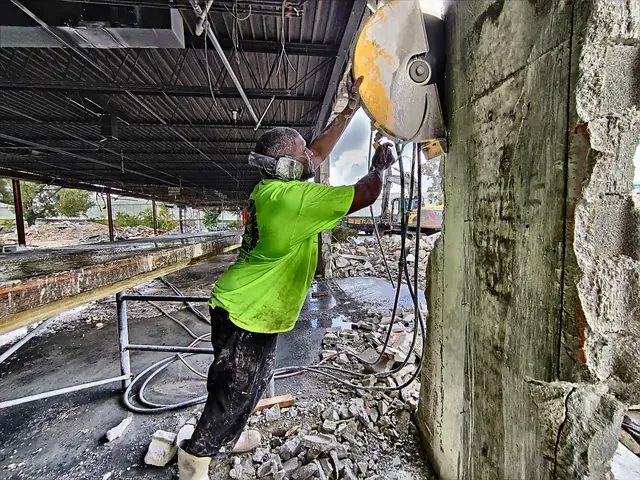
A concrete cutting contractor who only does commercial work — warehouse floors, parking garages, high-rise cores — can walk onto a residential job and immediately discover that the equipment and approach that work on a 50,000-square-foot industrial floor do not translate to a 200-square-foot backyard patio. Residential concrete cutting in Miami involves access constraints that commercial work rarely encounters. The side gate is 30 inches wide and the backyard where the cutting needs to happen is 80 feet from the street. The slab is a 4-inch patio poured in 1972 that may or may not have rebar — nobody knows and there are no structural drawings. The homeowner is working from home in the room adjacent to the cutting area and cannot tolerate noise above conversation level. The cutting produces slurry that cannot touch the homeowner’s landscaping, pool, or the storm drain at the end of the street. These are residential realities that a pure commercial concrete cutting contractor may not be prepared to manage.
 Concrete Cutting Miami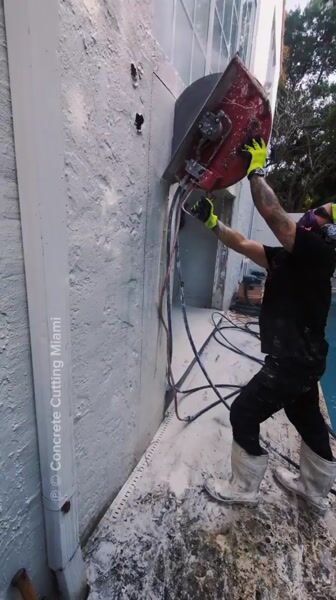
At Concrete Cutting Miami, we perform residential concrete cutting and commercial concrete cutting — and the two require different planning, different equipment selection, and different communication with the property owner. The homeowner needs to know what is happening, why it is happening, what it will sound like, how long it will take, and what the site will look like when the work is done. On a commercial job, the project manager understands concrete cutting and does not need the education. On a residential job, the homeowner may be seeing concrete cutting for the first time in their life, and explaining the process is part of doing the job correctly.
The most common residential concrete cutting services Miami homeowners request
Patio and driveway slab cutting and removal
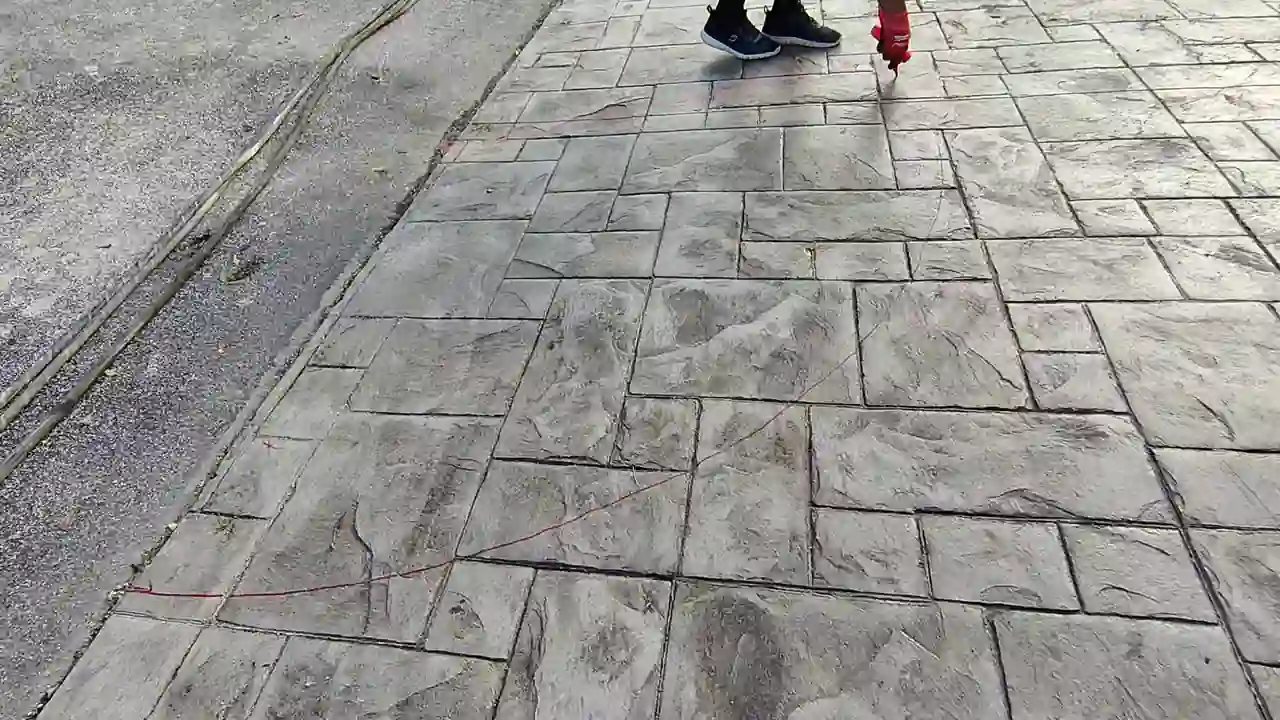
The most frequent residential concrete cutting request we receive is removing an old concrete patio or driveway — either for full replacement or to clear the area for landscaping, pavers, or a different use. The work involves saw-cutting the slab perimeter to separate it from adjacent concrete (the house foundation, the sidewalk, the pool deck), sectioning the slab into manageable pieces, breaking the sections, and removing the debris. Miami residential slabs are typically 4 inches thick, occasionally 6 inches for driveways, and may contain wire mesh or rebar. Post-tension residential slabs — common in South Florida homes built since the 1980s — add the requirement of GPR scanning before cutting begins. Slab sawing with a walk-behind flat saw handles these removals efficiently when access allows the saw onto the slab. When access is too tight — a narrow side yard, a courtyard with no wide gate — hand sawing becomes the method.
Door and window opening cuts through concrete walls
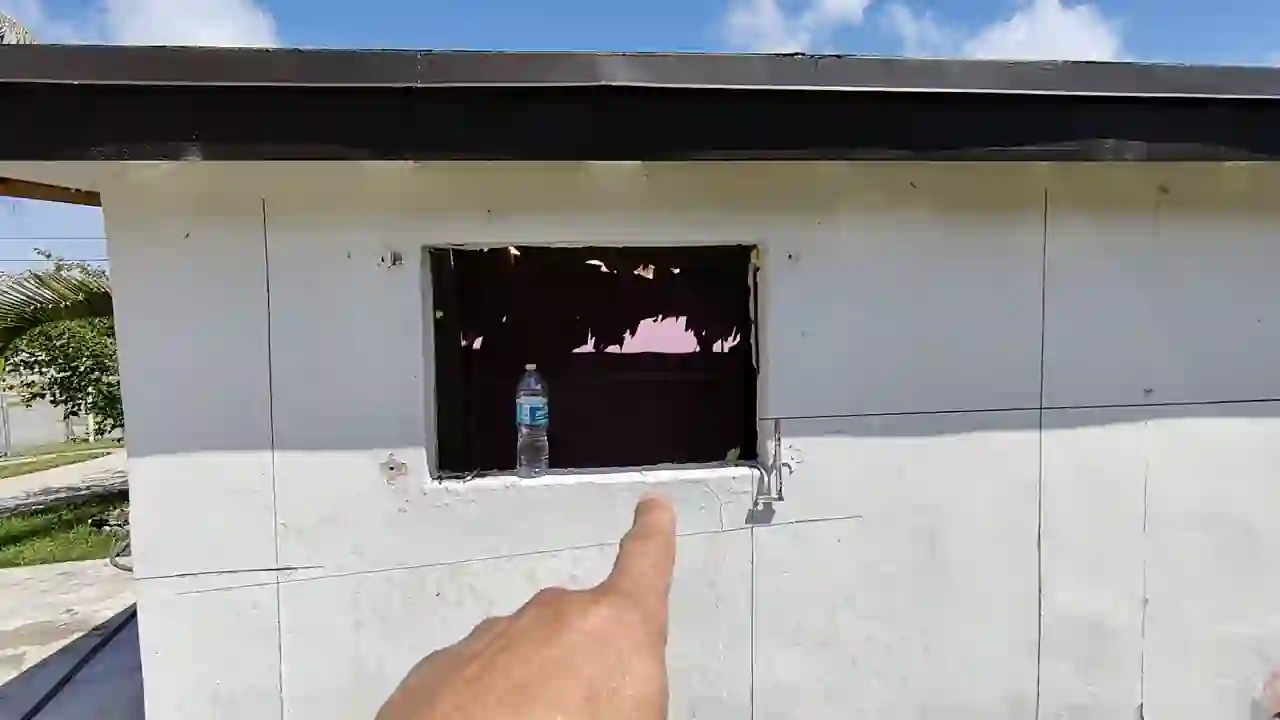
Miami homes built with concrete block or poured concrete walls frequently need new door or window openings cut when the homeowner renovates. This is wall sawing — a track-mounted saw cutting a straight, plumb, square opening through the wall. Residential wall cutting must account for whether the wall is load-bearing (many exterior concrete walls in Miami homes are), whether a header needs to be installed to carry loads above the new opening, and whether the opening size and location comply with Miami-Dade building code. A structural engineer should evaluate the wall before cutting begins if there is any question about load-bearing status. The cut opening must be sized correctly for the door or window frame — a rough opening that is too large wastes time on shimming and finishing, and one that is too small means the frame does not fit.
Core drilling for plumbing, electrical, and HVAC penetrations
Residential renovations frequently require core drilling through concrete slabs or walls for new utility penetrations. A bathroom addition needs core-drilled holes through the slab for plumbing drain lines. A kitchen remodel needs core-drilled holes for relocated sink plumbing and electrical circuits. An HVAC upgrade needs core-drilled wall penetrations for new refrigerant lines or ductwork. Residential core drilling typically involves hole diameters from 1 inch to 6 inches, though larger holes for plumbing stacks or duct risers are sometimes required. The drilling rig is mounted to the floor or wall with a vacuum base or anchors, and the hole is drilled through in a single operation with the appropriate diameter core bit.
Swimming pool demolition and removal
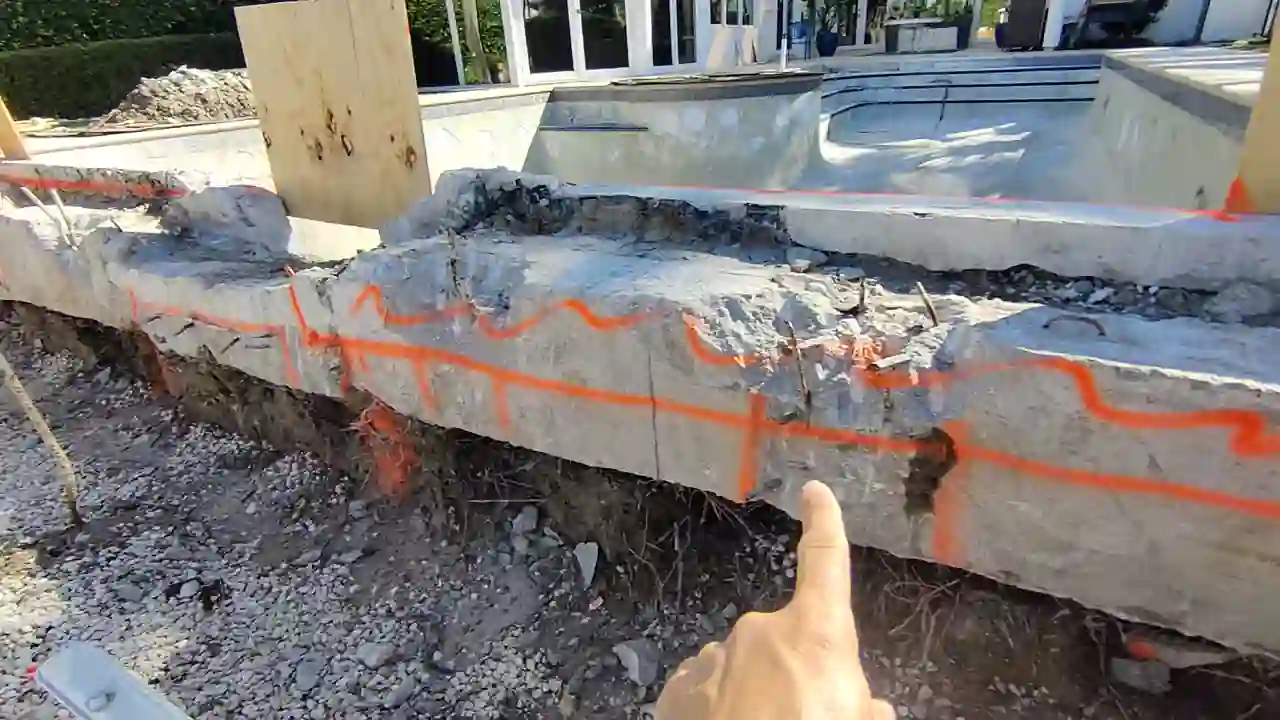
An in-ground swimming pool that has reached the end of its useful life — leaking, structurally compromised, or simply unwanted — is a major residential concrete cutting and demolition project. Pool demolition involves saw-cutting the pool deck for separation from adjacent concrete, demolishing the pool walls (partially for a partial removal or fully for a complete removal), puncturing the pool floor for drainage, backfilling the cavity with clean compacted fill, and grading the area to match the surrounding yard. In Miami-Dade County, pool demolition requires a permit, and the demolition depth and fill compaction are subject to inspection. The work is not a casual undertaking — it is a construction project that happens to take place in a residential backyard.
Concrete cutting for plumbing and drainage trenching
When a Miami home needs new plumbing rough-in or drainage improvements, the slab must be trenched to accommodate the pipes. The trench lines are cut with a flat saw — two parallel cuts at the trench width — and the concrete between the cuts is broken out. The trench depth must accommodate the pipe diameter plus bedding material and minimum cover. After the plumbing is installed and inspected, the trench is backfilled and the concrete is patched. Residential trenching typically runs through living spaces, so dust control and noise management are crucial — the homeowner is living in the house during the work.
What Miami homeowners should know before residential concrete cutting begins
- GPR scanning is essential, not optional: Even if your house was built recently and you have the original plans, GPR scanning confirms what is actually in the concrete before cutting. Post-tension cables, electrical conduits, and plumbing lines may not be exactly where the plans show them. The scan cost is modest compared to the cost of hitting something during cutting.
- Dust containment requires preparation: Even with wet cutting, some concrete dust escapes into the air and settles on surfaces. The contractor should seal the work area with plastic sheeting and use air scrubbers if the cutting is indoors. Move or cover furniture, electronics, and anything sensitive to fine dust in rooms adjacent to the cutting area.
- Noise will be significant: Concrete saws are loud — typically 90 to 100 decibels at the operator position. The noise will be audible throughout the house and possibly to neighbors. The work should be scheduled during hours that minimize disruption. There is no way to make concrete cutting quiet — the goal is to make it as fast and efficient as possible to minimize the duration of the noise.
- Water and slurry management: Wet cutting uses water continuously. The water source (typically a garden hose connection) needs to be accessible. The slurry runoff must be contained and not allowed to flow into landscaping, pools, or storm drains. The contractor should explain their slurry containment plan before starting work.
- Access for equipment and debris removal: The contractor needs a path from the street or driveway to the work area for moving saws, power units, and debris. Narrow gates, staircases, planters, and landscaping features can make access difficult or impossible for wheeled equipment. Discuss access limitations during the site visit so the contractor arrives with equipment that fits through your access points.
Preparing your home for residential concrete cutting
Beyond the technical preparation, there are practical steps Miami homeowners can take before the residential concrete cutting crew arrives. Secure pets in a part of the house far from the work area — the noise will distress them and their presence in the work area is a safety hazard for both the pet and the crew. Inform close neighbors about the work schedule, particularly if the cutting will occur early in the morning. Move vehicles out of the driveway if the driveway is the debris removal path. Photograph the work area before cutting begins — this provides a baseline if any questions about pre-existing conditions arise. And make sure someone is available to make decisions if unexpected conditions are discovered during the work — the crew should not have to stop and wait if they find something that requires a decision about how to proceed.
Residential concrete cutting in Miami is a specialized service that requires the right equipment, the right experience, and the right communication with the homeowner. We have performed residential concrete cutting throughout Miami-Dade County for years — from Coral Gables historic homes to Kendall ranch houses to Miami Beach condos. Every residential job receives the same equipment, the same safety protocols, and the same attention to detail as our commercial work. Contact us to discuss your residential concrete cutting project and schedule an onsite evaluation.