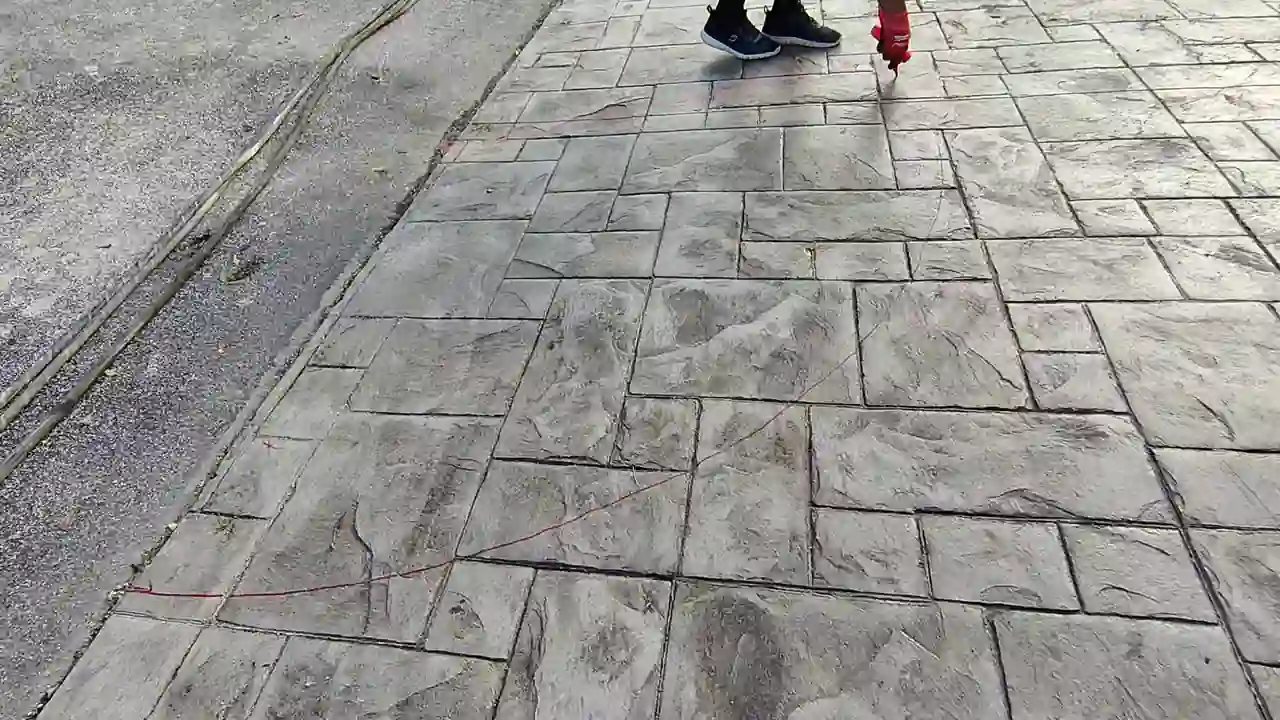
An Empty Indoor Pool Is a Problem Waiting to Happen
An indoor pool that has been drained and abandoned is not just wasted space, it is a hazard. The shell can crack, moisture builds up inside the building, and the open basin is a fall risk for anyone in the home. In Miami, where humidity is constant, an empty pool shell inside a structure also becomes a mold and structural problem over time.
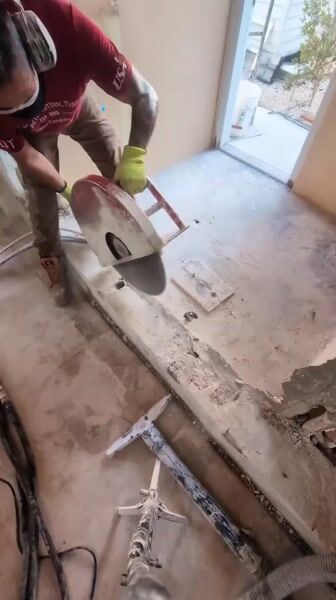
The fix is to remove the pool and reclaim the space, but indoor pool removal is far more involved than an outdoor demo. You are working inside a building, often with limited access, and every step has to protect the surrounding structure. Pool removal indoors is a specialized job.
Access Is the First Challenge
Outdoor pools let you back equipment right up to the edge. An indoor pool is surrounded by walls, which means equipment has to be sized to fit through doorways or brought in pieces, and debris has to be wheeled out the same way. We plan the access route before we cut anything.
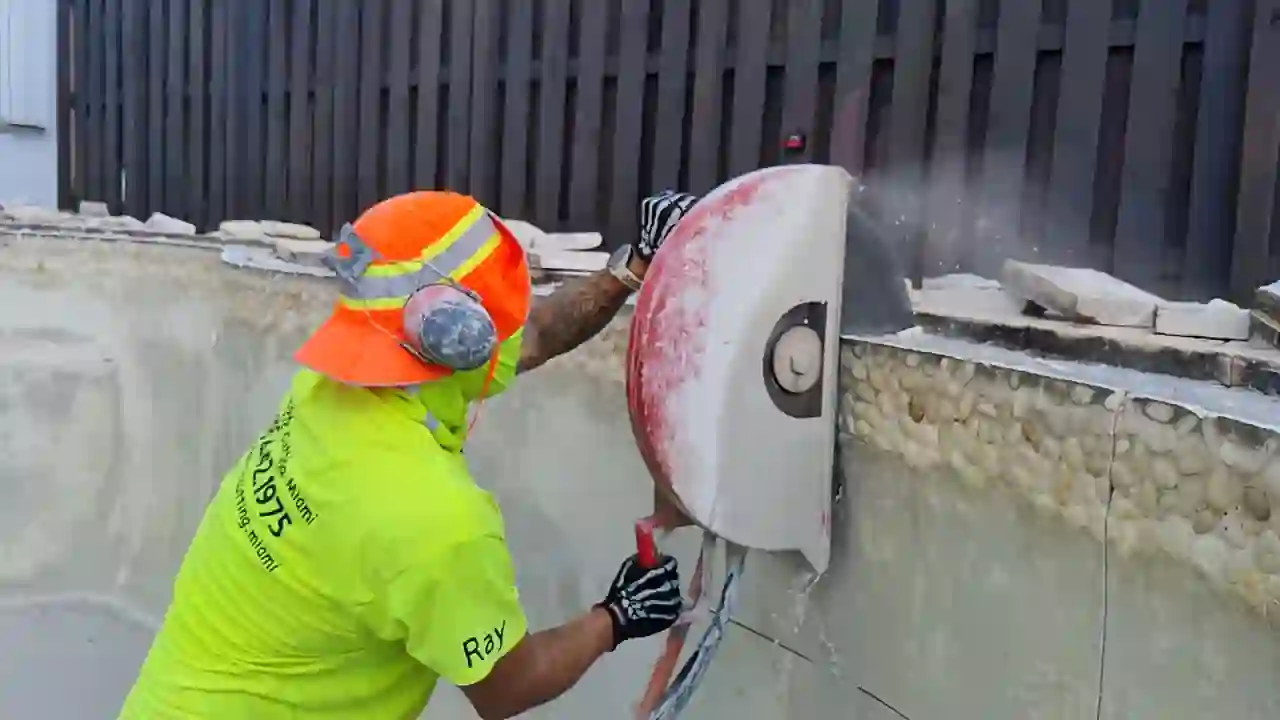
In many indoor pools, the equipment of choice is smaller saws and breakers that can be handled inside, with the debris conveyed out in manageable loads. The logistics are the hardest part of the job, and they are why indoor pool removal costs more per square foot than outdoor.
Drainage and Moisture Inside a Building
An indoor pool was designed to hold water, which means the surrounding structure was built around that moisture. Once you remove the pool, the building’s humidity profile changes, and you have to manage the water used in cutting and demolition so it does not damage floors and finishes.
We contain the water, control the dust, and keep the interior dry and protected. This is not optional. An indoor demo that lets slurry run across a finished floor or into walls is a recipe for mold and damage. Dust and slurry control is even more critical indoors.
Breaking Out the Shell
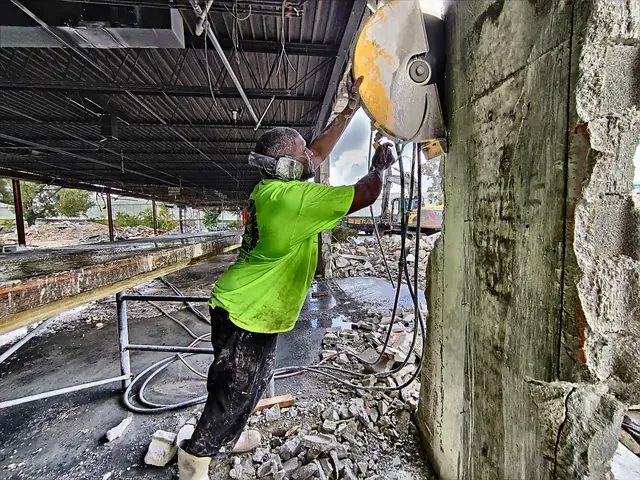
Pool shells are thick, reinforced concrete, and they are built to hold water pressure. Breaking one out takes real equipment and a plan. We saw the shell into manageable sections, then break and remove them, cutting the rebar as we go. The goal is to remove the shell without transmitting vibration into the rest of the building.
On an upper floor, this is even more delicate, because the pool sits on the structure itself. We cut in sections sized to the floor’s capacity, and we manage the debris weight so we do not overload the floor during removal. Pool shell construction dictates how it comes apart.
Filling and Repurposing the Space
Once the shell is out, the void has to be filled or repurposed. Most indoor pool removals end with the basin filled with compacted material and a new slab poured over it, turning the space into a room, a gym, or storage. The fill has to be compacted in lifts so the new floor does not settle.
Some owners keep the basin and convert it to a sunken room or a basement-level space, but that requires the surrounding structure to be waterproofed and finished for a dry use. We will walk you through the options and the costs for each.
What Indoor Pool Removal Costs
Indoor pool removal is priced on access, shell thickness, and the finish work after. The confined access and the need to protect the interior push the cost above an equivalent outdoor removal, but reclaiming a large interior space is often worth it compared to leaving a hazard in place.
Get a quote that includes access planning, dust and water control, debris removal, and the fill. A low number that skips any of those will cost you more in damage later.
What You Can Do With the Space After
The reason to remove an indoor pool is almost always the space. Once the shell is out and the void is filled, you have a large, dry, usable interior area where a liability used to be. The most common reuse is a home gym, a media room, or a large storage area, because the space is already conditioned and already inside the building envelope.
Some owners get more ambitious and turn the former pool into a sunken lounge or a wine room, keeping the depth instead of filling it. That costs more, because the shell has to be waterproofed and finished for a dry use, but the result is a striking feature. We walk each owner through the fill-versus-repurpose decision before the demo starts, because it changes how the shell comes out.
Reuse Options for a Removed Indoor Pool
- Fill and slab over: the standard, turns the void into a flat room.
- Home gym: the most popular reuse, already conditioned space.
- Media or game room: a large, windowless space that suits it.
- Storage: secure, dry, and out of the way.
- Sunken lounge: keep the depth, waterproof it, and finish it.
The right answer depends on the structure and the budget, and it is worth deciding before the demo so the removal is done to match the plan.
Why Indoor Pool Removal Costs More Than Outdoor
Indoor pool removal carries a premium over outdoor for reasons that are easy to understand once you see the job. The access is confined, so equipment has to be sized to fit through doors or brought in pieces, and every load of debris has to be wheeled out the same way. There is no backing a truck up to the pool and loading it directly, which is what makes outdoor removal faster and cheaper.
The protection is the bigger cost. An indoor pool is surrounded by finished space, and every step of the demolition has to protect the floors, the walls, and the air quality. Dust has to be captured, water has to be contained, and the vibration has to be managed so it does not crack the surrounding structure. That protection is labor, and it shows up on the invoice.
Finally, there is the finish work. Once the shell is out, the void has to be filled and the space finished, and that is a construction project on top of the demolition. The total is more than an outdoor removal, but the payoff is a large, dry, usable interior space where a hazard used to sit, and for most owners that math works out.
The structural question is the first one we answer. An indoor pool was often built as part of the building’s foundation or floor system, and removing it can change how the surrounding structure behaves. We assess whether the shell is load-bearing or independent before we cut, because an indoor pool that is tied into the structure has to be removed in a way that does not transfer movement into the rest of the building.
Ventilation is the part most people forget. Cutting and breaking concrete indoors releases dust and moisture into a contained space, and without proper ventilation the air quality drops fast. We run negative air and dust collection to keep the space safe and the rest of the building clean. Indoor work raises the stakes on dust and slurry control, because there is no open air to carry it away.
Weight is the final constraint, especially on an upper floor. A pool shell is hundreds of tons of concrete, and removing it changes the load on the floor below. We cut in sections sized to what the structure can handle, and we stage the debris so the floor is never overloaded. It is slower than an outdoor demo, but it is the only safe way to take a pool out of a building without compromising the floor it sits on.
We also confirm the drainage and waterproofing before we fill. An indoor pool sits in a waterproofed basin, and once it is removed, the surrounding area has to shed water the way the rest of the building does. Getting the fill and drainage right means the reclaimed space stays dry instead of becoming a new moisture problem. On an upper floor, that detail matters even more, because a leak finds the unit below, and the pool shell we remove has to be replaced by a fill engineered for the floor it now supports.
Reclaim Your Indoor Space
If you have an empty indoor pool in Miami-Dade or Broward, do not let it sit. Call us for an assessment, and we will map out the removal, the fill, and what the reclaimed space could become.
Indoor pool removal is a big job, but done right it turns a liability into square footage you will actually use.