The Difference Between a Clean Cut and a Cracked Slab
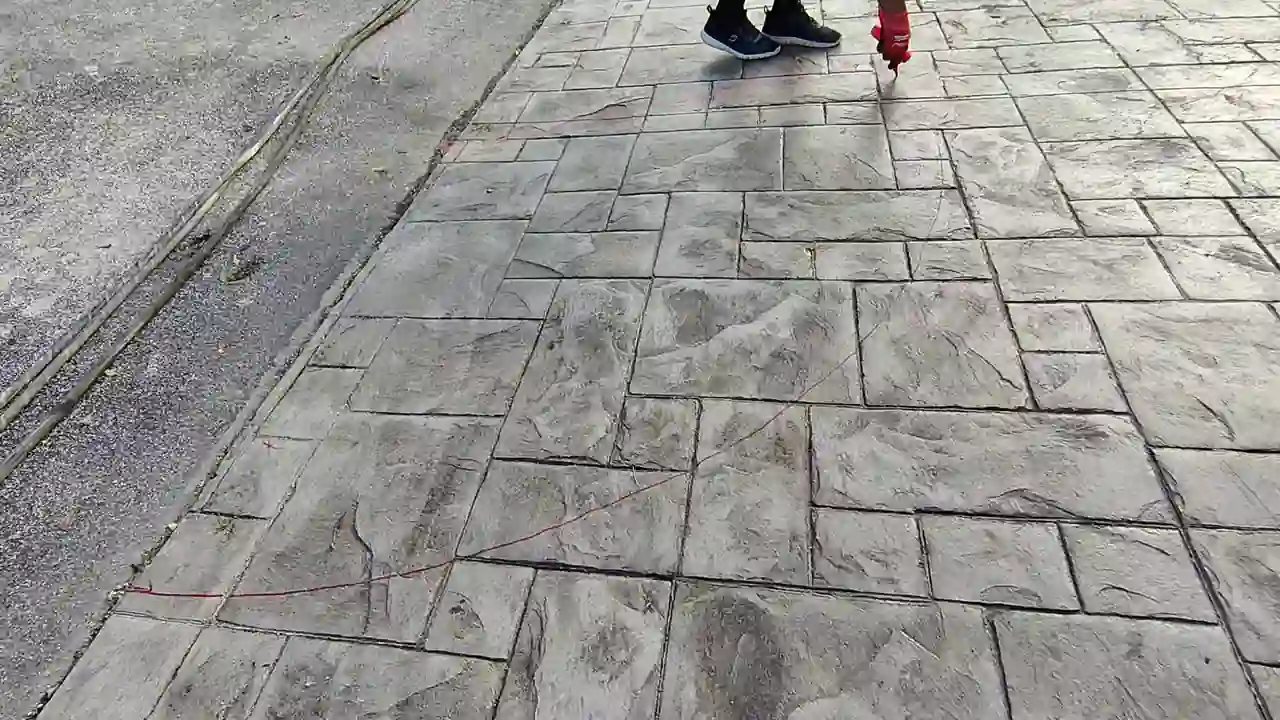
Cutting a concrete slab looks simple from the outside, but the difference between a clean cut and a cracked, chipped mess comes down to the saw, the blade, and the technique. A slab is under its own internal stress from curing and settling, and a bad cut releases that stress as cracks that run away from the line.
The goal is a straight, full-depth cut with clean edges, whether you are cutting a control joint, a trench for plumbing, or a section for removal. Get the method right and the slab behaves; get it wrong and you are chasing cracks across the floor. Slab sawing done right is a controlled process.
Choose the Saw for the Depth
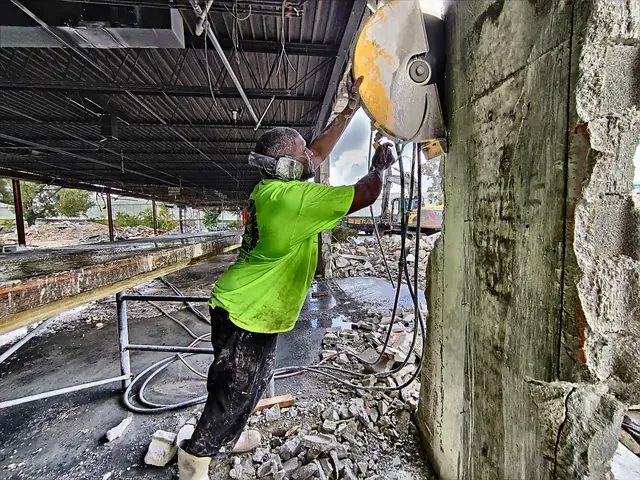
The saw has to be sized to the cut. A handheld cut-off saw handles shallow cuts and small jobs, while a walk-behind flat saw handles deeper cuts and long straight runs. The flat saw’s blade diameter sets the maximum depth, and you want a blade that reaches through the slab in a single pass when possible.
For a slab deeper than the blade can reach, you make multiple passes, but that is slower and harder to keep straight. Matching the saw to the depth is the first decision on any slab cut.
The Blade Has to Match the Concrete
The blade is where the cut actually happens, and it has to match the aggregate in the slab. Miami concrete varies from soft coral to hard granite, and the wrong blade bond will glaze or wear out fast. A segmented diamond blade handles most slab work, and a wet blade runs cooler and cuts cleaner.
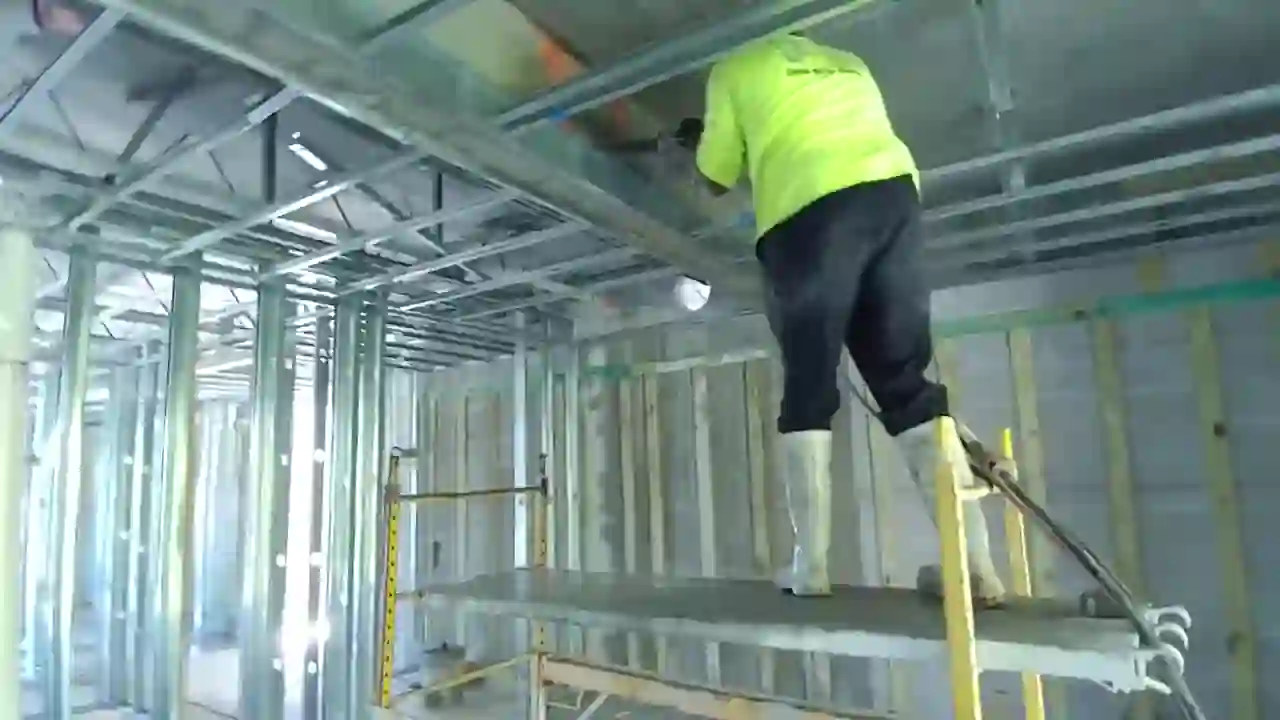
Wet cutting is the professional default, both to cool the blade and to control the silica dust. Matching the blade to the concrete is what keeps a slab cut clean and fast.
Lay Out a Straight Line and Follow It
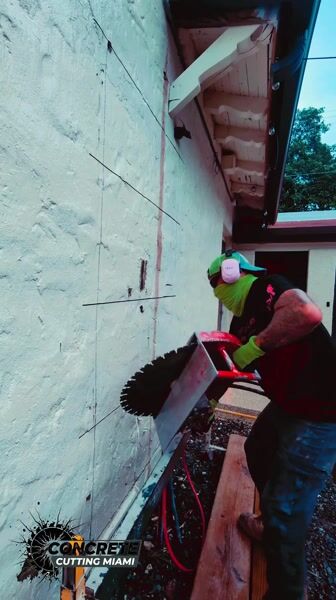
A slab cut is only as straight as the line you lay out. Snap a chalk line and follow it, guiding the saw steadily so the blade does not wander. For critical cuts, a guide board clamped to the slab keeps the saw on the line, and for long runs, a walk-behind saw’s front guide does the same job.
The feed rate matters too. Push too fast and the blade bogs and wanders; push too slow and you glaze the blade. The saw tells you the right speed if you listen to it.
Control the Depth
For a control joint, the cut only needs to be a quarter of the slab thickness to guide the crack. For a full-depth cut or a removal line, the cut has to go all the way through. Getting the depth right matters because an over-deep cut can nick utilities below, and an under-deep cut will not break clean.
Before cutting full-depth, know what is underneath. A scan locates pipes and conduit so the saw does not find them first. Trenching for utilities starts with that scan.
Cutting for Removal
When a slab section is coming out, the cut defines the removal line. We saw the full perimeter of the section, then break and lift it out within the sawed lines. The clean cut keeps the remaining slab intact and gives the patch a straight, stable edge to bond to.
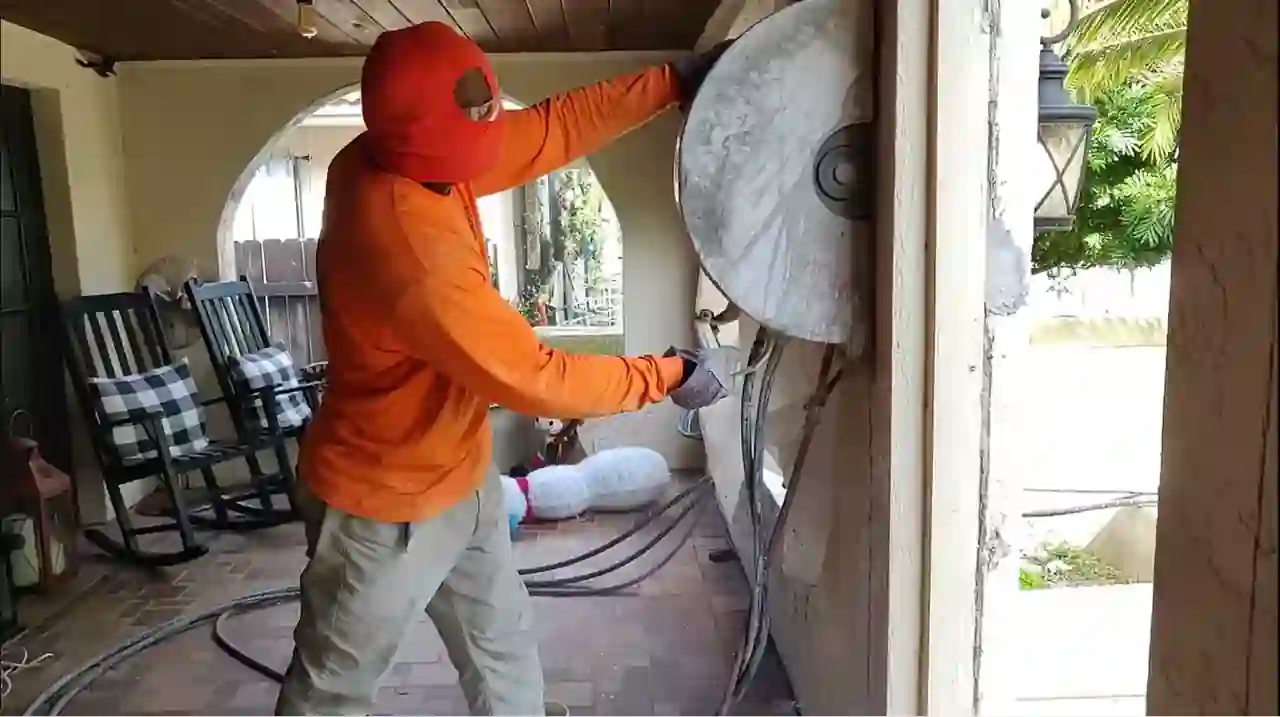
This is why cutting before breaking is the standard on removal. The saw line contains the break, and slab removal goes from a messy job to a controlled one.
Control Joints Versus Full-Depth Cuts
Not every slab cut goes all the way through, and knowing the difference is the first thing to get right. A control joint is a shallow cut, usually a quarter of the slab thickness, placed so the concrete cracks along the joint instead of randomly across the surface. A full-depth cut goes all the way through and is used for removal lines and trenches.
The depth matters because it changes the tool and the blade. A control joint needs a shallow pass with a smaller blade, while a full-depth cut needs a blade that reaches through the slab and often multiple passes. Getting the depth right also protects what is underneath, because a full-depth cut that goes too deep can nick plumbing or conduit below the slab.
Depth Rules That Keep a Slab Cut Clean
- Control joint: one-quarter of slab thickness, guides the crack.
- Full-depth: through the slab, for removal and trench lines.
- Scan first: know what is below before cutting full-depth.
- Single pass when possible: multiple passes are harder to keep straight.
- Wet cut: cools the blade and keeps the silica down.
These rules are simple, but they are the difference between a clean slab cut and a cracked, over-cut mess. The depth is the detail that matters most.
Why a Wet Cut Is the Default
Wet cutting is the default for slab work, and it is worth understanding why, because it changes the tool, the blade, and the result. Water cools the blade, which keeps the diamond bond working and the blade cutting clean. It also keeps the silica dust down, which is a health and compliance issue in Miami-Dade. A dry cut without proper dust control is both slower and more dangerous.
The water has a side benefit too. A wet cut produces a slurry that carries the concrete fines out of the cut, which keeps the cut clean and the blade free. The slurry then has to be captured and disposed of properly, but that is a manageable part of the job, and it is the price of a clean, compliant cut.
There are times dry cutting makes sense, mostly for small, shallow cuts where running water is impractical, but those are the exception. For anything deeper than a control joint, the wet saw is the right tool, and the water is what makes the cut fast, clean, and safe. A professional slab cut runs wet as a matter of course.
The subgrade matters when you are cutting for a patch or a re-pour. A clean, square cut gives the new concrete a straight edge to bond to, but if the subgrade under the removed section is soft or wet, the patch will not hold. We check what is under the slab before we cut, because a patch is only as good as the ground it sits on, and cutting is the first step, not the last.
For a control joint, timing matters as much as depth. The joint has to be cut early enough that the slab cracks along the joint and not randomly, which means cutting within the first day or so after the pour, while the concrete is still young. A joint cut too late is a line in a slab that has already cracked on its own. The slab thickness and joint schedule go together, and getting both right is what keeps a slab crack-free where it shows.
The subgrade check is the step that keeps a patch from failing. A clean cut gives the new concrete a straight edge to bond to, but if the ground under the removed section is soft or wet, the patch will settle and crack. We check what is under the slab before we cut, because a patch is only as good as the base it sits on. Cutting is the first step of a slab removal or patch, not the last.
Let a Pro Make the Cut
If you have a concrete slab to cut in Miami-Dade or Broward, call us. We will bring the right saw and blade, lay out a clean line, and cut it straight and to depth the first time.
A slab cut done right saves you from cracks, rework, and a patch that never quite looks right. Let us make the cut for you.