Commercial Concrete Is a Different Standard
Commercial concrete cutting is not residential work with a bigger saw. Commercial slabs are thicker, the reinforcement is heavier, the tolerances are tighter, and the schedule is driven by a lease or a construction deadline that does not move. The work has to be precise, fast, and coordinated with the other trades on site.
On a Miami commercial job, the concrete cutter is one piece of a larger project, and the cutting has to happen at the right time and the right place so the plumber, the electrician, and the framer can do their work. Commercial concrete solutions are about fitting into that schedule.
The Services Commercial Jobs Need
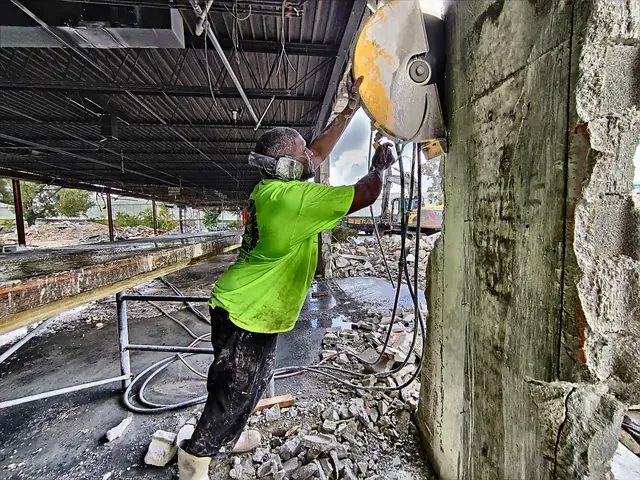
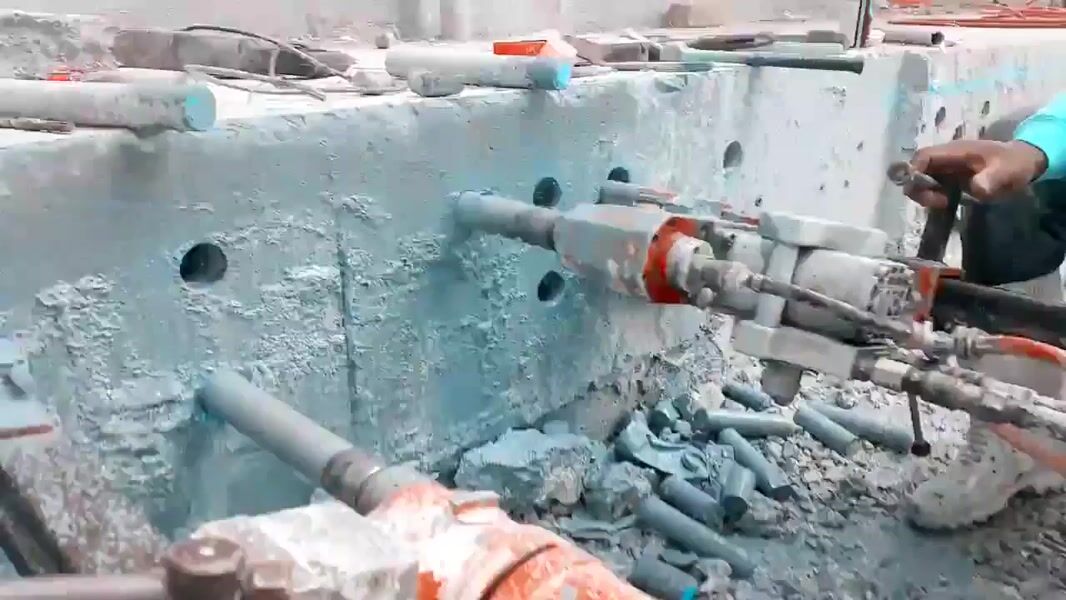
Core drilling is the constant on commercial jobs, cutting the precise holes for plumbing, electrical, data, and HVAC through slabs and walls. Wall sawing opens doorways and windows in concrete and block walls. Flat sawing cuts trenches, control joints, and slab sections. And demolition removes what has to go before the buildout starts.
Each of these has to be done to spec, because a core hole that is off by an inch or a trench that is too shallow becomes a costly rework for the next trade. Core drilling services are the backbone of commercial work.
Working Around an Open Business
Most commercial concrete work happens in buildings that are open for business, and that changes everything. The cutting has to be scheduled around operating hours, the dust and noise have to be controlled, and the work area has to be sealed off so customers and employees are not exposed.
We do a lot of work at night and on weekends for exactly this reason. A restaurant or a retail store cannot afford a saw running through lunch service, so the cutting happens after close. Commercial cutting is as much scheduling as it is sawing.
Heavy Reinforcement and Thick Slabs
Commercial concrete is thicker and more heavily reinforced than residential, which means the equipment and the blades have to be sized for it. A commercial slab might be six to twelve inches thick with a dense rebar grid, and cutting through that takes a bigger saw and a harder-working blade.
Cutting through heavy rebar is where experience shows. The saw has to cut the steel and the concrete together, and the blade and the feed rate have to be right or the cut slows to a crawl. Blade selection on reinforced concrete is a real skill.
Dust, Noise, and Compliance
Commercial jobs have higher compliance scrutiny, from silica dust rules to noise limits to waste disposal. We run water and vacuum dust collection, schedule loud work appropriately, and document the disposal of slurry and debris. The paperwork is part of the job on a commercial site.

A commercial contractor who cuts corners on compliance puts the whole project at risk. Safety and compliance are not optional on a commercial site.
Keeping the Project on Schedule
The real value of a commercial concrete cutter is reliability. When the cutting is done right and on time, the next trade starts on schedule and the project stays on track. When the cutting is late or wrong, the whole schedule slips, and in commercial construction, time is money.
We show up when we say, cut to spec, and hand the space over ready for the next trade. That reliability is what commercial general contractors hire us for.
The Paperwork Side of Commercial Cutting
Commercial concrete cutting is as much a documentation job as a cutting job. General contractors want cut sheets, the building owner wants proof of compliance, and the inspector wants the work done to the approved drawings. The cutting itself is the visible part, but the paperwork is what keeps the job moving through inspections and sign-offs.
Dust control documentation, slurry disposal records, and the cut locations all get tracked on a commercial job. A contractor who shows up with just a saw and no paperwork is going to stall the project at the first inspection. The documentation is part of the service, not an afterthought, and it is why commercial work demands a different level of contractor.
What a Commercial Cutting Contractor Provides
- Cut sheets: the planned cuts mapped and approved.
- Compliance documentation: silica and slurry control records.
- Coordination: scheduling around the other trades on site.
- Precision: cuts to spec so the next trade can work.
- Reliability: showing up on time so the schedule holds.
That is the full package a commercial job needs, and it is why commercial general contractors build relationships with cutters they trust rather than hiring whoever is cheapest.
Night Work and Off-Hours Cutting
A lot of commercial concrete cutting happens at night, and it is a different job after hours. The building is empty, the business is closed, and the cutting can happen without disrupting customers or employees, but the night shift brings its own demands. Lighting, noise limits, and coordination with building security all have to be managed.
The night work is often quieter and cleaner than people expect, because the cutting is done with water and dust control regardless of the hour, and the schedule means the work is done before the doors open in the morning. A restaurant or a retail store that closes at ten can have its concrete cut and the space ready by the time the morning shift arrives.
Night work is also where reliability matters most. If the cutting crew does not show, the business opens the next day with the job undone and the space torn up. That is why commercial managers value a contractor who shows up when they say, especially on the off-hours work where a no-show has real consequences for the next business day.
Coordination with the other trades is where commercial cutting succeeds or fails. The plumber, the electrician, and the framer all need their openings at a specific time in the buildout, and a cutter who shows up early or late throws the whole sequence off. We work off the master schedule and cut when the space is ready, which is why general contractors build relationships with cutters they can count on to hit a window.
The tolerances are tighter on commercial work. A core hole that is off by an inch, or a trench that is a half-inch shallow, becomes a rework that ripples through the schedule and the budget. Commercial drawings are cut to spec, not to a rough idea, and the commercial concrete cutting discipline is about hitting those numbers the first time. There is no “good enough” on a commercial slab.
The sequence with the other trades is where a commercial job is won or lost. The plumber, the electrician, and the framer all need their openings at a specific point in the buildout, and a cutter who shows up out of sequence forces everyone to wait or redo work. We cut to the master schedule and hand the space over ready for the next trade, which is why the schedule discipline matters as much as the sawing itself.
The cleanup is also part of the deliverable. A commercial space that is handed over dusty or littered with slurry is not ready for the next trade, and it reflects on the whole project. We leave the space clean and the openings cut to spec, so the next crew can walk in and start. That clean handoff is a small thing that keeps a commercial project moving, and it is part of the standard on every job we do.
Put a Commercial Crew on Your Project
If you have a commercial concrete cutting project in Miami-Dade or Broward, call us. We have the equipment, the experience, and the scheduling discipline to get your cutting done without slowing down your business.
From a single core hole to a full buildout, commercial concrete cutting done right keeps your project moving. Let us be the trade you do not have to worry about.