888 828-8646

Do Concrete Saws Cut Through Rebar The Short Answer Is Yes

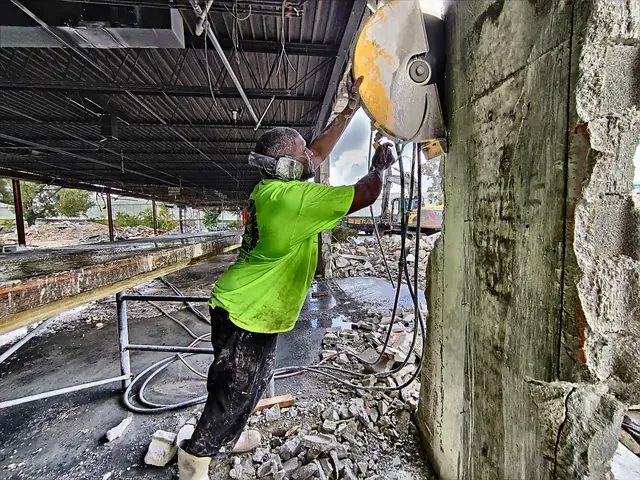
The question do concrete saws cut through rebar comes up constantly, and the short answer is yes. A diamond blade on a concrete saw will cut through steel reinforcement, and it does it every day on reinforced slabs and walls across Miami. But cutting rebar is a different process than cutting plain concrete, and it changes the blade, the speed, and the safety picture.

Most concrete in South Florida is reinforced, which means the saw is going to hit steel on almost every job. Understanding what happens when the blade reaches the rebar is the difference between a clean cut and a ruined blade. Let me explain what is actually going on.

Do Concrete Saws Cut Through Rebar What Happens When the Blade Hits Steel

How a Diamond Blade Cuts Both Concrete and Steel

A diamond blade does not cut the way a steel blade cuts wood. It grinds. The diamond particles embedded in the blade’s segments abrade the concrete and the steel alike, wearing both away into fine particles. Concrete is brittle and grinds away easily; steel is ductile and grinds more slowly, generating more heat and more wear on the blade in the process.

That is why cutting through rebar slows the saw down and shortens the blade’s life. The blade will get through the steel, but it works harder to do it. A good operator anticipates the rebar, slows the feed rate, and keeps the water flowing to manage the heat. Our guide to how a concrete saw works explains the physics in more detail.

Blade Selection Matters More When Rebar Is Present

When you know a cut is going to hit rebar, you choose the blade differently. A blade designed for reinforced concrete has a softer metal bond, which lets the diamond particles shed and expose fresh cutting edges as the blade wears. That keeps the blade sharp through the steel. A blade with a harder bond, meant for plain concrete, will glaze over when it hits rebar and stop cutting.

This is why asking “is there rebar in this slab?” before a cut is so important. The answer changes the blade the crew brings. Our guide to cutting reinforced concrete goes deep on matching the blade to the steel.

Heat, Water, and the Sparks You Might See

When a diamond blade cuts steel, it generates more heat than when it cuts concrete. That heat is the enemy, because it can glaze the blade or, in extreme cases, damage the steel around the cut. The cure is water. Wet cutting keeps the blade cool, suppresses the dust, and carries away the metal fines.

You might see sparks when the blade hits rebar, especially if the cut is dry or the water flow is low. Sparks are a sign the blade is working hard on steel, and a skilled operator responds by slowing down and checking the water. It is not a reason to stop, but it is a reason to pay attention.

Do Concrete Saws Cut Through Rebar What Happens When the Blade Hits Steel

Safety When Cutting Through Steel

Cutting rebar adds a few safety considerations. The blade is under more load, which increases the risk of binding or kickback if the cut wanders. The metal fines and dust need to be controlled, and the operator needs proper eye and respiratory protection. On a Miami job, the heat and humidity make hydration and pacing part of the safety plan too.

The structural side matters as well. When you cut through rebar, you are cutting the reinforcement that gives the concrete its strength. If the cut is in a load-bearing element, that reinforcement has to be accounted for in the design. Cutting rebar in a slab for a joint is routine; cutting rebar in a load-bearing beam is a structural decision that needs an engineer’s input.

How to Tell When You Are About to Hit Rebar

An experienced operator usually knows the blade is about to reach rebar before it happens. The sound of the saw changes, the resistance through the handles changes, and the color of the slurry shifts as the blade begins to grind steel instead of concrete. These are the tells that let a good cutter slow the feed and let the blade work through the steel instead of forcing it.

For a homeowner watching the job, these signs are less obvious, but they explain why the saw seems to slow down at certain points. That slowdown is the blade chewing through the reinforcement, and it is completely normal. Forcing the saw faster at that moment is what ruins blades. Our guide to how a concrete saw works explains what the operator is feeling for.

Post-Tension Cable Is a Different Story Entirely

There is one thing in a concrete slab that is far more dangerous to cut than rebar, and that is post-tension cable. Post-tension slabs are held together by steel cables under enormous tension, and cutting one can release that energy catastrophically, destroying the slab and seriously injuring anyone nearby. Rebar is routine; post-tension cable is a hazard that must be located before any cutting happens.

This is why scanning and plan review matter so much on Miami jobs, where post-tension construction is common in parking decks and some residential slabs. A professional never cuts blind, because the difference between rebar and a tension cable is the difference between a normal cut and a disaster. Our guide to concrete scanning explains how the hazards are found before the blade goes down.

Cutting Rebar in a Structural Element

Cutting rebar in a flat slab for a joint or a trench is routine, but cutting rebar in a structural beam or column is an engineering decision. The reinforcement in those elements is carrying real load, and removing it changes how the member behaves. Before a structural element is cut, an engineer has to determine what the effect will be and what reinforcement needs to be added or rerouted.

The saw will cut the steel either way, which is exactly why the engineering has to happen first. A blade does not know the difference between a routine cut and a structural one, but the building does. Our guide to cutting reinforced concrete covers the structural side of the decision.

The short answer is yes, a concrete saw with a diamond blade cuts through rebar every day, but the blade and the technique change. Standard diamond blades cut concrete by grinding the aggregate, and rebar is steel, which behaves differently under the blade. The blade has to be rated for reinforced concrete, and the operator has to slow the feed rate when the blade hits steel or the segments will glaze and stop cutting.

This is why scanning matters before you cut reinforced concrete. Knowing where the rebar is lets the operator plan the cut and manage the blade, and it prevents the jarring stop that happens when a blade meant for plain concrete slams into a bar. On a reinforced slab, cutting through the steel is expected; hitting it by surprise is the expensive part. A good operator reads the reinforced concrete and rebar before the saw ever starts.

The saw is only half the answer; the other half is what happens to the cut after the steel is severed. Cutting rebar leaves the ends exposed, and in a wet or coastal environment those ends will rust if the concrete is not patched and sealed properly. The cut through the rebar is routine; the protection of the steel after the cut is the detail that determines whether the opening stays sound. That is why a reinforced cut always ends with the patch, not with the saw.

The Bottom Line on Cutting Rebar

Concrete saws cut through rebar all the time, and a professional crew expects to hit steel on most jobs. The key is the right blade, the right water, and the right pace. If you are planning a cut and you know there is rebar, say so when you get your quote. It changes the blade, the price, and sometimes the engineering, and it is always better to plan for the steel than to be surprised by it.

Related Content

↑ Back to Top
[noptin-form id=33038]