Cutting Concrete Slab for Plumbing Why Precision Matters More Than Speed
Cutting a concrete slab for plumbing is one of the most common concrete cutting jobs in Miami, and one of the most misunderstood. A homeowner discovers a slab leak, or a remodel needs a bathroom moved, and suddenly a saw is opening up the floor. Done right, it is a clean trench, a fast repair, and a patch you will never see. Done wrong, it is a cracked slab, a nicked pipe, or a drain line that was cut through by mistake.
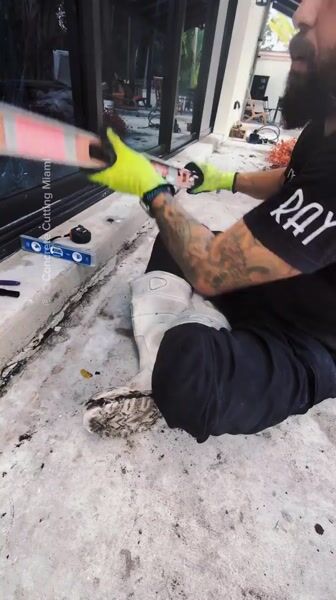
The key is understanding what is under the slab before the blade goes down. In Miami, plumbing runs through the slab or just beneath it, and the pipes are rarely where a layperson assumes. Let me walk through the process we use on South Florida homes.
Locate the Lines Before You Cut Anything
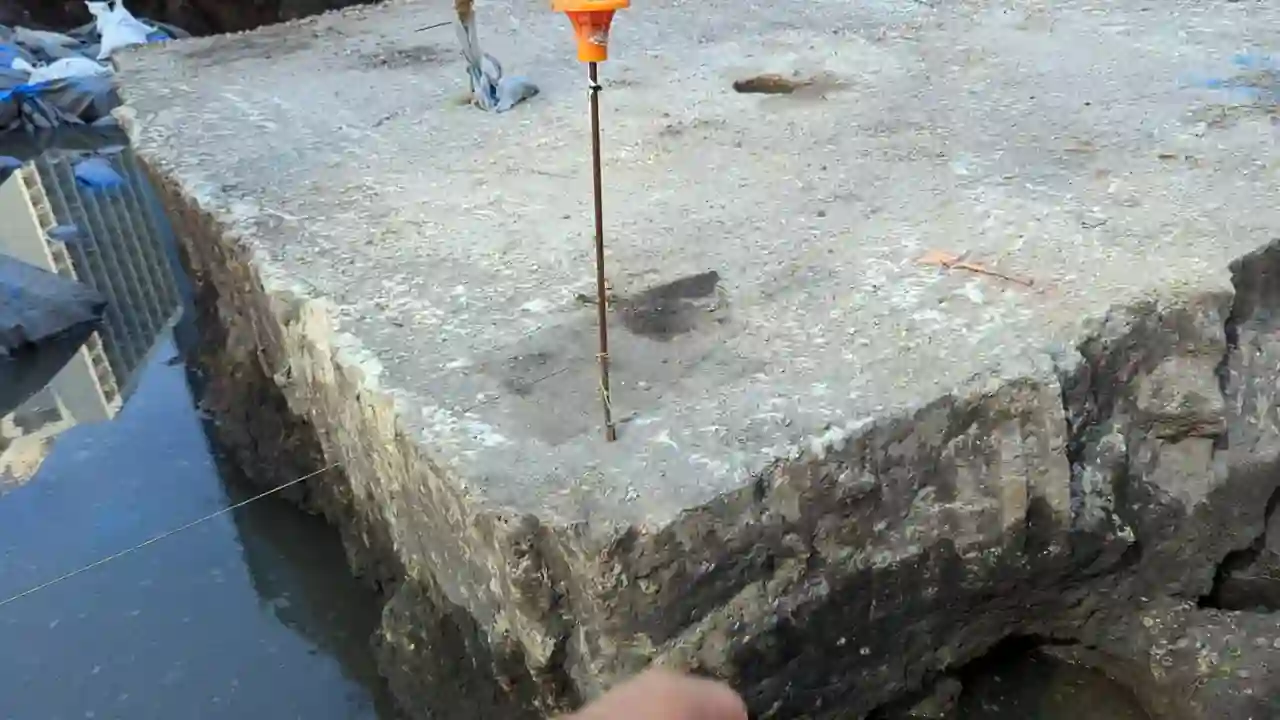
The first step is never the saw. It is locating exactly where the pipes, conduit, and any post-tension cables run under the slab. A professional crew in Miami uses core drilling and scanning or ground-penetrating radar to map the area before cutting. Cutting blindly into a slab and hitting a sewer line or an electrical conduit turns a simple repair into an emergency.
This is especially important in older Miami homes where the as-built drawings are long gone and the pipes have been moved more than once. A scan before the cut is cheap insurance. Skipping it is how a $600 trench becomes a $6,000 repair.
Choose the Right Saw for the Cut
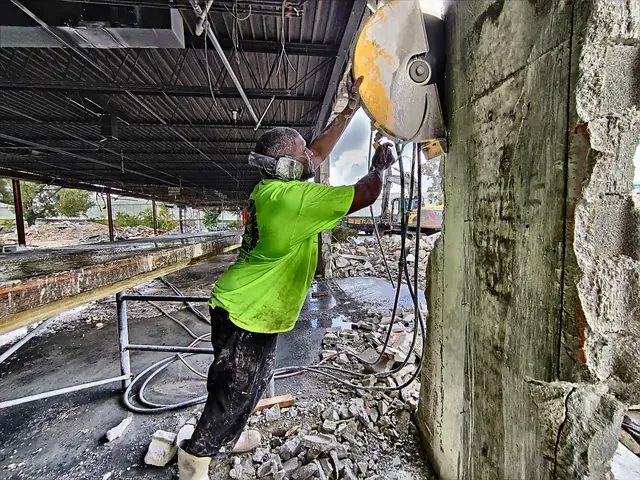
For a typical interior slab that is four to six inches thick, a walk-behind flat saw or a hand-held cut-off saw is the standard tool. The blade has to be sized for the full depth of the cut, and on a reinforced slab it has to be able to handle the steel. Cutting through rebar with the wrong blade glazes the diamond and slows the whole job to a crawl.
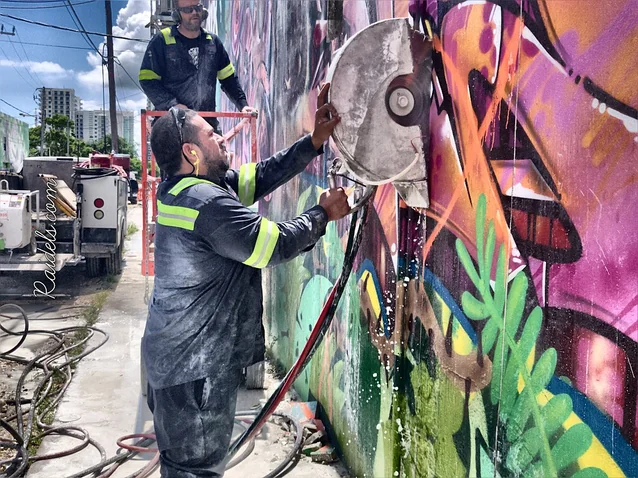
We cut wet whenever possible. The water cools the blade, keeps silica dust out of the air, and produces a cleaner cut. In a finished home, that means sealing off the work area and setting up containment so the slurry does not spread. The goal is a straight trench with clean edges, because a straight trench patches cleanly and a jagged one does not.
Protect the Pipes You Are Trying to Fix
The irony of slab cutting for plumbing is that the very pipes you are working on are the ones most at risk from the saw. A careful operator cuts to the proper depth and uses a lighter touch as they approach the pipe. The standard is to expose the pipe with the saw, then finish the excavation by hand or with a small tool so the pipe itself is never touched by the blade.
Depth control is the whole game. Most Miami slab plumbing sits between 18 and 30 inches below the surface, but the pipe is often bedded in sand or gravel that makes it easy to over-cut. A professional watches the depth constantly and adjusts. That is why flat sawing for trenching is a skill, not just a machine rental.
Miami Code and the Water Table Factor
Plumbing work in Miami-Dade has to meet local code, and the water table is a constant factor. In many neighborhoods the water table is high enough that a slab trench will slowly take on water, especially after a heavy rain. That water has to be managed during the repair, and the trench has to be properly backfilled and compacted so the slab does not settle later.
A settled slab is the classic sign of a poor backfill. When the trench is refilled with loose soil that was not compacted in lifts, the patch sinks and the floor develops a visible dip or a crack. A professional backfills in lifts and compacts each one, then patches the concrete so it bonds with the surrounding slab. That is the difference between a repair you never notice and one you feel underfoot for years.
The Difference Between a Slab Leak and a Line Replacement
Not every plumbing job under a slab is the same, and the concrete work changes with it. A pinpoint slab leak often needs only a small, surgical opening to reach the bad joint or fitting. A full line replacement means a long trench across the floor, which is a much bigger cut and a much bigger patch. Knowing which one you have shapes the entire job.
A professional starts by diagnosing the leak, because opening more concrete than you need wastes money and leaves more floor to patch. The goal is the smallest opening that gives the plumber clean access. Our guide to core drilling for plumbing shows how precise penetrations can reduce the concrete work on many jobs.
Working Inside a Finished Home
Cutting a slab inside a finished Miami home is a different job from cutting a garage floor. The area has to be sealed off, the dust contained, and the slurry managed so it does not reach the flooring or the drywall. This is where the cost of a careful contractor pays off, because a sloppy cut in a living room leaves a mess that costs more to clean than the cut itself.
The dust is the biggest concern. Even with water, slab cutting generates silica dust, and in an enclosed home it has nowhere to go. Containment and ventilation are not optional. Our guide to concrete dust and silica exposure explains what proper protection looks like indoors.
Sequencing With the Plumber to Save a Day
The concrete cut and the plumbing repair are two trades that have to work in sequence, and the scheduling is where projects lose time. The slab should be opened just before the plumber arrives, not days earlier, so the trench does not sit open taking on water. After the repair, the backfill and patch should follow quickly so the floor is closed before anything shifts.
When the cutter and the plumber coordinate, the whole job moves faster and costs less. This is why a contractor who handles both sides, or who works closely with your plumber, is worth finding. Our guide to how cutting and drilling work together explains the sequencing in more detail.
The backfill and patch deserve as much attention as the cut itself, because that is where the quality shows up later. Concrete that is patched over loose, uncompacted fill will settle and leave a dip or a crack you feel underfoot for years. The right repair compacts the fill in lifts, ties the new concrete into the surrounding slab with dowels where needed, and cures the patch slowly so it bonds instead of shrinking away from the edges.
It is also worth confirming whether the repair requires a plumbing inspection before the trench is closed. In Miami-Dade, a slab repair that touches the sanitary or water line often has to be inspected with the trench still open, and closing it early means opening it twice. A contractor who sequences the core drilling and plumbing around the inspection saves you a full day and a second patch.
What It Should Cost and How Long It Takes
Pricing for slab cutting for plumbing depends on the length and depth of the trench, the reinforcement, and the access. A short straight trench in an open garage is quick; a long trench through a finished living room with furniture to move is not. Expect the cutting itself to be a small part of the total plumbing bill, but do not skimp on the saw work, because it sets up everything else. Get a scan, cut wet, protect the pipe, and backfill properly, and the whole repair goes smoothly.