Concrete Cutter Service What You Are Really Paying For
When you hire a concrete cutter service, you are not renting a saw with a guy attached to it. You are buying a sequence of work that starts before the blade spins and ends after the last piece of debris is hauled away. The saw is just the most visible part of a much larger job, and understanding the whole sequence is how you tell a real service from a side-gig operator.
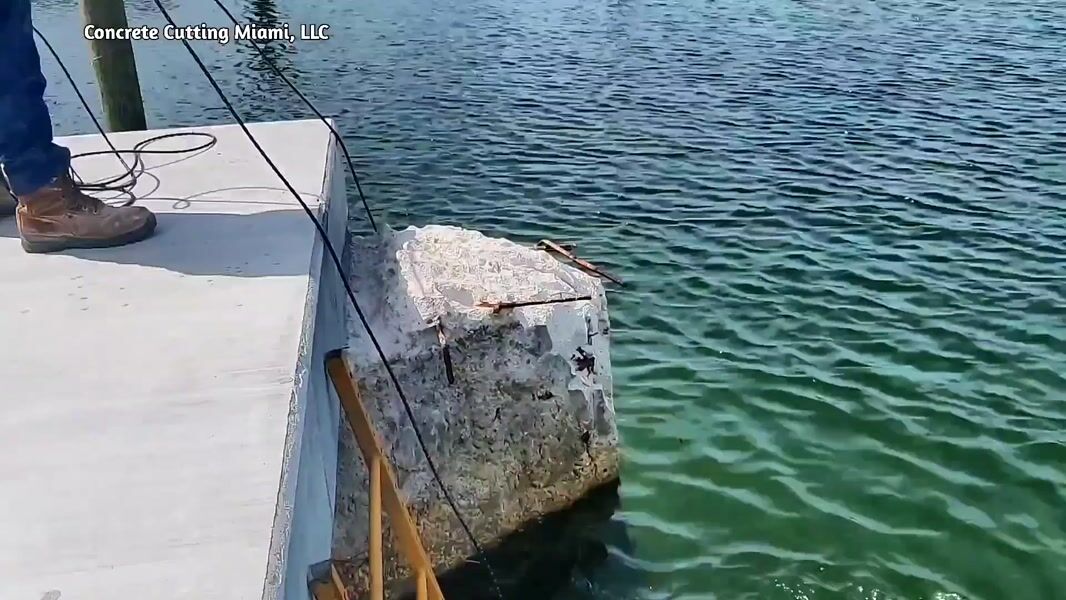
In Miami, where concrete work is constant and the environment is unforgiving, a full-service cutter earns their fee in the details. Let me break down what a professional crew actually delivers on a typical job.

Site Assessment and Scanning Come First
A professional concrete cutter service starts with a site assessment. What is the concrete, how thick is it, is it reinforced, and what is inside it? If there is any question about rebar, conduits, or post-tension cables, the crew scans the concrete before cutting. This is the step that prevents the disasters you never hear about, because they were caught early.
Scanning is not a luxury. In an older Miami building, hitting a live conduit or a tension cable can turn a simple opening into a repair that costs ten times the cut. The best services include scanning in their quote, and if they do not, you should ask why. Our guide to concrete scanning explains what to expect.
Equipment, Training, and the Right Tool for the Cut
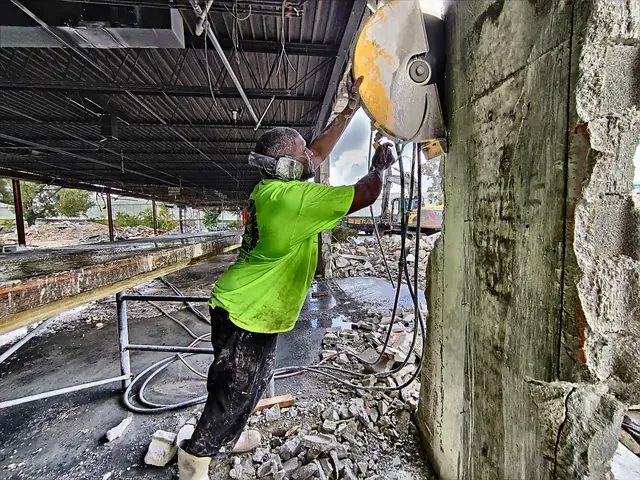
A full-service cutter shows up with the right equipment for the specific cut, not just whatever saw fits in the truck. That might mean a walk-behind flat saw for a slab, a track-mounted wall saw for an opening, a core drill for a round penetration, or a concrete chainsaw for tight corners. The crew knows which tool to use and, just as important, how to match the blade to the aggregate and the reinforcement.
Training is the invisible part. A professional operator has cut hundreds of slabs and walls, and they know how a Miami slab with coral aggregate behaves differently from a granite mix. They manage the water, control the dust, and read the material. That experience is why professional concrete cutters deliver results a rented saw never will.
Slurry Control and Environmental Compliance
Concrete cutting is a wet process, and the slurry it produces is regulated. In Miami-Dade, that slurry cannot go into a storm drain or soak into the groundwater. A professional service contains it, vacuums it, and disposes of it properly. This is a cost that shows up in every legitimate bid, and it is one of the first things a fly-by-night operator skips.
The same goes for silica dust. Wet cutting suppresses most of it, but the operator still needs respiratory protection, and the work area needs containment when the job is indoors. Compliance with OSHA silica standards is part of the service, not an add-on you have to request.
Haul-Off and a Clean Site at the End
The job is not done when the last cut is made. A full-service cutter handles the debris, whether that is a pile of broken slab, slurry waste, or a few core samples. They load it, haul it, and leave the site clean enough for the next trade to walk in. This is a bigger deal than it sounds, especially on tight Miami sites where there is nowhere to stage a dumpster.
Ask any contractor what they value, and cleanup is always on the list. A service that leaves a clean site saves you the time and cost of arranging your own haul-off, and it means the job is actually finished, not just mostly done.
What a Typical Service Call Looks Like
A concrete cutter service call follows a predictable rhythm, and knowing it helps you plan. It starts with a site visit or a detailed conversation about the concrete, then a quote, then the cutting itself, and finally the cleanup. The better the front-end work, the smoother the day of the cut, because the crew arrives already knowing what they are cutting and what they will find.
On the day of the job, a professional crew sets up containment, runs the saw wet, makes the cuts, and manages the slurry as they go. The work is methodical rather than rushed, because a rushed cut is a sloppy cut. At the end, they clean the site and walk you through what was done. Our guide to residential concrete cutting walks through what a typical home job involves.
Commercial Versus Residential Service
Concrete cutter services work on both homes and commercial buildings, but the two are run differently. Commercial work often means thicker concrete, more reinforcement, tighter schedules, and stricter safety requirements. The equipment is heavier, the stakes are higher, and the coordination with other trades is constant.
Residential work is usually smaller and more personal, but it carries its own challenges, like protecting finished spaces and working around a family’s schedule. A service that does both knows how to shift gears, and that flexibility is worth something. Our guide to cutting concrete in Miami covers how the work scales up and down.
Questions to Ask Before You Book
Before you book a concrete cutter service, ask a handful of questions that reveal how they work. What saw will you use, and why? How will you handle slurry? Have you cut concrete like mine before? Are you licensed and insured? A professional answers each one without hesitation, and their answers tell you what the job will actually look like.
These questions matter more than the price, because a service that answers well is a service that will show up prepared. A service that dodges the questions is a service that will figure it out on your dime. Our guide to finding the right concrete cutting company walks through the full list.
The difference between a service and a saw rental shows up in the first phone call. A full-service cutter asks about the concrete, the access, and the schedule before they ever mention price, because they are building the scope in their head. A rental counter asks what size saw you want. The questions the contractor asks are the best predictor of how the job will go, and they cost you nothing to notice.
Ask what happens to the debris before you book. Concrete and slurry waste cannot simply be left at the curb, and on a tight Miami site there is often nowhere to stage a dumpster. A full service includes haul-off and can usually route the concrete to a recycler, which is cheaper and cleaner than the landfill. If cleanup and disposal are not in the quote, they will be a surprise later.
The price you are quoted is really a bundle of smaller services, and understanding that bundle is how you compare bids fairly. Scanning, blade selection, water and slurry control, haul-off, and cleanup are all separate line items that a legitimate service includes and a cheap operator skips. When one bid comes in far below the others, the missing line items are usually where the difference went, and you will pay for them later either in cash or in a mess you have to clean up yourself.
Finally, trust the specificity of the answers over the polish of the pitch. A professional tells you exactly which saw they will bring and how they will handle the slurry, while a salesperson talks around the question. The crew that answers in specifics on the phone is the crew that shows up prepared on the day.
How to Pick the Right Concrete Cutter Service
When you compare concrete cutter services, compare the full scope, not just the price. Does the quote include scanning, slurry control, and haul-off? Is the crew licensed and insured? Do they ask about your schedule and your access constraints? The answers tell you whether you are hiring a service or just a saw. Choose the crew that delivers the whole sequence, and your cut will be clean, compliant, and complete.