Why Vertical Concrete Cutting Bids Vary So Wildly from Contractor to Contractor
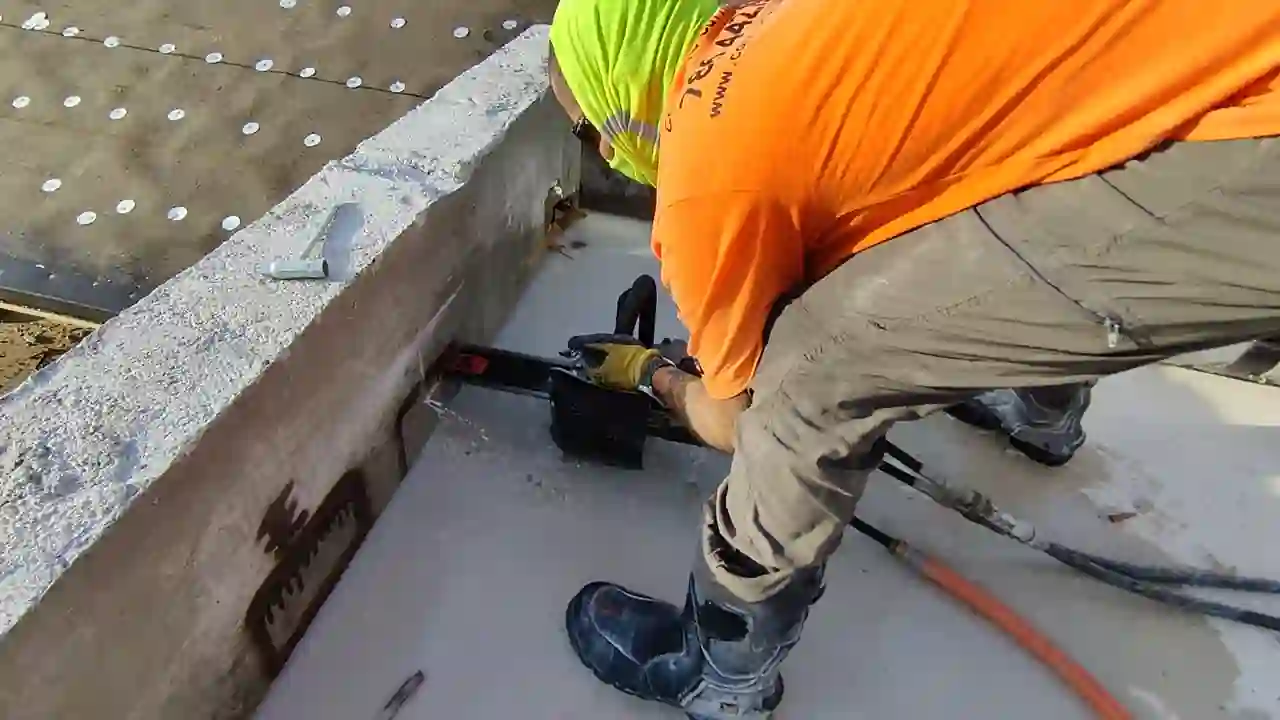
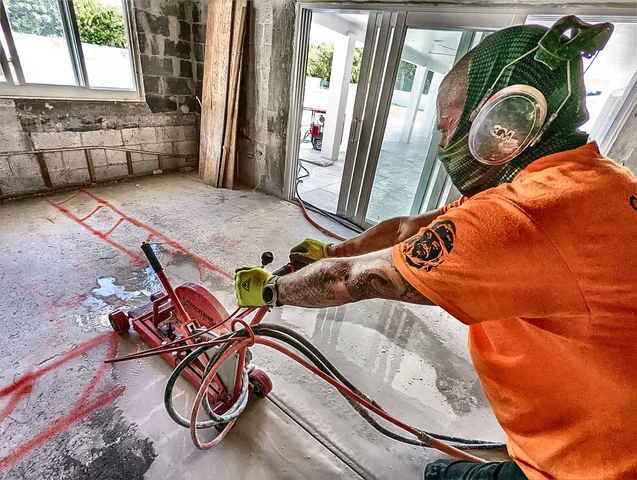
If you’ve ever sent out an RFQ for vertical concrete cutting and received three bids that look like they came from three different planets, you’re not imagining things. Vertical concrete cutting — the process of making precise, flat cuts through walls, columns, piers, and vertical slabs using diamond-tipped wall saws or wire saws — is one of the most specification-sensitive services in the concrete trade. A 12-inch reinforced wall in a Miami Beach high-rise is not the same job as a 6-inch CMU partition in a Doral warehouse, even if both quotes say “wall sawing” on the invoice. Understanding what actually drives the cost of vertical concrete cutting is the difference between a profitable project and a change-order nightmare.
The Core Technical Variables That Set the Price Floor
Before any estimator puts a number on paper, four technical variables define the absolute floor of what vertical concrete cutting will cost on a given project. Ignoring any one of these is how contractors lose money — and how owners end up with surprise invoices.
Wall Thickness and Aggregate Hardness
Wall thickness is the single most influential variable in vertical cutting cost. Standard diamond wall saw blades are rated for specific depth capacities — typically up to 24 inches per pass for large-format hydraulic wall saws. Anything beyond that requires either a double-sided cut (adding labor time and mobilization complexity) or a transition to diamond wire sawing. In South Florida, you’ll commonly encounter walls ranging from 6-inch poured-in-place residential concrete to 36-inch post-tensioned shear walls in high-rise cores. Each step up in thickness can increase per-linear-foot pricing by 30% to 80%.
Aggregate hardness is equally critical. Miami-Dade construction frequently uses limestone-based aggregates, which are softer than granite-based mixes common in other regions. Softer aggregate is easier on blades, which lowers consumable costs. But if you’re cutting a wall poured with hard silica or recycled aggregate — both increasingly common in sustainable construction — blade wear accelerates dramatically, and that cost gets passed to the client. A good estimator will ask for a concrete mix design or at minimum a core sample before pricing a large vertical cutting scope.
Rebar Density, Spacing, and Post-Tensioning
Standard rebar at 12-inch on-center spacing in a 6-inch wall is a baseline condition. Double-mat rebar at 6-inch spacing in a 24-inch wall is an entirely different animal. Diamond blades cut through rebar, but each bar contact degrades the blade segment, reduces cutting speed, and increases heat generation. Estimators typically apply a rebar surcharge of 15% to 40% depending on steel density. Post-tensioned walls require a pre-cut investigation phase — GPR scanning to locate tendon paths is non-negotiable, and that scanning cost (typically $350 to $800 per scan area) must be built into the bid. Cutting a live tendon without warning can result in catastrophic wall failure, serious injury, and six-figure liability exposure. This is not a line item to value-engineer out.
Per-Linear-Foot Pricing in the Miami Market — Real Numbers
Contractors in the Miami-Dade and Broward markets are currently quoting vertical concrete cutting in the following ranges based on wall type and site conditions:
- 6-inch unreinforced concrete or CMU walls: $18 to $28 per linear foot
- 6-inch single-mat reinforced concrete: $28 to $42 per linear foot
- 12-inch double-mat reinforced concrete: $55 to $85 per linear foot
- 24-inch post-tensioned shear wall (wire saw required): $120 to $200+ per linear foot
- Openings in existing load-bearing walls (with temporary shoring): Add $400 to $1,200 per opening for shoring coordination
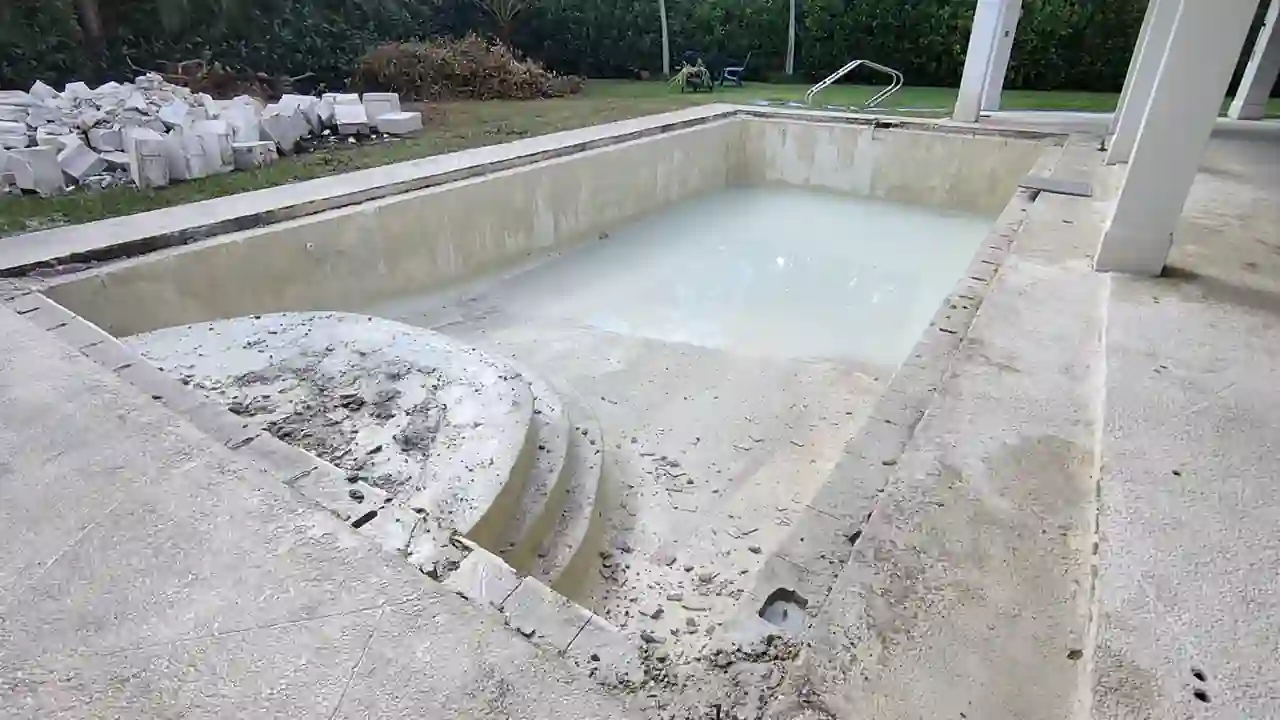
These numbers reflect blade consumables, labor, equipment amortization, and standard debris management. They do not include engineered shoring, structural engineering oversight, or hazardous material abatement — all of which are separate line items that frequently appear in Miami’s aging commercial building stock. For projects involving significant construction waste disposal, particularly in urban infill sites where dumpster access is restricted, add a waste logistics surcharge of 8% to 15% of the total cutting scope.
Timeline Estimation for Vertical Cutting Scopes — What the Schedule Actually Looks Like
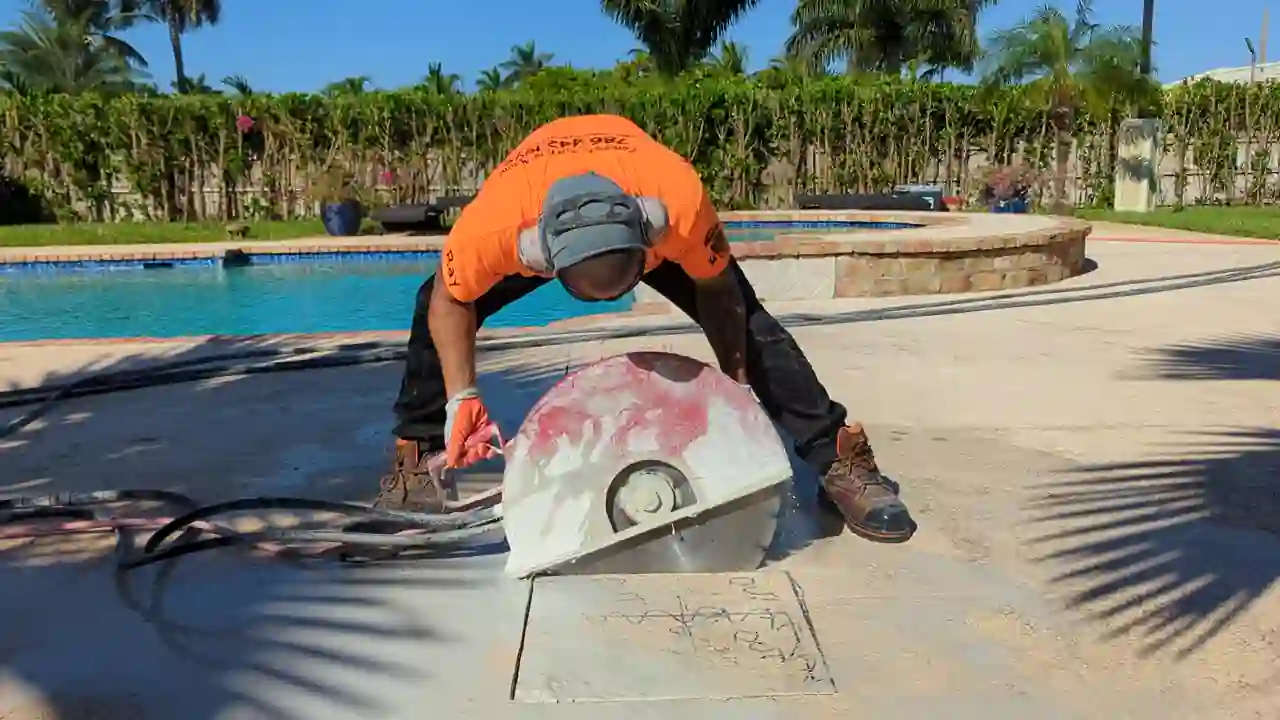
One of the most common scheduling errors on mixed-use renovation projects is underestimating how long vertical concrete cutting takes when factored against real-world site constraints. Here’s a practical breakdown.
Production Rates by Equipment Type
A hydraulic wall saw with a 20-inch blade cutting a 6-inch reinforced wall will produce approximately 15 to 25 linear feet per hour under ideal conditions — meaning clean blade access, adequate water supply for cooling, and no overhead obstructions. A 12-inch double-mat wall drops that production rate to 6 to 12 linear feet per hour. Diamond wire saw setups on thick post-tensioned walls can slow to 2 to 5 linear feet per hour depending on wire diameter and tension management.
These production rates assume continuous operation. In real Miami job sites — particularly high-rise renovations in Brickell, Edgewater, or South Beach — you’re rarely getting continuous operation. Elevator access windows, noise ordinance restrictions, trade stacking conflicts, and concrete slurry management in occupied buildings all fragment the workday. A scope that looks like a 2-day job on paper routinely becomes a 4 to 5-day job in the field.
Mobilization and Demobilization Time
Mobilization for a hydraulic wall saw setup — including equipment transport, water supply rigging, anchor bolt installation for track mounting, and safety perimeter establishment — typically runs 2 to 4 hours per setup location. If your project has multiple wall openings in different areas of a building, each relocation is a new mobilization event. A project with 8 openings spread across three floors is not an 8-opening project; it’s effectively 8 separate mini-mobilizations, and the timeline must reflect that.
What Drives Change Orders on Vertical Cutting Contracts
The three most common sources of change orders on vertical concrete cutting contracts in Miami are: undisclosed post-tensioning, subsurface utility conflicts, and inadequate slurry management planning. The first two are largely preventable with proper pre-construction investigation. The third is a site logistics failure that falls on the GC as much as the cutting subcontractor.
Post-tensioning conflicts are particularly prevalent in South Florida’s commercial building stock from the 1980s and 1990s, where as-built drawings are frequently inaccurate or missing entirely. For any vertical cutting scope in a building of that era, GPR scanning should be specified in the contract documents — not left as an optional line item. Projects involving concrete cutting for pipelines and utility penetrations through post-tensioned walls carry the highest risk profile and should be scoped with a mandatory investigation phase before any blade touches concrete.
Slurry management in occupied or semi-occupied buildings is a growing cost factor. Diamond wet cutting produces a continuous stream of concrete slurry — a mixture of water, pulverized concrete, and diamond particles — that must be contained, collected, and disposed of as a regulated waste stream in many Miami-Dade project types. Underestimating slurry volume and disposal costs is a frequent source of budget overruns. For reference, cutting 100 linear feet of 12-inch reinforced wall can generate 80 to 120 gallons of slurry requiring proper handling.
Bidding Strategy for Owners and GCs Procuring Vertical Cutting Services
If you’re a general contractor or owner’s representative putting together a bid package for vertical concrete cutting, the quality of your scope documents directly controls the spread of your bids. Vague scopes produce wide bid spreads because each contractor is pricing a different risk scenario. Tight scopes produce competitive, comparable bids.
Your bid package should include: wall thickness callouts for every cut location, available GPR scan data or a requirement for the subcontractor to provide it, rebar placement drawings or a note that rebar density is unknown (with a unit-price allowance), water supply availability at each work area, access restrictions and working hour limitations, and a clear statement on slurry disposal responsibility. Projects in Miami-Dade with complex access conditions — particularly those involving slab removal in Miami-Dade concurrent with vertical cutting — should include a site logistics narrative so all bidders are pricing the same operational constraints.
For owners unfamiliar with the equipment selection process, the ultimate guide to choosing the right demolition equipment provides a solid foundation for understanding how tool selection affects both cost and schedule on concrete cutting projects.
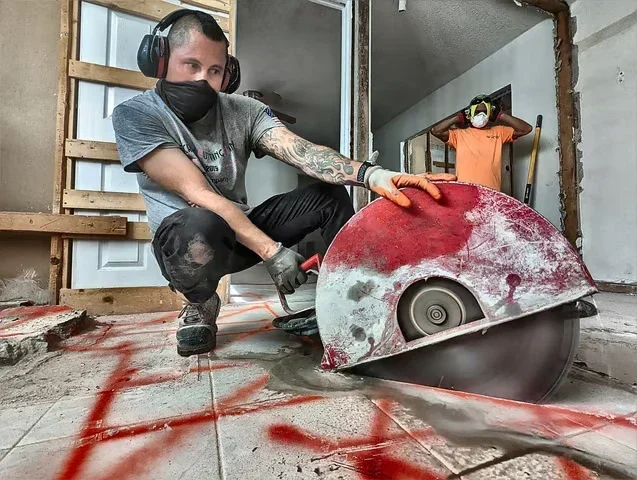
The Bottom Line on Budgeting Vertical Concrete Cutting Into Your Project
Vertical concrete cutting is a precision trade that rewards thorough pre-construction planning and penalizes scope ambiguity with change orders and schedule delays. In the Miami market, where building stock ranges from 1960s poured-in-place residential to cutting-edge post-tensioned commercial construction, no two vertical cutting scopes are truly alike. Budget based on confirmed wall specifications, build in a 10% to 15% contingency for subsurface unknowns, require GPR scanning on any structure built before 2000, and select your contractor based on equipment capability and field experience — not just the lowest number on the bid sheet. The cheapest vertical cutting bid is almost never the cheapest vertical cutting project.