How to get rid of a pool — the Miami homeowner’s guide to turning a swimming pool back into a yard
If you own a Miami home with a swimming pool you no longer want — or never wanted, but it came with the house — you have probably searched how to get rid of a pool more than once. The pool costs money every month in electricity, chemicals, and maintenance. It takes up yard space you would rather use for something else. It is a liability concern if you have young children or pets. And it is not going to fix itself. Getting rid of a pool in Miami-Dade County is a major construction project, but it is a project with a defined process, predictable costs, and a result that transforms your property.
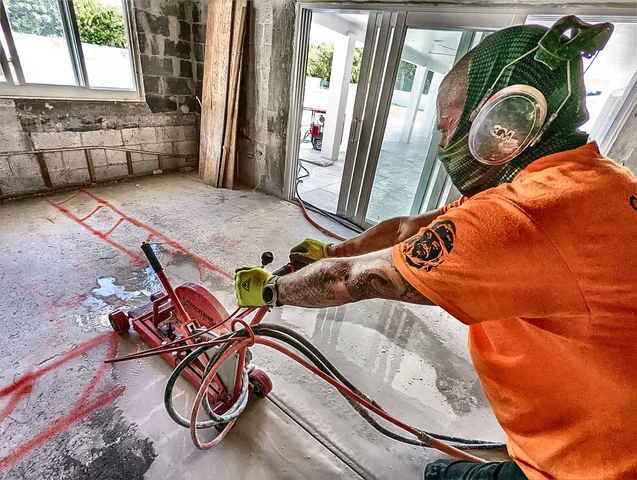
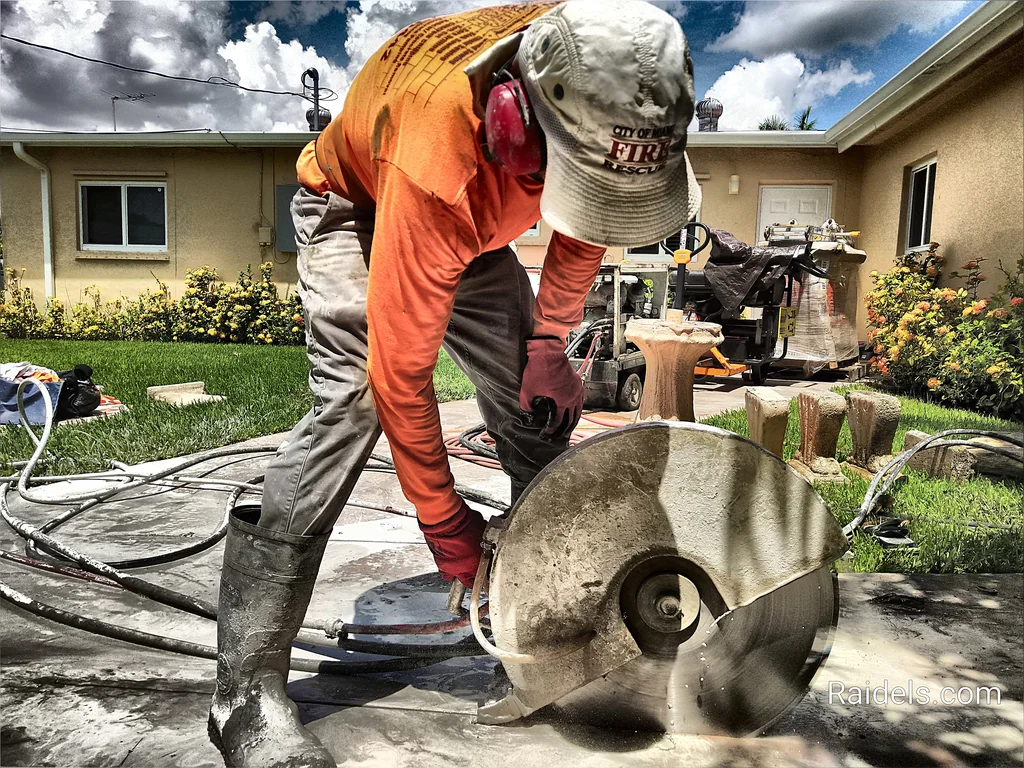
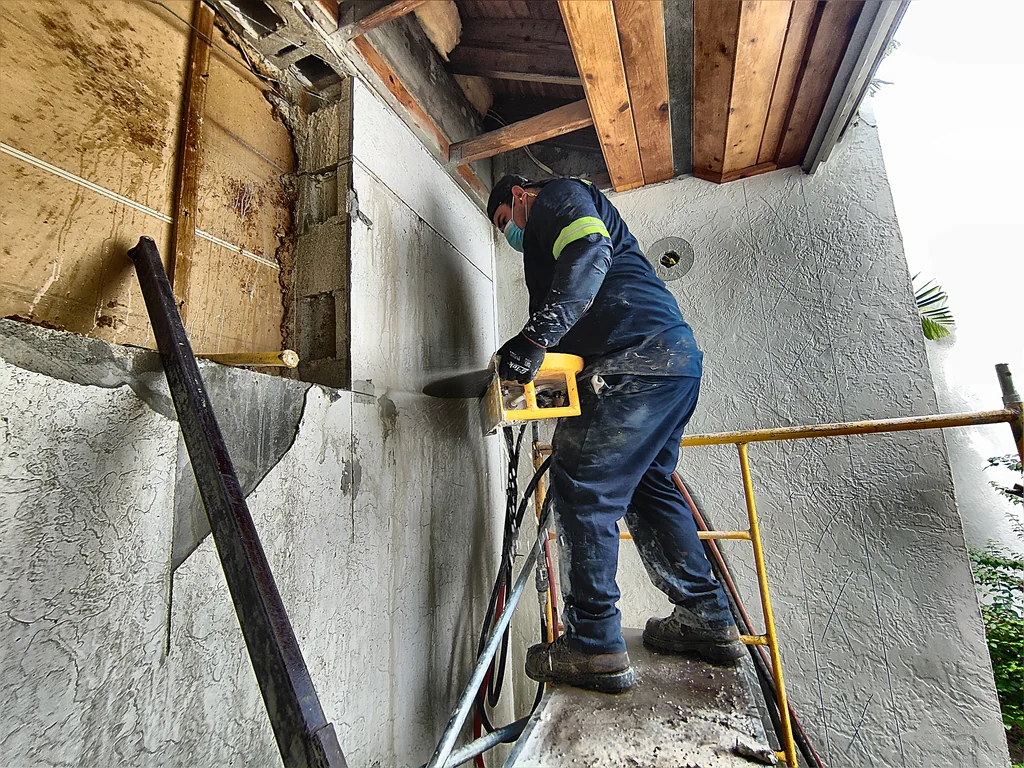
We handle concrete cutting and demolition for pool removal projects throughout Miami. The homeowners we work with typically arrive at the decision after years of considering it. The pool is used less and less, the maintenance cost per swim keeps rising, and the yard space the pool occupies looks more valuable with each passing year. Getting rid of a pool is not a decision to make lightly — it is permanent and expensive — but for many Miami homeowners, it is the best property investment they make.
Option 1: Full pool removal — nothing stays in the ground
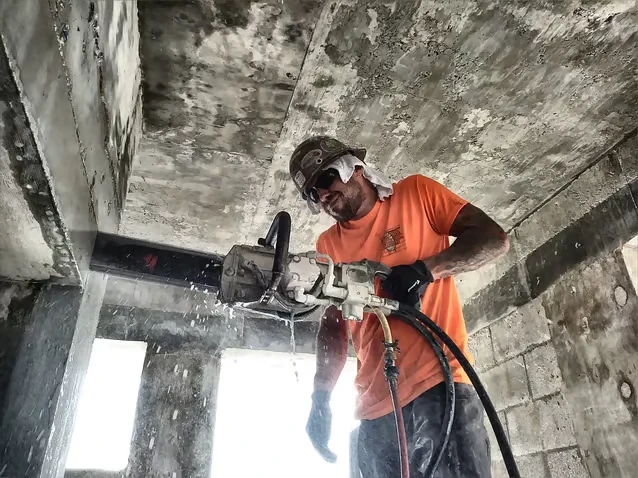
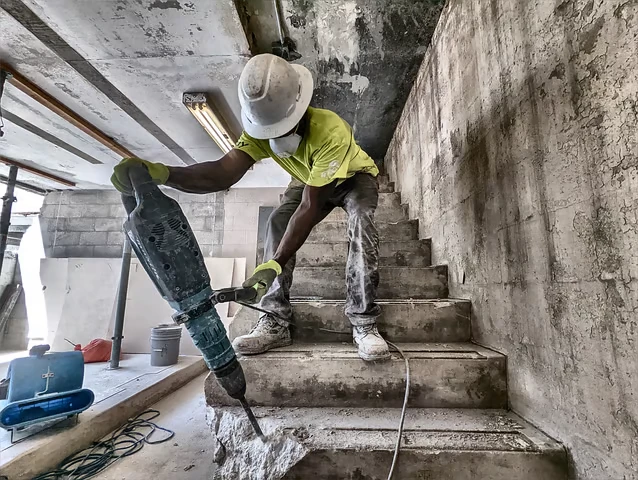
Full removal extracts every piece of the pool structure from the ground — walls, floor, steps, plumbing, everything. The concrete is broken up with hydraulic breakers, the debris is hauled away, and the excavation is backfilled with engineered fill compacted to buildable density. The result is a piece of land that behaves like it never had a pool on it.
Full removal is the right choice when you plan to build on the pool footprint — an addition, a garage, a new pool, or any structure with footings. It is also the cleaner option for future property sales because there is nothing buried in the ground to disclose. The tradeoff is cost: full removal costs more than partial removal because more concrete is extracted, more debris is hauled, more fill is needed, and compaction testing is required.
Option 2: Partial pool removal (pool fill-in) — the lower-cost alternative
Partial removal — also called a pool fill-in or pool abandonment — leaves part of the pool shell in the ground. The upper walls are broken down to 2-4 feet below grade. The floor is punctured to allow drainage. The hole is backfilled with clean fill, compacted, and graded. The buried lower walls and floor remain — they are deep enough that they do not affect surface use.
Partial removal costs less than full removal. The tradeoff: you cannot build over a partially removed pool. The buried shell makes the area unsuitable for foundation loads. You can landscape, pave, install a deck or patio — but no buildings. The partial removal must be disclosed when you sell, which some buyers are uncomfortable with. Pool demolition services can help you decide which option makes sense for your property and plans.
Option 3: Pool abandonment — the option that is often not an option
Some municipalities allow pool abandonment — draining the pool, punching holes in the bottom, and covering it without fill. This is rarely permitted in Miami-Dade County for residential pools. The abandoned shell creates a safety hazard (someone can fall through a deteriorated cover), a drainage problem (the shell collects water), and a pest habitat. Most Miami municipalities require either partial or full removal. Do not assume abandonment is an option without checking with your local building department.
The Miami water table — why you cannot just fill a pool with dirt
In most of Miami-Dade County, groundwater sits within 3 to 8 feet of the surface. This complicates pool removal in two ways:
Hydrostatic pressure
An empty pool shell surrounded by saturated soil experiences hydrostatic pressure pushing inward from all sides. During demolition, the contractor must manage this pressure — typically with dewatering wells that pump groundwater away from the pool during the work — to prevent the pool from floating, shifting, or collapsing in an uncontrolled manner.
Fill compaction and settlement
Fill placed in a saturated excavation compacts differently than fill in dry soil. If not properly compacted in lifts, the fill will settle as groundwater moves through it. Two years after the pool fill, you have a depression where the pool used to be. Proper compaction — in 12-inch lifts, each mechanically compacted before the next is placed — prevents this. Miami pool removal specialists understand the groundwater conditions in each part of the county and adjust the fill and compaction approach accordingly.
What getting rid of a pool costs in Miami
The cost of getting rid of a pool in Miami depends on several variables:
- Pool size: Larger pools have more concrete to break and remove, and require more fill.
- Full vs partial removal: Full removal costs more — more concrete extraction, more debris hauling, more fill, and compaction testing.
- Access: Backyard pools with equipment access (a side yard wide enough for a skid steer or small excavator) cost less than pools with no access, where all equipment and fill must be brought in by hand or small machines.
- Water table conditions: High-water-table locations may require dewatering during demolition, which adds cost.
- Pool deck and coping: If the pool deck is being removed along with the pool, saw cutting for clean separation lines and additional demolition add cost.
- Fill material: Clean fill is more expensive than random fill, but random fill settles and decomposes. The fill material cost is not where you want to save money.
- Permits and inspections: Permit fees vary by municipality. Some require engineering review.
The permit process — what you need to know
Pool removal in Miami-Dade County is a permitted activity. The permit is typically a demolition permit or a pool demolition permit, obtained from the municipal building department. The permit application requires a site plan, a description of the removal method, a fill material specification, and sometimes an engineer’s review.
Your pool removal contractor should handle the permit. A contractor who asks you to obtain the permit may not be licensed to do the work in your municipality, or may be trying to avoid the inspection that comes with a permitted job. Either way, do not accept that arrangement.
How to choose a pool removal contractor
- “How many pool removals have you completed in my area?” Pool removal in coastal areas with high water tables is different from inland removal. Ask for references or photos from recent jobs in your municipality.
- “What is your dewatering plan?” If they do not have one, they do not understand Miami groundwater.
- “What fill material do you use?” The answer should be clean fill or sand. “Dirt” is not specific enough.
- “How do you compact the fill?” Lifts, mechanical compaction, and testing if requested. Not “we push it in and level it.”
- “What documentation will I receive?” Permit sign-off, compaction test results (if performed), and a completion letter. Contact a Miami pool removal contractor who provides complete documentation.
How to get rid of a pool is a question with a clear answer: hire a licensed contractor, choose between partial and full removal based on your future plans for the space, pull the permit, manage the water table, fill with clean material, compact properly, and grade for drainage. It is a process, not a quick fix. The pool has been in the ground for decades. Spending the time and money to remove it correctly means the space it occupied will be usable, stable, and problem-free for decades to come.