Why an 8-Inch Concrete Wall Is One of the Most Hazardous Cuts on Any Job Site
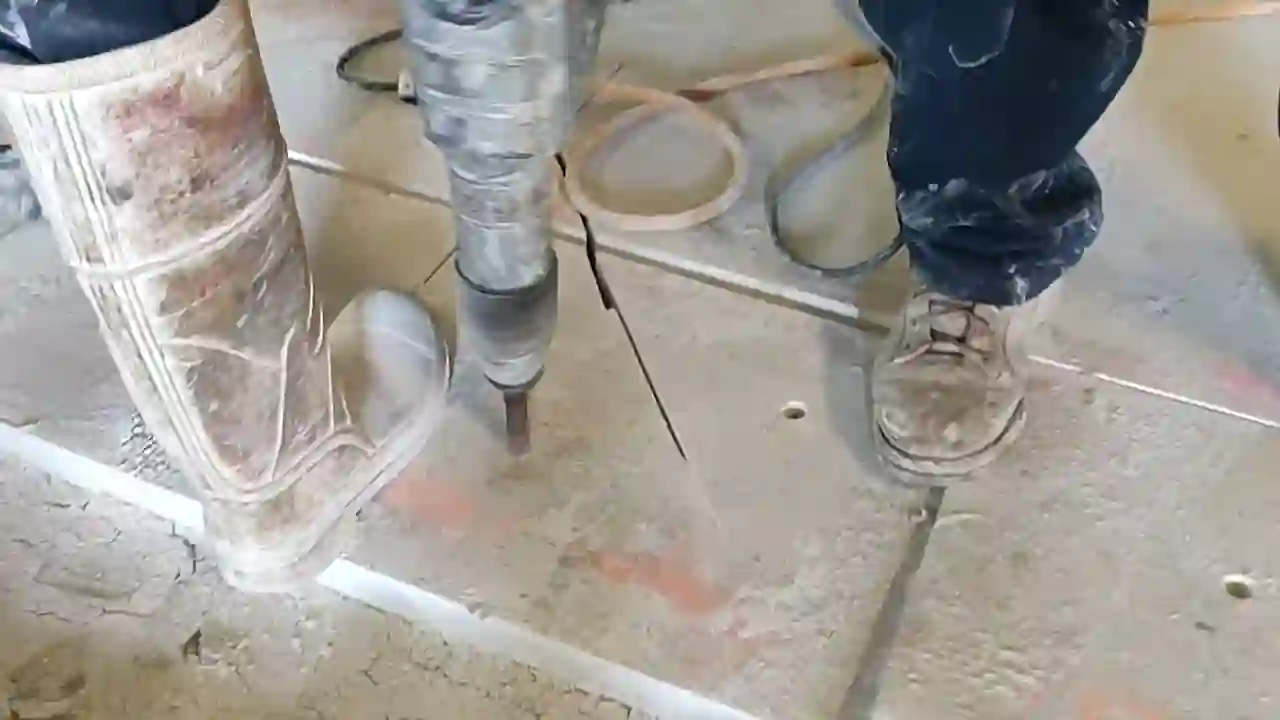
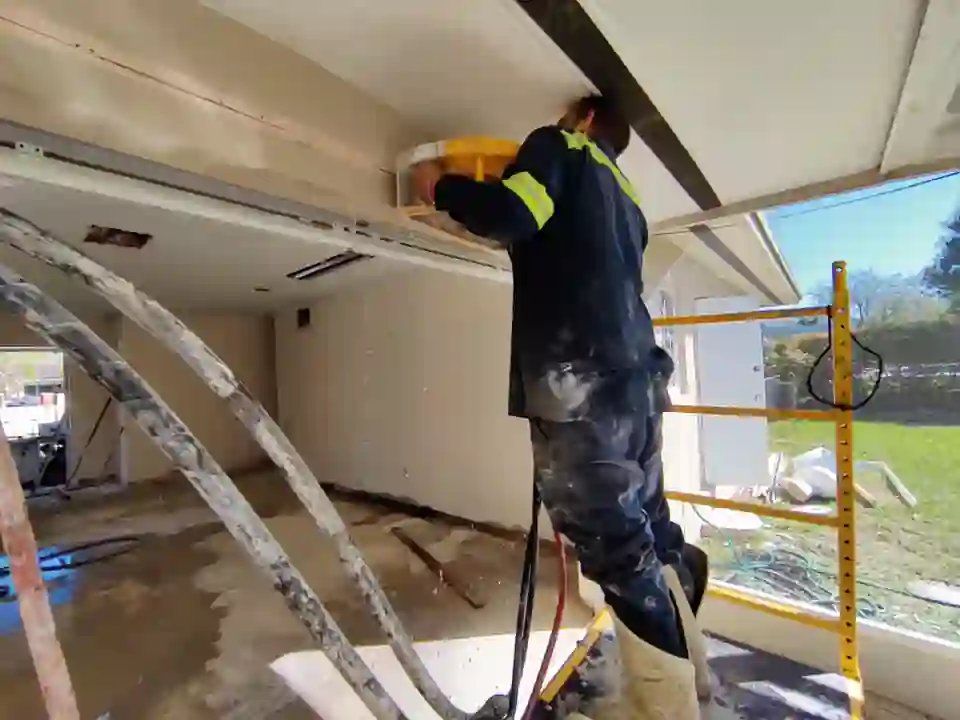
An 8-inch concrete wall sits at a deceptive middle ground in the trade. It is thick enough to demand high-horsepower equipment, reinforced with rebar or post-tension cables in most commercial applications, and dense enough to generate sustained silica dust exposure that can exceed OSHA permissible exposure limits within minutes of cutting. Yet it is thin enough that inexperienced crews sometimes underestimate the structural, electrical, and respiratory hazards involved. That underestimation is exactly where injuries, fatalities, and six-figure OSHA citations originate. Whether you are creating a new door opening in a load-bearing CMU wall, cutting a utility chase through a poured concrete foundation wall, or performing demolition on a structural panel, the protocols governing cutting 8 inch concrete wall applications are non-negotiable on any compliant job site in Florida or anywhere else in the country.
Pre-Cut Structural Assessment and Load Path Verification
Before any saw, wire, or core drill contacts an 8-inch wall, a qualified person — as defined under 29 CFR 1926.32(m) — must perform a structural assessment. This is not a visual glance. It requires reviewing original architectural and structural drawings, confirming whether the wall is load-bearing, identifying the location and spacing of vertical and horizontal rebar, and determining whether any post-tension tendons run through the cut zone. In South Florida construction, post-tension cables in walls are more common than many crews realize, particularly in mid-rise residential and commercial buildings constructed after 1990.
If drawings are unavailable — a frequent reality in renovation work — ground-penetrating radar (GPR) scanning must be performed prior to cutting. GPR provides a real-time subsurface map of rebar, conduit, post-tension cables, and embedded utilities. Cutting through an energized conduit embedded in an 8-inch wall is a life-safety event, not a minor inconvenience. Cutting through a post-tension tendon can cause catastrophic, explosive decompression of the cable and structural collapse. Neither scenario is recoverable. Document all pre-cut scanning results and retain them as part of your job-site safety file.
For load-bearing walls, temporary shoring must be engineered and installed before the cut begins. OSHA 29 CFR 1926 Subpart Q governs concrete and masonry construction, and it explicitly requires that no wall section be left unsupported during the cutting process when structural integrity is compromised. Shoring calculations must be stamped by a licensed structural engineer in Florida under Florida Statute 471.
OSHA Silica Compliance for Wall Sawing Operations Involving 8-Inch Sections
OSHA’s Respirable Crystalline Silica Standard for Construction — 29 CFR 1926.1153 — is the single most frequently cited regulation in concrete cutting enforcement actions. Cutting an 8-inch concrete wall with a wall saw or hand-held angle grinder generates enormous quantities of respirable silica dust. The permissible exposure limit (PEL) is 50 micrograms per cubic meter of air as an 8-hour time-weighted average. Without engineering controls, a single operator cutting through 8 inches of dense concrete can exceed that limit in under 15 minutes.
OSHA’s Table 1 for silica compliance specifies the required controls for wall sawing. For handheld power saws, wet cutting with continuous water delivery to the blade is the primary engineering control. For wall saws mounted on track systems, integrated water delivery systems must maintain blade contact saturation throughout the cut. Local exhaust ventilation (LEV) with a HEPA-filtered vacuum system is required when wet cutting is not feasible — for example, when cutting near electrical panels or in areas where water intrusion creates a secondary hazard.
All workers within the cutting zone must wear N95 respirators at minimum, with a written respiratory protection program in place per 29 CFR 1910.134. Half-face elastomeric respirators with P100 filters are strongly recommended for extended cutting operations. Medical evaluations and fit testing are mandatory before any respirator is assigned. This is not optional compliance — it is the baseline. Summer heat in Miami compounds respiratory hazard management, as crews working in high-humidity, high-temperature environments tend to remove respirators during rest breaks and fail to reseal them properly before re-entering the cut zone.
Equipment Selection and Blade Specification for 8-Inch Wall Cuts
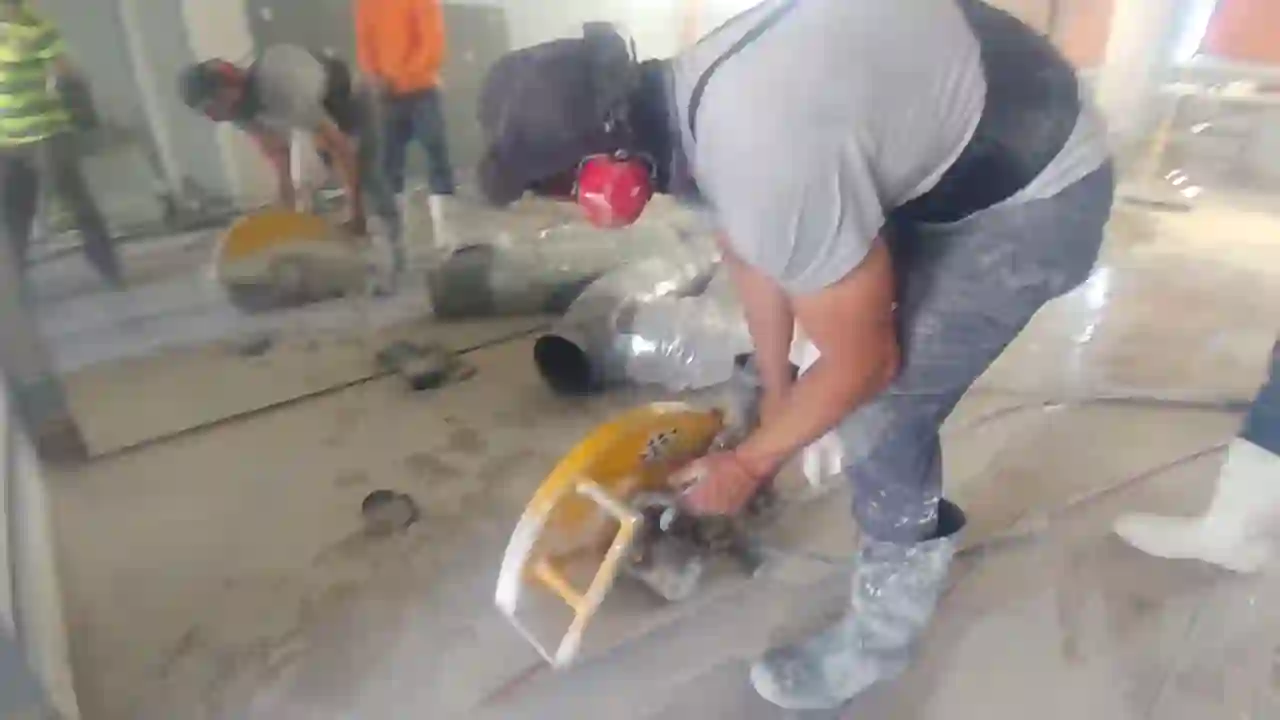
The correct equipment for cutting 8 inch concrete wall sections depends on wall orientation, access constraints, rebar density, and aggregate hardness. The three primary methods used by professional concrete cutting contractors for 8-inch walls are track-mounted wall saws, handheld ring saws, and diamond wire saws.
- Track-Mounted Wall Saws: The industry standard for precision openings in 8-inch walls. Blades in the 18- to 24-inch diameter range are typical, with segment specifications matched to the aggregate hardness of the concrete. Hard aggregates like Miami oolite limestone require softer bond diamond segments to allow continuous segment wear and exposure of fresh diamond crystals. Wall saws provide operator standoff distance, reducing vibration exposure and improving cut line accuracy.
- Handheld Ring Saws: Used in confined spaces or where track mounting is impractical. Ring saws cut deeper relative to blade diameter, which makes them effective for 8-inch walls in tight access conditions. However, vibration exposure is significantly higher, and operators must be monitored for hand-arm vibration syndrome (HAVS) under prolonged use. Blade guard integrity must be inspected before every use.
- Diamond Wire Saws: Reserved for heavily reinforced or post-tension walls where blade binding risk is elevated, or where the cut geometry is irregular. Wire saws eliminate the risk of blade kickback, which is the leading cause of severe lacerations in wall cutting operations. Tight job-site conditions in Miami frequently make wire sawing the safest and most practical option even when other methods are technically feasible.
Personal Protective Equipment Requirements Specific to Wall Sawing
General PPE requirements under OSHA 29 CFR 1926 Subpart E apply to all concrete cutting operations, but wall sawing introduces hazards that demand task-specific PPE beyond standard hard hat and safety boot requirements. Every operator and ground support worker within the established exclusion zone must wear the following:
- Eye and Face Protection: ANSI Z87.1-rated safety glasses are the minimum. Full face shields are required during active cutting due to the velocity of slurry and concrete fragment ejection from wet-cut wall saws. Flying debris from rebar contact can exceed 100 mph at the blade periphery.
- Hearing Protection: Wall saws operating at full load generate noise levels between 95 and 110 dB at the operator position. OSHA mandates hearing conservation programs at 85 dB TWA. Dual hearing protection — foam plugs plus earmuffs — is appropriate for extended wall saw operations.
- Cut-Resistant Gloves: ANSI/ISEA 105 Level A4 or higher for all personnel handling diamond blades or wire. Never handle a diamond blade with bare hands regardless of whether it is powered down — segment edges retain sharpness capable of producing deep lacerations.
- Respiratory Protection: As specified under the silica standard above. Disposable N95 at minimum; elastomeric P100 for operations exceeding two hours of continuous cutting.
- Anti-Vibration Gloves: For handheld saw operators on cuts exceeding 30 minutes of continuous operation. HAVS is a progressive, irreversible neurological condition and a recognized occupational disease under OSHA recordkeeping requirements.
Exclusion Zone Establishment and Crew Communication Protocols
An exclusion zone must be physically barricaded around the cutting operation before work begins. For wall sawing, the minimum exclusion zone extends 10 feet in all directions from the cut line, with the downside of the wall requiring a larger buffer to account for core plug ejection and slurry splash. Barricading must use hard barriers — jersey barriers, interlocking fence panels, or equivalent — not tape or rope, which are frequently breached on active job sites.
A designated safety spotter must maintain visual contact with the operator throughout the cut. The spotter’s sole responsibility during active cutting is hazard monitoring — they do not perform other tasks simultaneously. Pre-established hand signals or radio communication must be agreed upon before cutting begins, because verbal communication is impossible over wall saw noise levels. The spotter is also responsible for monitoring the structural behavior of the wall section being cut, watching for cracking patterns, unexpected deflection, or shoring movement that signals imminent structural change.
For crews new to wall cutting operations or working in unfamiliar building types, reviewing manual breaking and hand tool techniques provides important context for understanding how concrete fails under load — knowledge that directly informs safer powered cutting decisions.
Slurry Management, Water Runoff Control, and Environmental Compliance
Wet cutting an 8-inch concrete wall generates significant slurry volume. On a typical 3-foot by 7-foot door opening cut, expect between 15 and 30 gallons of concrete slurry depending on aggregate density and water flow rate. This slurry has a pH between 11 and 13 — strongly alkaline — and contains suspended silica, cement particles, and potentially heavy metals from rebar corrosion products. Allowing slurry to enter storm drains is a violation of the Clean Water Act and Miami-Dade County stormwater ordinances, and it exposes the contractor to EPA enforcement independent of OSHA jurisdiction.
Slurry containment requires pre-cut installation of berms, vacuum recovery systems, or absorbent containment dams around the cutting perimeter. Recovered slurry must be allowed to settle, with the clarified water disposed of in a sanitary sewer with facility permission, and the solid cake disposed of as construction debris unless testing indicates hazardous metal content. Document your slurry disposal method in your job-site environmental compliance file.
Post-Cut Inspection, Documentation, and OSHA Recordkeeping
Once an 8-inch wall cut is complete, the work is not finished from a compliance standpoint. The cut section must be inspected by the qualified person for edge condition, rebar protrusion, and evidence of unintended cracking beyond the cut line. Any rebar ends protruding from the cut face must be immediately capped with rebar caps — exposed rebar ends are an impalement hazard classified under OSHA 29 CFR 1926.701(b).
All safety documentation generated during the project — GPR scan reports, shoring engineering calculations, silica exposure monitoring records, equipment inspection logs, and exclusion zone barricade records — must be retained for a minimum of three years per OSHA recordkeeping requirements. In the event of an incident, this documentation is your primary defense against willful violation classifications, which carry penalties up to $156,259 per violation under current OSHA penalty schedules.
Cutting 8 inch concrete walls safely and compliantly is not a matter of working carefully — it is a matter of working systematically. Every hazard in this trade has a documented control measure, and every control measure has a regulatory basis. Crews that internalize these protocols do not just avoid citations; they finish jobs faster, with fewer equipment failures, fewer injuries, and a professional reputation that generates repeat commercial contracts. That is what separates trade-level concrete cutting from casual demolition work.