Why Concrete Cutting and Breaking Bids Swing So Dramatically from Job to Job
If you’ve ever gotten three bids on a concrete cutting and breaking scope and watched the numbers range from $4,200 to $14,800 for what looked like the same work, you’re not alone. That spread isn’t random — it reflects real differences in methodology, equipment selection, site conditions, and how well each contractor actually read the job. As someone who has priced and executed hundreds of concrete cutting and breaking projects across South Florida, I can tell you that the gap between a competitive bid and a profitable one comes down to a handful of technical variables that most project managers never think to ask about.
The Core Methods and How Each One Prices Out Differently
Concrete cutting and breaking is not a single trade — it’s a family of methods, and each one carries a distinct cost profile. The method you choose (or the method your contractor recommends) will define your budget ceiling before a single blade touches the slab.
Flat Slab Sawing — Linear Footage Pricing and Blade Consumption
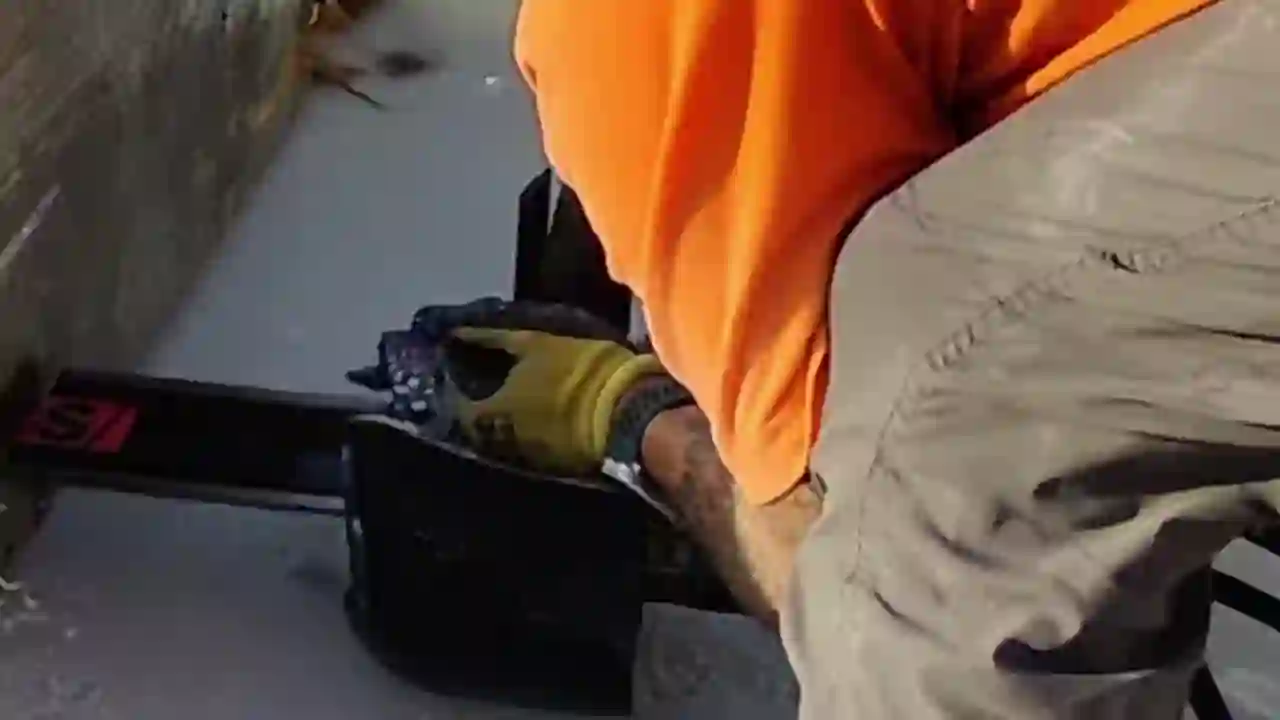
Flat slab sawing with a walk-behind or ride-on diamond saw is the most common entry point for concrete cutting scopes. Pricing typically runs between $3.50 and $9.00 per linear foot in the Miami metro, depending on slab thickness, PSI rating, and aggregate hardness. A standard 4-inch residential slab at 3,000 PSI sits at the low end. A 10-inch post-tensioned parking deck at 5,000 PSI pushes toward the top of that range — and that’s before you account for PT cable locations, which require X-ray or GPR scanning as a prerequisite.
Blade consumption is the silent cost killer in flat sawing. Hard aggregate like Miami oolite limestone can chew through a $400 diamond blade in a fraction of the footage you’d get in softer mix designs. Any contractor who doesn’t ask about your aggregate type before quoting is leaving real money on the table — or passing that risk to you through a change order.
Core Drilling — Unit Pricing vs. Hourly Rate Structures
Core drilling is almost always quoted per hole, with diameter and depth as the primary variables. Expect $85 to $250 per core for standard utility penetrations in the 3-to-6-inch diameter range through 6 to 8 inches of concrete. Large-diameter cores — 12 inches and above for mechanical sleeves or structural openings — shift into custom pricing territory and often require wet drilling rigs with vacuum extraction to manage slurry in occupied buildings.
Depth multipliers matter. A 12-inch core through a single floor slab is a fundamentally different animal than a 36-inch core through a foundation wall. Setup time, tooling changes, and rod extensions all add cost. On industrial cutting projects with high core counts, volume discounts are standard — but only if you negotiate them before mobilization, not after.
Hydraulic Breaking and Demolition Hammering — Time-and-Material Realities
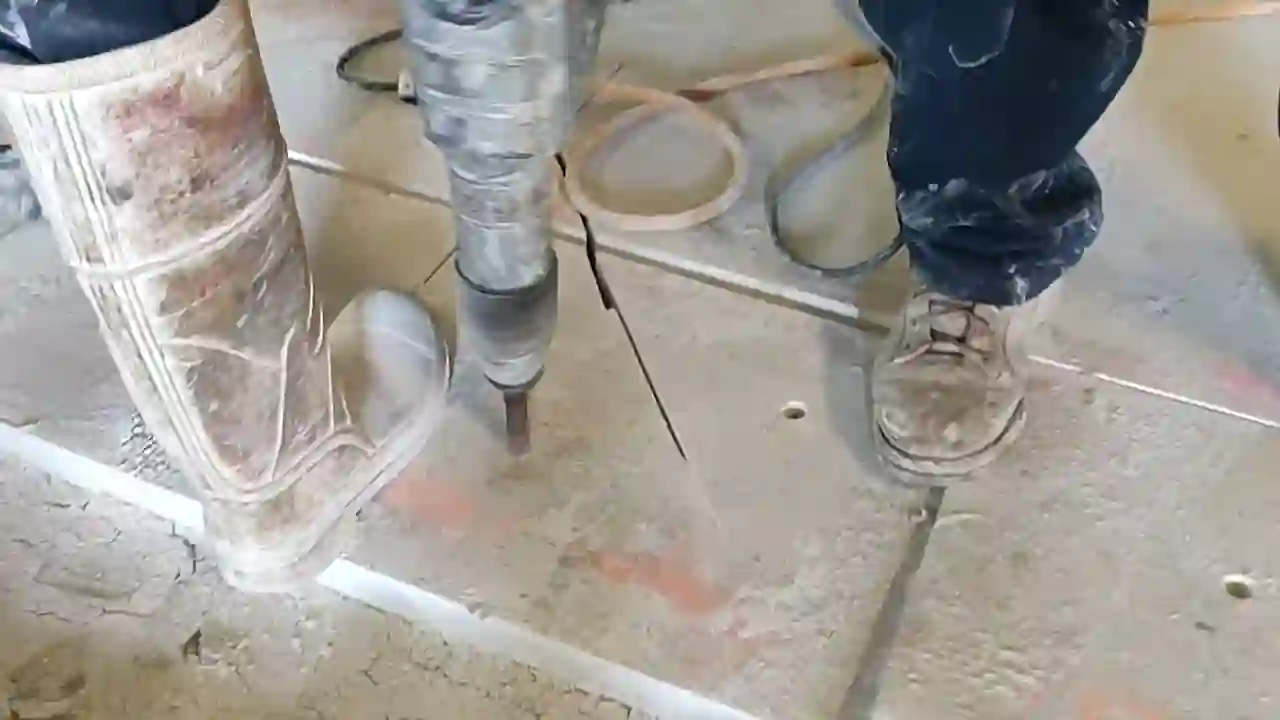
Concrete breaking with hydraulic breakers, pneumatic chipping hammers, or excavator-mounted hydraulic attachments is where time-and-material pricing dominates. Hourly rates for a skilled operator with a mid-size excavator and hydraulic breaker run $185 to $320 per hour in the South Florida market. That range reflects equipment size, operator experience, and mobilization distance.
The critical bidding factor here is debris volume and haul-out logistics. Breaking a 500-square-foot slab sounds straightforward until you calculate that 4 inches of concrete weighs roughly 50 pounds per square foot — meaning you’re moving 25,000 pounds of rubble. Dumpster placement, load limits, and haul frequency are cost line items that inexperienced estimators routinely undercount.

Timeline Estimations That Actually Hold Up in the Field
Project owners consistently underestimate concrete cutting and breaking timelines. Here’s a realistic framework based on actual production rates, not marketing copy.
Production Rate Benchmarks for Flat Sawing and Core Work
A single flat saw operator working a standard interior slab can produce 200 to 400 linear feet per day under ideal conditions — good access, no rebar congestion, consistent slab thickness. Introduce post-tensioned cables, embedded conduit, or tight interior corridors, and that number drops to 100 to 150 linear feet per day. For core drilling, a two-man crew with a single rig can realistically complete 15 to 30 standard cores per day depending on diameter and depth.
Always build in a GPR scanning day before any cutting scope begins. Running a concrete saw without subsurface intelligence is how you hit conduit, post-tension cables, or structural rebar — and that turns a two-day cutting scope into a two-week remediation nightmare.
Mobilization, Setup, and Slurry Management Time Costs
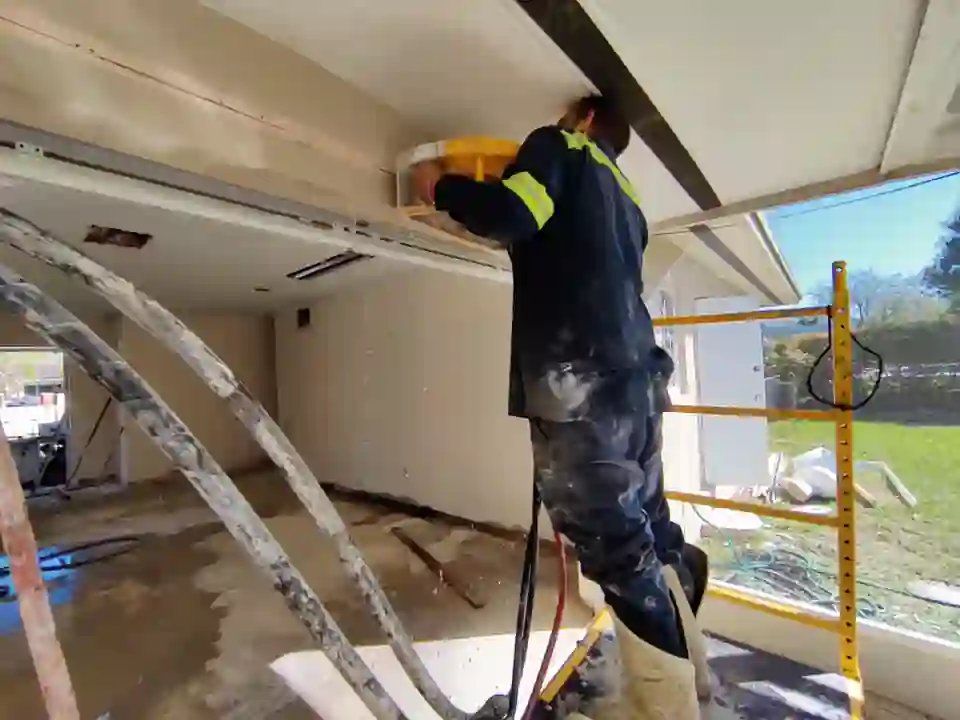
Mobilization is rarely a line item in a low-ball bid, but it’s always a real cost. For wet cutting methods, slurry management alone — vacuuming, containment, and disposal in compliance with EPA compliance standards — can add one to two hours to a daily scope. In occupied commercial buildings, that slurry has to be collected, not hosed into floor drains. Miami-Dade stormwater ordinances are not suggestions.
Setup time for saw cutting in confined spaces — mechanical rooms, elevator pits, parking structures with low clearance — adds 30 to 60 minutes per setup location. If your scope has 12 separate cut locations across a floor plate, that’s potentially a full day of non-cutting labor that has to appear somewhere in the budget.
The Bidding Factors That Separate Accurate Estimates from Guesswork
Concrete PSI, Rebar Density, and Aggregate Hardness
These three variables are the foundation of any defensible concrete cutting and breaking estimate. PSI drives blade selection and wear rate. Rebar density determines whether you’re running a continuous diamond blade or switching to a segmented blade designed for steel-heavy mixes. Aggregate hardness — particularly the presence of Miami oolite, silica river rock, or recycled aggregate — directly controls blade life and therefore cost per linear foot.
A contractor who quotes without asking for mix design data or reviewing existing structural drawings is guessing. That guess will either cost you money through overpricing or cost them money through underpricing — and underprice bids have a way of generating change orders that exceed the original gap.
Access Restrictions, Occupied Building Protocols, and Noise Ordinances
Work hour restrictions in occupied Miami commercial buildings are a significant timeline and cost variable. If your cutting scope can only run from 7 AM to 3 PM due to tenant agreements, and the work requires 10 production hours, you’re looking at a two-day scope minimum — with two full mobilizations. Night work premiums for emergency or accelerated schedules typically add 25 to 40 percent to the base labor rate.
Dust suppression requirements in healthcare facilities, occupied office buildings, and food-service environments add containment setup costs that can run $500 to $2,000 per scope depending on the complexity of the barrier system required. These are not optional — they’re contractual and regulatory requirements that belong in the bid, not the change order log.
Debris Classification and Disposal Routing
Not all concrete waste is equal from a disposal standpoint. Concrete that contains asbestos-bonded coatings, lead paint, or chemical contamination requires classified disposal at permitted facilities — and that cost can be multiples of standard concrete disposal rates. A pre-bid hazmat assessment is non-negotiable on any structure built before 1985.
Building a Bid That Wins Work and Makes Money
The most competitive concrete cutting and breaking bids in the South Florida market share a common structure: they itemize method costs separately, they account for site-specific variables explicitly, and they include a clearly defined scope exclusion list. That last piece is what protects both parties when field conditions don’t match the drawings.
Line-item your mobilization, your scanning, your slurry disposal, your debris haul, and your method-specific labor and tooling costs. A bid that shows its math builds trust with sophisticated project owners and GCs — and it gives you defensible ground when a change order conversation becomes necessary. Lump-sum bids on complex concrete cutting and breaking scopes are a shortcut that usually ends badly for someone, and in this market, that someone is usually the contractor who didn’t do the homework.
If you’re managing a project in Miami-Dade, Broward, or Palm Beach County and need a technically grounded estimate for a concrete cutting and breaking scope, the difference between a number that holds and a number that bleeds comes down to the site visit, the subsurface data, and the contractor’s willingness to price what’s actually there — not what they hope is there.