Why the Machine Selection Defines Your Entire Pipe Cutting Bid
Before you write a single number on a bid sheet, you need to understand one fundamental truth about concrete pipe cutting work — the machine you select is not just a tool, it is the single largest variable in your cost structure. Whether you are cutting reinforced concrete culverts, precast sewer mains, or cast-in-place drainage pipe, the type of concrete pipe cutting machine deployed on your Miami job site will determine your labor hours, blade consumption, water management requirements, and ultimately your margin. Senior estimators who treat all pipe cutting as interchangeable end up losing money on half their jobs. The ones who break it down by machine class, pipe diameter, wall thickness, and reinforcement density — those are the contractors who build profitable schedules and win repeat municipal contracts.
Machine Classes and Their Direct Impact on Project Cost
The concrete pipe cutting machine market breaks down into three primary operational classes, and each carries a dramatically different cost profile. Understanding these classes is non-negotiable when you are putting together a credible bid in South Florida’s infrastructure and utility corridor market.
Ring Saw and Track-Mounted Pipe Cutters
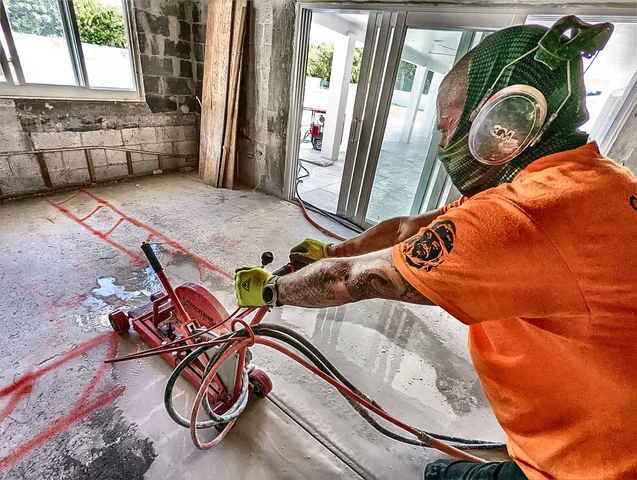
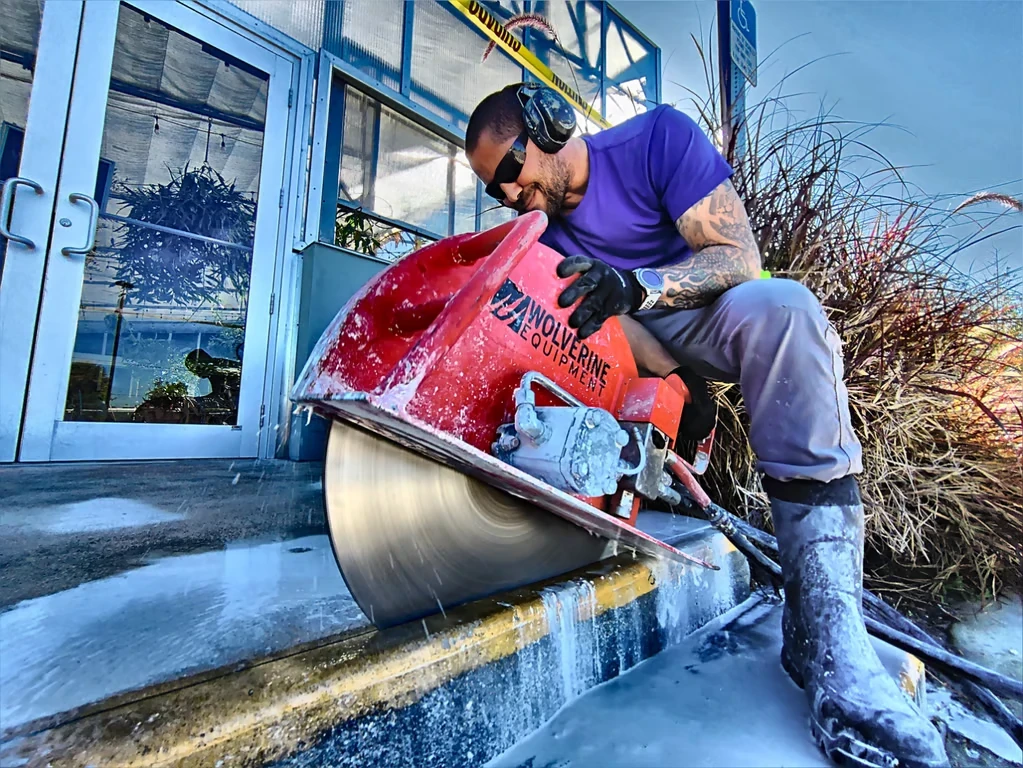
Ring saws mounted on self-propelled track systems are the workhorse for pipe diameters ranging from 18 inches up to about 72 inches. These machines use diamond-segmented blades rotating on a guided ring frame that wraps around the exterior of the pipe. On a reinforced concrete pipe with a 4-inch wall, a well-maintained ring saw running a premium diamond blade can complete a full circumferential cut in 35 to 55 minutes. Your blade cost per cut on hard Miami limestone-aggregate concrete will typically run between $80 and $140 depending on reinforcement density. Factor in two to three cuts per setup shift, and your consumable cost alone for a single day can exceed $400 before you touch labor or mobilization.
Chain Saw Pipe Cutters for Confined Access
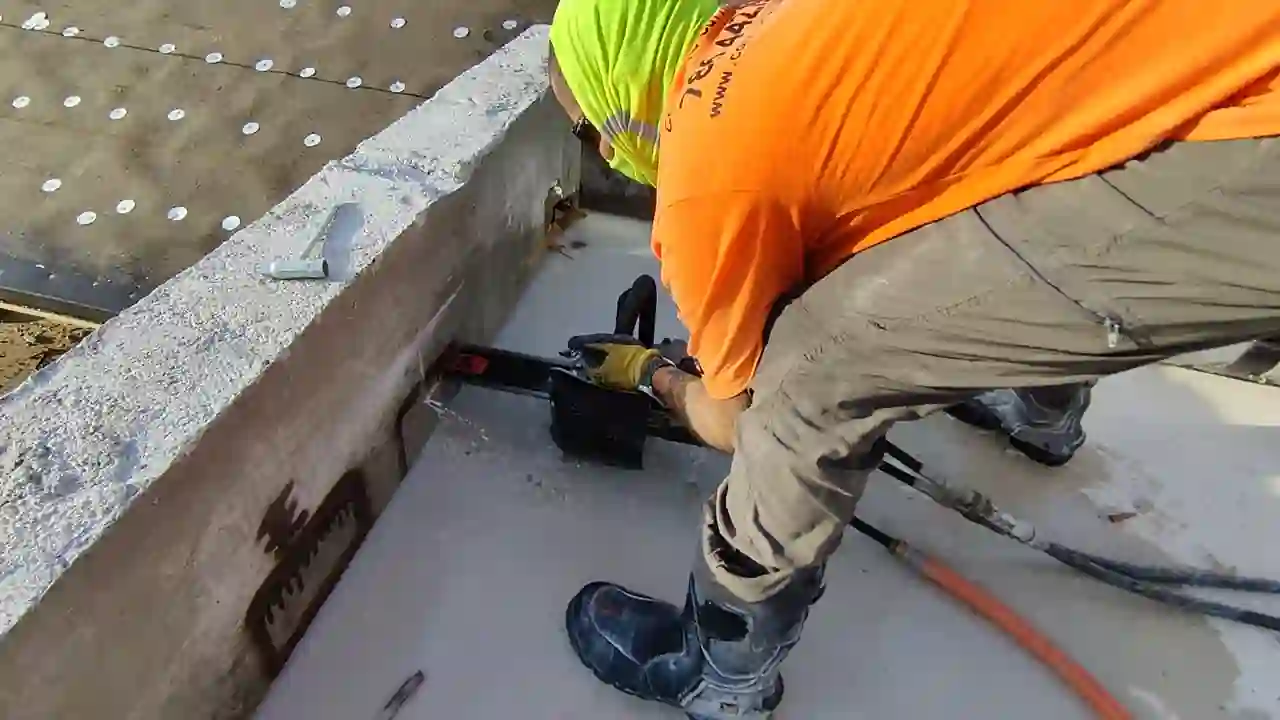
Diamond chain saws adapted for pipe cutting excel in confined utility vaults and below-grade installations where a ring saw simply cannot physically maneuver. These machines are slower — expect cut times 40 to 60 percent longer than a ring saw on equivalent pipe — but their access profile is unmatched. The trade-off is chain wear. Diamond chains on abrasive concrete pipe can degrade 30 percent faster than in standard flat-slab applications. When bidding chain saw pipe work, always add a chain replacement contingency of at least 15 percent to your consumables line.
Hydraulic Wall Saw Adapted for Cylindrical Pipe
For large-diameter pipe where precision is critical — think 48-inch to 96-inch reinforced concrete storm mains — hydraulic wall saw systems adapted with curved guide tracks offer the tightest cut tolerances in the industry. These setups are significantly more expensive to mobilize, often $1,200 to $2,500 per day in equipment rental alone in the Miami market, but they deliver cuts within 1/16-inch tolerance, which is essential when you are making structural pipe connections or installing inline flow control hardware. For more on how precision cutting integrates with structural concrete work, see our detailed guide on cutting openings in Miami concrete structures without compromising integrity.
The Five Hard Numbers Every Pipe Cutting Bid Must Include
Too many contractors submit pipe cutting bids that only account for the obvious line items. Here is the complete cost structure that experienced Miami concrete cutting operations build into every proposal involving a concrete pipe cutting machine.
- Mobilization and Demobilization: In Miami-Dade and Broward County, expect $350 to $750 per mobilization for standard ring saw or chain saw setups. Hydraulic track systems can push mobilization costs to $1,500 or higher, particularly when the job site requires permitting for lane closures or right-of-way access.
- Blade and Chain Consumables: Never bid a flat consumables rate. Calculate expected cuts, multiply by your per-cut blade cost for the specific concrete PSI and aggregate hardness on that project, then add a 20 percent contingency for unexpected rebar density or aggregate variability.
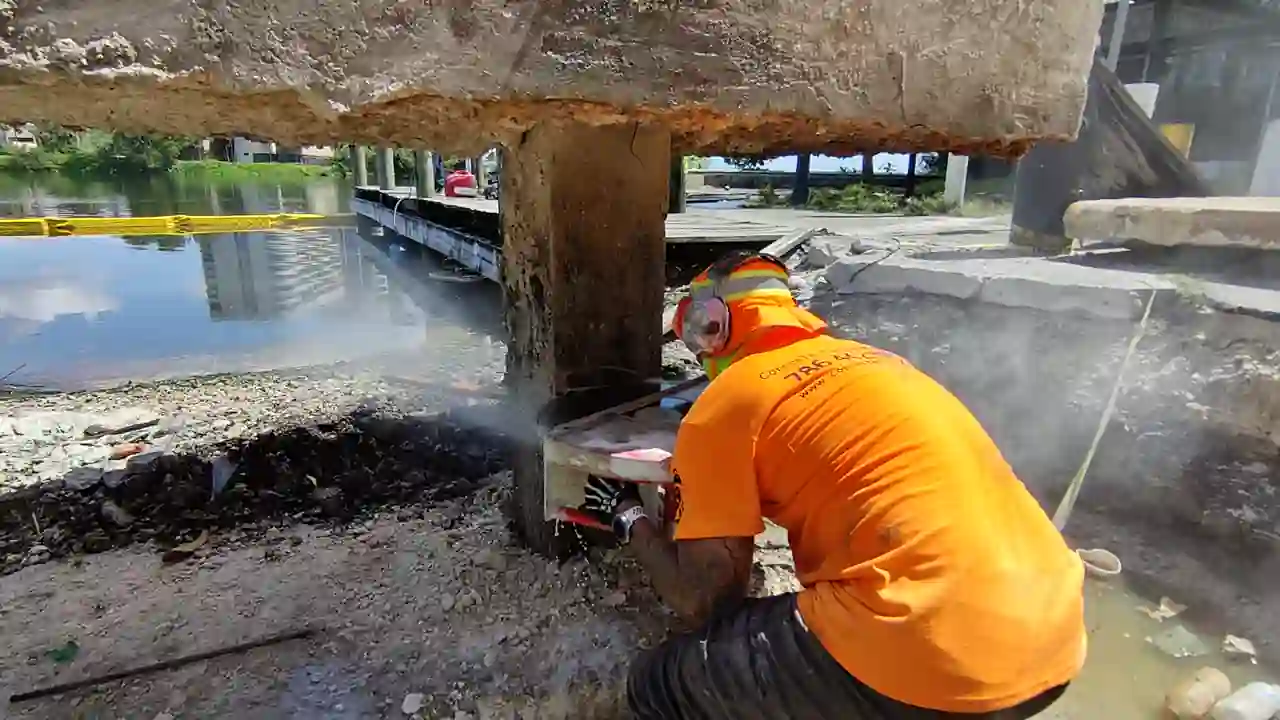
- Water Supply and Slurry Management: Wet cutting is mandatory for diamond blade longevity and dust suppression compliance under Miami-Dade County environmental ordinances. Budget $150 to $300 per day for water supply logistics. Slurry containment and disposal — especially near active drainage systems — can add another $200 to $500 per job depending on volume. For a deep technical breakdown of managing this specific challenge, read our post on cutting concrete pipe without fines or floods.
- Labor Hours with Fatigue Multipliers: Pipe cutting in confined or below-grade environments is physically demanding. A two-person crew on a standard ring saw setup should be budgeted at 8 to 10 productive cutting hours per 10-hour shift, not 10. Build in fatigue reduction factors, particularly for summer Miami heat where heat index values routinely exceed 105°F in vault and trench environments.
- Structural Shoring and Safety Compliance: Any pipe cutting that involves partial pipe removal or creates temporary structural instability requires documented shoring plans. Budget $400 to $1,200 for shoring materials and engineer review, depending on pipe depth and surrounding soil conditions.
Timeline Estimation by Pipe Diameter and Wall Thickness
Accurate timeline estimation is where bids are won and lost. The following production rates are based on actual field data from Miami concrete cutting operations working in the local aggregate and reinforcement environment.
Small Diameter Pipe (12 to 24 Inches)
For unreinforced or lightly reinforced pipe in this diameter range, a skilled crew using a ring saw or hydraulic core drill adapted for pipe work can typically complete 6 to 10 cuts per day. Heavily reinforced pipe in this range drops that figure to 4 to 7 cuts per day. Timeline for a standard utility tie-in requiring two cuts and a section removal — plan for a single day with a two-person crew, assuming clear access and pre-staged water supply.
Medium Diameter Pipe (30 to 54 Inches)
This is the most common range for Miami storm sewer and sanitary main work. Expect 3 to 5 cuts per day on standard reinforced concrete pipe. Complex cuts involving multiple rebar layers or post-tensioned pipe drop production to 2 to 3 cuts per day. A typical section removal requiring four cuts in this diameter range should be bid at 1.5 to 2 full days of crew time.
Large Diameter Pipe (60 Inches and Above)
Large diameter concrete pipe cutting is a specialized discipline. Production rates drop to 1 to 2 cuts per day on heavily reinforced 60-inch to 96-inch pipe. These projects require detailed pre-job scanning with GPR (ground-penetrating radar) to locate rebar and prestress cables before the first blade engages. Budget GPR scanning at $400 to $800 per pipe section. For projects of this scale, many general contractors benefit from outsourcing to specialized concrete cutting subcontractors rather than attempting to execute in-house with general labor.
Bidding Factors Unique to Miami’s Infrastructure Environment
Miami presents specific bidding variables that contractors from other markets consistently underestimate. The combination of high water table conditions, aggressive limestone aggregate, and dense urban job site logistics creates a cost environment unlike anywhere else in Florida.
High water table conditions in Miami-Dade County mean that below-grade pipe cutting frequently involves active groundwater intrusion. This adds dewatering costs, slows cutting speeds due to wet conditions around the machine, and increases slurry management complexity. For projects near Biscayne Bay or in coastal flood zones, budget an additional 15 to 25 percent on your total project cost for water management measures.
Miami-Dade County’s Oolitic limestone aggregate — the dominant local concrete aggregate — is exceptionally abrasive. Diamond blades that would deliver 80 to 100 cuts in standard aggregate concrete may yield only 50 to 65 cuts in locally-produced pipe concrete. This is not a minor variable. On a large pipe cutting contract involving 40 or more cuts, blade cost underestimation from ignoring local aggregate hardness can cost you $2,000 to $4,000 in unplanned consumable expense.
Traffic control and right-of-way permitting for pipe cutting in Miami’s urban core adds meaningful cost and timeline risk. FDOT and Miami-Dade Public Works permitting timelines for lane closure work can run 2 to 4 weeks, and permit fees for major arterial work can exceed $1,500. Always build permitting lead time into your project schedule and include permit cost as a hard line item, not an allowance. For projects that involve demolition as part of the pipe replacement scope, review the full range of demolition services and capabilities available to support your project planning.
Building a Defensible Bid That Wins and Delivers Margin
The contractors who consistently win concrete pipe cutting work in Miami are not the ones who bid the lowest. They are the ones who submit bids that demonstrate technical credibility and realistic cost transparency. When a project owner or general contractor sees a bid that breaks down machine class selection, production rates by pipe diameter, consumable calculations based on local aggregate hardness, and water management contingencies — that bid builds trust. It signals that the contractor has actually been on Miami pipe cutting jobs and knows what drives cost.
Build your pipe cutting bids from the machine outward. Start with the specific concrete pipe cutting machine the job demands, calculate your production rates honestly, stack in every cost layer from mobilization to slurry disposal, and then apply your overhead and margin. That is how you write numbers that hold up in the field and keep your operation profitable through Miami’s demanding infrastructure construction cycle.