Why Concrete Removal in Westview Carries Unique Occupational Hazards
Westview is a dense, mixed-use corridor in Miami-Dade County where residential structures sit shoulder-to-shoulder with light commercial buildings, aging infrastructure, and active utility corridors running beneath slabs that were poured decades ago. When a concrete removal project kicks off in this environment, you’re not operating in an open quarry — you’re working in a compressed urban zone where hazard stacking is the norm, not the exception. Concrete Cutting Miami, LLC has executed removal projects throughout this area, and the consistent lesson is that safety protocol density has to match site complexity. Cutting corners on a suburban pad is one thing. Doing it in Westview with pedestrian traffic, buried utilities, and aging reinforced slabs is how projects end in OSHA citations, worker injuries, or worse.
The hazards on a concrete removal job site fall into several overlapping categories: airborne silica dust, structural instability during partial demolition, utility strike risk, noise-induced hearing loss, and equipment-related crush injuries. Each one is addressable with proper planning, but only if the crew and project manager understand what OSHA actually requires — not just what’s commonly assumed.
OSHA 29 CFR 1926 Subpart T and What It Demands on Demolition Sites
The federal standard governing demolition work — including concrete removal — is OSHA 29 CFR 1926 Subpart T. This regulation mandates a written engineering survey before any demolition begins. That survey must assess the structural integrity of the slab or structure being removed, identify load-bearing elements, and flag any hazardous materials like asbestos or lead-based coatings that may be embedded in or beneath the concrete. In Westview, where many structures date to the 1950s through 1980s, ACM (asbestos-containing materials) in floor underlayment and pipe insulation is a genuine concern that cannot be dismissed without a licensed inspector’s clearance report.
Beyond the engineering survey, Subpart T requires that all utility services — electrical, gas, water, sewer, and telecommunications — be located and either shut off or protected before work begins. In Miami-Dade’s older neighborhoods, utility as-built drawings are frequently inaccurate. Ground-penetrating radar (GPR) scanning is not optional on these sites — it’s the professional standard. Any concrete cutting company operating without GPR verification before saw cutting or jackhammering is operating in violation of both OSHA intent and basic trade competence.
Respirable Crystalline Silica — The Invisible Threat on Every Removal Job
OSHA’s silica standard, 29 CFR 1926.1153, is one of the most technically demanding regulations in the construction industry. Concrete removal generates massive quantities of respirable crystalline silica dust — particles small enough to penetrate deep into the lungs and cause silicosis, lung cancer, and COPD. The permissible exposure limit (PEL) is 50 micrograms per cubic meter of air as an 8-hour time-weighted average. Without controls, jackhammering or dry cutting concrete can expose workers to levels 10 to 100 times that threshold within minutes.
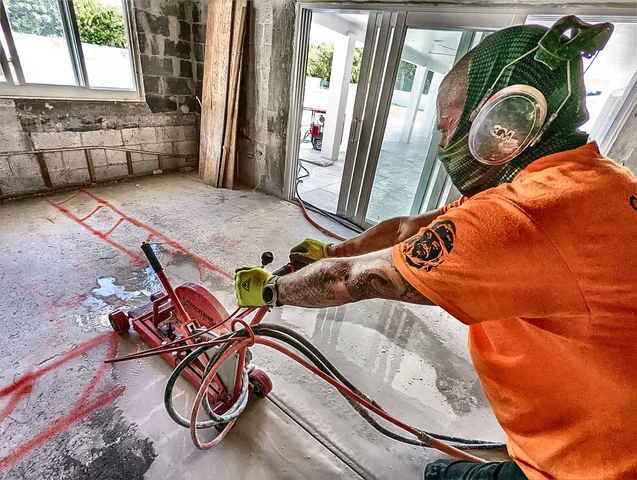
Compliance requires a written exposure control plan, engineering controls like wet cutting methods or integrated vacuum dust collection systems, respiratory protection (minimum N95, often P100 half-face respirators for heavy operations), and designated competent person oversight. On Westview removal sites, our standard protocol includes:
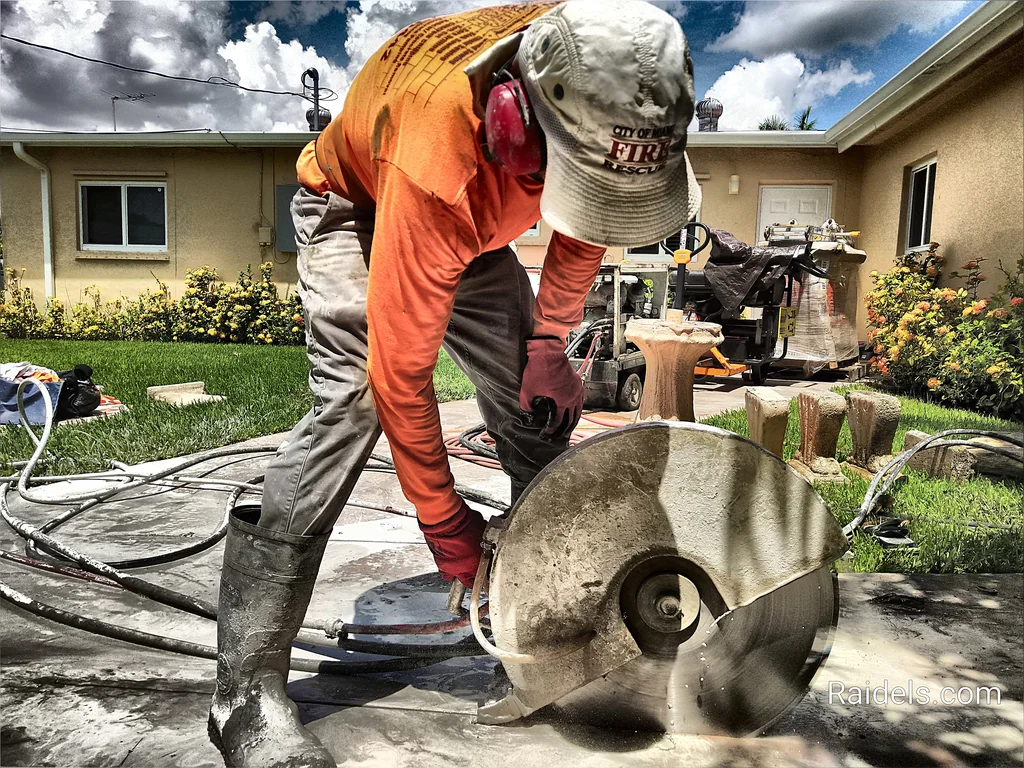
- Wet slurry suppression on all diamond blade saw cutting operations
- HEPA-filtered vacuum shrouds on angle grinders and hand tools
- Downwind exclusion zones established before any dry breaking begins
- Daily air monitoring on projects exceeding 4 hours of continuous cutting
- Fit-tested respirators documented in worker files, not just handed out at the gate
The EPA regulations layer on top of OSHA requirements here, particularly when slurry runoff from wet cutting enters storm drains. Concrete slurry is highly alkaline and classified as a pollutant under the Clean Water Act. Containment berms, slurry vacuums, and proper disposal are non-negotiable on any compliant Westview removal project.
Structural Sequencing to Prevent Collapse During Partial Slab Removal
One of the most underestimated hazards in concrete removal is progressive structural collapse during partial demolition. This is especially relevant in Westview where contractors are often removing portions of slabs adjacent to load-bearing walls or existing occupied structures. The engineering survey required under Subpart T must identify the removal sequence — which sections come out first, which temporary shoring is required, and what the safe load limits are for equipment operating on partially cut slabs.
When removing concrete slabs near existing foundations or party walls, the sequencing protocol typically follows this order:
- Establish shoring on any structural elements adjacent to the removal zone
- Perform GPR scan to confirm rebar layout and post-tension cable locations
- Execute perimeter cuts first to isolate the removal section from the live structure
- Break the isolated section into manageable panels — typically no larger than what the lifting equipment can handle in a single pick
- Remove panels progressively from the furthest point back toward the equipment staging area
- Inspect shoring integrity after each major panel removal before proceeding
Post-tensioned slabs — common in South Florida commercial construction — require specialized handling. Cutting a post-tension tendon without proper stress relief can cause catastrophic slab movement. Our crews are trained to identify PT slab indicators (typically marked on the slab edge or visible in structural drawings) and to use specialized equipment and techniques to manage tendon exposure safely.
Noise, Vibration, and Hand-Arm Vibration Syndrome on Jackhammer-Intensive Sites
Concrete removal in tight urban corridors like Westview often relies heavily on electric and pneumatic jackhammers — tools that generate both occupational noise levels exceeding 100 dB(A) and significant hand-arm vibration (HAV). OSHA’s noise standard (29 CFR 1926.52) requires hearing protection when noise exposure exceeds 90 dB(A) over an 8-hour TWA, with an action level of 85 dB(A) triggering a hearing conservation program.
Hand-arm vibration syndrome (HAVS) is a progressive, irreversible condition that affects vascular and neurological function in the hands and arms. While OSHA does not yet have a specific HAVS standard, the General Duty Clause creates liability for employers who expose workers to known HAV hazards without mitigation. Best practice on our Westview removal projects includes rotation schedules limiting individual jackhammer exposure to no more than 2 hours per shift, anti-vibration gloves, and regular neurological symptom checks documented by the site supervisor.
Storm Drain and Environmental Compliance During Westview Removal Operations
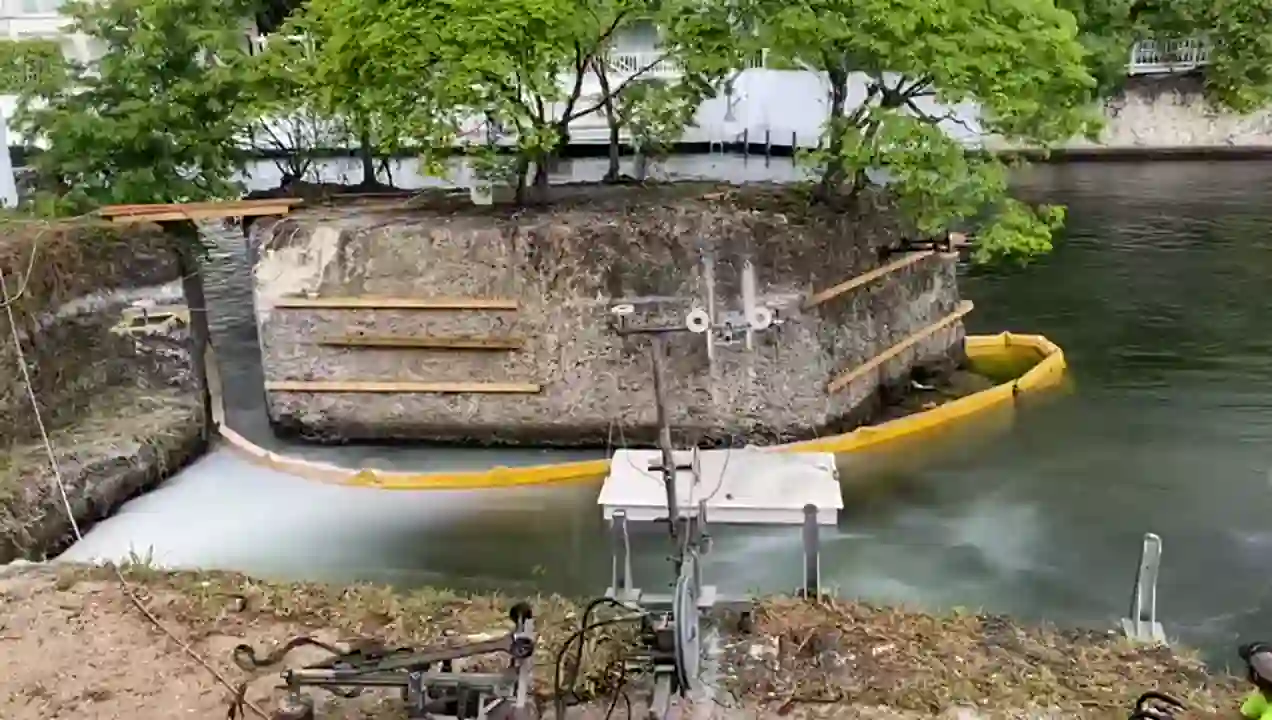
Miami-Dade’s proximity to Biscayne Bay and the Everglades watershed means that environmental compliance on concrete removal sites isn’t optional — it’s enforced. Westview’s storm drain network connects directly to sensitive receiving waters, and concrete removal generates alkaline slurry, concrete dust, and potentially contaminated groundwater from older slabs. Our storm cleanup protocols include pre-work drain blocking, slurry containment and vacuum removal, and pH testing of any water discharge before it leaves the site boundary.
For projects with significant environmental exposure risk, we coordinate with climate resilience planning frameworks to ensure that removal and disposal practices align with long-term watershed protection goals. This isn’t just regulatory box-checking — it’s the standard that distinguishes professional contractors from operators who create liability for their clients.
Choosing a Contractor Who Understands the Full Compliance Picture
Not every contractor bidding on concrete removal in Westview understands the layered regulatory environment they’re stepping into. Before you sign a contract, ask for the written silica exposure control plan, the engineering survey, proof of GPR scanning capability, and documentation of worker respirator fit testing. If those documents don’t exist or can’t be produced quickly, that’s your answer about how the job will be run. Our detailed guide on how to choose the right concrete drilling company without getting burned walks through the exact vetting questions that separate compliant operators from liability risks.
Concrete removal in Westview is technical, hazardous, and heavily regulated work. The crews who do it safely aren’t cutting corners on PPE, skipping the GPR scan, or ignoring slurry containment because it’s inconvenient. They’re executing a documented safety plan, managing every hazard category simultaneously, and delivering a finished removal that leaves the site cleaner and safer than they found it. That’s the professional standard — and it’s the only standard worth hiring.