Why Dirt and Gravel Removal in Miami Is a Regulatory Minefield Most Contractors Underestimate
Miami-Dade County sits on top of a highly porous limestone aquifer system — the Biscayne Aquifer — that supplies drinking water to millions of South Florida residents. That geological reality means every cubic yard of dirt or gravel you disturb, cut through, or haul off a job site carries potential environmental consequences that extend far beyond the property line. When contractors approach dirt or gravel removal in Miami as a simple “dig and dump” operation, they’re setting themselves up for DERM violations, NPDES permit failures, and in worst-case scenarios, project shutdowns that cost far more than proper planning ever would have. As someone who has consulted on concrete cutting and demolition projects across South Florida for decades, I can tell you that the environmental compliance piece of excavation work is where most operators get burned — and where the best operators separate themselves from the pack.
Understanding Miami’s Regulatory Framework Before the First Shovel Hits the Ground
Before any dirt or gravel removal begins on a Miami project, contractors must navigate a layered regulatory environment that includes Miami-Dade DERM (Department of Environmental Resources Management), the Florida Department of Environmental Protection (FDEP), and federal NPDES (National Pollutant Discharge Elimination System) stormwater requirements. Any project that disturbs one acre or more of land — and many urban infill projects in Miami reach that threshold quickly — requires a NPDES Construction Generic Permit. That permit mandates a Stormwater Pollution Prevention Plan (SWPPP) that specifically addresses how disturbed soil, gravel, and construction debris will be managed to prevent sediment from entering storm drains, canals, or Biscayne Bay.
What makes Miami unique is that the storm drain system here doesn’t lead to a treatment facility — it leads directly to tidal canals and ultimately to the bay. There is zero buffer. Turbid water loaded with fine particulates from gravel screening or dirt excavation that enters a Miami storm drain is essentially entering a protected aquatic ecosystem within minutes. That’s why DERM inspectors take sediment control violations seriously, and why contractors who think a few straw bales constitute adequate erosion control are operating in a fantasy.
Permit Types Specific to Miami-Dade Excavation Projects
- Class I Permit (Dewatering): Required when groundwater is encountered during excavation, which in Miami happens at depths as shallow as 18 inches in many areas. Discharge of dewatering effluent must meet turbidity and pH standards before leaving the site.
- DERM Tree and Vegetation Removal Permit: Dirt removal operations that disturb native vegetation buffers or mangrove adjacency zones require separate environmental clearance.
- Miami-Dade Right-of-Way Permit: If dirt or gravel haul trucks are accessing the site via county roads, a separate ROW permit governs load limits, haul routes, and wheel wash requirements to prevent tracking sediment onto public streets.
- FDEP Environmental Resource Permit (ERP): Required for any work within or adjacent to wetlands, which are more prevalent in Miami than most people realize even in urban settings.
Slurry Generation During Concrete Cutting Adjacent to Excavation Zones
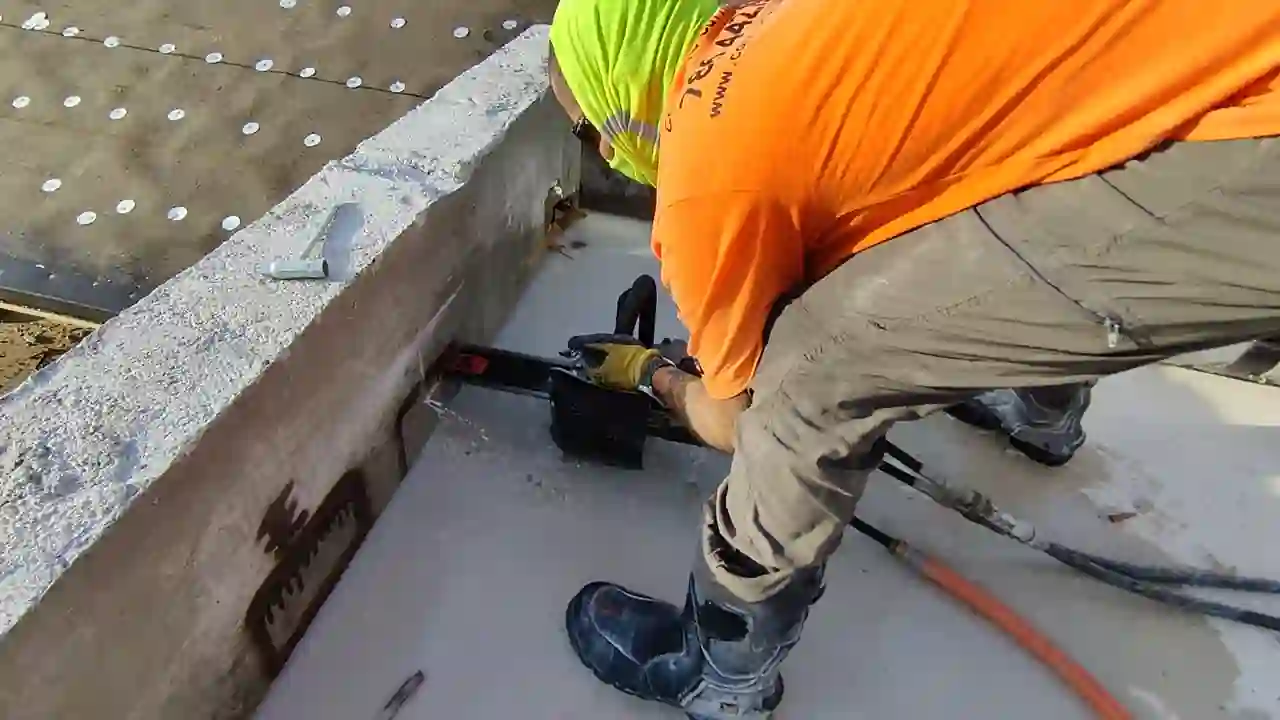
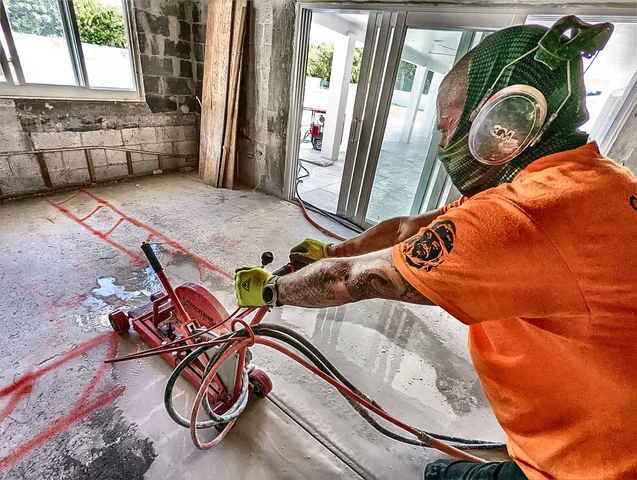
Here’s a technical reality that gets overlooked on mixed-scope projects: when concrete cutting operations are occurring simultaneously with or adjacent to dirt and gravel removal, you have two distinct waste streams that must be managed separately and carefully. Concrete cutting generates cementitious slurry — a high-pH liquid suspension of fine silica particles, calcium hydroxide, and water. This slurry is not the same as construction stormwater runoff, and it cannot be treated the same way.
Cementitious slurry has a pH that typically ranges from 11 to 13, making it corrosive and harmful to aquatic life. If that slurry migrates into a dirt excavation area and then enters the stormwater system, you’ve now got a chemical contamination issue layered on top of a sediment issue. On projects involving concrete wall openings or slab penetrations near active excavation zones, the slurry containment plan must physically segregate cutting waste from earthwork areas using berms, diversion swales, or impermeable sheeting.
Proper slurry management on a Miami job site means vacuum recovery of wet slurry at the point of cutting, collection into sealed containers, pH adjustment to between 6.5 and 8.5 before any discharge, and disposal at an approved facility. This is non-negotiable under both FDEP and Miami-Dade DERM standards. For more on how precision cutting operations interact with complex site conditions, the team at Concrete Cutting Florida’s coastal infrastructure work demonstrates how these protocols are applied on high-stakes projects.

Water Containment Systems That Actually Work in Miami’s Flat Terrain
Miami’s topography is notoriously flat, which creates a specific engineering challenge for water containment during dirt and gravel removal. On sites with even a 1% grade differential, stormwater and process water will sheet flow across the entire excavation area and off the site perimeter if containment isn’t engineered deliberately. The standard silt fence approach fails repeatedly in Miami because the soils here — often sandy or marly — don’t allow silt fence to function as designed. Water moves under silt fence through the porous substrate before it ever builds up enough hydrostatic pressure to be filtered.
What actually works in Miami’s soil conditions includes:
- Turbidity Barriers at Perimeter Drains: Floating turbidity curtains or sediment trap inserts at all storm drain inlets within 300 feet of the disturbance area. These must be inspected after every rainfall event exceeding 0.5 inches.
- Interceptor Swales with Rock Check Dams: Graded perimeter swales that direct runoff to a sediment basin before any off-site discharge. Rock check dams within the swale slow velocity and drop out coarse sediment.
- Sealed Perimeter Berms: Compacted earthen berms at least 18 inches high along all down-gradient site edges, with a lined collection sump at the lowest point for pump-out and treatment.
- Wheel Wash Stations: Mandatory on any Miami project where haul trucks are removing dirt or gravel. Tracking sediment onto public roads creates a secondary off-site discharge pathway that DERM inspectors specifically look for.
Dewatering During Deep Gravel and Soil Removal
Miami’s shallow water table — often encountered at 2 to 4 feet below grade in many neighborhoods — means that deep gravel removal almost always involves dewatering. The dewatering discharge must be treated to remove suspended solids before it can be released to any surface water or storm drain. On-site treatment typically involves a series of settling tanks or a dewatering bag system that reduces turbidity to below 29 NTUs (the FDEP threshold for discharge to Outstanding Florida Waters, which Biscayne Bay qualifies as).
Contractors who skip or shortcut dewatering treatment are not just risking fines — they’re risking stop-work orders that can idle an entire project for weeks while DERM conducts a formal investigation. The cost of a proper dewatering treatment system on a Miami excavation project is a fraction of what a single enforcement action costs in legal fees, penalties, and project delay.
Silica Dust Control When Cutting Through Concrete Near Active Excavation
Gravel and concrete cutting operations in Miami generate respirable crystalline silica — one of the most dangerous occupational hazards in the construction industry. When concrete sawing or core drilling is happening in proximity to open excavations, silica dust can migrate into the excavation zone and expose workers in the pit to concentrations that exceed OSHA’s permissible exposure limit of 50 micrograms per cubic meter as an 8-hour TWA. Wet cutting methods are the primary engineering control, and they’re also the same methods that generate the slurry discussed earlier — so the two management challenges are directly linked. For a deeper look at silica exposure protocols in cutting operations, the silica safety resources available from our team provide OSHA-aligned guidance for Miami job conditions.
On projects where diamond blade cutting is being used to remove concrete slabs prior to gravel subbase removal, the sequencing matters. Complete the wet cutting, recover the slurry, allow the area to dry and be cleared of silica-laden residue before opening the excavation to workers below grade. This sequencing isn’t just good practice — it’s what OSHA’s Silica Standard (29 CFR 1926.1153) requires when engineering controls are the primary means of exposure reduction.
Rebar Encounter During Subsurface Gravel and Concrete Removal
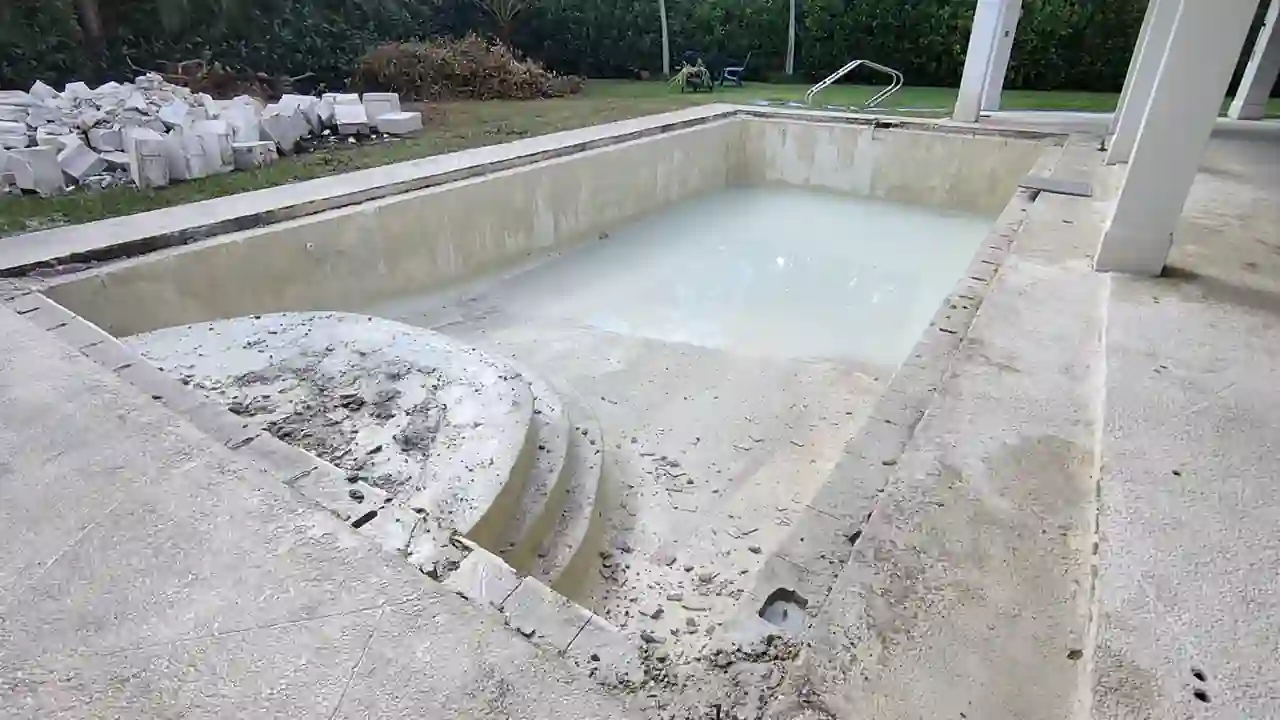
In Miami’s urban core, gravel removal frequently uncovers abandoned concrete footings, grade beams, or old slab remnants that contain rebar. The decision of how to handle these encountered elements — cut them out, break them out, or work around them — has direct implications for both project efficiency and environmental compliance. Cutting rebar-embedded concrete with a diamond saw generates a different slurry profile than cutting plain concrete, with higher metallic particulate content that may require additional treatment before discharge. Understanding the full technical picture of how concrete saws handle rebar is essential for planning the slurry management protocol on these mixed-material removal projects.

Hauling and Disposal Compliance for Excavated Miami Soils and Gravel
Not all dirt and gravel removed from Miami job sites can be freely disposed of at a fill site. Miami-Dade DERM requires that excavated material be characterized before disposal if there’s any reasonable basis to suspect contamination — and in Miami’s urban environment, that reasonable basis exists on almost every infill site. Former gas stations, dry cleaners, industrial operations, and even residential properties with old underground storage tanks have left a legacy of soil contamination throughout Miami-Dade County.
A Phase II Environmental Site Assessment with soil sampling should be completed before large-scale dirt removal begins on any site with a complex land use history. If contamination is found, the excavated material becomes regulated waste, and its transport and disposal must comply with FDEP’s contaminated soil management rules. Contractors who haul contaminated soil to an unlicensed fill site face criminal liability, not just civil penalties. The environmental due diligence piece of dirt and gravel removal in Miami is not optional — it’s the foundation that every other compliance measure is built on.
Working with a contractor who understands the full technical and regulatory landscape of Miami excavation — from slurry chemistry to NPDES permit conditions to silica exposure controls — is the difference between a project that closes out cleanly and one that becomes a regulatory case study in what not to do. Concrete Cutting Miami, LLC brings that integrated technical expertise to every project, ensuring that material removal operations meet the environmental standards that Miami’s unique ecosystem demands.