Concrete Cutting Florida: The Structural Demands of Coastal Demolition
When operating in Florida’s coastal environment, concrete cutting crews face challenges absent in inland projects. The combination of high water tables, salt-laden air, and strict Miami-Dade High-Velocity Hurricane Zone (HVHZ) codes demands a level of precision and equipment specification rarely required elsewhere. Every cut—whether for a driveway sectioning repair or a bridge deck removal—must account for rebar corrosion rates, chloride penetration, and the dynamic loads imposed by hurricane-force winds. This is not general demolition; it is structural surgery in a corrosive, high-stress environment.

Why Standard Cutting Methods Fail in Florida’s Sub-Tropical Climate
Conventional abrasive blade cutting generates excessive heat and micro-cracking. In Florida’s humidity, those micro-cracks become pathways for moisture and chlorides, accelerating rebar corrosion. The Florida Department of Transportation (FDOT) specifies that all exposed reinforcement must be epoxy-coated or stainless steel in marine zones. Any cut that compromises that coating—through vibration or thermal stress—voids the warranty on the structure. That is why we deploy diamond wire sawing for nearly all critical cuts. The wire’s continuous loop distributes tension evenly, minimizing impact on the surrounding matrix and preserving the integrity of the epoxy barrier.
Diamond Wire Sawing for Seawall and Bridge Demolition
Seawalls along Miami Beach and Fort Lauderdale are often constructed with 5000 psi concrete reinforced with #11 rebar. Cutting these structures with a standard flat saw would require multiple passes and risk blade binding. Diamond wire sawing, however, allows a single pass through the entire section. The key parameter is wire speed: for Florida’s high-density aggregates (often limestone-based), we run the wire at 25–30 m/s with a constant water flow of 15–20 liters per minute to flush slurry and cool the beads. This prevents thermal damage to adjacent sections that remain in service.
For bridge deck removals—common on I-95 overpass replacements—we use a 15 mm diameter diamond wire with 40 beads per meter. Tension is set to 2500 N, monitored via a hydraulic tensioner that compensates for wire stretch. The cut is performed from a suspended platform to avoid loading the deck prematurely. After each cut, we inspect the exposed rebar for signs of corrosion. If pitting is detected, we recommend driveway sectioning repair cuts to replace the affected zone entirely rather than patching.
Core Drilling in Post-Tensioned Slabs: Tension Release Protocols
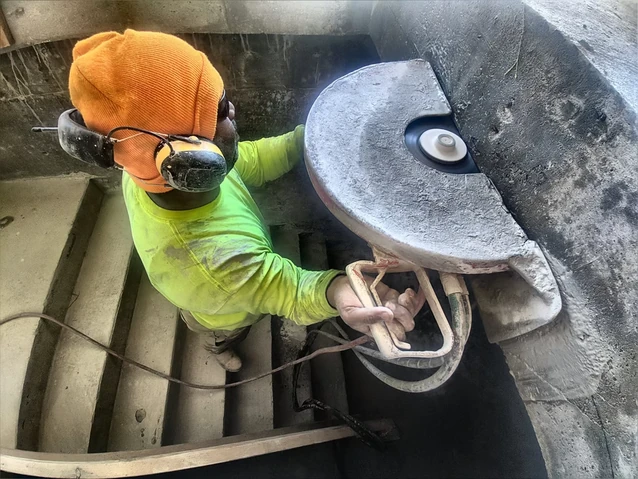
Post-tensioned (PT) slabs are ubiquitous in Florida high-rises. Cutting into a PT slab without first releasing the tension can cause catastrophic failure. The standard protocol involves X-ray scanning to map tendon locations, then using a hydraulic core drill to create a 4-inch pilot hole at the dead-end anchorage. Once the tendon is exposed, we apply a calibrated jack to slowly release the stress—never cutting the tendon itself. Only after the tendon is fully detensioned do we proceed with the full-diameter core. This process is detailed in our core drilling service page, which covers the specific hydraulic pressures required for Florida’s common 0.5-inch and 0.6-inch strand diameters.
Flat Sawing for Driveway and Sidewalk Sectioning
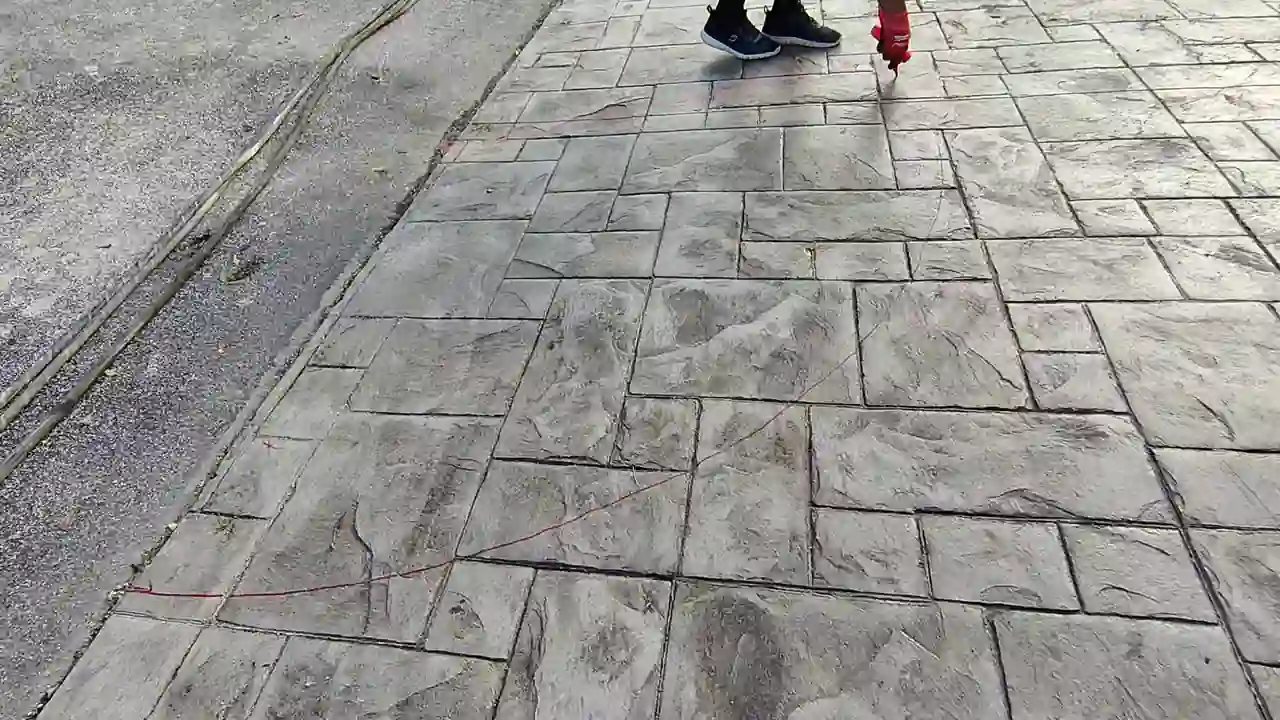
Residential concrete cutting in Florida presents its own set of challenges. The water table often sits less than 3 feet below grade. When cutting driveways for repair or expansion, we use a flat saw with a 24-inch blade running at 1800 rpm. The blade must be diamond-tipped with a segmented rim to prevent glazing from the silica-rich sand typical of Florida subgrades. Depth of cut is limited to 6 inches per pass to avoid hitting the water table and destabilizing the base. For complete removal, we perform multiple parallel cuts at 12-inch intervals, then break out the sections with a hydraulic breaker. This method is outlined in our guide to cutting and removing concrete slabs in Miami, which details the sequence for minimizing dust and noise in residential neighborhoods.
Rebar Cutting in High-Corrosion Zones
Florida’s coastal rebar is often galvanized or epoxy-coated. Cutting these bars with standard abrasive wheels can strip the coating, exposing bare steel to salt air. We use diamond blades with a continuous rim and water cooling to keep the cut temperature below 200°F. For rebar larger than #6, we switch to a hydraulic rebar cutter that shears the bar without generating heat. This preserves the protective layer and maintains the structure’s corrosion resistance. Our cutting concrete with rebar in Miami tag archive contains case studies of projects where this method extended service life by 15 years.
Compliance with Miami-Dade HVHZ Wind Load Standards
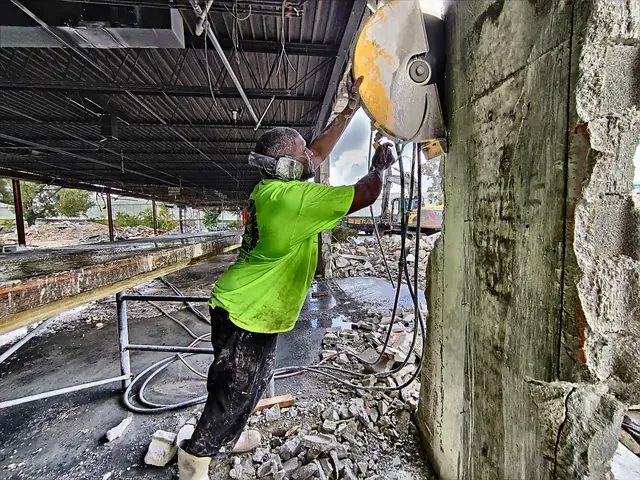
Any concrete cutting performed on a structure within Miami-Dade County must account for the building’s wind load path. Cutting a shear wall or a slab without first verifying that the lateral load can be redistributed is a code violation. We work with structural engineers to identify redundant load paths. For example, when cutting a 12-inch thick shear wall for a new door opening, we first install temporary steel shoring at 4-foot centers, then cut in a sequence that leaves the top beam intact until the last pass. The shoring must resist 150 mph wind loads, so we use 8-inch diameter steel pipe columns with base plates bolted to the existing slab. This procedure is documented in our construction safety category, which includes checklists for wind load compliance.
Water Management During Cutting Operations
Florida’s environmental regulations prohibit slurry runoff into storm drains. All cutting operations must use a closed-loop water system. We deploy a vacuum recovery unit that collects slurry and filters it through a 5-micron bag filter. The clean water is recirculated to the saw. The sludge—which contains concrete fines and trace metals—is disposed of at a licensed facility. For large projects, we use a mobile settling tank with a capacity of 500 gallons. This system is essential for all our concrete cutting services in Florida, where environmental fines can exceed $10,000 per violation.
Equipment Specifications for Florida’s Unique Aggregates
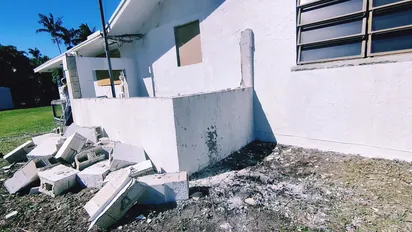
Florida concrete often uses limestone aggregate, which is softer than granite but more abrasive due to its high calcium carbonate content. Diamond blades designed for granite will wear prematurely here. We specify blades with a hard bond matrix that resists the abrasive wear of limestone. For flat saws, we use a 14-inch blade with a 1-inch arbor and a segmented rim containing 20/30 US mesh diamond grit. The segment height is 12 mm to provide adequate life for cuts up to 6 inches deep. For wall saws, we use a 36-inch blade with a 2-inch arbor and a continuous rim for smoother cuts on vertical surfaces. These specifications are critical for maintaining cut accuracy within 1/8 inch over 20-foot runs.
Noise and Vibration Control in Urban Environments
Cutting concrete in Miami’s dense neighborhoods requires compliance with noise ordinances that limit operations to 7:00 AM to 7:00 PM and restrict sound levels to 75 dBA at the property line. We equip our saws with mufflers and use sound blankets around the cutting area. Vibration monitoring is mandatory when cutting near historic structures or medical facilities. We install accelerometers on adjacent walls and log data every 10 seconds. If vibration exceeds 0.5 inches per second, we reduce blade speed or switch to a wire saw, which generates lower vibration. This protocol is part of our standard operating procedures listed on our links page.
Post-Cut Sealing and Corrosion Protection
After every cut, the exposed rebar must be coated with a zinc-rich primer within 4 hours to prevent flash rusting. The concrete surface is sealed with a penetrating silane sealer to block moisture ingress. For cuts that will remain exposed for more than 30 days, we apply a cementitious cap that matches the existing concrete’s compressive strength. This step is often overlooked by general contractors, but it is essential for long-term durability in Florida’s corrosive environment. Our Miami concrete cutting guide includes a full list of approved sealers for HVHZ zones.
Concrete cutting in Florida is not a one-size-fits-all service. It requires understanding of local geology, building codes, and environmental regulations. From the tensioning of diamond wire on a bridge deck to the precise depth of a core drill in a post-tensioned slab, every parameter is adjusted for the specific conditions of the site. The result is a cut that maintains structural integrity, complies with all codes, and extends the life of the structure in one of the most demanding construction environments in the United States.