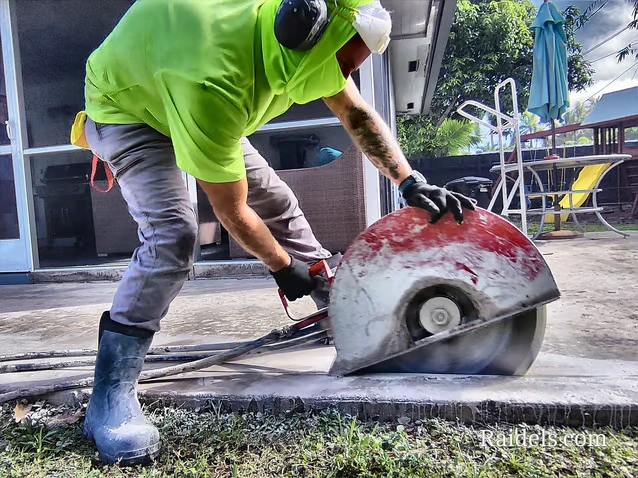
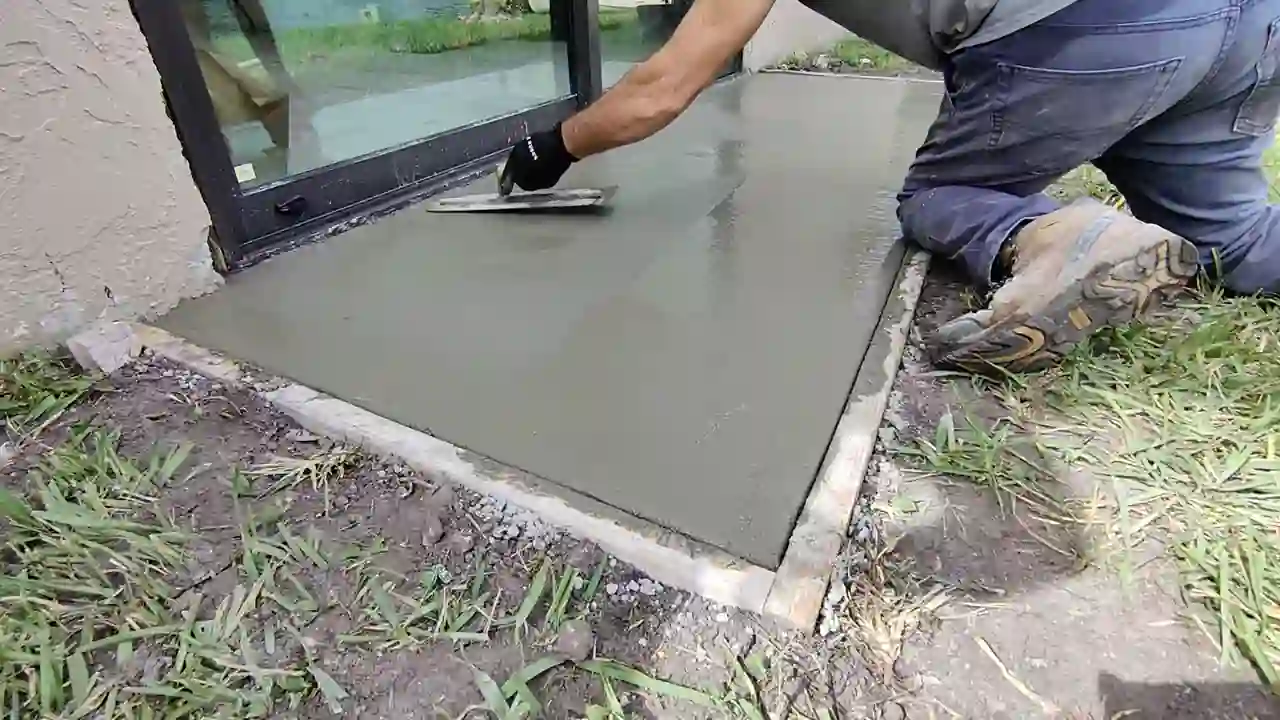
Why Egress Window Cuts Generate More Slurry Hazard Than Almost Any Other Residential Job
When a homeowner schedules a foundation cut for an egress window, they’re picturing a clean rectangular opening and a safer basement. What they don’t picture — and what most contractors underestimate — is the volume of silica-laden slurry that a diamond blade produces cutting through 8 to 12 inches of reinforced concrete below grade. A single egress window opening, typically 32 inches wide by 24 inches tall at minimum per IRC Section R310, can generate anywhere from 15 to 40 gallons of contaminated slurry depending on aggregate hardness, rebar density, and blade type. In Miami-Dade County, where storm drain infrastructure runs close to residential foundations and where Florida DEP regulations carry real enforcement teeth, mismanaging that slurry isn’t a minor oversight — it’s a permit-threatening, fine-generating liability.
The chemistry of diamond-blade slurry is worth understanding before you set up a single piece of equipment. Concrete slurry is not just gray water. It’s an alkaline suspension — typically pH 11 to 13 — containing pulverized calcium silicate hydrate, free lime, trace heavy metals from rebar oxidation, and fine silica particles that classify as a regulated pollutant under the Clean Water Act’s NPDES permit framework. Discharging that material into a storm drain, onto a public easement, or into the ground without containment violates both federal and Florida state law. For contractors working rebar cutting in Miami residential projects, understanding these rules isn’t optional — it’s the baseline for operating professionally.
Pre-Cut Site Assessment Protocols Specific to Below-Grade Foundation Work
Before a diamond blade touches a foundation wall for an egress window cut, a compliant operation requires a documented site assessment. This starts with identifying every storm drain, French drain, and surface drainage pathway within 50 feet of the work zone. In Miami’s flat topography, water — and slurry — moves laterally with almost no gradient to guide it. A slurry spill at the foundation perimeter can travel 30 feet across a lawn and enter a swale drain before the operator finishes the first horizontal cut.
The assessment should also catalog the foundation wall composition. Older Miami-area homes built before 1980 frequently feature unreinforced concrete block or poured concrete with minimal rebar, while post-1992 construction after Hurricane Andrew code revisions typically includes dense rebar grids at 12-inch on-center spacing. Rebar density directly affects slurry volume and chemistry — more metal oxidation byproducts enter the mix when cutting through heavily reinforced sections. Reviewing structural drawings or performing GPR (ground-penetrating radar) scanning before the cut is standard protocol on any job where structural integrity of reinforced slabs is a concern, and it doubles as your roadmap for slurry load estimation.
Containment Berms and Vacuum Recovery Setup for Foundation Perimeter Cuts
The physical containment system for an egress window cut must be established before water supply is connected to the saw. For below-grade work where the cut is made from the exterior after excavation, the standard approach involves:
- Polyethylene ground sheeting extending a minimum of 6 feet from the foundation face in all directions, with edges turned up and secured using sandbag berms or foam backer rod to create a containment basin
- Slurry vacuum recovery units — not shop vacs, but purpose-built industrial slurry vacuums with 50+ gallon collection tanks and HEPA filtration — positioned to continuously pull slurry from the cut zone during operation
- Wet-dry containment booms placed at the excavation perimeter to prevent any slurry from migrating into the surrounding soil profile
- pH monitoring strips staged on-site to verify slurry alkalinity before any water from the job enters the containment tank
For interior cuts — where the egress window opening is made from inside the basement — containment geometry changes significantly. The floor must be protected with heavy-gauge poly sheeting, and a three-sided foam or rubber dam must be constructed around the base of the wall section being cut. The saw operator works within this dam, and a second technician manages continuous vacuum recovery. Interior cuts in occupied or recently occupied spaces also trigger OSHA 29 CFR 1926.1153 silica exposure requirements, meaning respiratory protection at APF 10 minimum and real-time air monitoring are non-negotiable.
Diamond Blade Selection and Water Flow Rates That Directly Affect Slurry Concentration
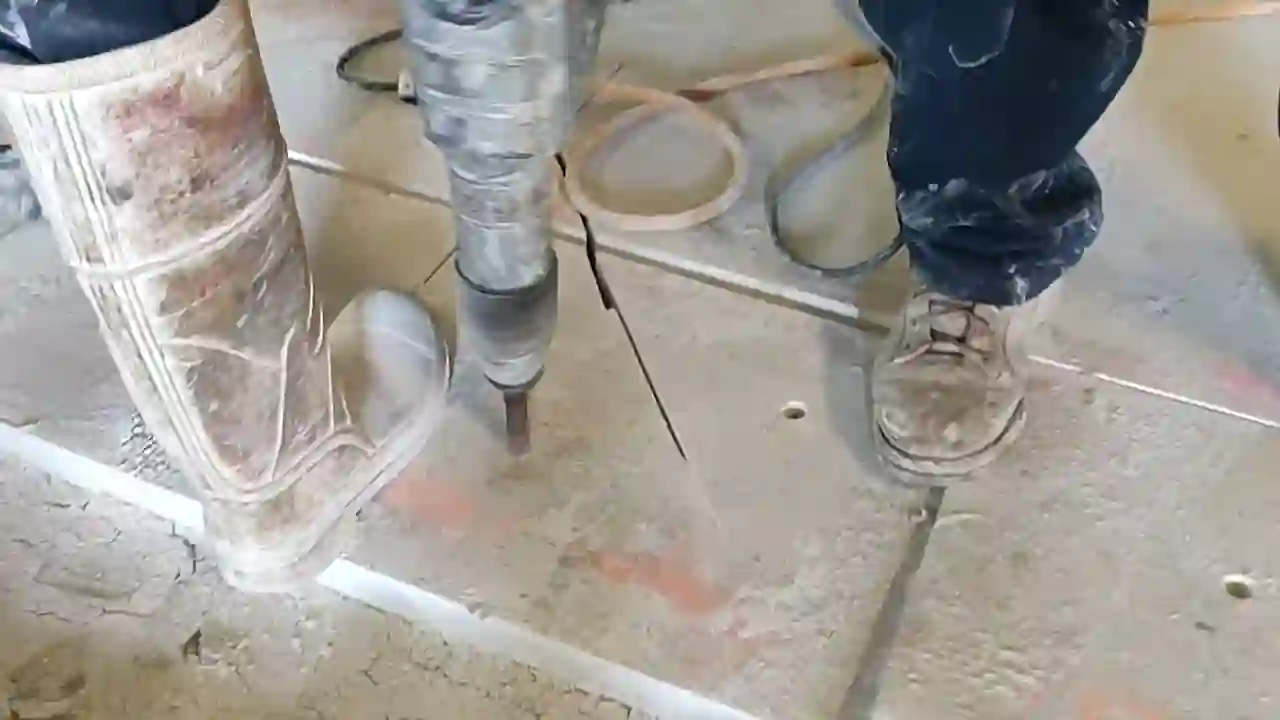
The relationship between blade specification and slurry management is tighter than most operators acknowledge. A high-segment diamond blade designed for hard aggregate — the Miami limestone and shell-rock mixes common in South Florida foundations — cuts faster but generates coarser slurry particles that settle quickly in containment systems, making recovery easier. A soft-bond blade on the same material glazes faster, requires more water to cool, and produces a finer colloidal slurry that stays suspended longer and is harder to filter. Selecting the right tooling isn’t just about cut speed; it’s about managing your waste stream. For a detailed breakdown of blade specifications for South Florida aggregate types, see our resource on diamond tooling and blade selection for professional concrete cutting.
Water flow rate is the other critical variable. Most wall saws used for egress window cuts operate at 1.5 to 3 gallons per minute of cooling water. At 2 GPM over a 45-minute cut cycle, you’re introducing 90 gallons of water into the work zone — but only 15 to 40 of those gallons become slurry. The rest picks up alkalinity and fine particulate and must still be treated as contaminated water. Running water flow at the minimum rate necessary to prevent blade overheating reduces total slurry volume and makes containment more manageable. This requires monitoring blade temperature via infrared thermometer during the cut rather than defaulting to maximum flow settings.
Slurry Neutralization Before Legal Disposal
Collected slurry cannot be discharged to a sanitary sewer, storm drain, or surface water in its raw state. Florida DEP regulations require pH adjustment to the range of 6.0 to 9.0 before any concrete slurry enters a municipal system. On-site neutralization is achieved using dry carbon dioxide (CO2 injection systems) or food-grade citric acid added to the collection tank. CO2 injection is preferred for larger volumes because it drives pH down predictably without risk of over-acidification. Citric acid is practical for smaller containment volumes under 20 gallons.
After neutralization, the solid fraction must be allowed to settle. The clarified water can then be tested and, if pH-compliant, discharged to a sanitary cleanout with written authorization from the local utility. The solid cake — the settled concrete fines — must be bagged, labeled, and disposed of at a licensed C&D (construction and demolition) debris facility. In Miami-Dade, several facilities accept concrete slurry solids as inert fill material, which reduces disposal costs significantly. Documenting this chain of custody — from collection through disposal — is essential for projects where building inspectors or environmental compliance officers may request records. For a broader look at how proper waste management affects overall concrete cutting project costs, the disposal workflow is a line item that inexperienced bidders routinely miss.
What Miami-Dade Inspectors Look for on Egress Window Cutting Permits
Egress window cuts in Miami-Dade require a structural permit, and increasingly, inspectors are asking questions about environmental compliance as part of the inspection process. Specifically, they want to see evidence that the contractor has a slurry management plan, that containment was in place during cutting, and that the structural opening was made without compromising adjacent wall sections. The last point connects directly to concrete demolition cost planning — improper cuts that damage surrounding foundation sections create remediation costs that dwarf the original job value.
Inspectors also verify that any rebar exposed or cut during the egress window opening has been properly addressed. Cut rebar ends must be treated with epoxy coating or capped to prevent corrosion migration into the remaining foundation wall. This is especially critical in Miami’s high-humidity, salt-air environment where rebar corrosion can advance aggressively once the concrete cover is breached. A properly documented cut includes photographs of the rebar treatment, the containment setup, and the slurry disposal records.
Building the Right Workflow Means Treating Slurry Management as a First-Class Operation
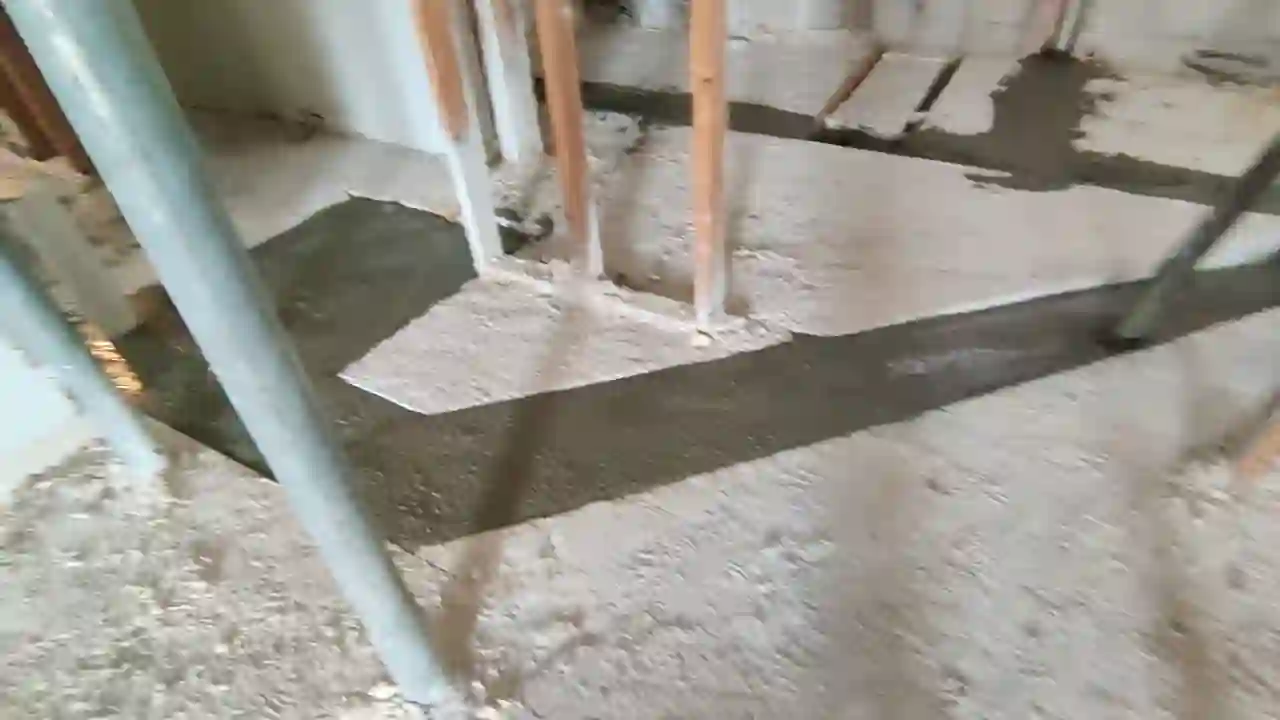
The contractors who consistently win egress window cutting work in the Miami market — and keep their licenses clean — are the ones who treat slurry management as a core technical competency rather than an afterthought. That means investing in proper vacuum recovery equipment, training operators on pH monitoring and neutralization chemistry, building containment setup time into every job estimate, and maintaining disposal documentation that can withstand regulatory scrutiny. The cut itself, when performed with the right diamond tooling and an experienced operator, takes less than two hours. The environmental compliance infrastructure around that cut is what separates professional concrete cutting operations from contractors who are one inspection away from a stop-work order.
Egress window openings save lives — that’s the entire point of the IRC requirement. Making those openings without creating an environmental liability requires the same level of technical discipline that goes into the structural work itself. In Miami-Dade, where regulatory enforcement is active and where the physical environment amplifies every compliance failure, there is no version of this job where slurry management is someone else’s problem.