Wall Cutting Is Precision Work
Concrete wall cutting opens doors, windows, and utility penetrations in concrete and block walls, and it is one of the most precision-demanding jobs in concrete work. The cut has to be plumb, square, and true, because a door frame or a window will not hide a sloppy opening, and a structural wall will not forgive a rough cut.

When you search for concrete wall cutting near you in Miami, you are looking for a contractor with the track-mounted saws and the experience to cut clean, straight lines in vertical concrete. Concrete wall cutting is a specialty, not a sideline.
How Wall Cutting Actually Works
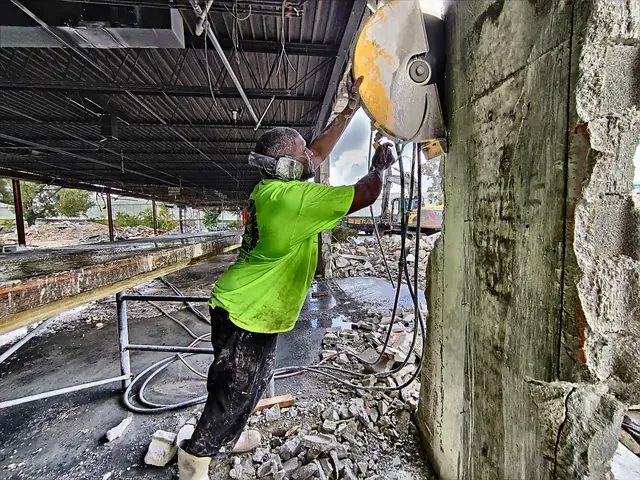
Wall cutting uses a track-mounted wall saw. The track bolts to the wall, and the diamond blade rides along it, cutting a straight, plumb line. The track is what makes the cut straight, a freehand cut through a concrete wall will wander, and a wandering cut means a wall opening that does not fit its frame.
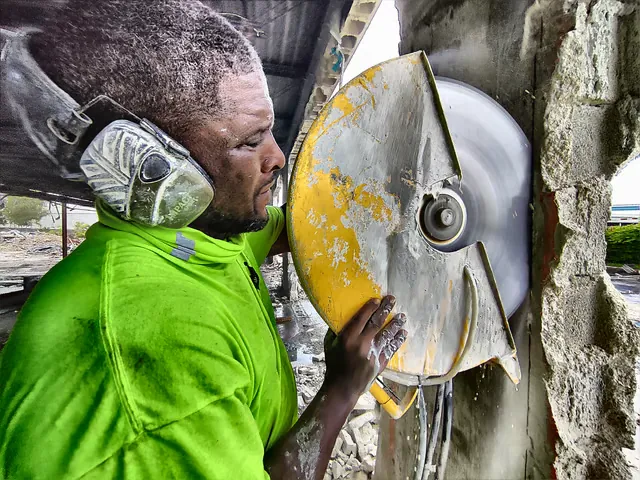
The saw runs wet to cool the blade and control the dust, and the cut can go full-depth through a wall in stages. The result is a clean opening with square edges, ready for a door, a window, or a penetration.
What Wall Cutting Costs
Wall cutting is priced by the cut, measured in linear feet or square feet of wall, and the price depends on the wall thickness, the reinforcement, and the access. A block partition wall is on the cheap end, while a thick, heavily reinforced concrete wall costs more per foot to cut.
There is often more to the job than the cut itself. A structural opening needs shoring and a header, and those are separate line items. A low quote for wall cutting that ignores the structural work is not a bargain, it is a risk. Wall cutting pricing is more than the saw time.
Structural Versus Partition Walls
The biggest variable in wall cutting is what the wall is doing. A partition wall carries no load and can be cut with minimal preparation. A load-bearing or shear wall carries the building, and cutting it requires shoring and an engineered header, plus a permit.
In Miami, exterior walls are often shear walls that resist hurricane wind, which makes the structural work more demanding. Know which kind of wall you have before you get quotes, because the answer changes the price dramatically. Wall openings in structural walls are a different job entirely.
Finding a Contractor Who Cuts Clean
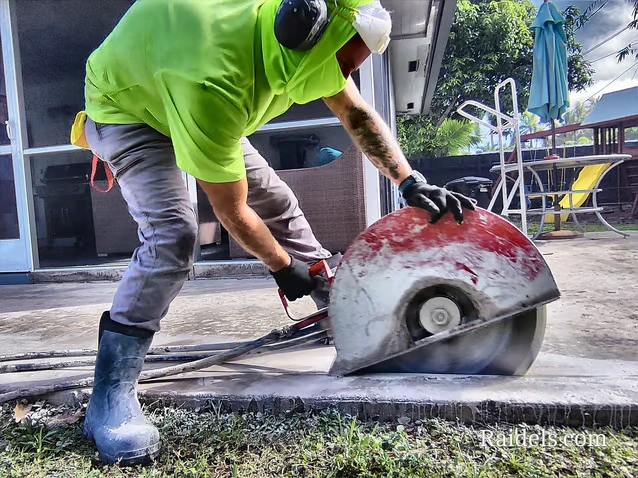
The quality of wall cutting shows in the edges. A clean cut has square corners, plumb jambs, and no blowout on the far side, and that takes a sharp blade, a properly set track, and an operator who knows the material. Ask to see past work or look for a contractor who can explain their method.
The contractor who talks through the scan, the shoring, and the header is the one who understands the job. The contractor who only quotes a price per foot is guessing. Finding the right contractor is about the details.
Dust and Water on an Interior Cut
Wall cutting runs wet, which means water and slurry on an interior job. A good contractor contains it, protecting the floors and finishes, and cleans up after the cut. The slurry is captured and disposed of properly, not washed down a drain, which is a compliance issue in Miami-Dade.
The dust from dry wall cutting is a silica hazard, which is why wet cutting is the standard. Silica safety is part of doing wall cutting right.
What the Scan Reveals Before the Wall Saw
Before a wall saw ever touches concrete, we scan the wall to see what is inside it, and the scan routinely changes the plan. Rebar is expected and accounted for, but the scan also finds conduit, plumbing, and in some older buildings, things that were never supposed to be there. Knowing where they are is the difference between a clean cut and a severed line.
The scan is especially important on load-bearing and shear walls, where the rebar is doing structural work. Cutting through the wrong rebar can compromise the wall, and cutting a post-tension cable is a genuine emergency. The scan is cheap, fast, and it tells us exactly where the blade can and cannot go.
What the Scan Protects You From
- Severed conduit: a cut through electrical that sparks and stalls the job.
- Hit plumbing: water where it should not be, inside a fresh cut.
- Cut rebar: structural reinforcement that was doing a job.
- Post-tension cables: the dangerous one, under enormous tension.
The scan is the step that separates a careful contractor from a careless one, and it is non-negotiable on any wall cut we do.
What to Ask Before You Book Wall Cutting
Before you book a wall cutting job, there are a few questions worth asking that will tell you whether the contractor understands the work. Ask whether the wall needs an engineer, because a load-bearing or shear wall does, and a contractor who says no for any structural wall is guessing. Ask whether the quote includes the shoring and the header, because those are the expensive parts of a structural opening, and they are sometimes left out of a low quote to make it look cheaper.
Ask about the scan. A contractor who plans to cut a wall without scanning it first is a contractor who is comfortable hitting whatever is inside, and that is a risk you should not take. The scan is cheap insurance against severed conduit, hit plumbing, and cut rebar, and any professional does it as a matter of course.
Ask about the permit. A structural wall opening in Miami-Dade is a permitted job, and the contractor should handle the filing and the inspection. A contractor who suggests skipping the permit to save money is doing you no favors, because unpermitted structural work becomes your problem when you sell or when something goes wrong. The answers to these questions tell you who you are really hiring.
The wall’s condition changes the approach. An older wall with spalling, cracks, or compromised rebar cuts differently than a fresh, sound wall, and it may need more care and a slower feed rate. We read the wall before we cut, because a wall that looks fine on the surface can be hiding deterioration behind the stucco, especially near the coast where salt air has been working on the steel.
Access is the other part of the quote nobody thinks about until the saw has to get in. A wall cut on a ground floor with clear space is fast, but the same cut on an upper floor, or behind a finished interior, means equipment staging, protection, and more labor. That access cost is why two identical walls can quote very differently, and why a per-foot price is only a starting point, not the whole story.
The wall’s age and condition are worth asking about up front. An older wall with spalling or corroded rebar cuts differently than a fresh one, and it may need a slower feed and more care. Near the coast, salt air works on the steel for decades, so a wall that looks sound can be hiding deterioration behind the stucco. A contractor who reads the wall before cutting is the one who delivers a clean opening without a surprise.
Get Your Wall Cut Right the First Time
If you are searching for concrete wall cutting near you in Miami-Dade or Broward, call us. We will assess the wall, tell you whether it is structural, and cut the opening clean and true.
Wall cutting done right opens up your space without compromising the building. Let us make the cut for you.