What a Con Saw Actually Does to Steel at the Blade Level
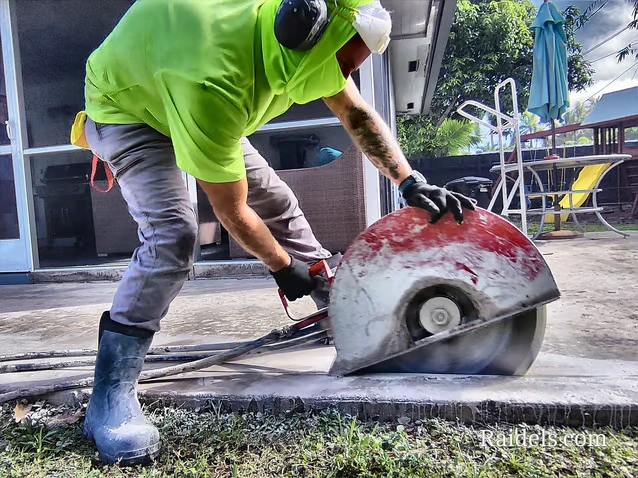
A cut-off saw — commonly called a con saw or consaw on the trade floor — is a high-RPM, handheld or walk-behind power tool designed to slice through hard materials using a rotating abrasive or diamond disc. Most operators associate it exclusively with concrete, masonry block, or asphalt. That association is understandable, but it is also incomplete. The mechanical reality is that a con saw generating 4,000 to 5,000 RPM at the arbor delivers more than enough rotational energy to sever mild steel, rebar embedded in slab, structural angle iron, corrugated metal decking, and even schedule 40 pipe — provided the operator swaps to the correct consumable and respects a specific set of procedural rules. Ignoring those rules is where injuries and ruined equipment come from. Follow them, and the con saw becomes one of the most versatile tools on a demolition or renovation site.
Blade Selection Is the Single Most Important Decision You Will Make
Before a single spark flies, you need to understand the fundamental difference between a masonry diamond blade and a metal-cutting abrasive wheel. A standard segmented diamond blade bonded for concrete will load up immediately on steel, overheat the bond matrix, and either glaze over or throw segments. That is a projectile hazard, not just a performance problem.
For cutting steel with a con saw, you have two legitimate options:
- Type 1 Aluminum Oxide Abrasive Cut-Off Wheels — These are the workhorses. Rated for ferrous metals, they are composed of aluminum oxide grains bonded in a resinoid matrix reinforced with fiberglass mesh. They wear down as they cut, which is by design. The abrasive action grinds through mild steel, rebar, angle iron, and pipe efficiently. Always verify the wheel’s maximum RPM rating exceeds your saw’s no-load speed by at least 20 percent.
- Continuous-Rim Diamond Blades Specifically Bonded for Steel — These are a newer category. They use a softer bond with a steel-specific grit concentration that allows the blade to self-sharpen against the ferrous material. They last significantly longer than abrasive wheels on structural steel but cost more upfront. For repetitive rebar cutting during slab demolition, the economics favor them quickly.
Never use a blade rated for masonry on steel. Never use a blade rated for steel on concrete without re-evaluating your RPM and water supply situation. Cross-contaminating blade applications is one of the top causes of blade failure events documented in construction safety incident reports across South Florida jobsites.
RPM Settings, Guard Position, and Machine Setup Before the First Cut
Most gas-powered con saws run between 4,000 and 5,500 RPM at the arbor. Electric and battery-powered units vary more widely. Before cutting steel, confirm the following machine settings:
- Guard angle — Position the blade guard so the open cutting arc faces away from your body. On steel cuts, sparks travel in a predictable stream opposite the rotation direction. Adjust accordingly.
- Blade depth — Set the blade exposure to just slightly deeper than the material thickness. Excessive blade exposure on steel increases vibration, reduces control, and accelerates wheel wear.
- Throttle behavior — Bring the saw to full throttle before contacting the material. Engaging steel at partial throttle causes the wheel to grab, stall, or kick back violently.
- Dry vs. wet cutting — Abrasive wheels for steel must be run dry. Water will delaminate the resinoid bond and cause catastrophic wheel failure. This is the opposite protocol from concrete cutting wet cutting applications where water suppresses silica dust and cools the blade. Keep your water supply away from the cut zone when switching to steel work.
How To Physically Execute a Steel Cut With a Con Saw Without Losing Control
Technique matters as much as equipment. Steel behaves differently than concrete under a spinning disc. Concrete is brittle and fractures ahead of the blade. Steel is ductile — it deforms, grabs, and can pinch the wheel in a way that causes violent kickback if you are not managing feed pressure correctly.
Follow this sequence on every steel cut:
- Secure the workpiece. Steel that shifts during the cut will pinch the blade. Use clamps, vises, or have a second person stabilize the material — never hold it with your free hand.
- Score the surface first. Make a shallow 1/8-inch groove at full throttle with minimal downward pressure. This creates a kerf guide that prevents the wheel from walking across the surface.
- Feed with steady, moderate pressure. Let the abrasive do the work. Forcing the cut overloads the wheel and generates excessive heat that can warp thin steel and destroy the bond matrix faster.
- Keep the cut moving. Dwelling in one spot builds heat. A smooth, progressive feed maintains cutting efficiency and extends wheel life.
- Never twist or angle the blade mid-cut. Lateral pressure on an abrasive wheel causes it to crack or shatter. Maintain a perfectly perpendicular orientation to the cut line throughout the stroke.
For operators transitioning from hand tool concrete work to con saw steel cutting, the biggest adjustment is pressure management. Concrete rewards aggressive feed. Steel punishes it.
Cutting Rebar Inside a Concrete Slab — the Embedded Steel Scenario
This is the scenario most Miami demolition crews actually face. You are not cutting a free-standing steel beam. You are cutting a concrete slab that contains a grid of No. 4 or No. 5 rebar, and your blade needs to handle both materials in the same pass. This is where blade selection becomes genuinely complex.
A standard concrete diamond blade will cut through rebar incidentally — it will not be destroyed by a single bar — but repeated rebar encounters will rapidly degrade a blade bonded exclusively for concrete aggregate. For slab work with heavy reinforcement, consider a multi-material blade designed for composite cutting, or plan to use a segmented diamond blade with a hard bond that can tolerate steel contact without segment loss.
Alternatively, if you are making a full demolition cut and the rebar is exposed or near the surface, pre-cut the rebar lines with an abrasive wheel first, then follow with your concrete blade on the aggregate. This two-pass method protects your diamond tooling investment significantly.
For a broader look at how blade technology applies across different material scenarios, the detailed equipment breakdown at Beyond the Blade — A Miami Expert’s Deep Dive Into Concrete Cutting Equipment covers the full spectrum of what modern con saws and their accessories can accomplish on complex jobsites.
Personal Protective Equipment Requirements Specific to Steel Cutting With a Con Saw
Steel cutting generates hazards that concrete cutting does not. The PPE list changes accordingly:
- Face shield rated for sparks — Safety glasses alone are insufficient. Hot metal sparks travel farther and at higher velocity than concrete chips. A full face shield rated to ANSI Z87.1 is mandatory.
- Leather gloves — Not nitrile, not fabric. Leather resists spark burns and provides grip on the vibrating saw body.
- Flame-resistant sleeves or jacket — Sparks will land on your arms. Cotton ignites. Wear FR-rated clothing or at minimum keep bare skin covered with heavy denim.
- Hearing protection — A gas con saw cutting steel produces sound levels exceeding 100 dB at the operator position. Double protection — foam plugs under earmuffs — is the correct protocol for extended cuts.
- Clear the hot zone — Sparks from a con saw steel cut can travel 15 to 20 feet. Remove combustible materials, fuel containers, and bystanders from that radius before starting.
Common Failure Modes and How To Recognize Them Before They Become Dangerous
Even experienced operators encounter problems. Knowing what failure looks like before it becomes catastrophic is what separates a senior tradesperson from someone who learns the hard way.
- Wheel glazing — The abrasive surface becomes smooth and the saw stops cutting efficiently despite full throttle. Cause: wrong wheel for the material, or insufficient feed pressure allowing heat to fuse the grain. Fix: dress the wheel with a quick pass on rough concrete or replace it.
- Excessive vibration mid-cut — Usually indicates an out-of-balance wheel, often caused by uneven wear from lateral pressure. Stop immediately and inspect the wheel for cracks or flat spots.
- Blade pinching and kickback — The cut closes on the blade because the workpiece shifted or the operator deviated from a straight line. This is the most dangerous failure mode. Prevention is the only real solution — secure your material before the first RPM.
- Burning smell from the saw body — Indicates the clutch or drive mechanism is overloading. Reduce feed pressure or allow the machine to cool. Continuing to cut through this warning risks motor failure or fire.
Reviewing established safety protocols in construction environments before taking on steel cutting with a con saw is not optional — it is the baseline expectation for any crew operating in a professional capacity on a Miami worksite.
When a Con Saw Is the Right Tool for Steel and When It Is Not
A con saw is the right tool for steel when you need portability, speed on smaller cross-sections, and the ability to work in confined or awkward positions where a chop saw or plasma cutter cannot reach. It excels on rebar, angle iron up to 3/16-inch thickness, corrugated decking, conduit, and pipe up to 4-inch diameter.
It is not the right tool for structural steel sections thicker than 1/4 inch, for precision cuts requiring tight tolerances, or for high-volume production cutting where a dedicated metal chop saw or cold saw will outperform it in both speed and wheel cost per cut. Knowing the boundaries of your equipment is what keeps projects on schedule and crews safe.
Used correctly, with the right abrasive wheel, proper RPM management, dry cutting protocol, and disciplined feed pressure technique, a con saw is a legitimate and highly effective steel-cutting tool in any concrete and demolition contractor’s arsenal.