Why Hand Sawing Bids Look So Different From One Contractor to the Next
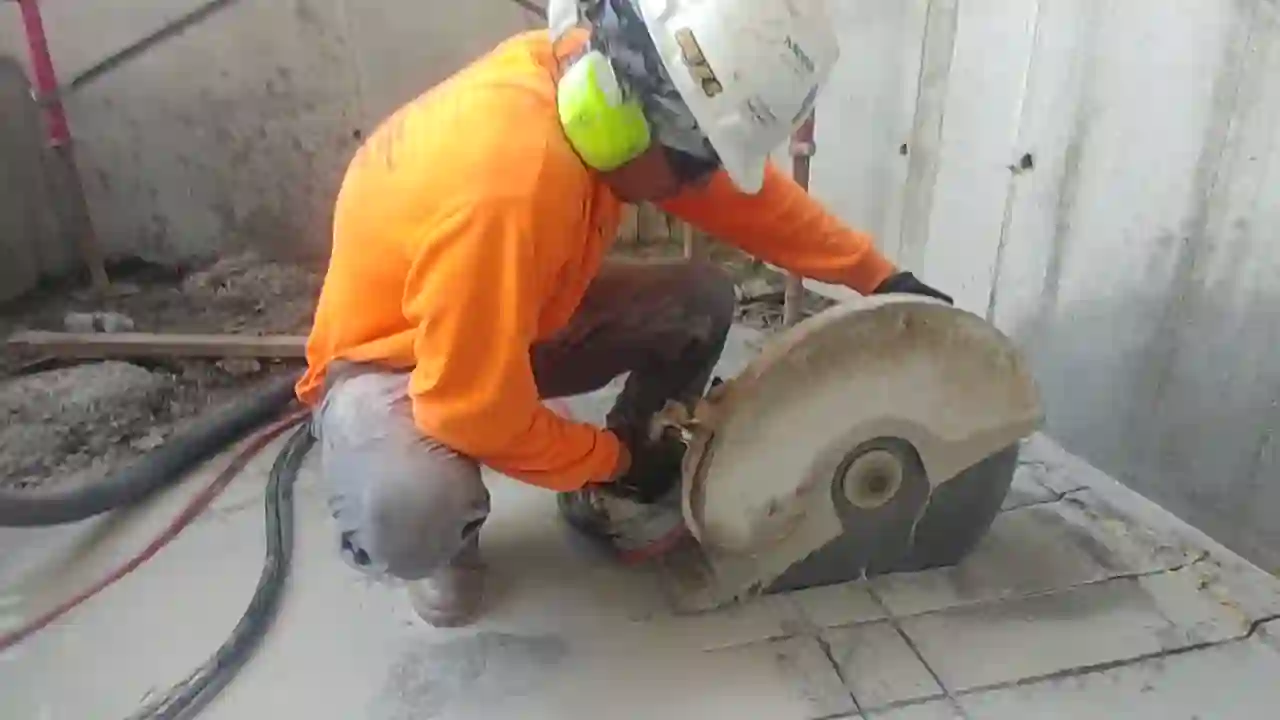
If you’ve ever put a hand sawing scope out to bid and received three quotes that look nothing alike, you’re not imagining things. Hand sawing — whether it’s a walk-behind flat saw cutting a slab, a handheld demo saw opening a wall pocket, or a ring saw working in a tight mechanical room — is one of the most variable line items in concrete cutting. The spread between a low bid and a high bid on the same scope can easily run 40 to 60 percent. That gap isn’t random. It reflects real differences in blade selection, equipment condition, crew experience, site access, and how honestly each contractor is accounting for the time this work actually takes. Understanding what’s inside that number is the only way to evaluate a quote intelligently.
The Core Cost Drivers Every Owner and GC Should Know
Before we talk numbers, let’s establish what’s actually being priced when a concrete cutting contractor submits a hand sawing bid. The work isn’t just labor and a blade. It’s a system — and every variable in that system has a dollar value attached to it.
Concrete Compressive Strength and Aggregate Hardness
This is the single biggest factor most owners never think about. A 3,000 PSI slab with river gravel aggregate cuts fast and easy. A 6,000 PSI structural deck reinforced with hard trap rock aggregate will consume diamond segments at two to three times the rate. Blade cost alone on a hard aggregate job can run $8 to $15 per linear foot of cut, compared to $2 to $4 on standard residential slabs. Any contractor who doesn’t ask for your mix design or core sample data before submitting a firm number is guessing — and you’ll pay for that guess in change orders later.
Reinforcement Layout and Rebar Density
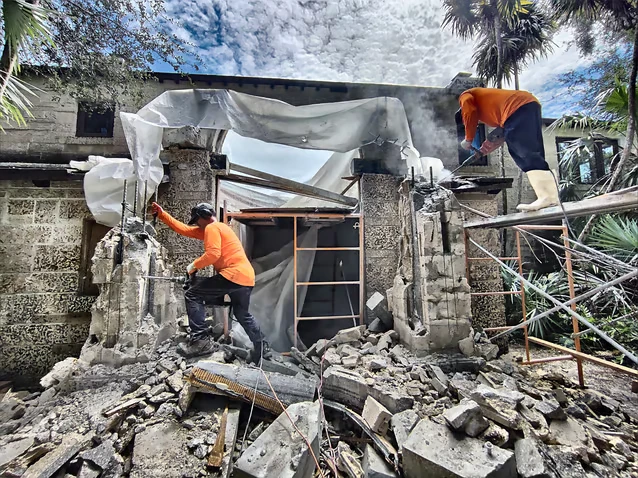
Hand sawing through lightly reinforced slabs is routine. Hand sawing through post-tensioned decks or heavily reinforced structural walls is a completely different animal. PT cables require GPR scanning before any blade touches the surface — that’s a separate mobilization cost. Dense rebar grids slow blade travel speed dramatically and increase segment wear. On heavily reinforced structural work, expect to add 25 to 40 percent to your base cut rate. Our team regularly works on high-density urban construction sites where structural complexity is the norm, not the exception.
Depth of Cut and Equipment Selection
A standard walk-behind flat saw maxes out around 13 inches of cut depth with a 20-inch blade. If your scope requires deeper cuts — say, a 16-inch thick transfer slab — you’re looking at either a dual-pass operation or a ring saw setup, both of which add time and cost. Ring saws give you up to 16 inches of depth from a single face but run slower and require a more skilled operator. Budget the difference: ring saw work typically runs 1.5 to 2 times the per-foot cost of a flat saw pass on the same depth.
Timeline Estimations by Scope Type
One of the most common mistakes in project scheduling is treating hand sawing as a half-day task when it’s actually a multi-day operation. Here’s how experienced estimators think about production rates.
Flat Saw Production Rates on Standard Slabs
On a clean, open slab — 4 inches thick, 3,500 PSI, light rebar — a skilled operator with a well-maintained flat saw can produce 80 to 120 linear feet per hour. That sounds fast until you factor in setup, water management, blade changes, and the inevitable repositioning between cuts. Real-world production on a day rate for a typical commercial slab opening runs 400 to 600 linear feet per shift. Plan your schedule around 500 LF per day as a conservative baseline for bidding purposes.
Hand Sawing in Confined or Restricted Environments
The moment you move a hand sawing operation into a mechanical room, a parking garage with 7-foot clearance, or a basement with limited ventilation, your production rate drops — sometimes by half. Equipment has to be broken down and reassembled. Slurry management becomes more complex. Operator fatigue increases. If you’re managing work in tight environments, our resources on confined space drilling and cutting operations lay out the safety and logistics protocols that directly affect your timeline. Budget an additional 30 to 50 percent on your labor hours for any confined space hand sawing scope.
Joint and Control Cut Timelines
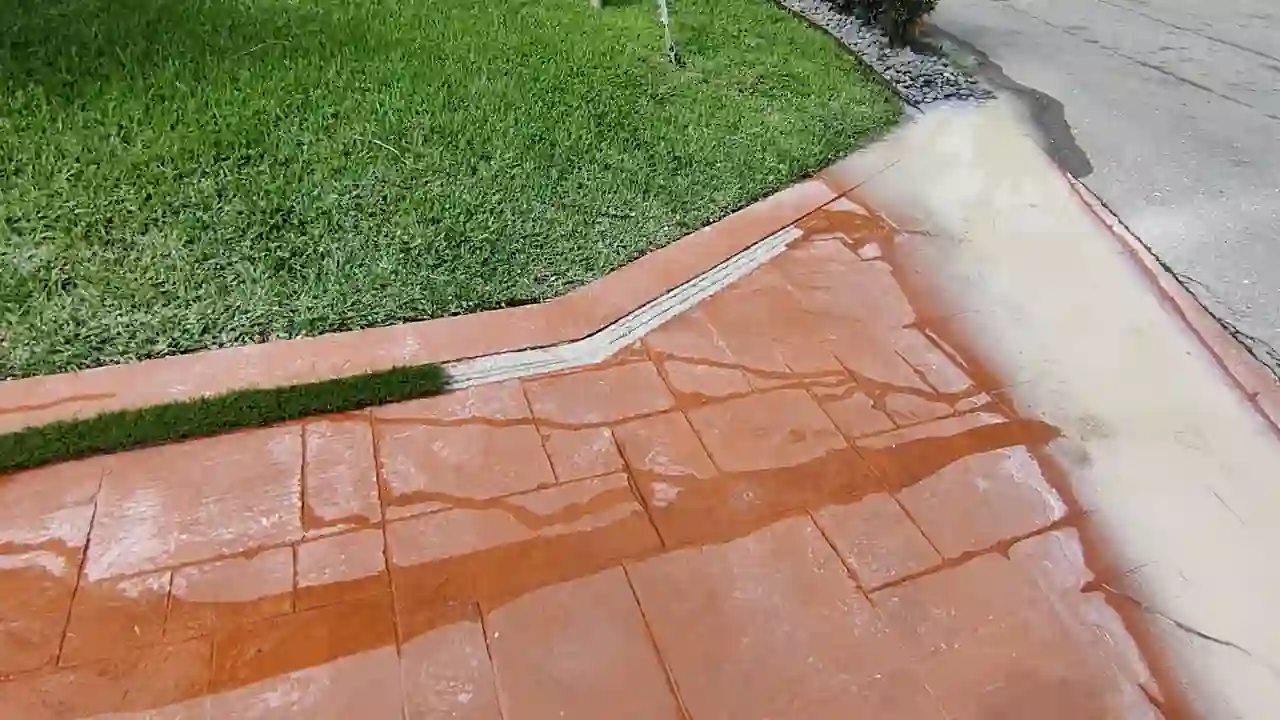
Decorative or functional joint cutting is its own scheduling category. Joint depth control is critical — cut too shallow and the joint won’t function; cut too deep and you compromise structural integrity. On new construction, timing relative to concrete cure is everything. The optimal window for green cutting is typically 4 to 12 hours after pour, depending on mix design and ambient temperature. Miss that window and you’re dealing with random cracking or a harder saw cut later. Scheduling this work requires coordination with the concrete sub, and that coordination time has real cost.
How Experienced Contractors Build a Hand Sawing Bid
A properly constructed hand sawing estimate has five distinct cost components. If a quote you’re reviewing doesn’t account for all five, it’s incomplete — and the missing pieces will show up as extras.
Component 1 — Mobilization and Demobilization
Getting equipment to the site, setting up water supply and slurry containment, and breaking everything down at the end of the job is real cost. On a single-day mobilization in Miami-Dade County, expect $400 to $800 in mobilization cost alone, depending on equipment size and travel distance. Multi-day jobs amortize this better, which is why per-linear-foot pricing on small scopes often looks disproportionately high.
Component 2 — Blade and Tooling Consumption
Diamond blades are not a fixed cost — they’re a variable that tracks directly with material hardness and cut volume. A quality 14-inch hand saw blade for general concrete runs $150 to $300. A 20-inch flat saw blade for structural work can run $600 to $1,200. Contractors who don’t itemize tooling consumption are burying it somewhere else in the bid, or they’re planning to use inferior blades that will slow production. The diamond tooling selection process is a technical decision that directly affects both your cost and your timeline.
Component 3 — Labor at True Loaded Rates
Skilled concrete saw operators in South Florida currently run $45 to $65 per hour fully loaded (wages, burden, insurance). A two-man crew — operator plus laborer for slurry management and material handling — runs $80 to $110 per hour. Any bid using bare labor rates without burden is either misrepresenting cost or operating without proper coverage. For projects requiring licensed concrete drilling and cutting contractors, verify insurance certificates before work begins.
Component 4 — Water, Slurry Management, and Cleanup
Wet cutting generates significant slurry. On a 500 LF day of flat sawing, you can generate 200 to 400 gallons of concrete slurry that cannot be discharged to storm drains under EPA and local ordinance. Vacuum systems, containment berms, and legal disposal all cost money. Budget $150 to $400 per day for slurry management depending on scope and site conditions. This line item disappears from low bids — and then reappears as a dispute at project close.
Component 5 — Site-Specific Conditions and Risk
Overhead obstructions, floor load restrictions, proximity to occupied spaces, noise ordinances, and work hour restrictions all add cost. A hand sawing scope on an occupied hospital floor costs more than the same scope in an empty warehouse — the risk profile, the coordination requirements, and the production constraints are all different. Experienced estimators apply a site conditions multiplier of 1.15 to 1.40 on complex occupied or restricted sites.
Red Flags in a Hand Sawing Quote
After reviewing hundreds of bids in the Miami market, here are the warning signs that a quote is underbuilt and likely to generate change orders:
- No mention of GPR scanning on any scope involving post-tensioned or unknown reinforcement
- Flat per-foot pricing with no depth specification — depth changes everything
- No slurry disposal line item on any interior or environmentally sensitive location
- Single-day timeline assumptions for scopes that clearly require multiple mobilizations
- No blade specification or tooling allowance listed separately from labor
- No site visit or pre-bid walkthrough — remote bidding on complex scopes is a recipe for disputes
Getting to a Number You Can Actually Build Around
Rough budgeting ranges for hand sawing services in the South Florida market, based on current labor and material costs, look like this: standard slab cutting runs $4 to $9 per linear foot for cuts up to 6 inches deep; structural cuts from 6 to 13 inches run $10 to $20 per linear foot; ring saw work in confined spaces runs $18 to $35 per linear foot. These are starting points, not contract numbers. The actual bid for your specific project will move based on every factor discussed above.
The most expensive hand sawing project is the one that was underpriced at bid time. Scope gaps, change orders, schedule delays, and rework from improper cuts all cost more than the difference between a competitive bid and a thorough one. Work with contractors who ask the right questions before they submit a number — that due diligence is the first indicator of how they’ll perform when the blade hits the slab.