Why Filling In a Pool Is a Structural Demolition Project, Not a Landscaping Job
Every year, homeowners and property managers across South Florida call contractors expecting a simple quote for filling in a pool, and every year, they’re surprised when the numbers come back higher than expected. That surprise usually comes from a fundamental misunderstanding of what this process actually involves. Filling in a pool isn’t a landscaping task. It’s a structured concrete demolition and engineered backfill project that requires permitting, soil compaction testing, concrete breaking, drainage planning, and in many cases, coordination with municipal inspectors. When you understand what’s actually happening below grade, the cost figures start making a lot more sense.
In Miami-Dade and Broward Counties specifically, pool removal bids are shaped by a unique combination of factors — the limestone substrate common throughout the region, high water table conditions, strict municipal permitting requirements, and the sheer volume of aging in-ground pools in residential neighborhoods built between the 1960s and 1990s. Our team at Concrete Cutting Miami, LLC has worked on hundreds of these projects, and what follows is a straight, technical breakdown of what drives costs, how timelines are built, and what separates a legitimate bid from one that will cost you twice as much before the project is done.
Full Demolition vs. Partial Demolition — The First Bidding Fork in the Road
Before any contractor can give you a real number, they need to know which removal method you’re pursuing. There are two primary approaches, and the cost difference between them is substantial.
Partial Pool Fill (Abandonment Method)
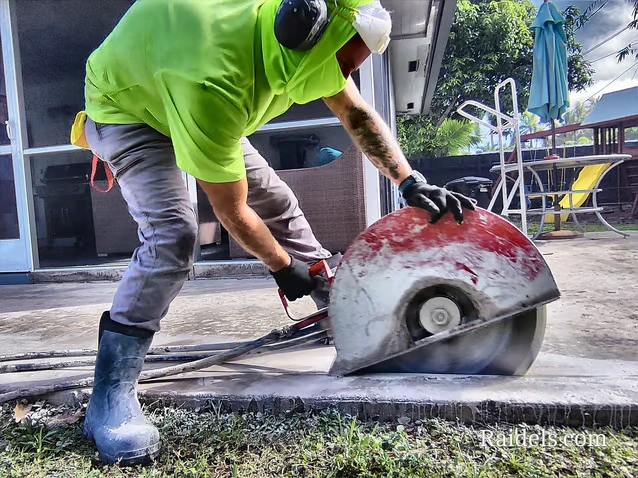
In a partial fill, the top 18 to 36 inches of the pool shell are demolished — typically using a hydraulic chain saw or a hydraulic hammer attachment on an excavator — and the remaining shell is perforated with drainage holes before being backfilled with gravel, clean fill, and compacted soil. This method is faster and cheaper, but it carries long-term risks. Most municipalities require disclosure at time of sale, and future construction over a partial fill is restricted without additional geotechnical review.
Partial fill projects in South Florida typically run between $3,500 and $7,500 depending on pool size, access conditions, and permitting fees in the specific jurisdiction.
Complete Pool Removal (Full Demolition Method)
A full removal involves breaking out the entire concrete shell, hauling all debris off-site, and backfilling the excavation with engineered fill material that meets compaction specifications. This is the preferred method for any property where future construction is planned, or where the owner wants a clean title disclosure. Full removal projects in Miami-Dade typically run between $9,000 and $18,000 for a standard residential pool, with larger or more complex pools pushing well past $20,000.
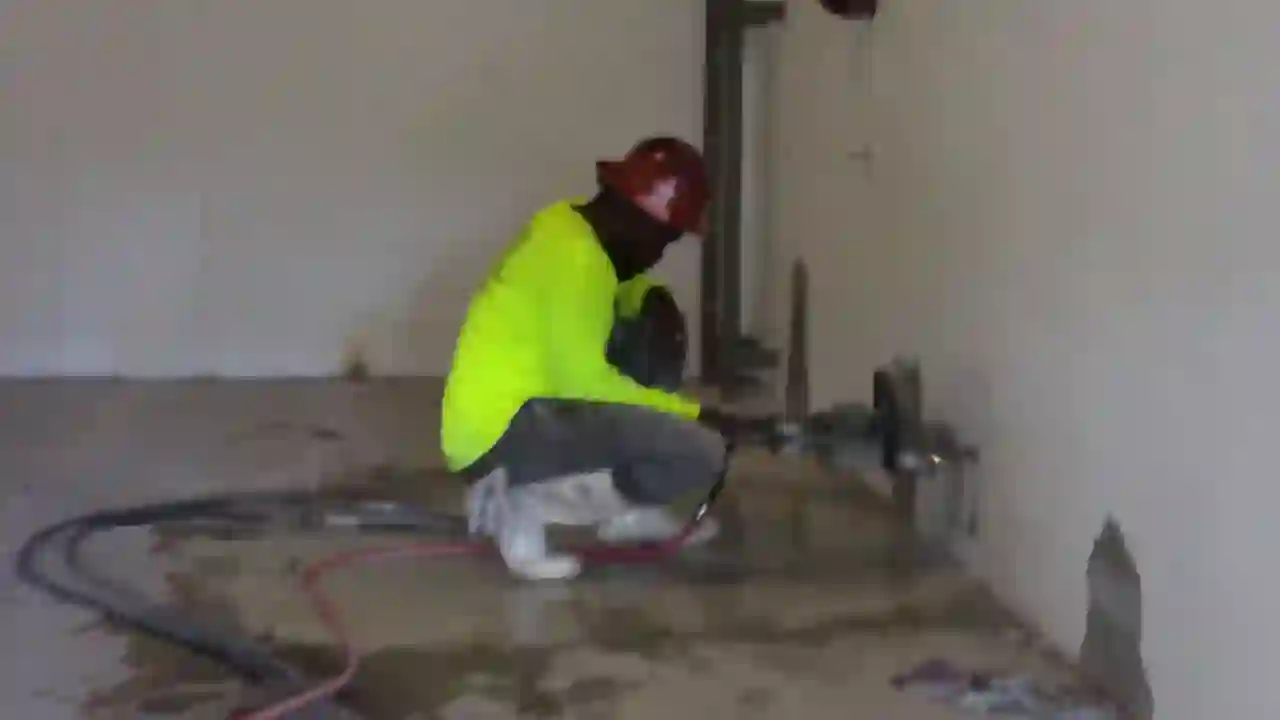
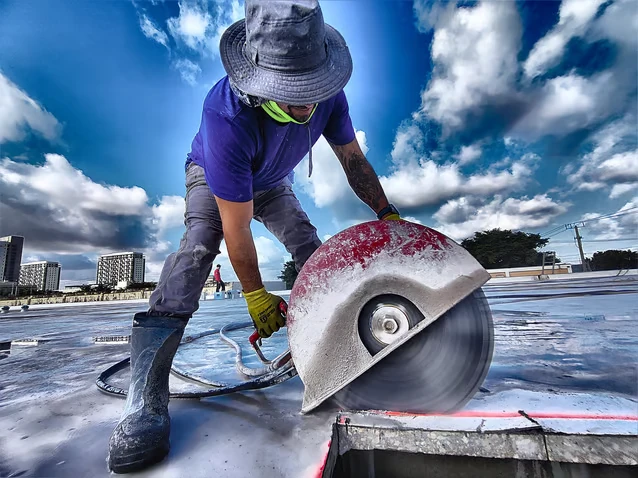
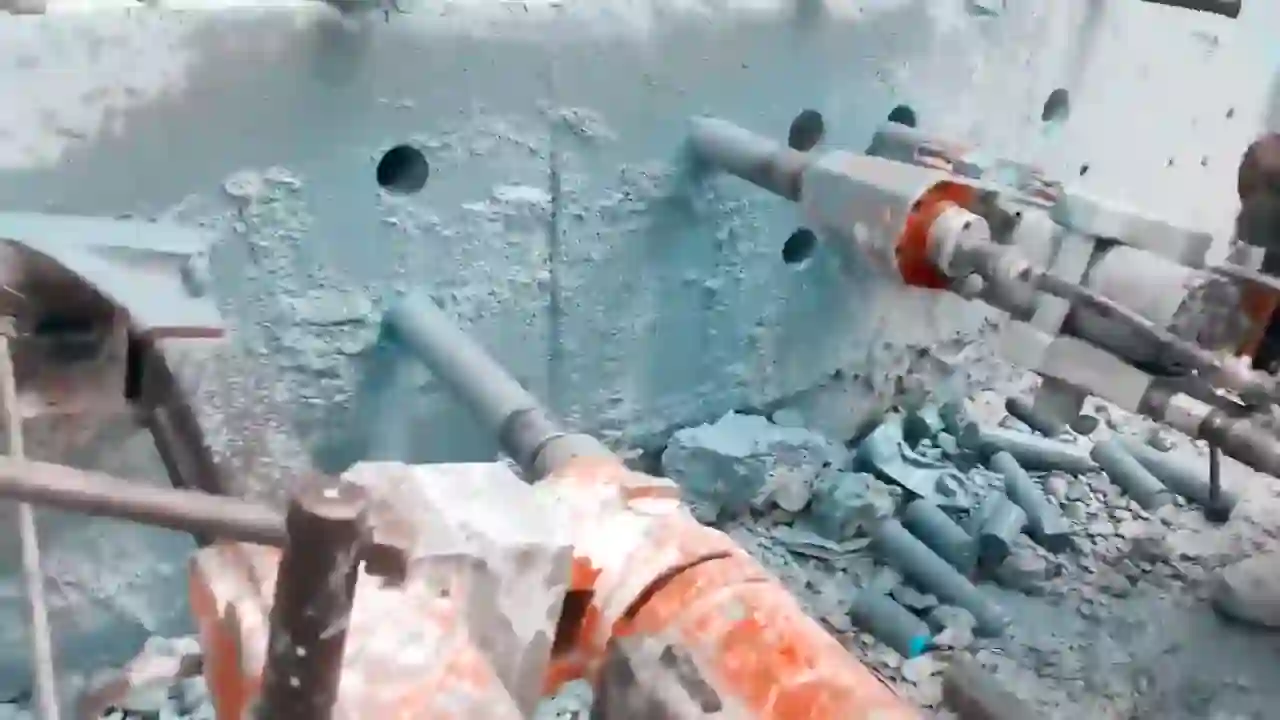
The concrete cutting experts on our team use a combination of slab sawing, core drilling for drainage perforation, and selective demolition to minimize over-excavation and keep haul-off volumes — and therefore costs — as controlled as possible.
The Six Cost Drivers That Move a Pool Filling Bid Up or Down
When our estimators walk a pool removal site, they’re mentally running through a checklist of factors that will push the final number in one direction or another. Here’s what’s actually being evaluated:
- Pool Size and Volume: A 12×24 pool shell contains dramatically less concrete than a 20×40 freeform design. Cubic footage of concrete directly drives demo labor hours, equipment time, and debris haul-off tonnage. Haul-off in South Florida averages $75–$110 per ton at current tipping fees.
- Water Table Depth: In coastal Miami-Dade, the water table can sit as shallow as 18 inches below grade. A pool that’s holding groundwater at the time of demolition requires dewatering equipment and additional time on site. Dewatering adds $400–$1,200 to most South Florida pool fills.
- Access and Equipment Staging: If the pool is accessible only through a narrow gate or requires demolition of a fence section, equipment options are limited. Compact excavators and hand-demolition tools are slower and more expensive per linear foot than full-size machinery. Tight-access jobs can add 20–35% to base labor costs.
- Deck and Coping Removal: Most bids for pool filling do not automatically include removal of the surrounding deck and coping unless specified. Deck removal adds material volume, labor hours, and haul-off cost. Always clarify scope in writing.
- Permit and Inspection Fees: Miami-Dade County requires a demolition permit for pool removal. Permit fees vary by municipality but typically range from $150 to $600. Some cities require a final compaction test report from a licensed geotechnical firm, which adds another $300–$700 to project cost.
- Fill Material Specification: Clean fill compacted to 95% Modified Proctor density costs more than uncontrolled fill. If the property will be used for future construction, engineered fill is non-negotiable, and that specification needs to be reflected in the bid.
Realistic Timeline Expectations for a South Florida Pool Fill Project
One of the most common sources of contractor disputes is unrealistic timeline expectations. Here’s how a properly managed pool fill actually unfolds from permit application to final inspection:
Permitting Phase — 2 to 6 Weeks
In Miami-Dade and most Broward municipalities, permit review for pool demolition takes anywhere from two to six weeks depending on current backlog. Some cities offer expedited review for an additional fee. Do not let any contractor begin demolition before a permit is issued — doing so exposes the property owner to stop-work orders and potential fines that can equal or exceed the original project cost.
Active Demolition Phase — 1 to 3 Days
Once on site with the right equipment, a standard residential pool can be fully demolished and prepped for backfill in one to three working days. This includes breaking the shell, perforating for drainage (partial fill) or full removal, and initial gravel placement. Our crews working in the Florida Keys often face additional logistical constraints that extend this phase slightly due to material transport and disposal limitations on the islands.
Backfill and Compaction Phase — 1 to 2 Days
Engineered backfill is placed in lifts — typically 8 to 12 inch layers — with compaction testing between each lift. Rushing this phase is the single most common cause of future settlement problems. Any bid that doesn’t explicitly describe lift thickness and compaction testing protocol should be questioned before signing.
Final Inspection and Closeout — 1 to 3 Weeks
After compaction is complete, the inspector reviews the compaction test report and issues final sign-off. Total project duration from permit application to final inspection typically runs four to ten weeks for a straightforward residential pool fill in South Florida.
Reading a Pool Filling Bid Like a Contractor Would
A legitimate bid for pool filling should be itemized. If you receive a single lump-sum number with no line items, ask for a breakdown. Every professional bid should separately identify demolition labor, equipment rental or mobilization, debris haul-off and disposal, fill material cost, compaction testing, permit fees, and any subcontractor costs for dewatering or geotechnical services.
Be cautious of bids that are dramatically lower than others you’ve received. In our experience, low bids on pool fills almost always reflect one of three things — uncontrolled fill material that won’t meet compaction specs, no permit being pulled, or a scope that excludes deck removal and assumes you won’t notice until the job is half done. The tools and techniques we use — including equipment featured at industry events like World of Concrete 2026 — represent current best practices in concrete demolition and are reflected in professional pricing.
For commercial properties or mixed-use developments where pool removal is part of a larger site prep scope, the process often intersects with other concrete cutting work — door cutouts, slab penetrations, utility access. Our team handles commercial door cutouts in Miami and similar structural modifications that frequently run concurrently with demolition projects, allowing for mobilization cost efficiencies that can reduce overall project spend when scoped correctly.
If you’re evaluating tools and equipment categories relevant to this type of work, our concrete tools resource section covers the machinery, blades, and methods used across demolition and cutting applications throughout South Florida.
The Bottom Line on Budgeting a Pool Fill in South Florida
Filling in a pool in Miami-Dade or Broward County is a legitimate construction project with real permitting requirements, engineered specifications, and qualified labor involved. Budget $4,000–$8,000 for a permitted partial fill on a standard residential pool, and $10,000–$20,000 for a full removal with engineered backfill and compaction testing. Add 10–15% contingency for water table complications, access restrictions, or extended permit timelines. Get itemized bids from at least three licensed contractors, verify permit history on each bidder, and make sure compaction testing is written into the scope before you sign anything. The projects that go sideways are almost always the ones where someone tried to save money on the front end and ended up paying for it twice on the back end.