Why a Concrete Cutting Class Is the Most Important Training a Crew Member Can Complete
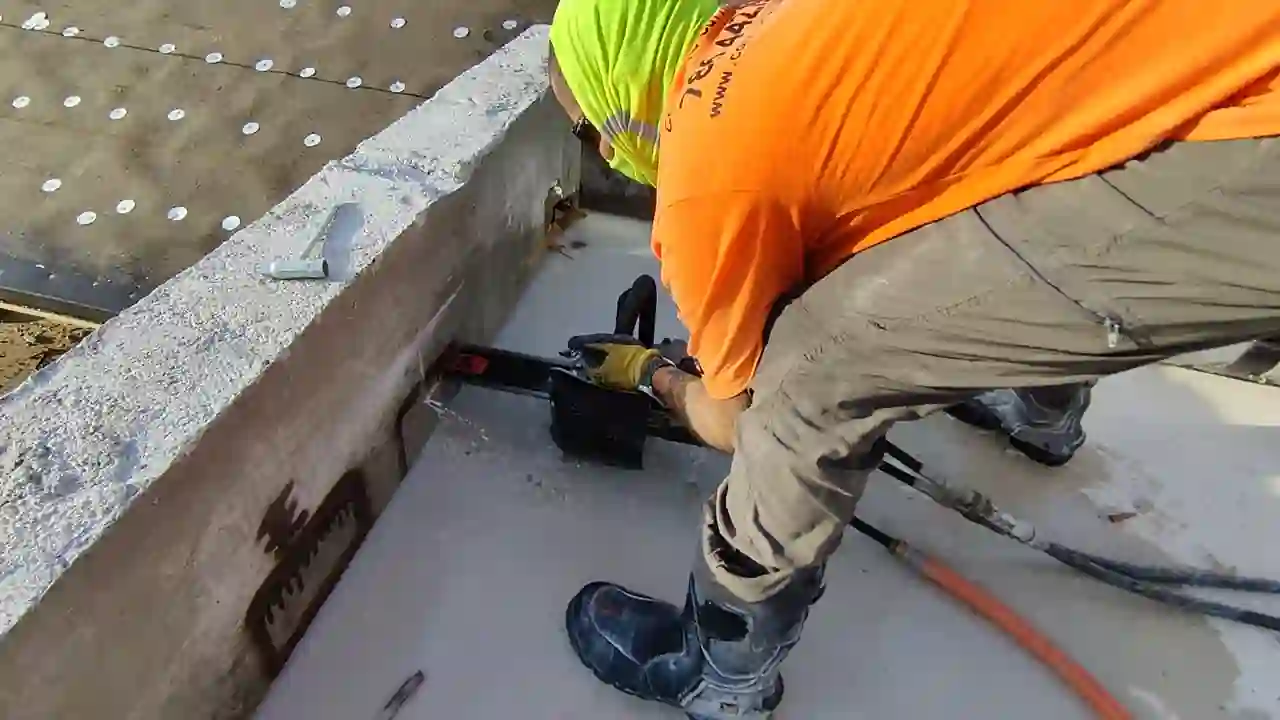
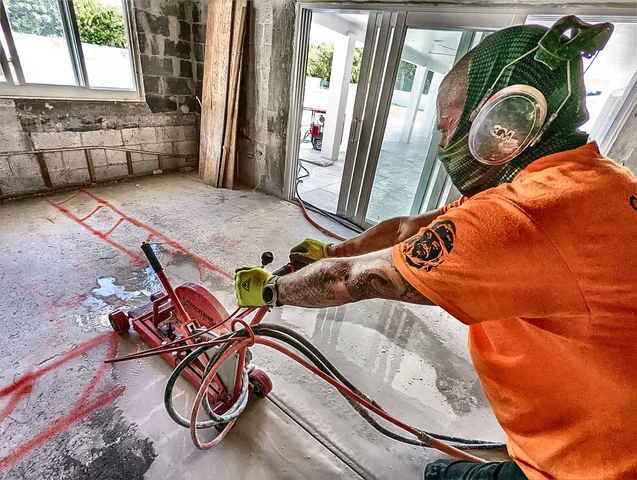
Walk onto any active concrete cutting job site in South Florida and you’ll immediately understand why formal training isn’t optional — it’s survival. The combination of high-speed diamond blades, crystalline silica dust, hydraulic pressure systems, and confined-space conditions creates a hazard matrix that kills and maims workers every year across the country. A properly structured concrete cutting class addresses every layer of that matrix with precision, giving operators the technical knowledge and regulatory grounding to work fast without working recklessly. At Concrete Cutting Miami, LLC, we’ve seen firsthand what happens when operators skip structured training, and we’ve also seen the remarkable difference when crews show up with legitimate certifications and real-world protocol knowledge. This post breaks down exactly what a high-quality concrete cutting class should cover, why OSHA compliance is non-negotiable, and how the right hazard avoidance strategies protect both workers and project timelines.
OSHA 29 CFR 1926.1153 — The Silica Standard Every Concrete Cutter Must Know Cold
The single most consequential regulation governing concrete cutting operations is OSHA’s Respirable Crystalline Silica Standard for Construction, codified at 29 CFR 1926.1153. Silicosis — the irreversible lung disease caused by inhaling fine silica particles — develops silently over years, which makes it deceptively easy to ignore on a noisy, fast-moving job site. A legitimate concrete cutting class dedicates a significant block of curriculum to this standard because the exposure limits are strict and the enforcement penalties are severe.
The permissible exposure limit (PEL) is 50 micrograms of respirable crystalline silica per cubic meter of air averaged over an eight-hour shift. The action level is 25 µg/m³. When cutting concrete with an angle grinder, walk-behind saw, or wall saw without any engineering controls, airborne silica concentrations can exceed 1,000 µg/m³ within minutes. That’s not a rounding error — that’s a 20x violation of the PEL happening in real time.
OSHA’s Table 1 within 1926.1153 provides specific engineering and work practice controls matched to each task type. For handheld and stand-mounted power saws cutting concrete or masonry, the standard mandates integrated water delivery systems that continuously apply water to the blade and cut line, or alternatively, a HEPA-filtered vacuum shroud attached directly to the tool. A concrete cutting class must walk students through both methods, including how to verify water flow rates, how to inspect shroud seals for bypass leakage, and how to document compliance for OSHA inspections.
Written Exposure Control Plans and Medical Surveillance Requirements
Beyond the engineering controls themselves, OSHA requires employers whose workers may be exposed at or above the action level for 30 or more days per year to maintain a written Exposure Control Plan (ECP). A thorough concrete cutting class teaches students how to read, contribute to, and implement an ECP — not just acknowledge its existence. The ECP must identify each task involving silica exposure, the engineering controls and PPE assigned to each task, and the housekeeping measures used to minimize non-process-generated dust.
Medical surveillance is also triggered at the action level threshold. Workers exposed at or above 25 µg/m³ for 30 or more days annually must be offered medical exams every three years, including chest X-rays evaluated by a NIOSH B-reader and pulmonary function testing. A concrete cutting class that glosses over medical surveillance is leaving operators legally and physically vulnerable.
Diamond Blade Hazard Recognition — Speed Ratings, Arbor Fit, and Kickback Prevention
The diamond blade is the primary cutting instrument, and it’s also the primary source of acute traumatic injury on concrete cutting job sites. Blade-related injuries range from lacerations and amputations to catastrophic projectile events when a blade segments at operating speed. Proper concrete cutting class instruction covers blade selection, inspection, mounting, and operational limits with the same rigor a machinist applies to lathe tooling.
Every diamond blade carries a maximum operating speed rating in RPM, and every power saw has a no-load RPM specification. These two numbers must be matched — the blade’s rated speed must equal or exceed the tool’s maximum RPM. Running an under-rated blade on a high-speed saw is a catastrophic failure waiting to happen. A concrete cutting class teaches students to cross-reference blade ratings against tool specifications before every single setup, without exception.
Arbor fit is equally critical. A blade with a 1-inch arbor hole mounted on a 7/8-inch arbor with an adapter creates eccentric loading that degrades the blade’s structural integrity with every rotation. Students learn to inspect arbor flanges for flatness, verify that blade arbor holes match tool specifications exactly, and torque blade bolts to manufacturer specifications using calibrated tools — not gut feel.
Kickback prevention is a hands-on skill that classroom instruction alone cannot fully convey, but the theoretical foundation must be solid before any operator touches a running saw. Kickback occurs when the blade’s upper contact zone — the kickback zone spanning roughly from 10 o’clock to 2 o’clock on the blade face — contacts material unexpectedly, causing the saw to rotate violently back toward the operator. Training covers blade positioning, feed rate control, and body positioning to keep the operator outside the plane of the blade at all times. For deeper reading on tool selection that directly affects kickback risk, our team has compiled detailed guidance in The Ultimate Guide to Choosing the Right Demolition Hammer.
Wet Cutting vs. Dry Cutting Protocols and the Engineering Controls Behind Each Method
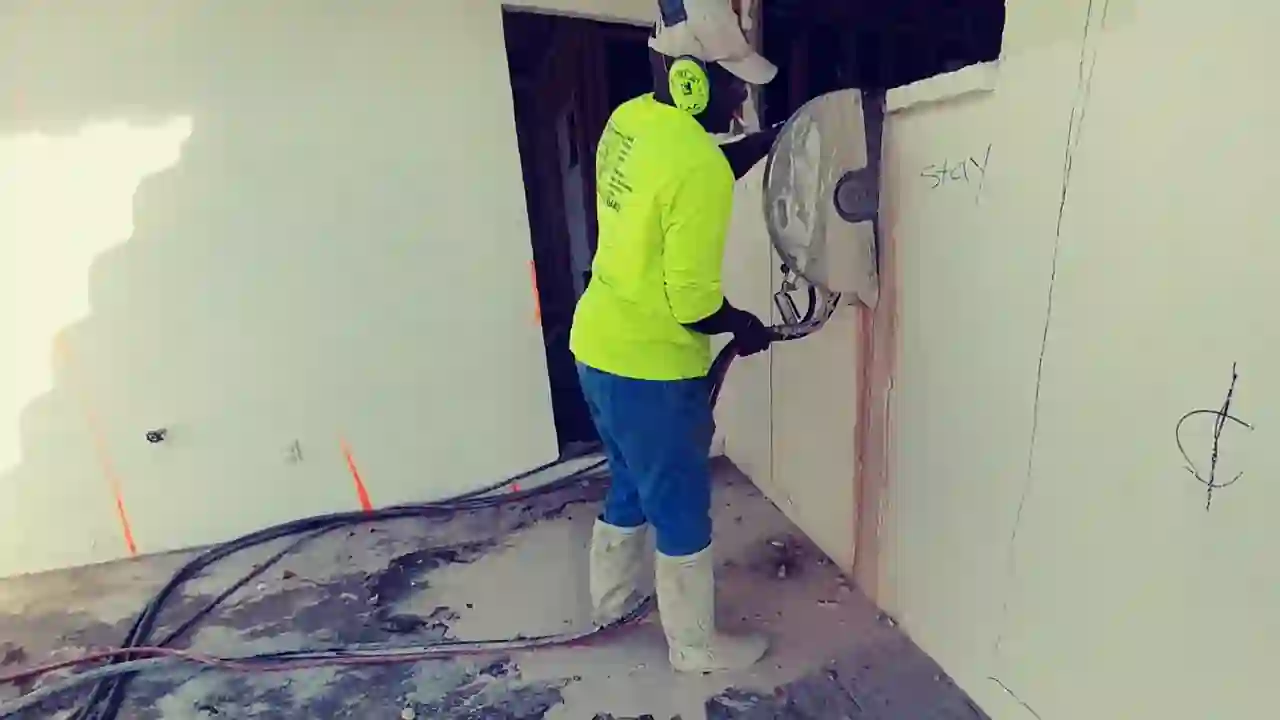
The debate between wet and dry cutting methods is not primarily about cut quality — it’s about dust suppression and thermal blade management. A concrete cutting class must present both methods with full technical context so operators understand when each is appropriate and what hazard controls must accompany each choice.
Wet cutting uses a continuous water supply — typically 0.5 to 1.5 gallons per minute depending on blade diameter and material hardness — to suppress airborne silica at the point of generation. Water also dissipates frictional heat from the blade segments, extending blade life and reducing the risk of segment loss from thermal stress. Operators learn to inspect water delivery lines for kinks and blockages before each cut, verify that water reaches the full width of the blade contact zone, and manage slurry runoff to prevent slip hazards and environmental violations.
Dry cutting is permitted under OSHA Table 1 only when a HEPA-filtered vacuum shroud is used and the tool is operated outdoors. Indoor dry cutting without a shroud is a direct OSHA violation, full stop. Concrete cutting class curriculum reinforces that HEPA filtration means true H13 or H14 classification — not standard shop-vac filtration, which allows silica particles to pass directly through the filter and back into the breathing zone. Students learn to inspect HEPA filter integrity, understand filter replacement intervals based on dust loading, and document filter maintenance in the job site safety log.
Confined Space and Structural Load Considerations During Core Drilling Operations
Core drilling in confined spaces — mechanical rooms, elevator pits, crawl spaces, underground utility vaults — introduces a layered hazard profile that extends well beyond the cutting operation itself. OSHA’s Permit-Required Confined Space standard (29 CFR 1926.1201 through 1213) applies whenever a space is large enough for a worker to enter, has limited means of entry or exit, and is not designed for continuous occupancy. A concrete cutting class that includes core drilling operations must address atmospheric testing, ventilation requirements, attendant duties, and rescue procedures as a complete package.
Structural load awareness is a parallel concern during core drilling. Removing concrete cores from post-tensioned slabs, transfer beams, or shear walls without prior structural review can trigger localized collapse. Operators learn to identify post-tensioning tendon indicators — PT slab edge markings, tendon spacing grids visible on architectural drawings — and to halt operations immediately if unexpected resistance or material behavior suggests an uncharted structural element. This is where coordination with the structural engineer of record becomes a job-site safety requirement, not a bureaucratic formality.
For crews working in the South Miami Heights area and surrounding communities, understanding local building stock — including older concrete construction with non-standard reinforcement patterns — is a regional competency that supplements formal training. Our South Miami Heights service resources provide location-specific context that complements any concrete cutting class curriculum.
PPE Standards That Go Beyond the Minimum — What Trained Operators Actually Wear
Personal protective equipment is the last line of defense, not the first. A concrete cutting class that positions PPE as the primary hazard control is teaching a dangerous hierarchy. Engineering controls and administrative controls come first; PPE backs them up when residual risk remains. That said, the PPE requirements for concrete cutting are specific and non-negotiable.
- Respiratory protection: When engineering controls cannot maintain exposure below the action level, a half-face elastomeric respirator with P100 particulate filters is the minimum. Full-face supplied-air respirators are required in high-concentration confined space scenarios.
- Eye and face protection: A full-face shield rated for high-velocity impact (ANSI Z87.1+) worn over safety glasses. Goggles alone are insufficient for saw operations.
- Hearing protection: Concrete cutting equipment routinely generates 95–110 dB(A) at the operator position. Double protection — foam earplugs plus earmuff — is required above 105 dB(A).
- Hand protection: Cut-resistant gloves rated ANSI/ISEA 105 Level A4 or higher for blade handling; vibration-dampening gloves for extended handheld saw operation to mitigate hand-arm vibration syndrome (HAVS).
- Foot protection: Steel-toed, metatarsal-guarded boots with puncture-resistant soles rated ASTM F2413.
- High-visibility clothing: Required whenever operations occur near active vehicle traffic or equipment movement zones.
Explore the full range of concrete demolition tools and associated safety equipment that professional crews rely on to stay compliant and protected on every job.
Building a Safety Culture That Makes Concrete Cutting Class Knowledge Stick
Technical knowledge delivered in a classroom or online module has a documented retention problem — studies in occupational safety training consistently show that without reinforcement, workers retain less than 20% of safety information after 30 days. A concrete cutting class is the foundation, not the finished structure. The crews that actually work safely day after day are the ones whose employers have built systematic reinforcement into daily operations.
Pre-task planning — a five-minute job hazard analysis (JHA) completed before each new cut setup — is the most effective reinforcement tool available. The JHA forces the operator to consciously identify the material being cut, the dust control method in place, the blade specification, the structural context, and the emergency response plan before the blade ever touches concrete. This habit transforms abstract training into applied decision-making.
Toolbox talks, monthly equipment inspections, and documented near-miss reporting programs complete the safety culture loop. When workers know that near-misses are investigated without blame and used to improve procedures rather than punish individuals, reporting rates increase and the organization learns faster. Our construction services community resources include frameworks for building exactly this kind of safety culture within concrete cutting operations of any scale.
A concrete cutting class gives operators the knowledge. Job-site safety culture gives them the environment to use it. Together, they create the standard of practice that protects workers, satisfies OSHA, and keeps projects moving without the catastrophic interruptions that injuries and citations bring. Invest in both — there is no substitute for either.