Why Backyard Demolition Bids Vary So Wildly Between Contractors
If you’ve collected three bids for a backyard demolition project and they look nothing alike, you’re not imagining things. Backyard demolition pricing is one of the most inconsistently quoted services in the concrete and site-work industry, and that gap isn’t always about contractor quality. It’s about what each estimator actually sees when they walk your property. A senior concrete specialist evaluates a backyard demo job through a completely different lens than a general handyman or a landscaping crew with a rented skid steer. Material type, reinforcement density, access constraints, haul distance, and disposal fees are all line items that show up on a professional bid but get bundled or omitted entirely by less experienced operators. Understanding what drives those numbers puts you in a far stronger position before anyone breaks ground.
Breaking Down the Real Cost Drivers on a Backyard Demo Project
Let’s get into the specifics. Backyard demolition in the Miami metro area typically spans a wide cost range depending on what’s being removed. A plain 400-square-foot concrete patio slab at 4 inches thick will run differently than a reinforced pool deck, a detached garage slab, or a combination of retaining walls and walkways. The material volume calculation is just the starting point.
Concrete Thickness and Rebar Density Change Everything
Standard residential flatwork runs 4 inches thick, but older Miami properties — particularly those built between the 1950s and 1980s — frequently have poured slabs at 6 inches or more, sometimes with heavier rebar grids than current residential codes require. That rebar handling adds labor time, blade wear, and disposal complexity. Our team processes rebar handling as a separate cost category because cutting through a #4 or #5 rebar grid embedded in a 6-inch slab is not the same job as breaking up plain concrete. Expect rebar-reinforced demolition to add 20–40% to base removal costs.
Access Width and Equipment Sizing
This is where a lot of homeowners get surprised. If your backyard is accessible only through a 36-inch side gate or a narrow alley, the equipment options shrink dramatically. Full-size excavators and large hydraulic breakers can’t fit through standard residential gate openings. That means the job shifts to mini excavators, electric demolition hammers, or hand-held jackhammers — all of which are slower and more labor-intensive. A job that takes four hours with a full-size machine can take two full days by hand. That labor differential shows up directly in your bid. Contractors who don’t walk the access path before quoting are setting themselves up to eat that cost — or pass it to you mid-project.
Haul-Out Distance and Disposal Fees in Miami-Dade County
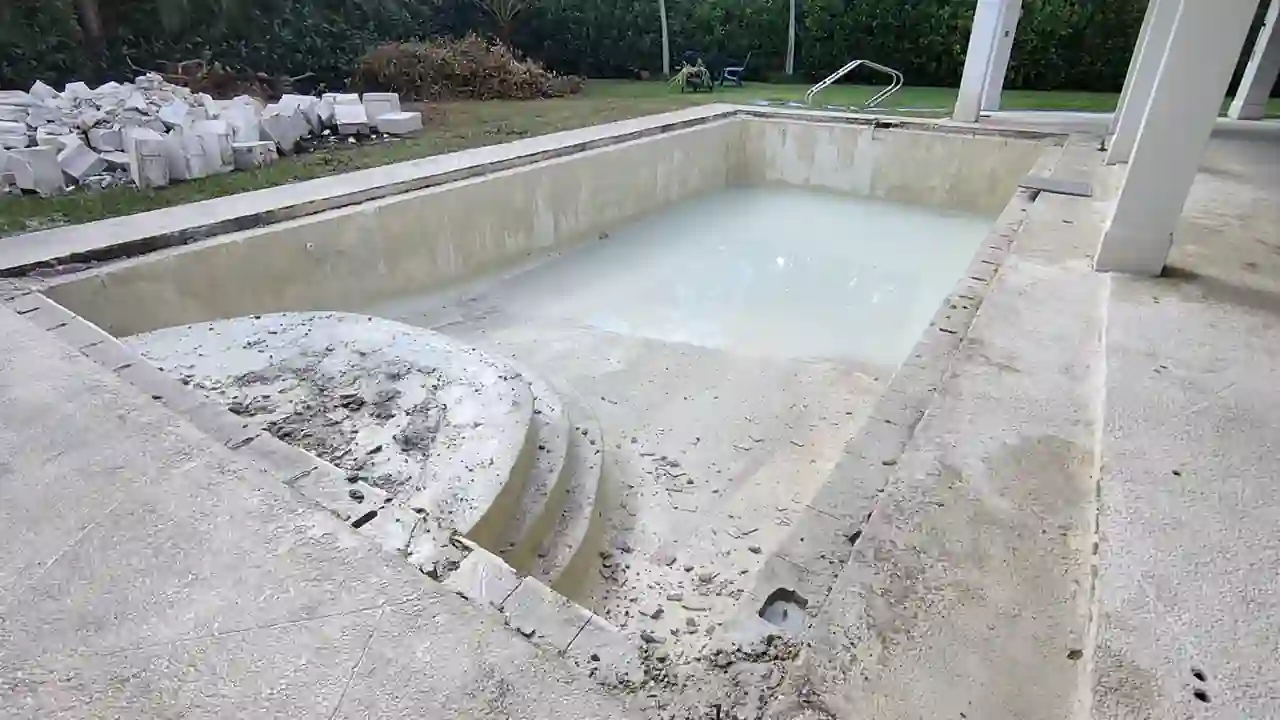
Concrete debris doesn’t disappear. In Miami-Dade, active construction debris disposal facilities are concentrated in specific zones, and haul distance from your property to an approved facility directly affects the per-load cost. A standard 10-yard dump truck carries roughly 12–14 tons of broken concrete. Depending on the facility and current tipping fees, disposal alone can run $400–$800 per load before you factor in driver time and fuel. A 600-square-foot slab at 4 inches thick generates approximately 7–8 tons of debris — that’s close to one full load. Add rebar, old footings, or secondary structures and you’re looking at multiple loads.

Timeline Estimations by Project Type
Professional backyard demolition timelines are not guesswork — they’re calculated from production rates, equipment capacity, and site-specific constraints. Here’s how the numbers typically break down for common project types in South Florida.
Standard Patio Slab Removal (200–500 sq ft, No Rebar)
- Equipment mobilization and setup: 1–2 hours
- Breaking and fragmenting concrete: 2–4 hours depending on thickness
- Loading and haul-out: 1–3 hours depending on load count
- Site cleanup and grading: 1–2 hours
- Total realistic timeline: 1 full day for most jobs in this range
Reinforced Pool Deck or Garage Slab (500–1,200 sq ft, Rebar Present)
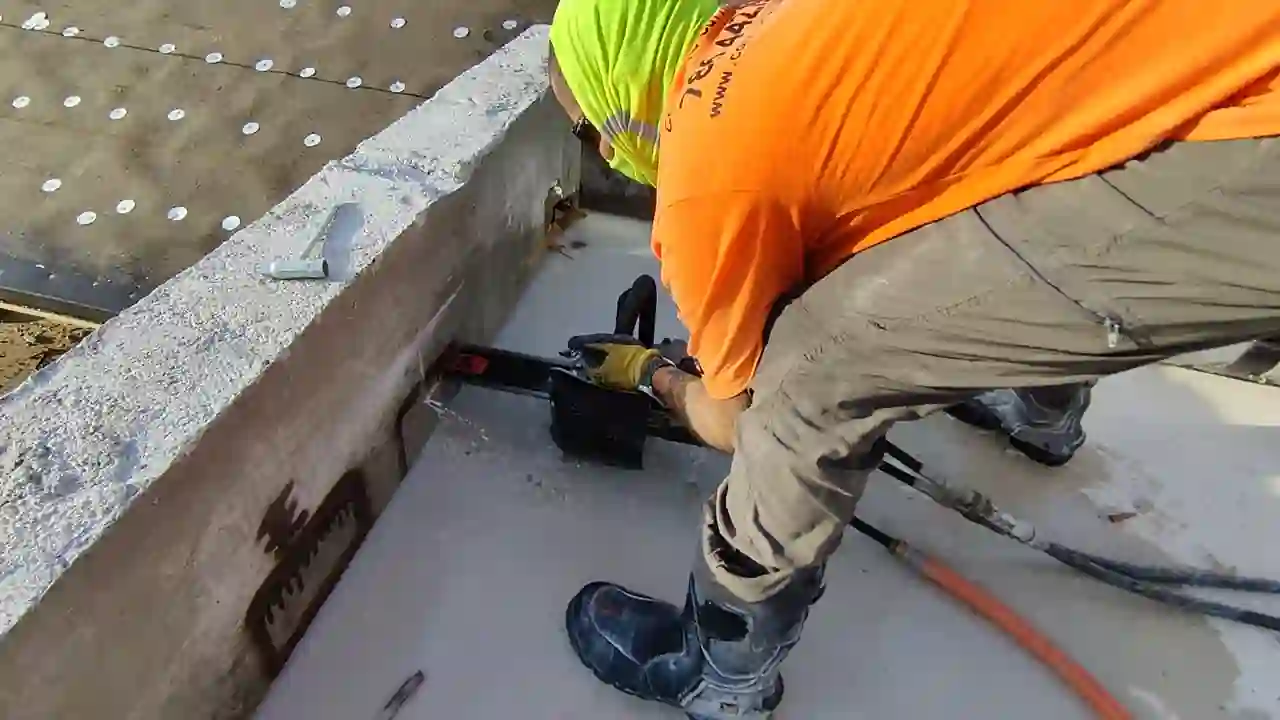
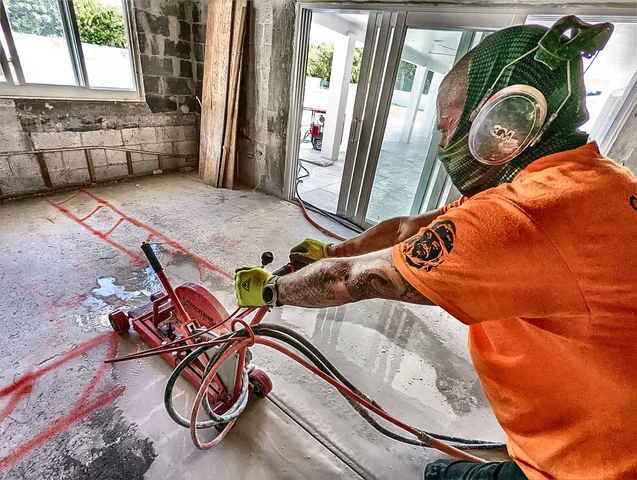
- Saw cutting perimeter and control joints: 2–4 hours using precision cutting equipment
- Hydraulic breaking and fragment sizing: 4–8 hours
- Rebar cutting, sorting, and staging: 1–3 hours
- Multiple haul-out loads: 3–6 hours across multiple trips
- Total realistic timeline: 2–3 full working days
Retaining Wall and Structural Modification Projects
When backyard demolition includes retaining walls, block structures, or anything connected to a building foundation, the project enters a different technical category entirely. These jobs require engineering review, careful sequencing to avoid undermining adjacent structures, and sometimes temporary shoring. If your backyard project touches anything load-bearing or connected to your home’s foundation, that’s a structural modification scenario — not a simple flatwork removal. Timeline for these projects ranges from 3 days to over a week depending on scope.
How Professional Estimators Build a Backyard Demo Bid
A properly structured bid for backyard demolition in Miami should itemize at minimum the following cost components. If a bid you’ve received doesn’t break these out, ask for clarification before signing anything.
- Material volume calculation — square footage times thickness converted to cubic yards and tons
- Equipment selection and mobilization cost — reflects access constraints and job scale
- Labor hours by task — breaking, loading, cleanup, and any saw cutting separately
- Disposal fees — number of loads, facility tipping fees, and haul distance
- Permit requirements — some Miami-Dade municipalities require demolition permits even for residential flatwork
- Utility locate and protection — irrigation lines, electrical conduit, and gas lines are common in backyards
Projects that also involve building demolition in Miami — such as removing a detached structure, a pergola foundation, or an old shed slab — require additional permitting steps and may trigger inspections that add 3–5 business days to the overall project window.
What Homeowners Can Do to Reduce Demo Costs Before the Bid
The single most impactful thing you can do before a contractor sets foot on your property is clear the work area completely. Furniture, planters, landscaping features, and stored equipment all add time to mobilization. Beyond that, knowing your slab thickness in advance (a simple core drill or even a probe at a crack edge) gives contractors accurate material estimates without buffer padding. If you’re planning to repurpose the space after demolition, communicating that upfront lets contractors discuss landscaping alternatives that might reduce the scope — for example, grinding an existing slab rather than full removal if the base condition is sound.
Red Flags in Low-Ball Backyard Demolition Bids
An unusually low bid almost always means something is being excluded. The most common omissions we see are disposal fees (quoted as “extra” after the job), rebar removal labor, and permit costs. Some contractors also underestimate load counts and then charge per additional trip once work is underway. Request a lump-sum bid that covers all work from mobilization through final site cleanup, and confirm in writing that disposal is included. The cheapest bid on paper frequently becomes the most expensive project once change orders start arriving.
Getting Your Backyard Demolition Project Priced Accurately in Miami
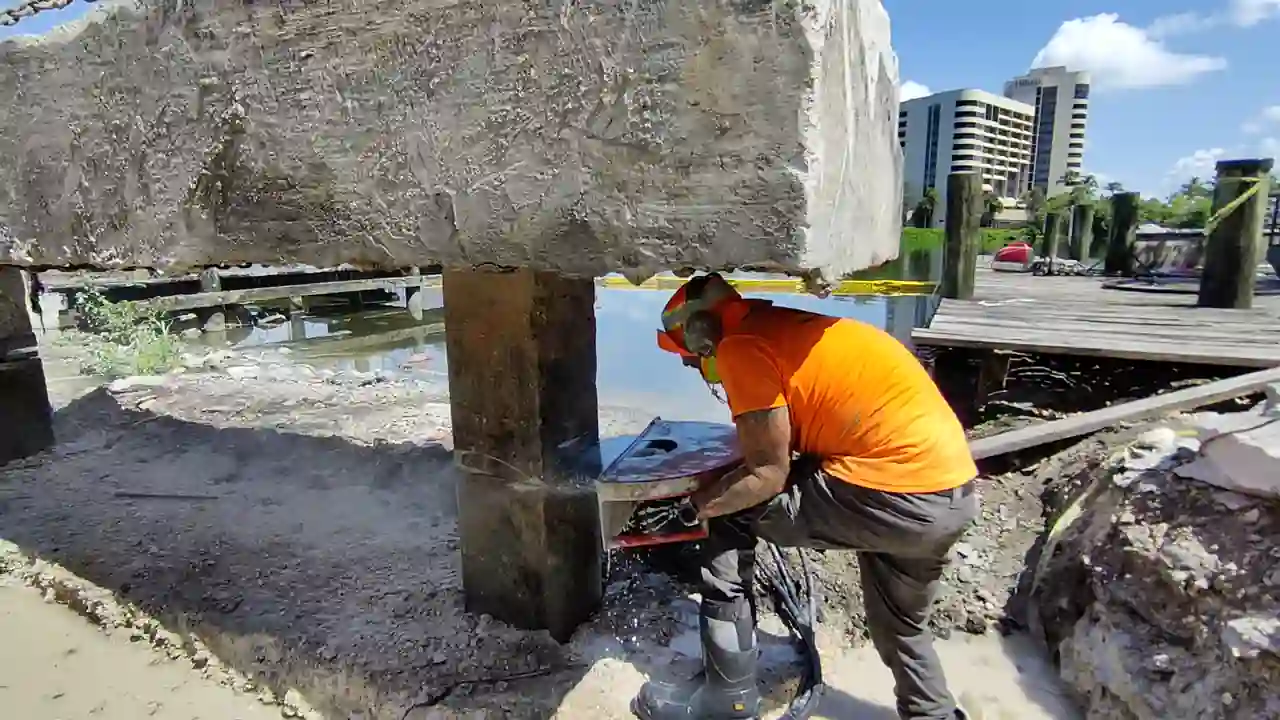
Backyard demolition is a precision trade job when it’s done right. The difference between a professional concrete demolition crew and a general laborer crew isn’t just speed — it’s the ability to protect adjacent structures, manage debris efficiently, and hit the timeline they quoted you on day one. Concrete Cutting Miami, LLC brings senior-level estimating to every backyard demo project, with transparent line-item bids and equipment matched to your specific site constraints. Whether you’re removing a simple patio or taking down a reinforced structure, accurate scoping from the start is what keeps your project on budget and on schedule.