Pool removal in Miami is an engineering problem disguised as a demolition job
A swimming pool in Miami is a concrete vessel built into the ground, surrounded on all sides by saturated limestone soil, with a water table that sits anywhere from three to eight feet below grade depending on your location. Pool removal means taking that vessel out of the ground without causing the surrounding soil to collapse, without creating a drainage problem for your property or your neighbors, and without leaving a buried concrete shell that will become a future sinkhole or a disclosure problem when you sell the house. None of this is as simple as bringing in a backhoe and filling the hole with dirt.
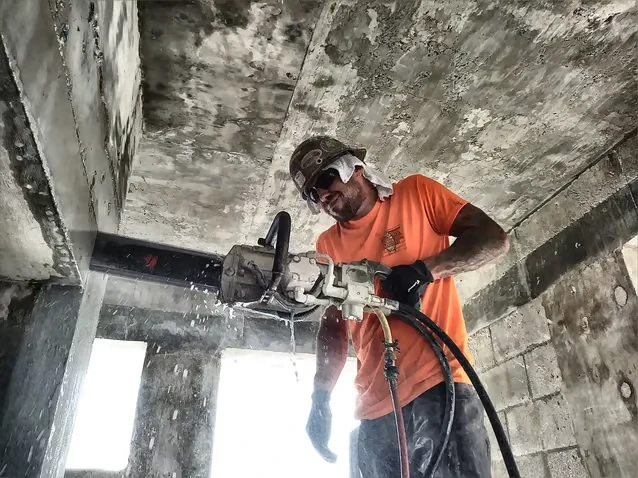
We have been doing concrete cutting and demolition work across Miami-Dade for years, and pool removal is consistently the project where homeowners have the most misconceptions. The demolition is the easy part. The water table management, the soil compaction, the drainage plan, and the Miami-Dade permit package are where pool removal projects get complicated, get delayed, and get expensive.
Partial pool removal vs full pool removal — the decision that drives everything
The first decision in any pool removal project is whether to do a partial removal (also called a fill-in or abandonment) or a full removal (complete demolition and extraction). The choice affects cost, timeline, permitting, and what you can do with the space afterward.
Partial pool removal — how it works
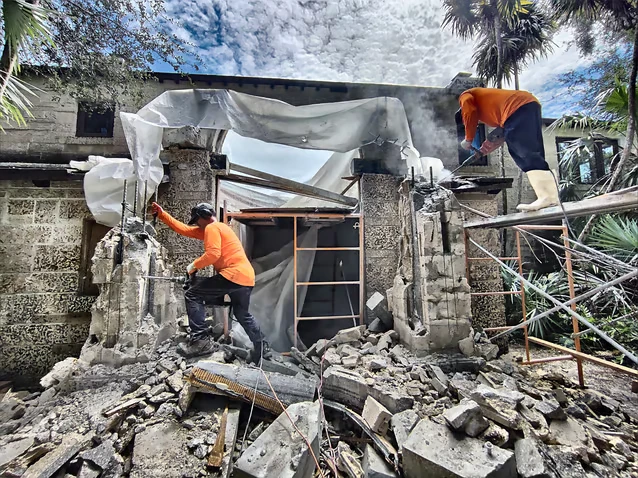
In a partial removal, the bottom of the pool shell is broken up — typically punctured with multiple holes or completely removed — to allow drainage. The upper portion of the pool walls is demolished down to 2-4 feet below grade. The remaining lower walls stay in the ground. The hole is backfilled with clean fill dirt, compacted in lifts, and graded. Partial removal costs less but you cannot build a structure over a partially removed pool. Pool demolition services can advise on whether partial or full removal fits your situation.
Full pool removal — how it works
Full removal means every piece of the pool shell comes out of the ground — walls, floor, steps, plumbing, everything. The concrete is broken up, extracted, and hauled to a C&D disposal facility. The hole is backfilled with engineered fill, compacted to a specified density, and the area is returned to buildable condition. After a full removal with documented compaction, you can build on the area — an addition, a garage, another pool, whatever the zoning allows.
The Miami water table — the factor that complicates every pool removal
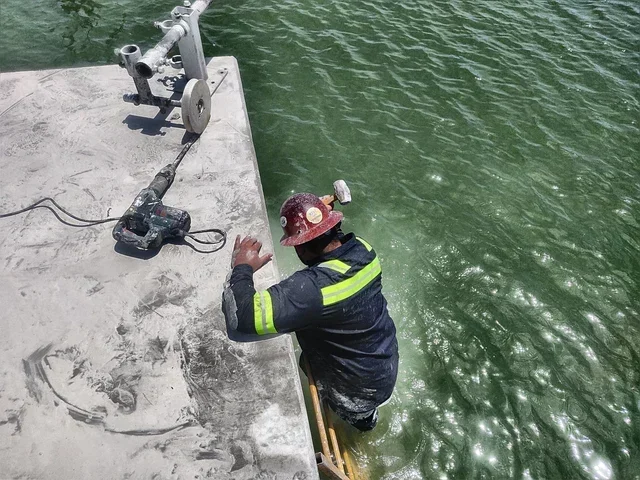
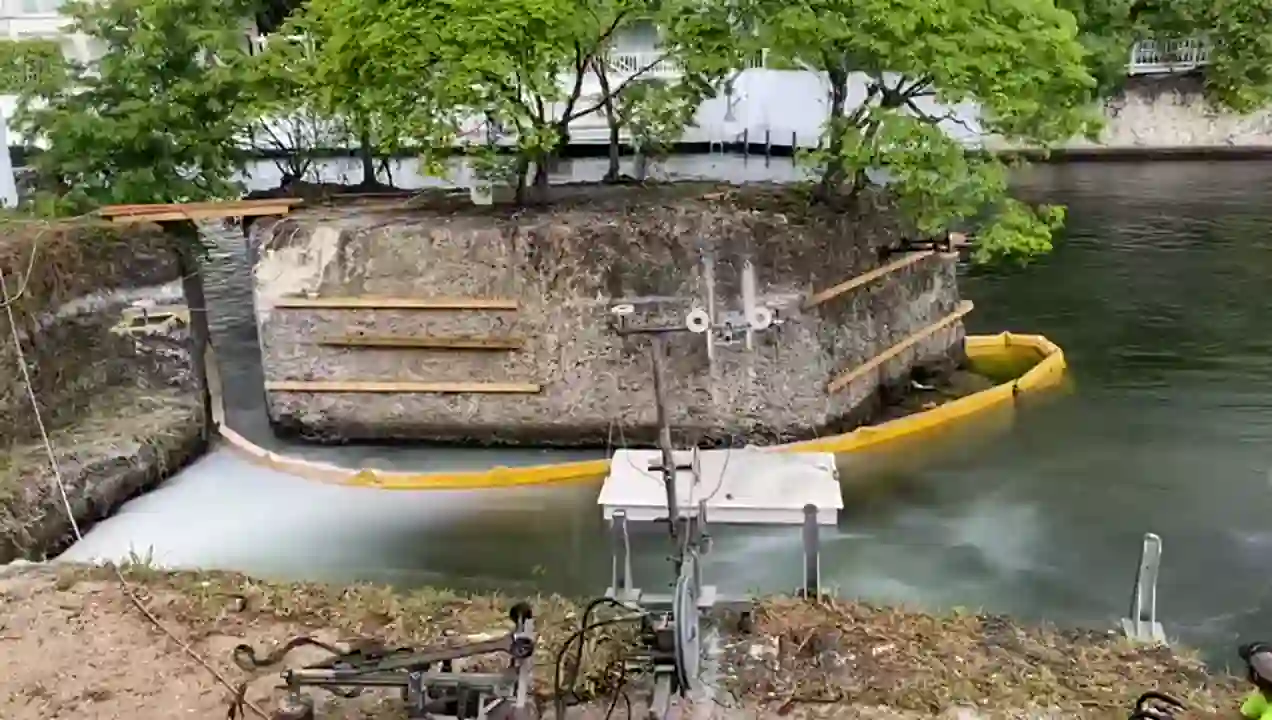
In most of Miami-Dade County, the water table is shallow. Dig down a few feet and you hit water. This creates hydrostatic pressure during demolition — a pool shell surrounded by water-saturated soil can float or heave if groundwater is not managed. Professional pool removal contractors install dewatering wells around the pool perimeter during demolition. After backfill, proper compaction in lifts prevents settlement that would create a depression in your yard.
Miami-Dade pool removal permits — what you need
Pool removal in Miami-Dade County requires a permit. Incorporated cities like Miami, Coral Gables, and Miami Beach have their own building departments with their own requirements. Your contractor should handle the permit application, which typically requires a site plan, demolition method description, fill material specification, and compaction testing protocol. Some municipalities require structural engineer review.
Questions to ask before hiring a pool removal contractor
- “Do you handle the permit or do I?” The contractor should handle it. If they tell you to pull the permit yourself, they may not be licensed in Miami-Dade County.
- “How do you manage groundwater during demolition?” They should describe dewatering — well points, pumps, or both.
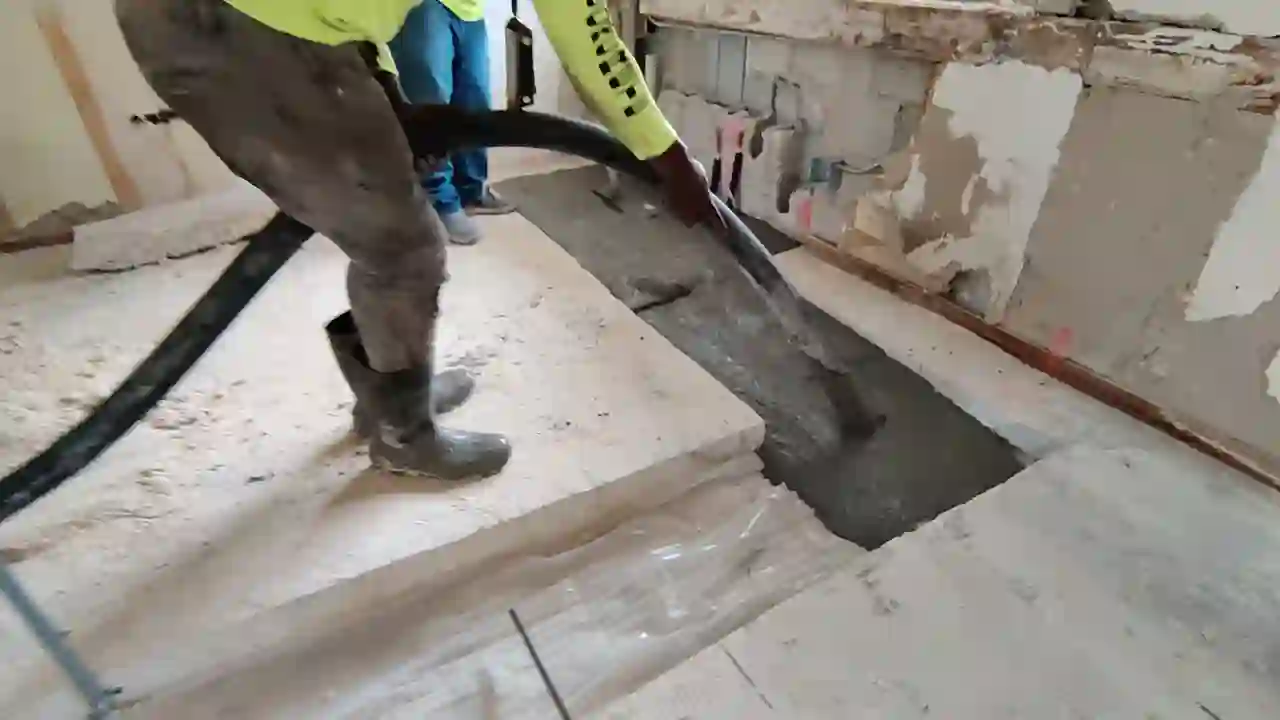
- “What fill material do you use and how is it compacted?” The answer should include clean fill dirt, compacted in lifts, with compaction testing available.
- “Will I get a completion letter or engineer’s report?” Full removals should come with documentation. Partial removals should come with a permit sign-off.
- “Can I see photos of pool removals you have done in my area?” Pool removal in coastal areas with a 3-foot water table is different from inland locations.
Pool removal is a permanent decision. The concrete shell that comes out of the ground is not going back in. Choose a contractor who understands that pool removal is an engineering and regulatory compliance process, not just a demolition job with a backhoe.