Cutting concrete is the most misunderstood trade in South Florida construction
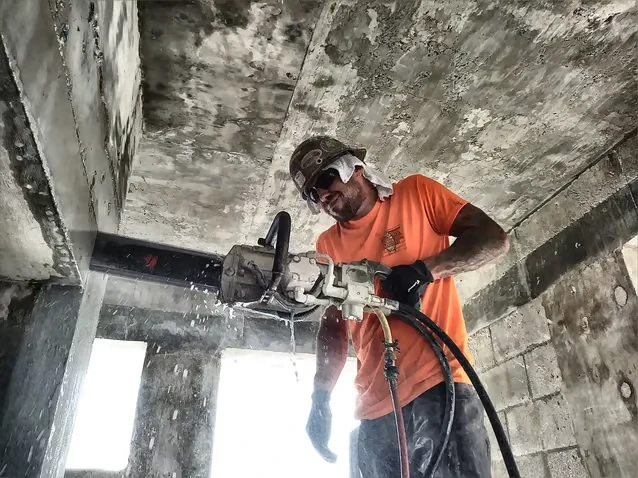
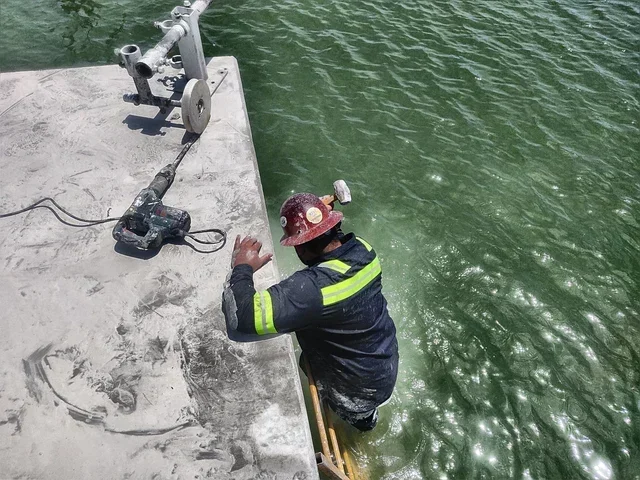
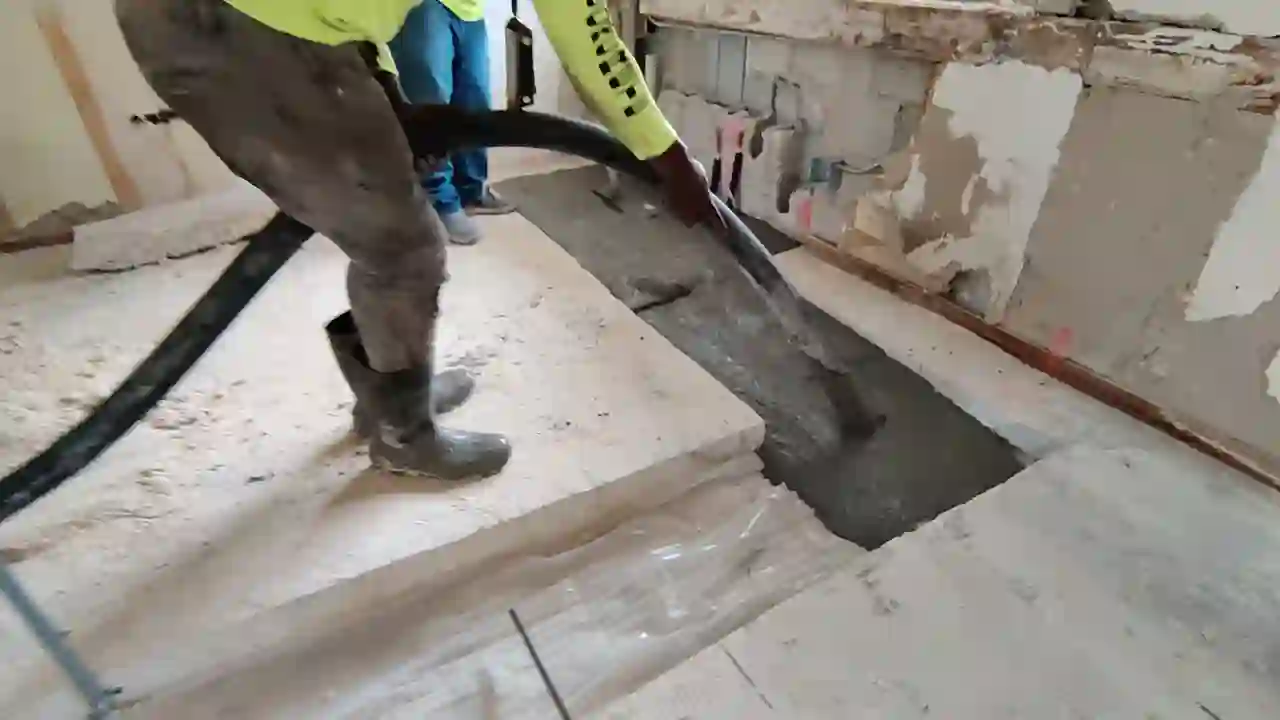
Every construction project in Miami involves cutting concrete at some point. A plumber needs a trench. An electrician needs a penetration. A GC needs a door opening in a block wall. A homeowner needs a pool deck section removed. The act of cutting concrete is everywhere, and because it is everywhere, people assume it is simple. It is not. Cutting concrete is a specialized discipline that requires understanding of diamond blade technology, concrete composition, reinforcement patterns, dust control regulations, and structural engineering basics — all operating simultaneously while a spinning blade is buried in a wall.
We cut concrete across Miami-Dade County every day. The difference between a cut made by a professional concrete cutting contractor and one made by someone who rented a saw from a big-box store is visible from across the room. Clean edges versus ragged ones. Square corners versus rounded-over mistakes. A job that finishes on time versus one that stretches into a second day because the blade hit rebar. The equipment matters, but experience matters more. Knowing what is inside the concrete before the cut starts is what separates professional concrete cutting from guesswork.
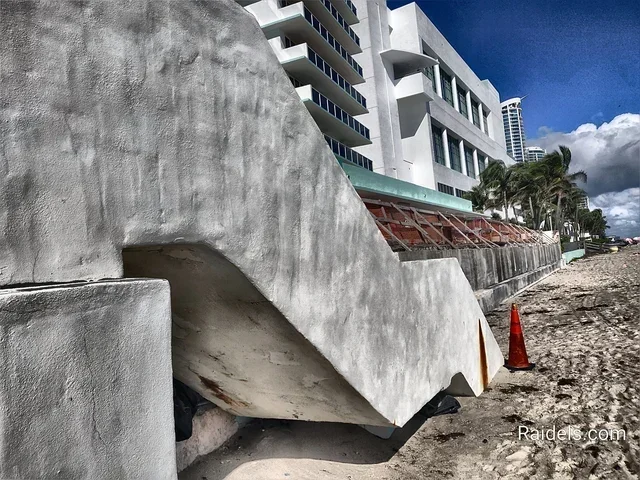
Here is what cutting concrete actually involves in Miami’s construction environment, where everything from the aggregate in the concrete to the humidity in the air affects how the blade performs and how the job gets done.
The diamond blade — not all cutting surfaces are created equal
The difference between a good concrete cut and a bad one starts with the blade. A diamond blade is not a saw blade in the traditional sense. It does not have teeth that chip away material. A diamond blade grinds through concrete using synthetic diamond particles bonded to the blade segments. The bond wears away as the blade rotates, continuously exposing fresh diamonds. This self-sharpening behavior only works when the blade is matched to the material.
Blade bond types and when to use each
- Hard bond: For soft, abrasive materials like green concrete, asphalt, and soft limestone aggregate. The bond wears slowly, keeping diamonds embedded longer.
- Medium bond: The general-purpose choice for cured concrete with standard aggregate. Most Miami residential and commercial concrete falls here.
- Soft bond: For hard aggregate like river rock, granite, and dense cured concrete. The bond wears faster to expose fresh diamonds.
Using the wrong bond type is the most common mistake in cutting concrete. A hard bond blade on hard aggregate glazes — the diamonds wear flat but the bond does not release them. A soft bond blade on soft material wears out in minutes because the diamonds are released before they are used. Matching the bond to the concrete is the first decision every professional makes before mounting a blade.
Wet cutting vs dry cutting
Miami contractors use wet cutting for almost everything. The water serves three purposes: cooling the blade, suppressing silica dust, and lubricating the cut path. Dry cutting exists but generates enormous amounts of respirable crystalline silica dust. OSHA silica standards require engineering controls, and on most Miami job sites, the simplest engineering control is water.
What is inside Miami concrete — aggregate and rebar
Concrete in South Florida is different from concrete poured in other parts of the country. Miami’s native aggregate is oolitic limestone — relatively soft and porous. This affects cutting speed and blade selection. Limestone aggregate concrete cuts faster but is more abrasive, meaning blade life is shorter even though individual cuts go quicker.
The bigger variable is reinforcement. Miami-Dade building code, shaped by decades of hurricane experience, mandates heavy steel reinforcement in structural concrete. Residential slabs get #3 or #4 rebar on 12 to 18-inch centers. Commercial slabs get #4 or #5 rebar on tighter spacing, often in double mats. Concrete cutting services in Miami must account for rebar in every quote because there is always rebar to cut through.
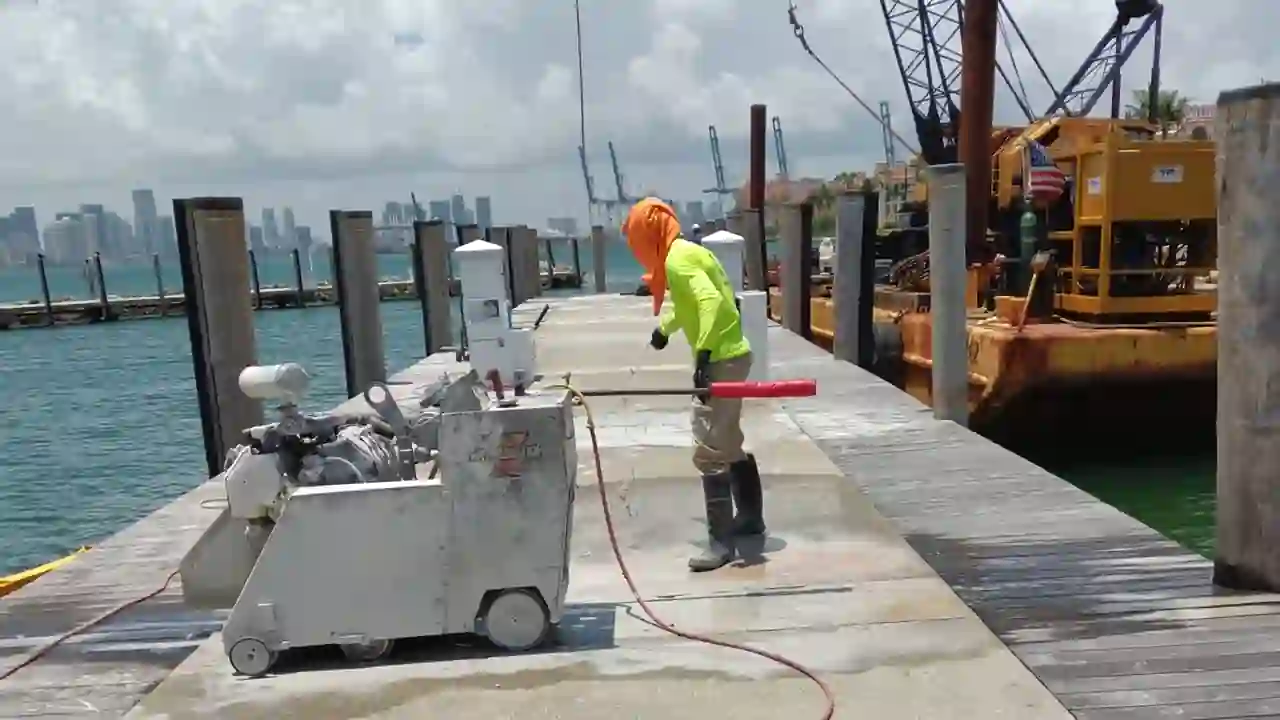
When cutting concrete becomes dangerous — the hazards nobody mentions
Post-tension cable strikes
Many Miami slabs built since the 1970s contain post-tension cables — high-strength steel strands under thousands of pounds of tension, encased in plastic sheathing. Cutting through a PT cable releases that tension violently. The cable can whip out of the slab, and the slab can lose structural integrity at the cut point. Any contractor cutting concrete in Miami must GPR scan every slab before cutting to identify PT cable locations. If your contractor does not mention PT cables or GPR scanning, they have not been cutting concrete in Miami long enough.
Silica dust exposure
Concrete contains crystalline silica. When it is cut, ground, or drilled, respirable silica particles become airborne. Inhaling silica dust causes silicosis, a progressive and irreversible lung disease. OSHA requires wet cutting or vacuum dust collection for indoor cutting. A contractor who dry-cuts concrete indoors without a vacuum system is exposing everyone on site to a known occupational hazard.
Kickback and blade binding
A diamond blade that binds in a cut — pinched by the concrete closing as the cut progresses — can kick back with tremendous force. Professional operators recognize the conditions that cause binding and use wedges, step-cutting techniques, or relief cuts to prevent it.
The difference between a saw operator and a concrete cutting professional
- A professional scans first. GPR scanning identifies rebar patterns, PT cables, embedded conduits, and slab thickness variations before the blade touches concrete.
- A professional contains the slurry. Wet cutting creates a cement-laden slurry that must be captured with vacuums and berms, not washed into the street. Miami-Dade environmental regulations require proper slurry disposal.
- A professional knows when to stop. When unexpected conditions appear — a PT cable, an electrical conduit, a void in the concrete — a professional stops, assesses, and adjusts.
- A professional produces clean cuts. The edges of a professionally cut opening are straight, square, and ready for whatever comes next.
Cutting concrete is a trade that rewards experience. The blade, the saw, the scanning equipment — all of it is available for rent. The knowledge of what to do with it is not. When you need concrete cut on your Miami property, hire the knowledge. The equipment comes with it.