Why Concrete Cutting Prices Vary So Drastically From Job to Job
If you’ve called three contractors and received three completely different quotes for what sounds like the same job, you’re not imagining things. Concrete cutting prices are genuinely complex, driven by a layered set of variables that most project managers, general contractors, and property owners never fully see. Aggregate hardness, reinforcement density, slab thickness, access constraints, water availability for wet cutting, and blade wear rates all interact to produce a final number. Before you sign anything or dismiss a quote as gouging, you need to understand the mechanics behind the math. This guide gives you that framework — built from field experience, not guesswork.
The Four Core Cost Drivers Every Buyer Must Know
Concrete cutting pricing breaks down into four primary categories. Understanding each one lets you audit any quote you receive and ask the right follow-up questions.
1. Cutting Method and Equipment Class
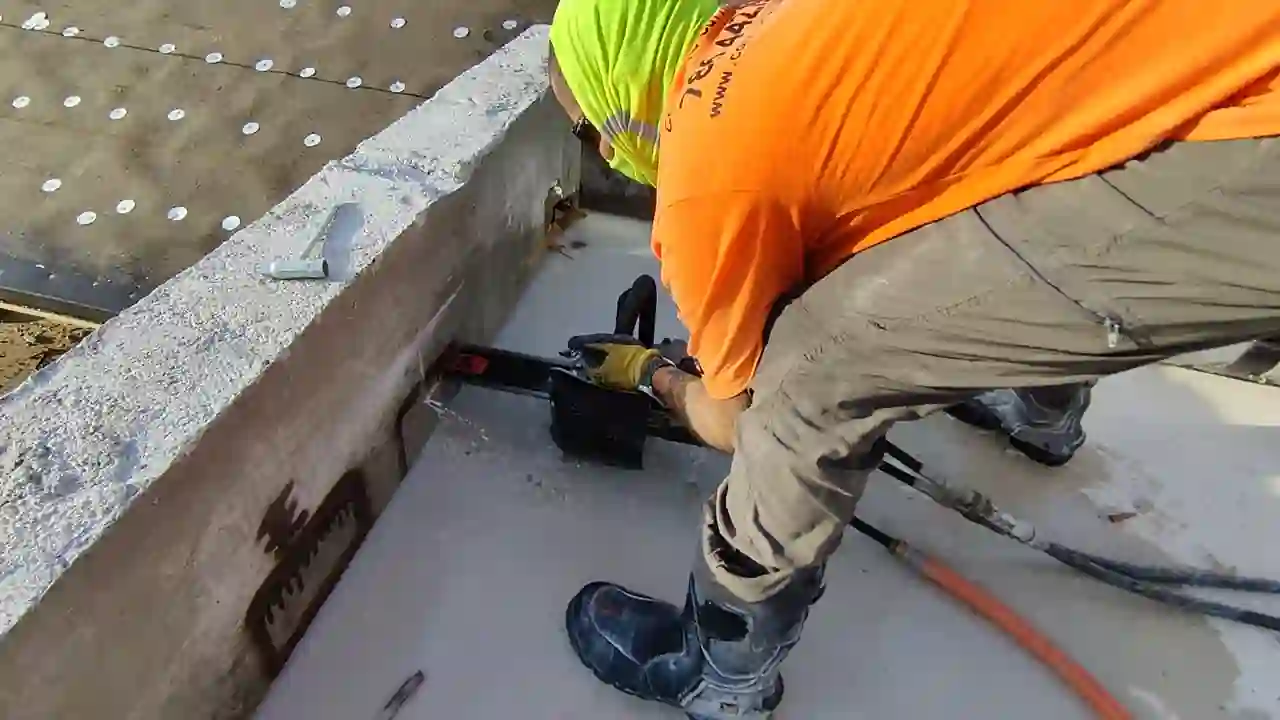
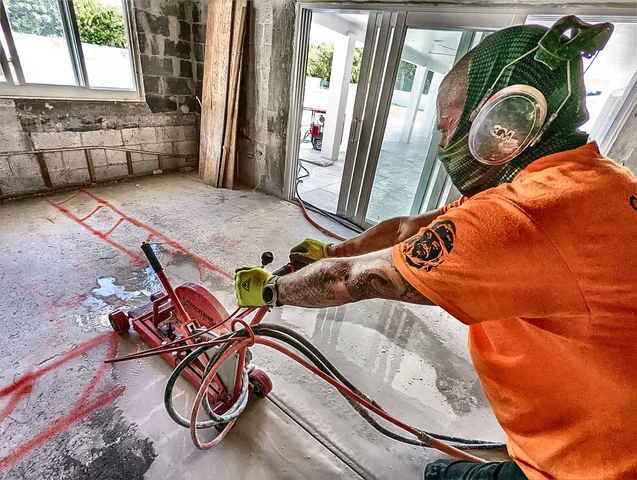
The method chosen for your project is the single largest determinant of price. A handheld angle grinder cutting a 4-inch control joint in a residential slab operates at a completely different cost tier than a hydraulic flat saw cutting a 24-inch-deep expansion joint in a reinforced parking structure. Here’s a practical breakdown of common methods and their general price ranges in the South Florida market:
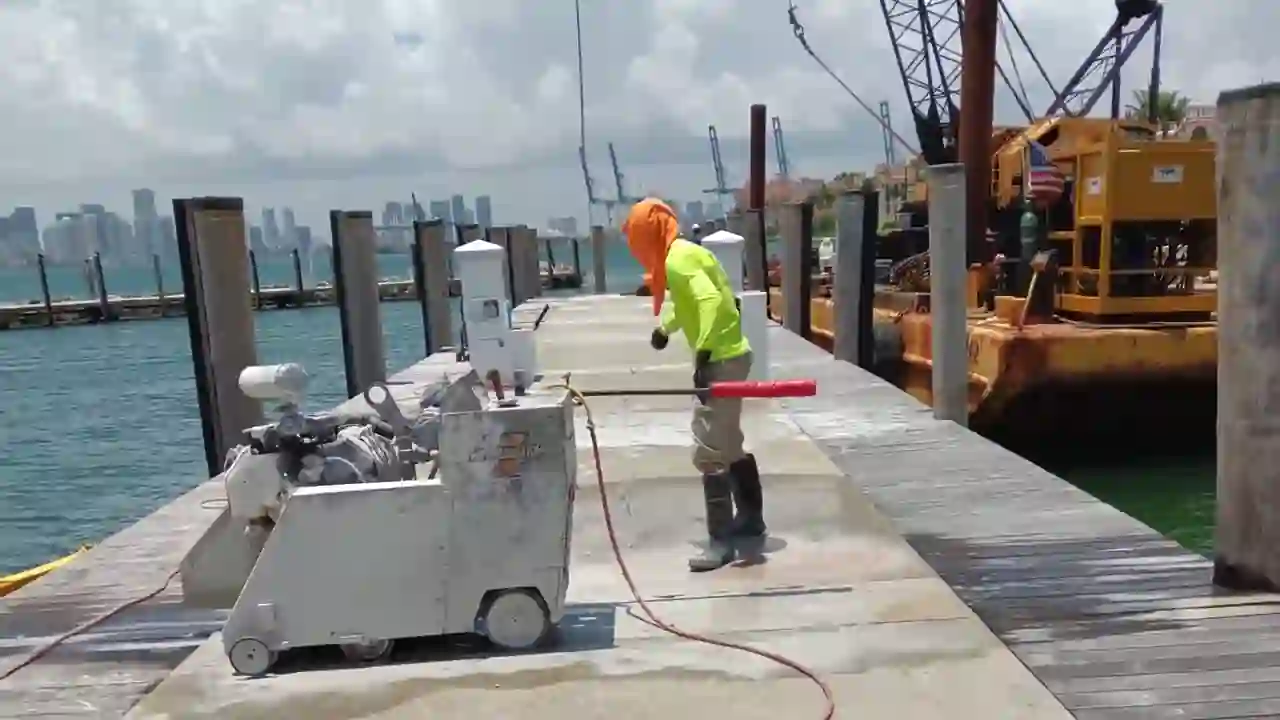
- Flat Slab Sawing (Walk-Behind Diamond Saw): Typically priced at $3.50–$7.00 per linear foot for cuts up to 6 inches deep. Depth surcharges apply beyond that threshold, usually $0.75–$1.50 per additional inch per linear foot.
- Core Drilling: Priced per hole, ranging from $85–$175 for a 4-inch diameter core through a standard 6-inch slab. Larger diameters (12–36 inches) and deeper cores escalate rapidly, sometimes reaching $600–$1,200 per penetration.
- Wall Sawing (Track-Mounted Diamond Blade): Runs $8.00–$18.00 per linear foot depending on depth and wall access. Vertical cuts in confined mechanical rooms command premium rates due to setup complexity.
- Wire Sawing: Reserved for mass concrete, bridge abutments, and large foundation sections. Pricing is typically project-quoted, often ranging from $4,500 to $25,000+ depending on volume and reinforcement. Learn more about hydraulic concrete sawing techniques that inform these high-performance cuts.
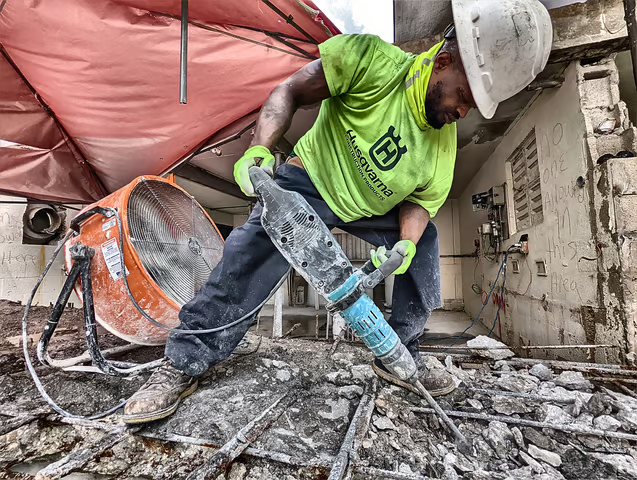
- Hydraulic Breaking and Demolition: If your project involves thick slabs requiring full removal, the pricing model shifts to square footage or tonnage. Review our detailed resource on how to break up thick concrete slabs in Miami for a cost-effective approach to demolition sequencing.
2. Concrete Composition and Reinforcement Density
Not all concrete is equal under a diamond blade. A 3,000 PSI residential slab with no rebar cuts faster and with less blade wear than a 6,000 PSI post-tensioned parking deck with #6 rebar on 12-inch centers. Blade wear directly translates to cost — diamond segments are consumed faster in hard, abrasive, or heavily reinforced concrete, and those replacement costs are passed to the client either as a line item or embedded in the per-foot rate.
When requesting quotes, disclose what you know about the slab. If you have structural drawings, share them. A contractor who can see the reinforcement layout will give you a more accurate number than one guessing in the field. Post-tensioned slabs require special attention — cutting a tendon under tension without a proper scan and locating protocol is a safety and liability catastrophe. Always confirm that your contractor uses ground-penetrating radar (GPR) scanning before cutting post-tensioned or heavily reinforced sections. That scan typically adds $350–$800 to the job but can prevent structural damage worth tens of thousands.
3. Site Conditions, Access, and Water Management
Field conditions are where estimates fall apart or hold together. A flat saw that takes 45 minutes to set up in an open warehouse can take three hours to rig in a basement with a 7-foot ceiling, no direct drainage, and a staircase as the only equipment access point. Every one of those complications has a dollar value.
Wet cutting — the standard for flat saws and core drills — produces slurry that must be contained, vacuumed, and disposed of properly. In occupied commercial buildings or near storm drains, slurry management isn’t optional; it’s legally required. Budget $150–$400 for slurry containment and vacuum extraction on medium-scale interior jobs. Dry cutting with vacuum-shrouded blades is an alternative for small cuts, but it’s slower, harder on blades, and generates silica dust that triggers strict OSHA silica exposure regulations under 29 CFR 1926.1153.
Miami’s summer heat adds another layer of complexity. Heat accelerates blade wear, affects hydraulic fluid viscosity in equipment, and creates safety risks for operators. Jobs scheduled during peak summer months should factor in early-morning start premiums and potential productivity reductions. Our team has published guidance on summer construction safety in Miami that directly applies to concrete cutting operations in high-heat, high-humidity environments.
4. Mobilization, Minimum Charges, and Scope Thresholds
Every concrete cutting contractor carries a mobilization cost — fuel, equipment transport, operator time in transit, and job setup. In Miami-Dade and Broward counties, expect mobilization charges of $175–$450 depending on equipment size and distance. For small jobs, this can dwarf the actual cutting cost. A single 10-foot cut at $5/linear foot is $50 in cutting but $300 in mobilization — which is why most contractors enforce a minimum charge of $350–$600 per visit.
Understanding this threshold helps you batch work intelligently. If you have three small cuts across a jobsite, schedule them in a single mobilization. If you’re a general contractor managing multiple trades, coordinating your concrete cutting scope into one visit rather than three separate calls can save $600–$1,200 in redundant mobilization fees on a single project.
How to Read and Compare Concrete Cutting Quotes Accurately
When quotes arrive, don’t compare total numbers until you’ve verified that each quote covers the same scope. Check for these line items explicitly:
- Depth specification: Is the per-foot price for a 4-inch cut or a 10-inch cut? Depth changes everything.
- Slurry removal: Is it included or an add-on?
- GPR scanning: Is pre-cut scanning included, recommended, or excluded entirely?
- Debris removal: Core plugs and saw-cut sections need to go somewhere. Disposal is often a separate charge.
- Permits: Some municipalities in Miami-Dade require permits for structural cuts. Confirm who pulls them and who pays.
A lower quote that excludes slurry management, scanning, and disposal can easily end up costing more than a higher quote that bundles everything. For a comprehensive breakdown of how to evaluate contractor capabilities alongside pricing, our ultimate guide to choosing the right demolition equipment and contractor covers the evaluation criteria that separate professional operators from low-bid risk.
Regional Pricing Factors Specific to Miami-Dade and Broward
South Florida pricing runs 12–18% higher than national averages for concrete cutting services. Reasons are structural to the market: high equipment import costs through the Port of Miami, elevated workers’ compensation insurance rates tied to construction injury statistics, year-round demand that keeps crews at near-capacity utilization, and the prevalence of post-tensioned slab construction in high-rise and mid-rise residential buildings — a more complex and time-intensive cutting environment than standard reinforced slabs.
Coastal proximity also means corrosion management for equipment is a real operating cost. Diamond blades and hydraulic components in salt-air environments require more frequent maintenance cycles than inland operations, and those costs are reflected in local market rates. For a broader look at how Concrete Cutting Miami positions its services and pricing within the regional market, visit our press release and company news page.
Practical Budget Benchmarks for Common Miami Projects
To give you a working framework, here are realistic all-in budget ranges for common project types in the Miami metro area as of current market conditions:
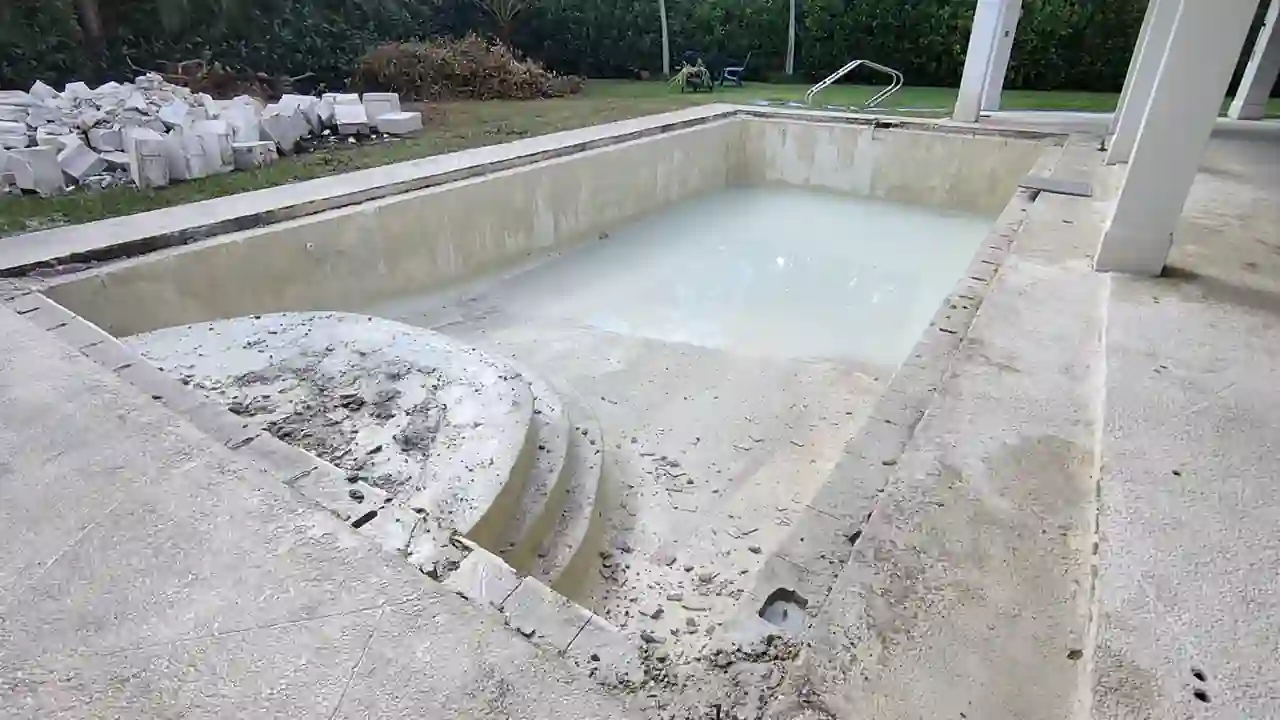
- Residential pool deck control joint cutting (200 linear feet, 2-inch depth): $900–$1,400 all-in
- New doorway opening in 8-inch CMU wall (3×7 opening, wall saw): $1,800–$3,200 depending on lintel requirements
- Core drilling for plumbing penetrations (10 holes, 4-inch diameter, 6-inch slab): $1,200–$1,800 including slurry management
- Slab removal for elevator pit (12×12 ft, 10-inch reinforced slab): $4,500–$8,000 including cutting, breaking, and removal
- Expansion joint cutting in commercial parking structure (1,000 linear feet, 6-inch depth): $6,500–$11,000 depending on rebar density and slurry containment requirements
These ranges assume standard site access, no hazardous material involvement, and normal working hours. Night work, confined space entry, and emergency response calls carry surcharges of 25–75% above standard rates. Build contingency into your budget accordingly, and get your scope nailed down in writing before any blade touches concrete.