How to cut a concrete wall — the question that separates pros from amateurs in about thirty seconds
If you type how to cut a concrete wall into Google, you are probably looking at a concrete block or poured concrete wall in your Miami home or business and wondering how to make an opening in it. You might need a door where there is currently a solid wall, a window for natural light in a dark room, or a penetration for ductwork, plumbing, or electrical. The question is deceptively simple. The answer is not.
Cutting a concrete wall is fundamentally different from cutting a concrete floor. A floor cut is horizontal — gravity holds the saw in the cut, the operator walks behind it, and the weight of the machine provides the cutting pressure. A wall cut is vertical — gravity pulls the saw sideways, the saw must be mounted to a track system bolted or vacuum-anchored to the wall, and every movement of the saw through the concrete must be controlled precisely because there is no floor to rest on. This is why wall sawing is the most technically demanding discipline in concrete cutting, and why the question “how to cut a concrete wall” leads most people to the same Closing: hire someone who does this every day.
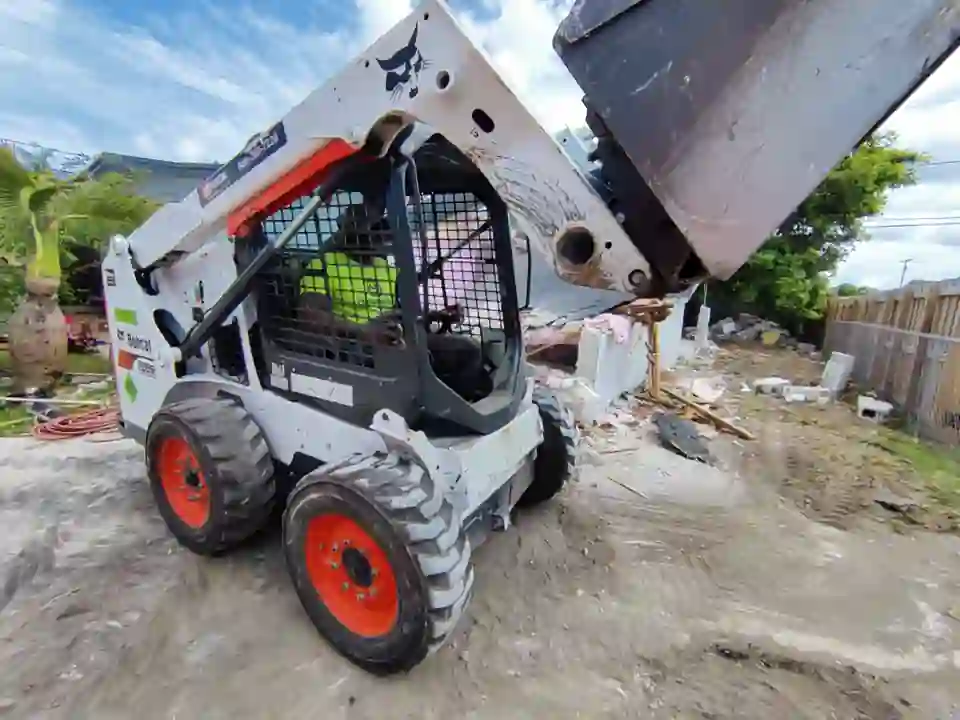
We cut concrete walls across Miami-Dade and Broward — commercial door openings in tilt-up buildings, window openings in poured concrete foundations, penetrations for mechanical systems in high-rise parking garages. Here is how wall sawing actually works, what equipment is involved, and why the contractor you hire matters more than the saw they bring.
The wall saw system — a track-mounted hydraulic saw, not a handheld tool
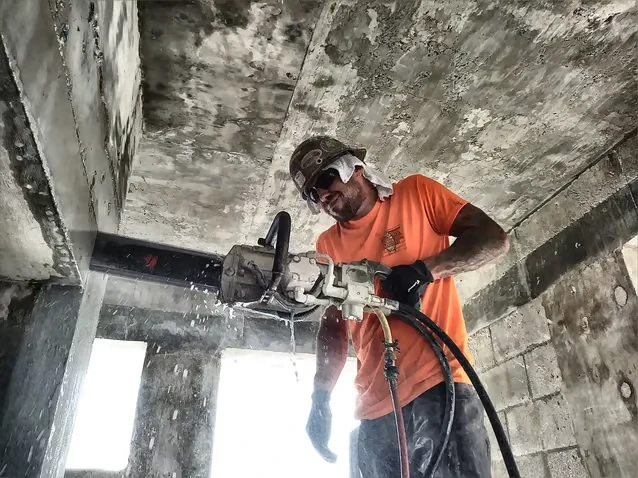
The tool used to cut a concrete wall is called a wall saw, and it bears almost no resemblance to the circular saw someone might envision when they think about cutting through a wall. A wall saw consists of three main components: a hydraulic or electric power unit, a track system mounted to the wall, and a saw head with a diamond blade that travels along the track.
The track system
The track is a rigid aluminum or steel rail that is fastened to the wall — either with concrete anchors drilled into the wall or, for walls where drilling is not permitted, with vacuum pads that hold the track against the wall surface. The track must be mounted perfectly straight and parallel to the intended cut line because the saw head rides on the track, and any deviation in track alignment becomes a deviation in the cut. Setting up the track takes time — sometimes more time than the cut itself — but the track is what makes wall sawing accurate.
The saw head and blade
The saw head contains the blade arbor, the feed mechanism that advances the blade into the wall, and the traverse mechanism that moves the saw along the track. The blade is a diamond blade — typically 18 to 36 inches in diameter for most wall sawing applications — and it cuts by grinding through the concrete and rebar with diamond-impregnated segments. The blade is cooled by a continuous water flow delivered through the blade guard.
The power unit
Most wall saws are hydraulically powered. The power unit — a diesel or electric motor driving a hydraulic pump — sits on the floor or outside the building and connects to the saw head through hydraulic hoses. Hydraulic power provides consistent torque regardless of load variation, which matters when the blade encounters rebar or hard aggregate in the wall.
The cutting sequence — how a wall opening is actually made
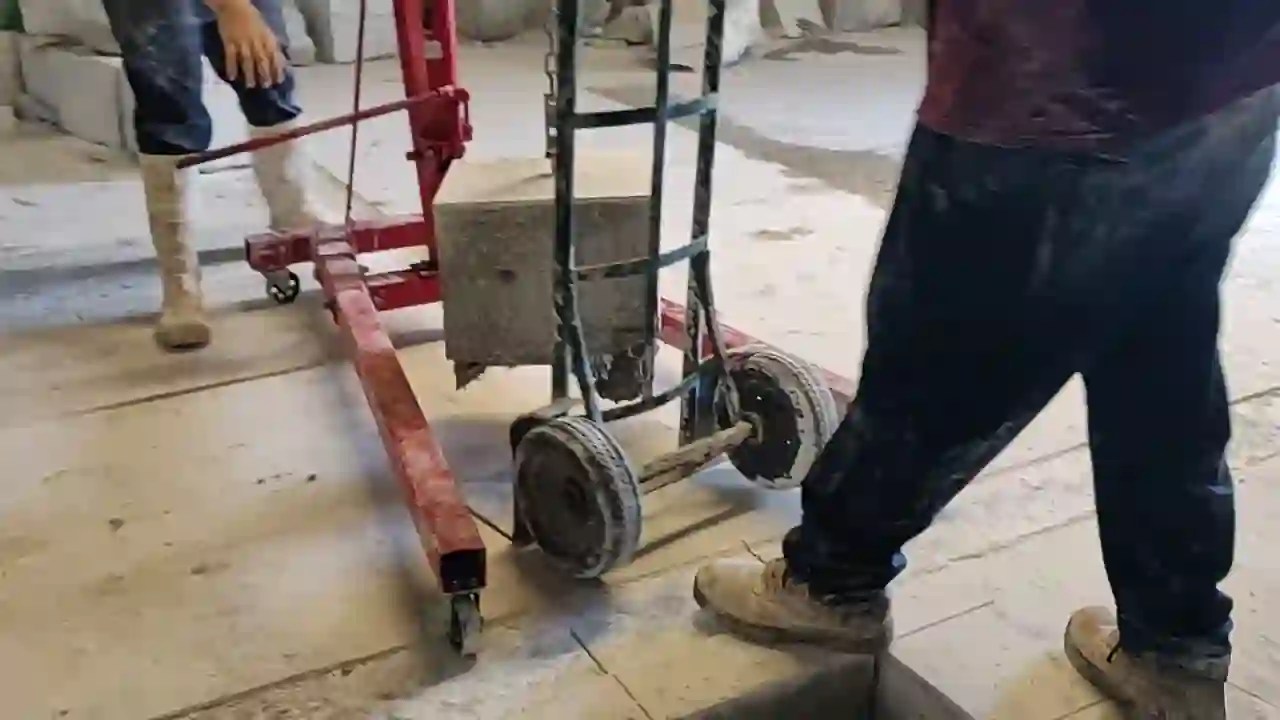
Cutting a concrete wall for an opening follows a specific sequence: GPR scanning to identify rebar patterns, post-tension cables, embedded conduits, and hazards inside the concrete; layout marking the opening dimensions on the wall with perfectly square lines; track installation mounted adjacent to the cut lines; four cuts (two vertical and two horizontal) for a rectangular opening, each cut going through the full wall thickness incrementally; overcutting the corners because a circular blade cannot cut a square inside corner — each corner must be finished with a hand saw or chipping tool; and removal of the wall section using lifting equipment for large openings.
Why DIY wall cutting is almost always a bad idea
The question how to cut a concrete wall implies the person asking is considering doing it themselves. Here are the reasons why that is rarely the right decision in Miami construction.
Structural risk
Most concrete walls in South Florida are structural — they carry load from above. Cutting an opening in a load-bearing wall without an engineered plan and proper shoring during the work can compromise the structural integrity of the building. Even non-structural walls can contain electrical conduits, plumbing lines, or post-tension cables that create safety hazards if cut. A professional concrete cutting contractor scans the wall before cutting and engages a structural engineer when the wall is load-bearing.
Equipment cost and availability
A wall saw system costs tens of thousands of dollars. The handheld concrete saws available for rent at home improvement stores cannot cut through a 6-inch or 8-inch concrete wall in a single pass, cannot maintain a straight line freehand, and cannot cut the full depth needed for a through-wall opening. They are the wrong tool for the job.
Permit requirements
Most wall openings that change a building’s structure or envelope require a permit in Miami-Dade County. An unpermitted wall opening creates problems during property sales, insurance claims, and any future inspection. A licensed contractor knows which openings require permits and handles the process.
What to expect from a professional wall cutting job
When you hire a concrete cutting contractor for wall sawing, here is what a professional job should include: a pre-job site visit to measure the wall, assess access conditions, and determine power and water availability; GPR scanning to identify everything inside the wall before cutting; structural engineering if required for load-bearing walls; water management with proper slurry containment and disposal; a clean opening that is square, plumb, and sized to the specified dimensions; and debris removal handled by the contractor.
Cutting a concrete wall is one of those jobs where the cost of doing it wrong exceeds the cost of hiring a professional to do it right. The right contractor brings the wall saw, the track system, the GPR scanner, the water management equipment, and the engineering support. They make an opening in your wall that looks like it was always there. That is what you are paying for.