Why Inground Pool Removal Is More Complex Than Most Demolition Jobs
When a homeowner in Miami asks me how to get rid of an inground pool, the first thing I tell them is this — the pool itself is rarely the hard part. It’s everything surrounding it: the deck concrete, the plumbing penetrations, the steel reinforcement, the water table, and the soil compaction requirements that follow. In South Florida specifically, high groundwater levels and sandy substrate conditions make what looks like a straightforward demolition job into a multi-phase engineering decision. Before you call anyone, you need to understand what you’re actually paying for and why the cheapest bid on the table is almost never the one that saves you money.
Full Removal vs. Partial Fill-In — The Decision That Changes Everything
There are two primary methods for getting rid of an inground pool, and the method you choose will dictate your total project cost, your permit requirements, and your future property value implications. Understanding the difference before you talk to a contractor puts you in a far stronger negotiating position.
Complete Exhumation (Full Removal)
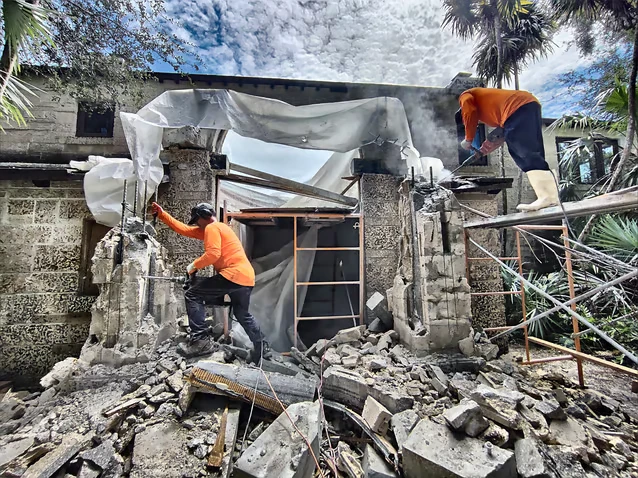
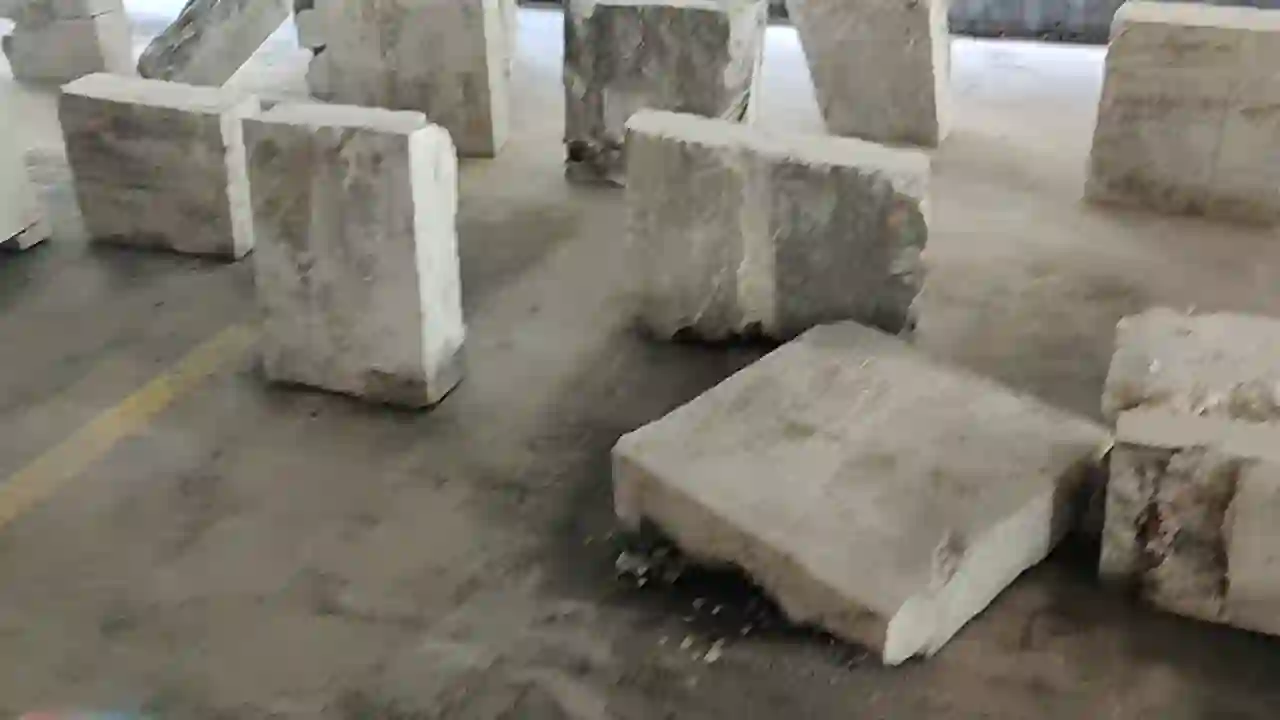
Full removal means the entire pool shell — gunite, shotcrete, fiberglass, or vinyl-lined concrete — is excavated and hauled off-site. This is the more expensive route, typically ranging from $9,000 to $19,000 in the Miami metro area depending on pool size, shell thickness, and site access. For a standard 12×24 foot residential pool with a 6-inch gunite shell, you’re looking at roughly 18 to 22 tons of concrete debris that needs to be cut, broken, removed, and legally disposed of. Disposal fees alone in Miami-Dade County can run $800 to $1,400 depending on the haul distance and landfill tipping rates at the time of your project.
Full removal is the only method that leaves your property without deed restrictions. If you ever plan to sell, build an addition, or install landscaping with deep root systems, full removal is the technically correct choice. Partial fill-in projects in Miami-Dade typically require a disclosure on the property title, which can complicate future sales.
Partial Fill-In (Abandonment Method)
The partial fill-in method involves punching drainage holes through the pool floor, demolishing the upper portion of the shell walls (typically the top 18 to 36 inches), and backfilling the void with gravel, crushed concrete, and compacted soil. This method runs significantly cheaper — $3,500 to $7,500 for most residential pools in Miami — but it comes with long-term settlement risk if the backfill isn’t properly engineered and compacted in lifts.
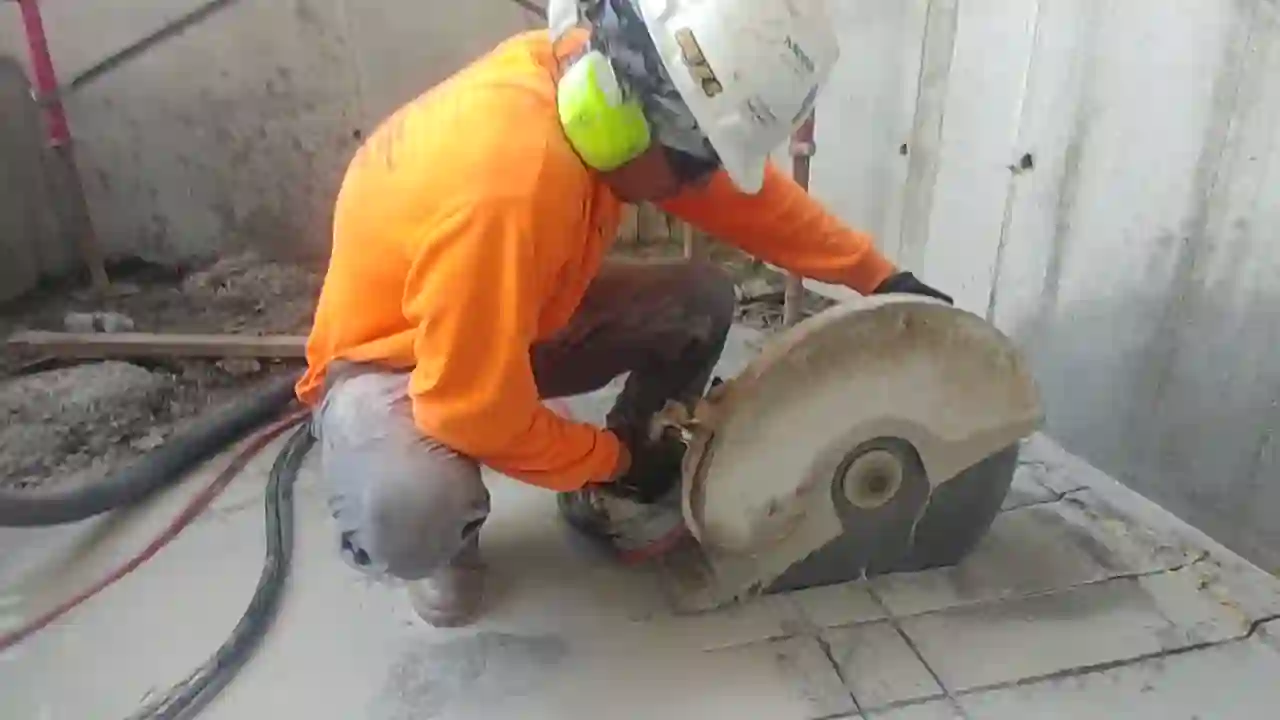
From a concrete cutting standpoint, the partial method still requires precision wall sawing to remove the upper shell sections cleanly without cracking the surrounding deck or damaging underground utilities. This is not a job for a jackhammer and a rental excavator. Controlled cutting with no-overcut techniques is essential to prevent collateral damage to adjacent hardscape and pool equipment pads.
The Real Cost Drivers Nobody Puts in the Brochure
Every pool removal bid you receive should be itemized. If a contractor hands you a single lump-sum number without line items, walk away. Here are the specific cost drivers that separate an accurate bid from a lowball that will hit you with change orders:
- Shell Material and Thickness: Gunite and shotcrete pools in Miami are typically 6 to 10 inches thick with #4 or #5 rebar on 12-inch centers. Cutting and breaking this material is significantly more labor-intensive than a thin-shell fiberglass pool. Diamond blade wear rates increase dramatically in heavily reinforced concrete, and that cost gets passed to you.
- Pool Size and Depth: A 15×30 foot pool at 8-foot depth contains nearly twice the concrete volume of a 12×24 at 5-foot depth. Cubic footage drives haul-off costs, equipment time, and labor hours directly.
- Deck Removal Scope: Most homeowners want the surrounding deck removed simultaneously. Asphalt or concrete deck removal adds $1,500 to $4,000 depending on square footage. See how asphalt cutting and trenching factors into site preparation costs in Miami.
- Equipment Access: A mini-excavator needs at least a 36-inch gate opening to access most residential backyards. Tight access means hand demolition, which multiplies labor costs by a factor of 2 to 3.
- Groundwater Management: Miami’s water table sits anywhere from 2 to 6 feet below grade in many neighborhoods. If your pool is holding groundwater, dewatering pumps need to run continuously during demolition, adding rental costs and extending the timeline.
- Permit Fees: Miami-Dade County requires a demolition permit for pool removal. Permit fees typically run $250 to $600, and some municipalities within the county have additional local requirements. Factor in 2 to 4 weeks for permit approval before any work can legally begin.
Realistic Timeline Breakdown for a Miami Inground Pool Removal
Here’s what a properly managed pool removal timeline looks like in South Florida. Any contractor promising a faster schedule without explaining why should be questioned directly.
- Week 1 to 3: Site assessment, permit application submission, utility marking (Sunshine 811 call), and equipment scheduling. Do not let anyone skip the utility marking step — pool plumbing and electrical conduits run in unpredictable directions.
- Day 1 of Active Work: Pool draining (if not already empty), initial deck saw cutting to isolate the work zone, and setup of dewatering equipment if needed.
- Day 2 to 3: Wall sawing of upper shell sections, hydraulic breaking of the floor slab (or full excavation for complete removal), and rebar cutting. For a standard residential pool, this phase runs 12 to 20 crew hours.
- Day 3 to 4: Haul-off of concrete debris, installation of drainage aggregate at the base (for partial fill), and initial backfill lifts.
- Day 4 to 5: Compaction in 12-inch lifts using a plate compactor or jumping jack. This step is non-negotiable. Skipping proper compaction is how you end up with a sinkhole in your backyard two years later.
- Day 5 to 6: Final grade, topsoil application, and site cleanup. Inspection scheduling with the county if required by permit conditions.
Total active work time for a standard full-removal project runs 5 to 7 working days. Partial fill-in projects can be completed in 3 to 4 working days. Add the permit wait time and you’re looking at a total project duration of 4 to 6 weeks from contract signing to final grade.
How to Read a Pool Removal Bid Like a Contractor
The bid document tells you everything about how a contractor operates. For context on how cost transparency works across similar concrete demolition scopes, review the detailed breakdown on wire sawing a concrete wall — what it actually costs and how long it takes. The same principles apply here.
A legitimate pool removal bid should include separate line items for: permit fees, equipment mobilization, concrete cutting labor, debris haul-off by tonnage estimate, backfill material by cubic yard, compaction labor, and final grading. If the bid lumps everything into one number, you have no way to verify what you’re paying for or to compare it accurately against competing bids.
Also verify that your contractor carries general liability insurance with a minimum $1 million per occurrence limit and workers’ compensation coverage. Pool demolition involves heavy equipment, open excavations, and electrical disconnection. Uninsured contractors in Miami are more common than they should be, and the liability exposure on a homeowner whose neighbor’s fence gets damaged by an excavator is real.
For residential pool removal projects specifically, working with contractors who specialize in residential concrete services ensures they understand the site sensitivity requirements that differ from commercial demolition environments. Residential projects require tighter control over noise ordinances, debris containment, and neighbor communication.
What Happens After the Pool Is Gone
The post-removal phase is where many homeowners get surprised by additional costs they didn’t budget for. Depending on your intended use of the space, you may need:
- Soil testing and compaction certification: Required by some lenders and insurers before building any structure over the former pool footprint. Cost ranges from $400 to $900.
- Irrigation re-routing: Pool plumbing removal often disrupts existing irrigation lines that were installed after the pool. Budget $500 to $1,500 for re-routing depending on system complexity.
- Electrical service termination: Pool equipment circuits need to be properly terminated at the panel by a licensed electrician. This is a separate trade cost not included in most concrete demolition bids.
- Landscaping and sod: A 400 to 600 square foot pool footprint plus deck area will need sod or hardscape replacement. Sod in Miami runs $0.35 to $0.65 per square foot installed.
For projects where the pool removal is part of a larger site reconfiguration — adding a structure, regrading for drainage, or installing new hardscape — the scope may also involve industrial-grade concrete services for foundation prep or retaining wall construction. Planning for these downstream costs at the bidding stage prevents budget overruns mid-project.
If you want a cost-per-square-foot reference for the cutting and breaking work specifically, the concrete wall sawing cost data we’ve published gives you a solid baseline for evaluating whether the labor component of your pool removal bid is priced fairly.
Getting rid of an inground pool in Miami is a significant investment — but it’s also one that, when done correctly with proper permitting, engineered backfill, and certified compaction, adds usable square footage to your property and eliminates the ongoing liability of an unused water feature. The difference between a project that goes smoothly and one that creates long-term problems almost always comes down to the quality of the contractor you hire and how carefully you read the bid before you sign.