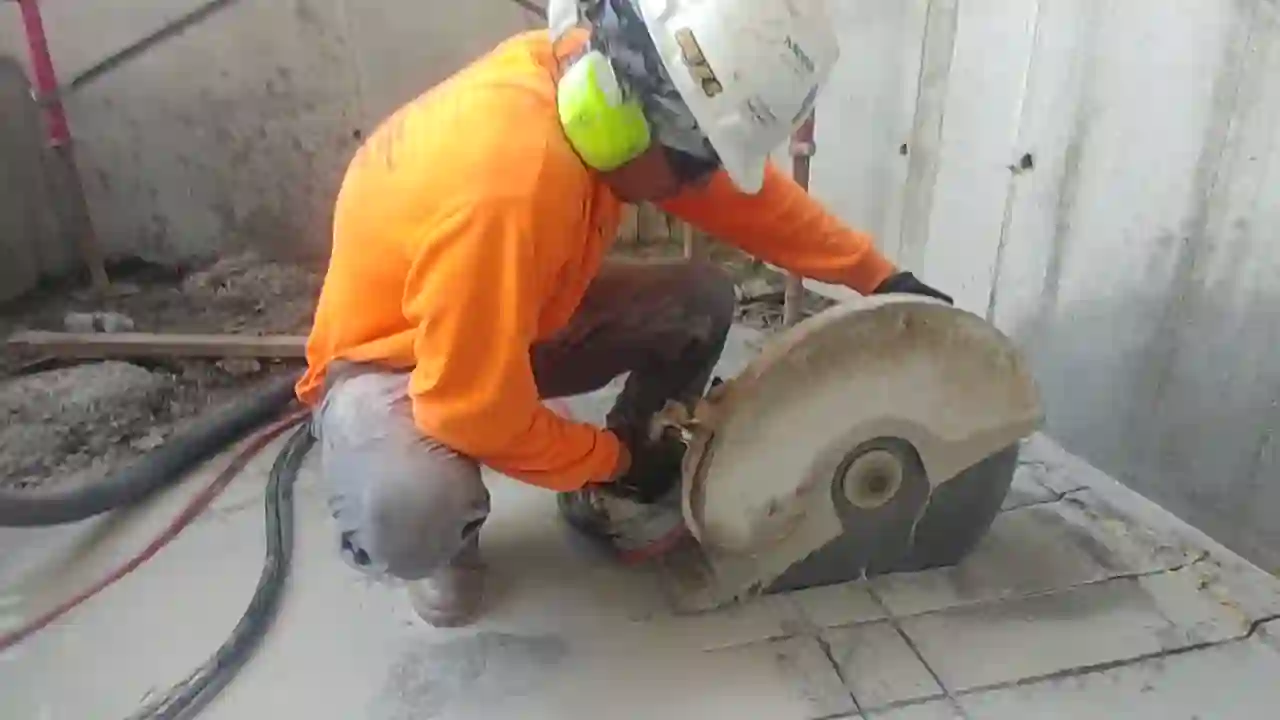
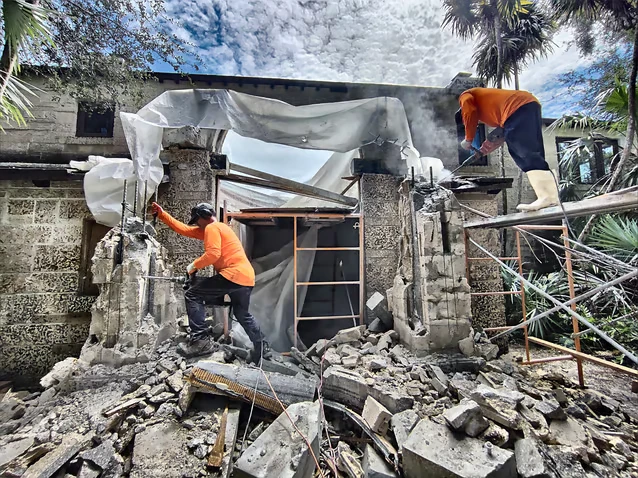
What filling in a swimming pool actually means — the options you have
When Miami homeowners start researching filling in a swimming pool, they quickly discover it is not one thing — it is a spectrum of approaches with dramatically different costs, timelines, and long-term implications. At one end is a complete removal: the pool shell is demolished entirely, all concrete and rebar are removed from the ground, and the excavation is backfilled with compacted clean fill. At the other end is what the industry calls an abandonment fill: holes are punched in the bottom of the pool shell for drainage, the top few feet of the shell are broken off below grade, and the remaining shell is buried under fill dirt. Between these extremes are various partial removal approaches. Each option has different permit requirements, different costs, and different consequences for future use of the land.
In Miami-Dade County, the decision is complicated by the high water table. Much of Miami sits just a few feet above the water table — in some areas, digging down four or five feet hits groundwater. A pool shell that is not properly drained before being filled can become a buried vessel of water that hydrostatically floats upward over time, cracking the fill above it and creating a sinkhole risk. An improperly filled pool in Miami is a ticking clock, and the alarm goes off years later in the form of a depression in the yard, cracking in the patio, or — in the worst case — a collapse that opens a hole where the pool used to be.
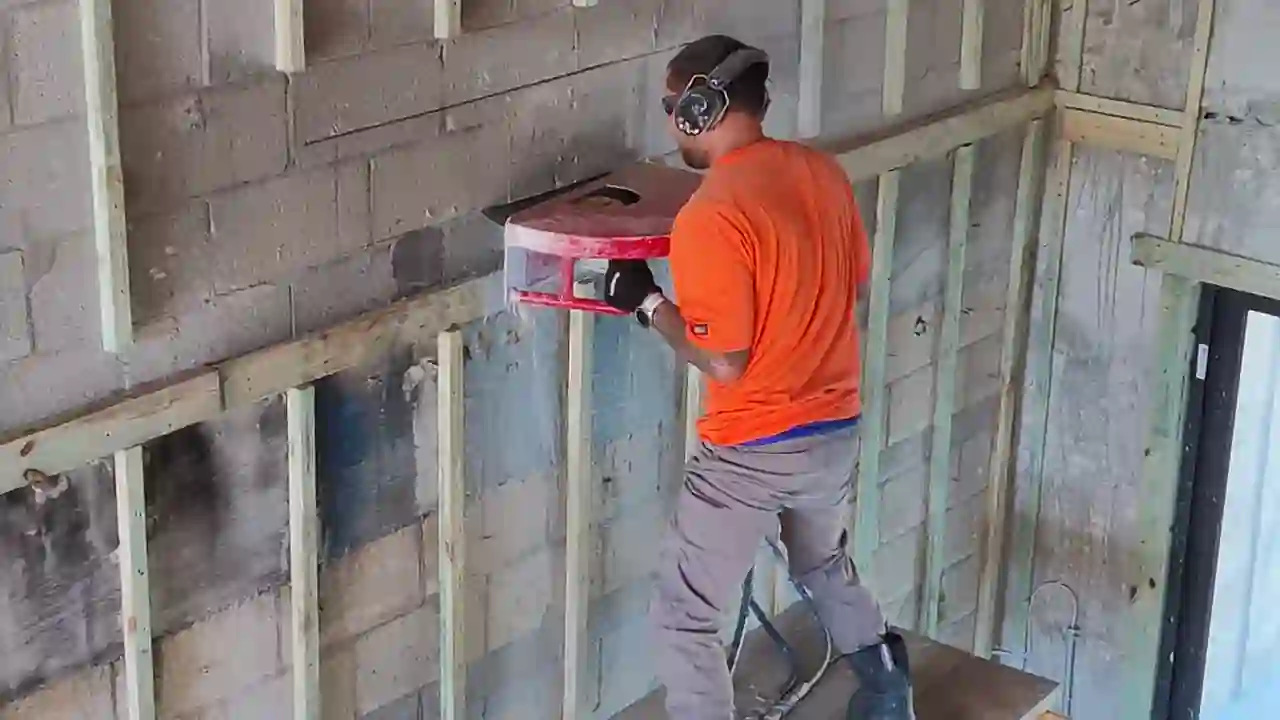
We have done pool demolition and fill-in across Miami-Dade County. We have seen the consequences of pools that were filled incorrectly — the front-loader that sank into a buried pool during a new construction project, the patio that cracked along the outline of a pool filled two decades earlier, the backyard that became a mosquito-breeding swamp because drainage holes in the buried pool shell clogged with silt. Getting pool fill-in right is not optional. It determines whether your backyard is usable land or a hidden liability.
Full pool removal: the comprehensive approach
Full removal means the entire pool structure — gunite or concrete shell, rebar, coping, tile, plumbing, and equipment — is demolished and removed from the site. The excavation is then backfilled with compacted engineered fill in lifts, typically 12 inches at a time, with each lift mechanically compacted before the next is placed. The fill material is clean soil or crushed aggregate, not construction debris or organic material that will decompose over time and create settlement.
The advantages of full removal:
- The land is fully buildable. After full removal and proper compaction, you can build on the site — a house addition, a garage, an outbuilding. The buried pool shell that limits construction does not exist.
- No future disclosure requirement. In Florida, a properly completed full pool removal with a final compaction report and county inspection signoff means the pool no longer exists for property disclosure purposes. A partial fill-in must typically be disclosed to future buyers.
- No long-term settlement risk. With the pool shell entirely removed and the excavation properly compacted in lifts, the backfilled area settles predictably and minimal amounts — similar to any other engineered fill on the property.
- No hydrostatic pressure concern. Without a buried vessel to fill with groundwater, there is no risk of hydrostatic uplift from the high water table.
The disadvantages: full removal costs significantly more than partial fill-in because it requires more equipment time, more debris hauling, and more fill material. It also requires more disruption to the property — the excavation is larger, and access for trucks and equipment is more demanding.
Partial pool fill-in: the more common approach
Partial fill-in — also called a pool abandonment — is the more common approach in Miami residential applications because it costs substantially less. The process involves:
- Removing pool equipment (pump, filter, heater) and disconnecting utilities.
- Punching drainage holes through the bottom of the pool shell — typically 12-18 inch diameter cores spaced every few feet — to prevent water accumulation in the buried shell.
- Breaking off the top 2-3 feet of the pool walls around the entire perimeter, so the remaining shell is at least 12 inches below finished grade.
- Filling the remaining shell cavity with compacted fill material.
- Placing topsoil and sod or landscaping over the filled area.
The critical detail is the drainage holes. Without them, the buried pool shell fills with groundwater and becomes a hydrostatic pressure vessel. With them properly placed and protected from clogging (typically with gravel backfill around the holes), the buried shell drains freely and does not accumulate water pressure. In Miami’s high water table, the drainage holes are not optional — they are the difference between a filled pool that stays filled and one that creates a sinkhole.
What you cannot do after a partial fill-in: build a structure over the former pool. The buried shell, even with drainage holes, does not provide a suitable foundation for construction. The fill material inside a buried pool shell will always settle more than undisturbed soil. This must be disclosed to future buyers — in Florida, a pool that has been partially filled but not fully removed is a material fact that affects property value and use.
Miami-Dade permitting requirements for pool fill-in
Filling in a pool in Miami-Dade County requires a permit. The specific permit type depends on whether the removal is full or partial, but both require county review. The permit process includes:
- Demolition permit application: Filed with Miami-Dade Building Department. Requires property survey showing the pool location, demolition plan, and site plan showing access, debris staging, and erosion control.
- Utility disconnect verification: Confirmation that electric service to pool equipment and any gas service to pool heaters has been properly disconnected by licensed contractors.
- Erosion and sediment control plan: Required for any exterior demolition. Specifies how soil and debris will be contained on site and prevented from entering storm drains.
- Hauling and disposal plan: Identifies where concrete debris and pool equipment will be disposed of. Pool shells are C&D debris and must go to a permitted facility.
- Compaction testing (full removal only): After full removal and backfill, a geotechnical engineer performs compaction testing — typically a nuclear density test at each lift — to confirm the fill meets the required compaction standard (typically 95% of maximum dry density). The test results are submitted to the county as part of the final inspection.
- Final inspection: A county inspector verifies the work is complete, the site is stabilized, and the permit can be closed.
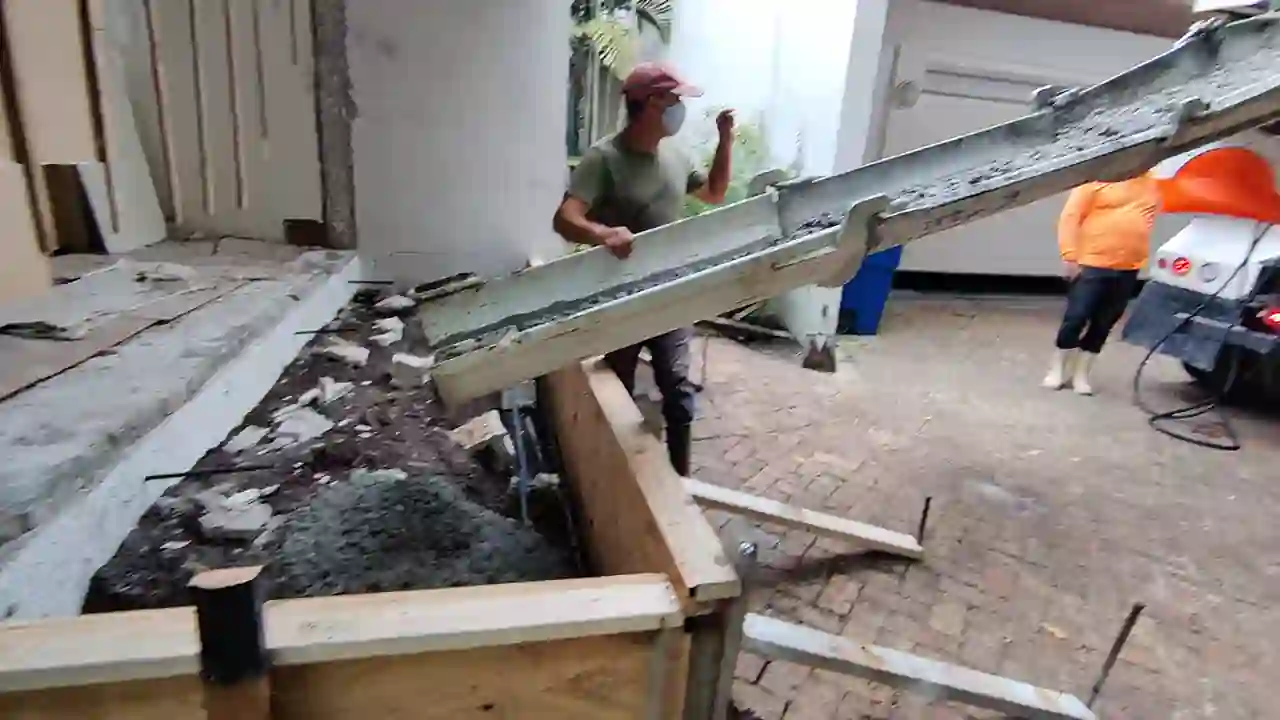
What happens if pool fill-in is done wrong
The most common shortcuts in pool fill-in, and their consequences:
- No drainage holes: The buried shell fills with groundwater. Hydrostatic pressure builds. The fill material above the shell becomes saturated and loses strength. Eventually the ground surface settles into a depression, or in severe cases, a collapse occurs. In Miami’s high water table, this can happen within a single rainy season.
- Filling with trash or construction debris: Dumping drywall, wood, roofing, or other construction debris into the pool cavity before covering it with dirt. Organics decompose, creating massive settlement voids. Metal rusts and collapses. The fill becomes a hazardous materials site when the property changes hands and excavation reveals the buried debris.
- No compaction: Dumping fill dirt into the pool cavity without compacting it in lifts. Settlement occurs over years as the loose fill consolidates under its own weight and the weight of surface soil. A depression forms in the yard. Tree roots and surface water follow the depression, worsening the settlement.
- No permit: The work is done without county permits. When the property is sold, the unpermitted work is discovered during title review. The sale stalls or falls through. The seller must either get retroactive permits (difficult and expensive) or reduce the price to compensate the buyer for the unknown condition of the fill.
Filling in a swimming pool is a one-time job with multi-decade consequences. The cost difference between doing it right and doing it cheap is measured in thousands of dollars. The cost of fixing a pool fill-in done wrong can be measured in tens of thousands. In Miami, where the water table adds a layer of hydrostatic complexity, the right way is the only way that makes financial sense over the life of the property.