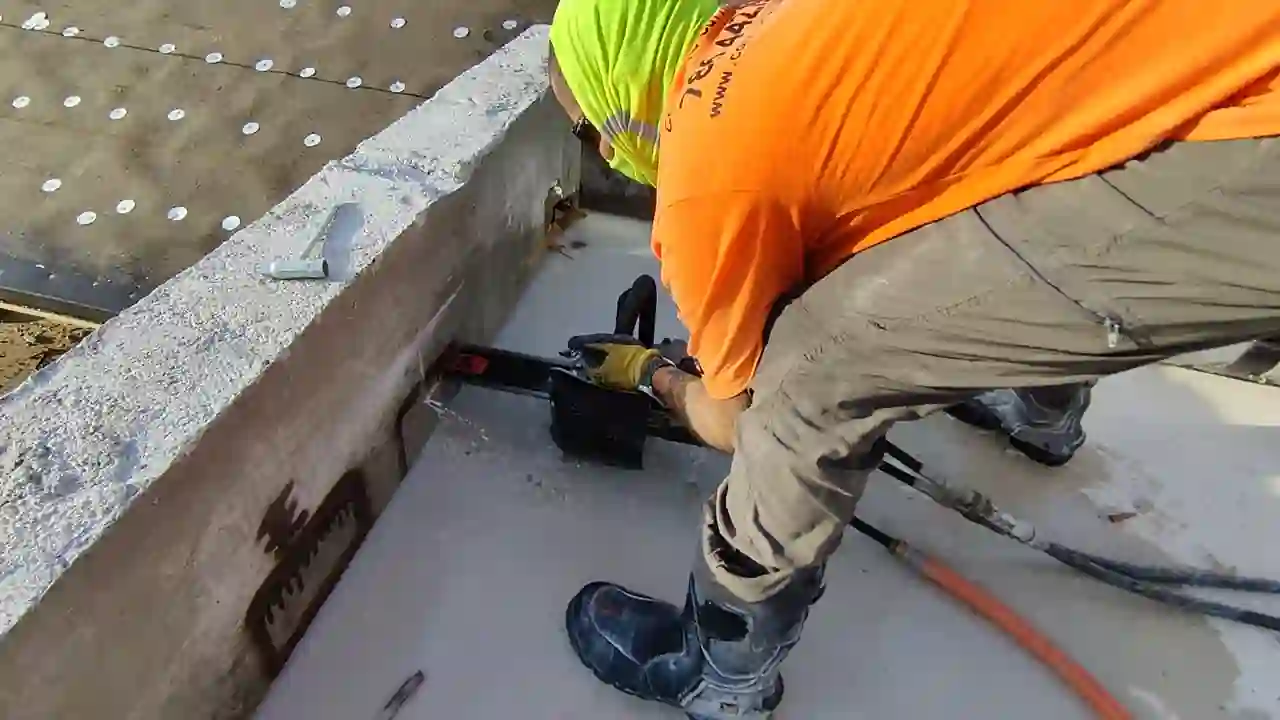
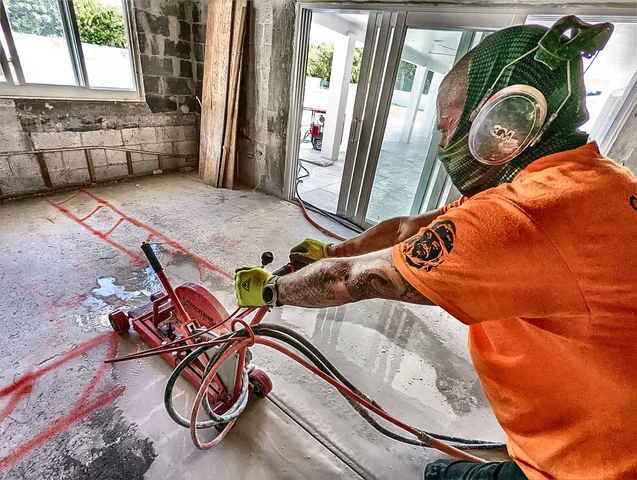
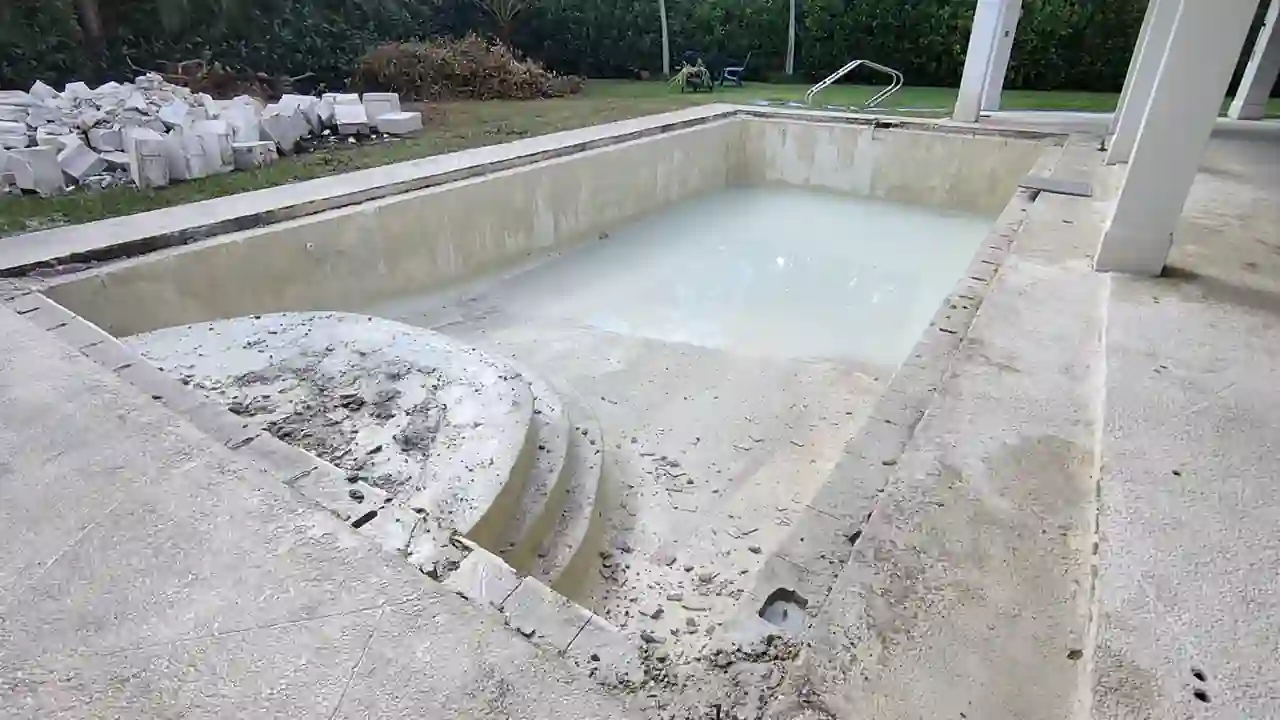
What Manual Concrete Breaking Actually Involves Before You Touch a Tool
Breaking concrete by hand sounds straightforward — grab a sledgehammer, start swinging, and haul the rubble away. In reality, manual concrete demolition is a physically demanding, technically nuanced process that requires an understanding of slab thickness, reinforcement type, curing age, and aggregate composition before a single strike lands. When contractors in Miami bid this type of work, they’re evaluating a dozen variables that directly affect labor hours, equipment needs, and final project cost. If you’re a homeowner planning a patio removal or a general contractor scoping a residential demo job, this breakdown will give you the technical foundation you need to estimate accurately and avoid costly surprises.
Understanding Concrete Composition and How It Affects Manual Breaking Difficulty
Not all concrete breaks the same way. The compressive strength of the slab — measured in PSI — is the single most important factor determining how hard the work will be. Standard residential slabs in Miami are typically poured at 3,000 to 4,000 PSI. Commercial slabs can run 5,000 PSI or higher. A 3,000 PSI unreinforced slab that’s 4 inches thick is manageable with a 12-pound sledgehammer and a pry bar. A 4,500 PSI slab with #4 rebar on 12-inch centers is a completely different animal — you’ll be fighting both the concrete matrix and the steel skeleton simultaneously.
Age also matters significantly. Concrete continues to cure and harden for years after placement. A slab poured in the 1970s has had decades to reach maximum hardness, making it dramatically more resistant to manual breaking than a 2-year-old driveway apron. Aggregate type plays a role too — limestone aggregate, common in South Florida mixes, tends to fracture more cleanly than river gravel, which can cause the slab to shatter unpredictably and create dangerous projectile fragments. Always review concrete safety protocols before beginning any manual demolition work.
Identifying Reinforcement Before You Start
Rebar and wire mesh are the two most common reinforcement types in residential and light commercial slabs. Wire mesh (typically 6×6 W1.4xW1.4) is used in thinner decorative slabs and walkways. Rebar grids are standard in driveways, pool decks, and structural slabs. You can often identify reinforcement type by scanning the slab edge or using a rebar locator (cover meter). Knowing what’s inside changes your tool selection, your labor estimate, and your debris disposal plan — mesh-reinforced concrete breaks into manageable chunks, while rebar-reinforced slabs produce large, jagged pieces connected by steel that must be cut before hauling.
The Real Cost Breakdown for Breaking Concrete by Hand
Let’s talk numbers. Manual concrete demolition pricing in the Miami area typically ranges from $2.00 to $6.00 per square foot depending on slab specifications and site conditions. Here’s how that range breaks down by project type:
- Plain 4-inch sidewalk or patio slab (no rebar): $2.00–$3.00/sq ft for labor only
- 4-inch driveway slab with wire mesh: $2.50–$3.75/sq ft
- 6-inch driveway or apron with #4 rebar: $3.75–$5.00/sq ft
- 8-inch structural slab with heavy rebar: $5.00–$6.50/sq ft or higher
- Debris hauling and disposal (per ton): $75–$150/ton depending on landfill fees and haul distance
A standard 400-square-foot driveway removal in Miami, including breaking, loading, and disposal, typically runs between $1,200 and $2,400 for a professional crew. DIY attempts can reduce the labor cost but rarely eliminate it entirely — most homeowners underestimate the physical toll and end up renting equipment or calling in help partway through. For deeper cost comparisons across demolition methods, the Miami concrete cost resource library is an excellent reference point.
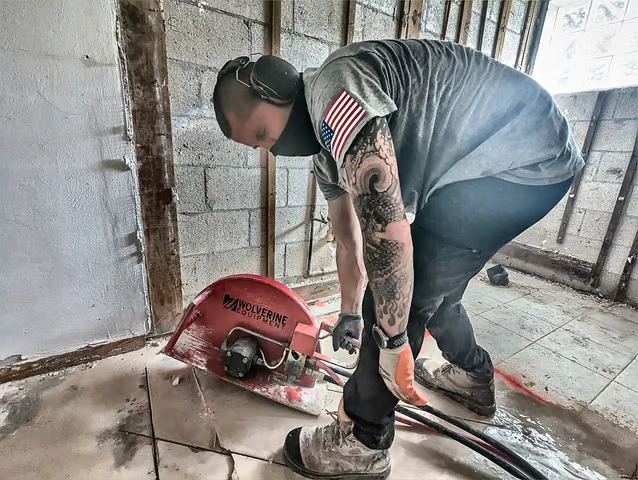
Timeline Estimations Based on Crew Size and Slab Specifications
Time is money in demolition work, and manual concrete breaking is one of the most labor-intensive operations in the trade. Here’s a realistic production rate breakdown for experienced crews working in South Florida conditions:
- 1-person crew, 4-inch unreinforced slab: 80–120 sq ft per 8-hour day
- 2-person crew, 4-inch mesh-reinforced slab: 150–200 sq ft per day (one breaks, one hauls)
- 3-person crew, 6-inch rebar slab: 180–250 sq ft per day with angle grinder for rebar cuts
- 4-person crew with electric demolition hammer assist: 300–400 sq ft per day
Miami’s heat and humidity are critical timeline variables that mainland contractors often underestimate. Working in 90°F+ conditions with 80% humidity cuts effective labor productivity by 20–30% compared to temperate climates. Factor mandatory hydration breaks, shade rotation schedules, and early morning start times into any project schedule. A job that might take two days in October can easily stretch to three days in July. Post-storm demolition projects introduce additional complexity — wet concrete is heavier and more slippery, and debris fields can be unpredictable. Review the storm cleanup planning resources if your project involves hurricane or flood damage.
Key Bidding Factors That Separate Accurate Estimates from Costly Guesses
When professional concrete contractors bid a manual breaking job, they’re running through a mental checklist that covers far more than just square footage. Here are the primary bidding factors that directly influence the final number:
Site Access and Staging Area
Can a dump truck park within 50 feet of the work zone? Is there a clear path to wheelbarrow debris to the truck? Tight residential lots in Coral Gables or Coconut Grove often require hand-carrying rubble through gates and around landscaping — this can double the labor estimate for debris removal alone. Contractors add $0.50–$1.50/sq ft for restricted-access sites.
Slab Thickness Verification
Never bid off visual inspection alone. Core a test hole at multiple points to verify actual thickness. In Miami, it’s common to find slabs that were poured thicker than permitted drawings indicate, especially in older properties where multiple pour layers were added over time. A slab you bid as 4 inches that turns out to be 6 inches will blow your labor budget by 40–60%.
Disposal Weight Estimation
Concrete weighs approximately 150 pounds per cubic foot. A 4-inch slab generates roughly 50 lbs of debris per square foot. A 400-square-foot driveway produces approximately 10 tons of material. Get landfill tipping fees confirmed before finalizing your bid — Miami-Dade disposal rates fluctuate, and underestimating disposal cost is one of the most common margin killers in demolition contracting. Proper concrete demolition logistics planning should always include confirmed disposal pricing.
Presence of Hazardous Materials
Older slabs may contain asbestos-modified compounds in the base layer or in adhesive materials beneath tile finishes. Any slab poured before 1980 should be tested before manual breaking begins. Asbestos abatement requirements will dramatically change your project scope, timeline, and cost — this is non-negotiable from both a legal and safety standpoint.
Tools Required for Manual Concrete Breaking and Their Associated Costs
Going in with the right tools is the difference between a productive day and an exhausting failure. Here’s the core tool list for manual concrete demolition:
- 12–16 lb demolition sledgehammer: $60–$120 purchase, $15–$25/day rental
- Cold chisel set (1″ to 2″): $30–$80
- Pry bar (48″ minimum): $40–$90
- Electric demolition hammer (SDS Max, 10–15 amp): $300–$700 purchase, $60–$100/day rental
- Angle grinder with diamond cutting wheel (for rebar): $80–$200 purchase
- Heavy-duty wheelbarrow (6 cu ft minimum): $150–$300
- PPE — safety glasses, steel-toed boots, cut-resistant gloves, hearing protection: $80–$150
For a single DIY project, renting an electric demolition hammer is almost always worth the cost. Manual sledgehammer work on anything more than 50 square feet of 4-inch slab is physically brutal — most untrained individuals are exhausted within two hours. The electric hammer reduces physical output by 60–70% and increases production speed significantly.
When Manual Breaking Makes Financial Sense Versus Mechanical Demolition
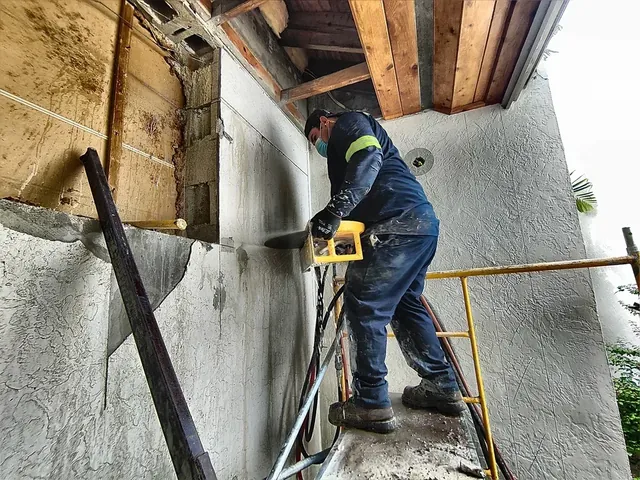
Manual concrete breaking is cost-effective in specific, bounded scenarios. It’s the right call when the work area is too confined for a skid steer or mini excavator, when the slab is small (under 200 square feet), when access restrictions prevent heavy equipment delivery, or when the surrounding structure requires precise, controlled removal to avoid vibration damage. For anything over 500 square feet with rebar reinforcement, mechanical demolition with a hydraulic breaker attachment almost always delivers a lower cost-per-square-foot outcome, even after factoring in equipment mobilization fees. Understanding this threshold is critical for both contractors bidding work and property owners evaluating proposals. A bid that prices a 1,000-square-foot driveway at manual labor rates when mechanical methods are available is either uninformed or padded — and experienced clients will recognize the difference.
Manual methods also remain relevant in post-storm scenarios where debris fields obstruct equipment access, or where partial demolition is needed to assess structural damage before full removal begins. The key is matching the method to the site conditions, not defaulting to one approach for every job. Whether you’re planning a small patio removal or scoping a larger residential demolition, getting an accurate, site-specific assessment from a licensed Miami concrete contractor will always produce a more reliable budget than any online calculator.