Technical Specifications for Core Drilling Reinforced Concrete
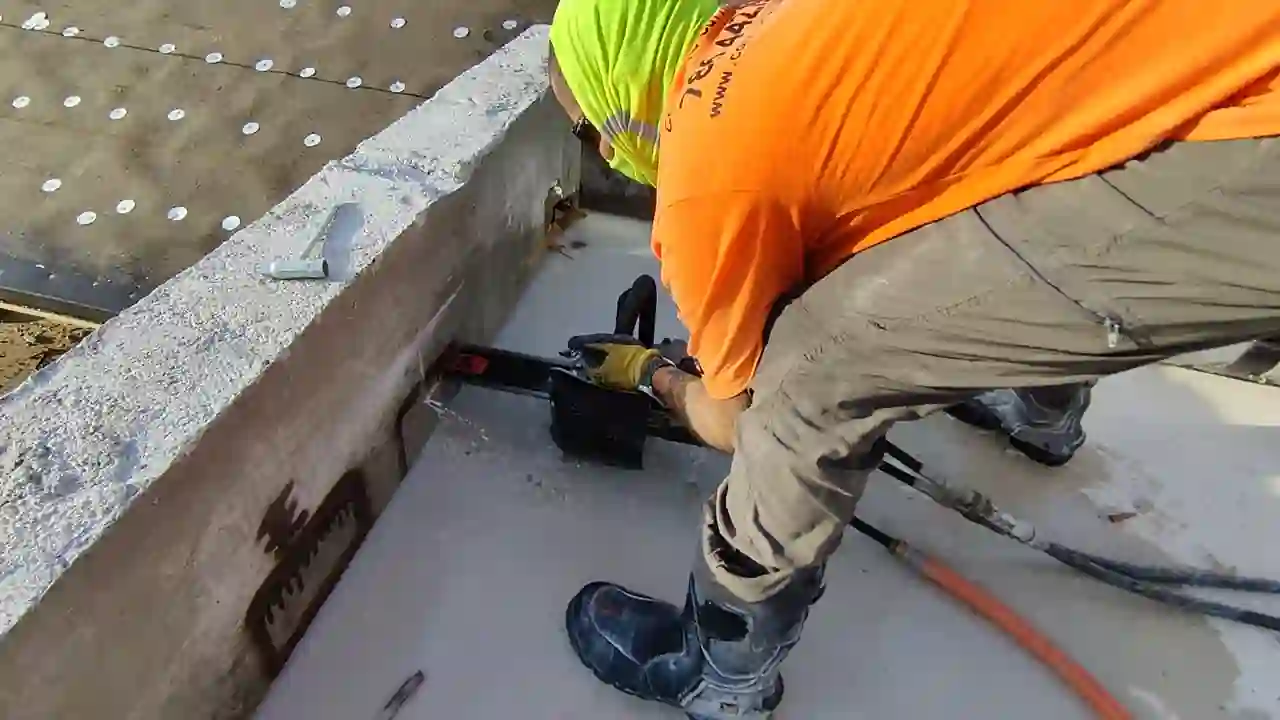
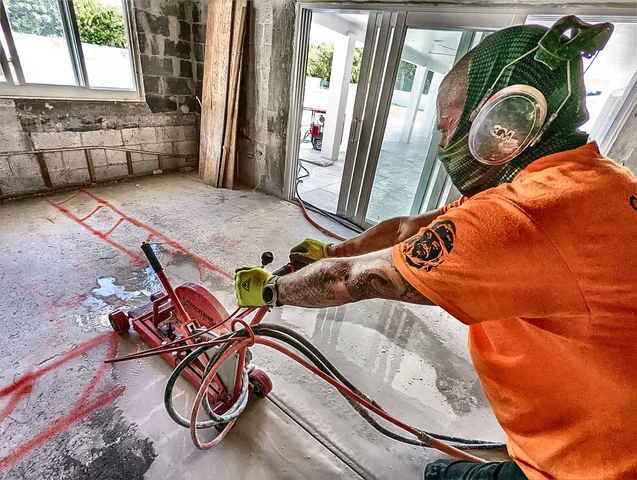
When we talk about otwornica do betonu zbrojonego – core drilling through reinforced concrete – Miami’s high-rise and coastal infrastructure demands specialized approaches. Reinforced concrete isn’t just aggregate and cement; it’s a composite armor of rebar grids that laughs at standard tools. The moment your diamond core bit hits steel reinforcement at 3,000 PSI, project economics shift dramatically. Standard penetration rates of 1-2 inches per minute in non-reinforced concrete can plummet to 30 minutes per inch when encountering dense rebar cages, especially in seismic-grade foundations or nuclear facilities where steel content exceeds 5% by volume.
Rebar Density and Its Direct Impact on Drilling Economics
Miami’s building codes dictate rebar spacing as tight as 6 inches on center in flood zones, creating a steel mesh that turns core drilling into a tactical operation. We categorize reinforcement conflict levels: Light (RB-1) for single mats, Moderate (RB-2) for double layers, and Heavy (RB-3) for shear walls with #11 rebars. Each tier increases diamond bit wear exponentially. Where a standard 6-inch diamond core drill costs $120/hour in mild concrete, RB-3 scenarios require $450/hour segmented rebar cutters and tensioned diamond wire systems. The hidden budget killer? Bit replacement frequency jumps from 200 linear feet in non-reinforced to just 15 feet in RB-3 conditions.

Precision Cost Modeling for Core Drilling Operations
Bidding core drilling in Miami’s reinforced structures requires granular cost mapping. Here’s our field-validated pricing matrix per 12-inch diameter hole:
- Material Costs: Diamond core bits ($280-$950 depending on bond hardness), rebar cutter heads ($1,200+), slurry containment systems ($85/day)
- Labor Intensity: 2-person crew minimum ($98/hour union rate), RB-3 demands 3 operators ($147/hour)
- Equipment Tiering: Standard rig rental ($230/day) vs. hydraulic diamond wire saws ($1,100/day)
- Hidden Variables: Dust control compliance (OSHA Table 1 protocols add 18-25% to base costs), vibration monitoring for historic structures ($75/hour)
Actual project data from Brickell high-rises shows average costs ranging from $180/hole in RB-1 conditions to $2,400/hole for 36-inch penetrations through post-tensioned transfer slabs. Always budget 15% contingency for undocumented rebar – we find clashes in 70% of pre-1990 structures.
Timeline Forecasting in Rebar-Dense Environments
Schedule impacts separate profitable bids from disaster projects. Core drilling through moderately reinforced concrete follows this sequence:
- Setup/Anchor Bolting: 45-90 minutes (critical on suspended slabs)
- Initial Penetration (Concrete Phase): 20 min/ft for 12-inch diameter
- Rebar Interdiction: 45-120 min per reinforcement layer
- Withdrawal/Cleanup: 30 minutes (add 15 min/ft for overhead drilling)
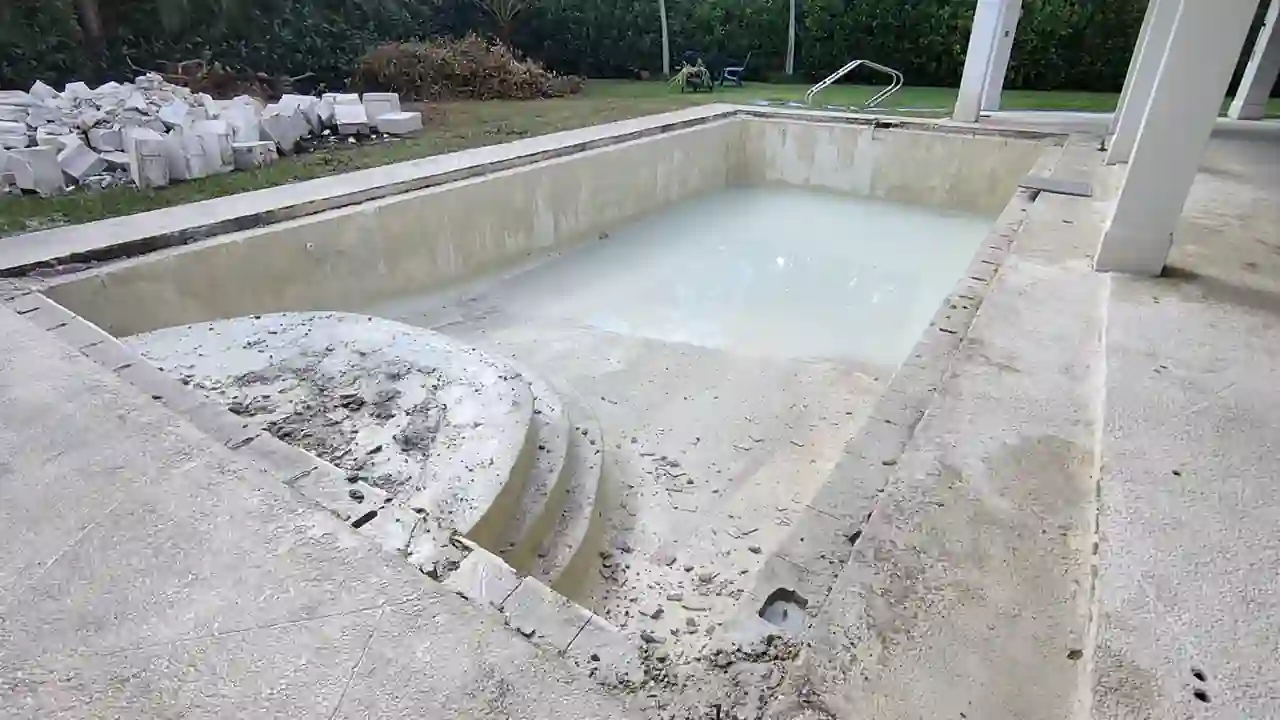
In the Miami pool retrofits we’ve handled, gunite with double #5 rebar mats turned a simple 4-hole return line project from 6 hours to 14 hours due to bit changes and slurry management. For high-risk zones, always include ground-penetrating radar scanning at $250/hour – it saves 3x that in avoided rework.
Bidding Factors Specific to Reinforced Concrete Penetration
Winning bids on diamond cutting projects requires quantifying the unquantifiable. These variables make or break Miami projects:
- Structural Compensation: Drilling within 6 inches of slab edges requires crack monitoring systems (+$1,200)
- Access Penalties: Confined space drilling (manholes, elevator shafts) adds 35-60% time premium
- Material Unknowns: High-silica aggregates accelerate bit wear – test data adds bidding certainty
- Regulatory Overhead: Miami-Dade County requires licensed concrete cutting specialists for structural work – unlicensed bids get rejected regardless of price
We recently audited a Coral Gables condo project where improper bidding on 18-inch core holes through seismic columns led to $28,000 in change orders – precisely because the GC ignored rebar density reports.
Diamond Cutting Technologies for High-Rebar Scenarios
When standard core drilling hits its limits, these diamond cutting technologies salvage timelines:
- Segmented Hybrid Bits: Tungsten carbide teeth fracture rebar while diamond segments grind concrete (up to #8 rebar)
- Diamond Wire Coring: For penetrations exceeding 24 inches, wire systems cut rebar and concrete simultaneously at 12-18 in²/hour
- Electro-hydraulic Drills: 15HP units maintain 600 lbs of downforce through dense reinforcement without deflection
On the MacArthur Causeway bridge project, switching to diamond wire cutting reduced 42-inch pile cap penetrations from 32 hours to 11 hours per hole despite #18 rebar grids.
Silica Dust Management as Cost Variable
Silica compliance isn’t optional – it’s a calculable bid factor. OSHA’s Table 1 mandates engineering controls for core drilling reinforced concrete:
- Vacuum-Integrated Drilling: Adds $85/hour but eliminates respiratory zone monitoring costs
- Wet Drilling Surcharges: Water containment systems add 12-15% to base price but prevent $14,000 OSHA fines
- Documentation Overhead: Exposure monitoring plans require $250/day certified industrial hygienists
We’ve seen contractors lose entire profit margins on $20,000 jobs from single silica violations. Factor compliance into every bid.
Optimizing Core Drilling Operations for Miami Projects
Through concrete sawing operations across South Florida, we’ve refined these profit-protecting protocols:
- Pre-Drilling GPR Scanning: Identifies rebar conflicts at $0.35/sq ft – pays for itself by preventing $950 bit replacements
- Modular Water Management: Closed-loop systems with silt filters reduce cleanup time by 40% on occupied sites
- Predictive Bit Monitoring: Digital torque sensors alert operators to rebar hits before catastrophic damage
At the Adrienne Arsht Center renovation, these methods slashed core drilling costs by 22% despite encountering post-tension cables in 30% of planned penetrations.
Customer-Centric Billing Models for Reinforced Concrete
Client satisfaction hinges on transparent pricing structures. We recommend:
- Tiered Pricing: Base rate for concrete only + rebar surcharge per encountered layer
- Depth Escalators: $18/foot for 0-12″, $26/foot for 12-24″ (reflects increased difficulty)
- Rebar Allowances: Specify maximum steel content before change orders apply (e.g., 3% by volume)
A Pinecrest hospital project used this model to avoid $65,000 in disputes when cores encountered undocumented #11 rebars. Clarity prevents conflict.
Why Reinforced Concrete Core Drilling Demands Specialization
In Miami’s construction landscape, generic cutting contractors fail when rebar appears. Structural integrity demands operators who understand rebar splicing patterns, concrete breakout angles, and diamond matrix formulations. The $2,500 difference between low and responsible bids isn’t overcharging – it’s the cost of preventing $250,000 in structural repairs. When bidding your next project, remember: Reinforced concrete forgives no shortcuts.