Why Concrete Removal Bids in North Miami Vary So Dramatically
If you’ve called three contractors for a concrete removal quote in North Miami and received three completely different numbers, you’re not being played — you’re experiencing the reality of a highly variable trade. Concrete removal pricing isn’t pulled from a catalog. It’s calculated on-site, influenced by material composition, access constraints, disposal logistics, and the specific equipment required to do the job safely and efficiently. A 500-square-foot driveway removal in North Miami Shores is a fundamentally different job than a 500-square-foot slab removal inside a commercial kitchen in North Miami Beach, even though the square footage is identical. Understanding why bids differ — and what factors legitimately drive cost — puts you in a far stronger position as a property owner or project manager.
The Core Cost Drivers for North Miami Concrete Removal Projects
Before any number lands on a proposal, a competent contractor is mentally running through a checklist of site-specific variables. Each one either adds time, adds equipment, adds labor, or adds disposal cost — and often all four simultaneously. Here’s how senior estimators break it down in the North Miami market.
Slab Thickness and Reinforcement Type
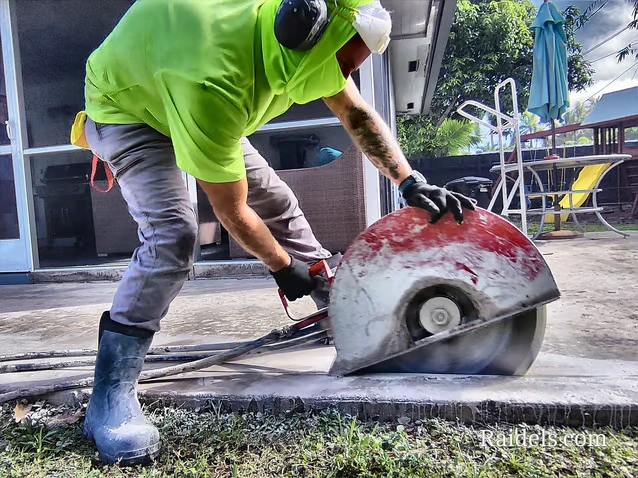
Standard residential slabs in North Miami typically run 4 inches thick with minimal reinforcement — light wire mesh or no rebar at all. These break cleanly with a hydraulic breaker or even a rotary hammer on smaller sections, and they haul out efficiently. The moment you move into 6-inch commercial slabs, post-tensioned decks, or heavily rebar-reinforced industrial pours, the math changes substantially. Rebar-laden concrete requires cutting before breaking, which introduces diamond blade equipment, extended labor hours, and the very real question of whether your blade will survive contact with embedded steel. For a deeper look at how diamond tooling handles rebar in field conditions, this breakdown of rebar cutting on tight Miami job sites is worth reading before you finalize your scope of work.
Site Access and Equipment Staging
North Miami’s residential neighborhoods — particularly areas around NE 125th Street, Biscayne Boulevard corridors, and older subdivisions west of I-95 — often present serious access limitations. Narrow gates, overhead utility lines, mature trees, and adjacent structures can prevent the use of full-size excavators or skid-steer loaders. When large machinery can’t reach the work zone, the job shifts to manual breaking, pneumatic tools, and hand-carry debris removal. That labor intensity adds cost fast. Expect a 20–40% premium on jobs where mechanized access is blocked.
Disposal Fees and Haul Distance
Concrete debris is heavy, regulated, and not free to dump. In the North Miami area, disposal typically routes to facilities in Medley, Opa-locka, or further south toward Homestead depending on load type and recycling classification. A standard 10-yard dumpster of broken concrete weighs approximately 12–14 tons — well beyond typical roll-off weight limits. Most contractors either use specialized heavy-haul equipment or make multiple trips. Either way, disposal is a real line item, not a rounding error. Budget $400–$800 in disposal costs alone for a mid-size residential slab removal, and that number scales linearly with project volume.
Timeline Estimations by Project Type in the North Miami Area
One of the most common questions property owners ask is how long concrete removal will take. The honest answer is that timeline depends almost entirely on scope, access, and crew size. Below are realistic production rates based on actual field performance in South Florida conditions.
Residential Driveway Removal — 400 to 800 Square Feet
A standard two-car driveway with open access and 4-inch unreinforced concrete can typically be broken, loaded, and hauled in a single day with a two-person crew and a compact excavator. If the driveway is behind a narrow gate or requires hand-breaking, add 4–6 hours. Total project timeline: 1–2 days from mobilization to site clean. Cost range in the North Miami market currently runs $1,200–$2,800 depending on access and disposal volume.
Interior Slab Saw-Cutting and Selective Removal
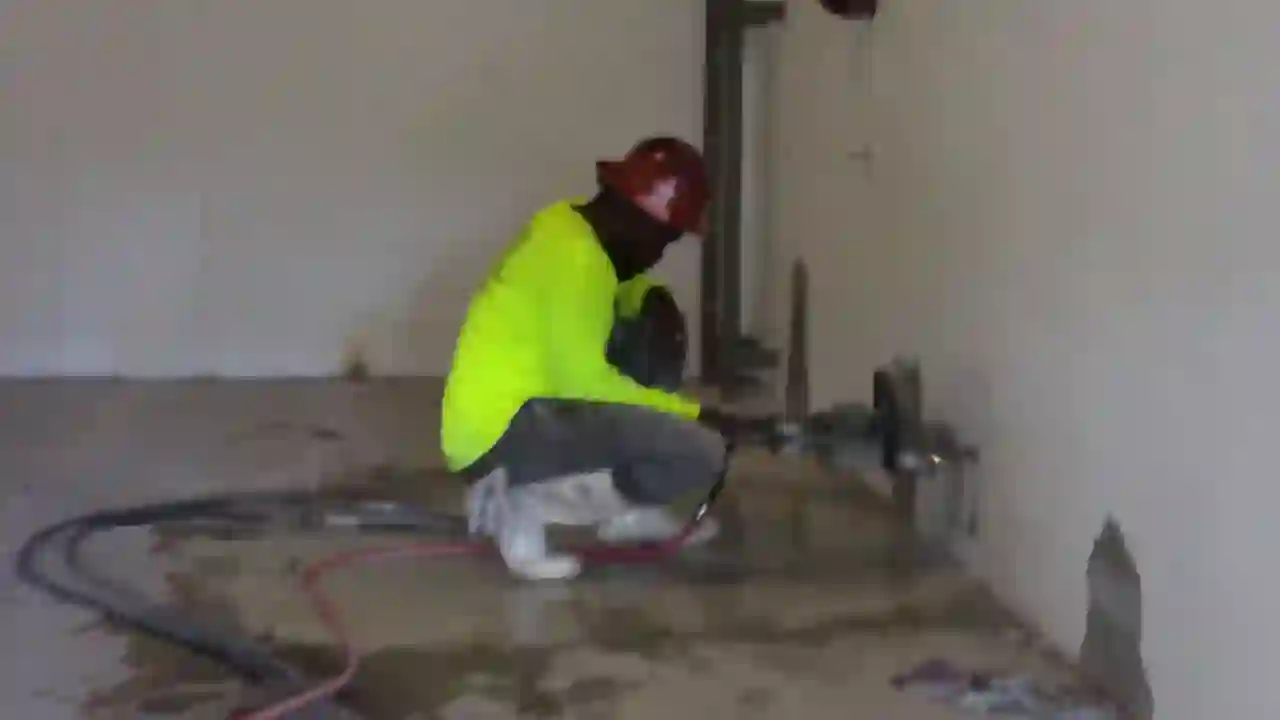
Selective concrete removal — cutting out a specific section for plumbing access, electrical conduit installation, or structural modification — is a precision operation. A flat saw or wall saw is used to score the perimeter, the interior is broken and removed, and the surrounding slab is left intact and undamaged. For a typical 10-to-20-square-foot interior cut-and-remove in a North Miami commercial or residential property, expect a 3–6 hour operation with a two-person crew. Cost range: $600–$1,400 depending on slab thickness and interior access. This is a job that demands traditional concrete cutting methods executed by experienced operators — not improvised demolition.
Full Foundation or Stem Wall Removal
This is where timelines extend significantly. Removing a full foundation or continuous footing system requires systematic breaking, careful debris management to avoid undermining adjacent soil or structures, and often coordination with structural engineers or building inspectors. In North Miami, where older CBS (concrete block structure) homes are common, foundation removal tied to a full teardown can take 3–5 days for a standard single-family home footprint. Costs for this scope range from $8,000–$22,000, depending on footing depth, reinforcement density, and whether underground utilities require rerouting before demolition begins.
How Contractors Build a Concrete Removal Bid in North Miami
A legitimate bid isn’t a guess — it’s a structured estimate built from measurable inputs. Here’s the framework a senior estimator uses when pricing a North Miami concrete removal project.
- Quantity takeoff: Square footage, thickness, and linear footage of any saw-cut perimeter lines are measured and documented before any pricing begins.
- Material classification: Is the concrete plain, wire-mesh reinforced, rebar-reinforced, or post-tensioned? Each classification changes the breaking method and blade consumption rate.
- Equipment selection: Will the job require a full-size excavator, compact track loader, pneumatic breaker, flat saw, or wall saw? Equipment mobilization and rental costs are line items, not overhead.
- Labor hours: Broken down by phase — saw cutting, breaking, loading, and site cleanup. North Miami labor rates for skilled concrete demolition crews currently run $65–$95 per hour per operator.
- Disposal: Calculated by estimated tonnage, not volume. Concrete averages 150 pounds per cubic foot, so a 4-inch slab generates roughly 50 pounds per square foot of debris.
- Permit requirements: In the City of North Miami and North Miami Beach, demolition permits are required for structural removals. Permit fees and processing time are factored into project timelines.
Property owners who want to understand whether a quote is competitive should ask for a line-item breakdown of each of these components. Any contractor unwilling to provide that level of transparency is a risk you don’t need to take.
Red Flags in a Concrete Removal Quote
The North Miami market has its share of operators who underbid to win work and then either cut corners on disposal — illegally dumping concrete — or abandon projects when costs exceed their estimate. Watch for these warning signs in any proposal you receive.
- A lump-sum price with no breakdown of labor, equipment, or disposal
- No mention of permit requirements for structural demolition
- A timeline that seems impossibly short for the stated scope
- No insurance certificate provided upon request
- Payment terms requiring more than 30–40% upfront before work begins
Concrete removal is not an area where the lowest bid typically delivers the best outcome. The variables are too complex and the consequences of improper demolition — cracked adjacent slabs, damaged underground utilities, illegal disposal liability — are too significant. For property owners considering whether any portion of this work is self-manageable, DIY concrete cutting resources can help you understand where the amateur-professional line actually sits.
Identifying Opportunity in Phased Concrete Removal Projects
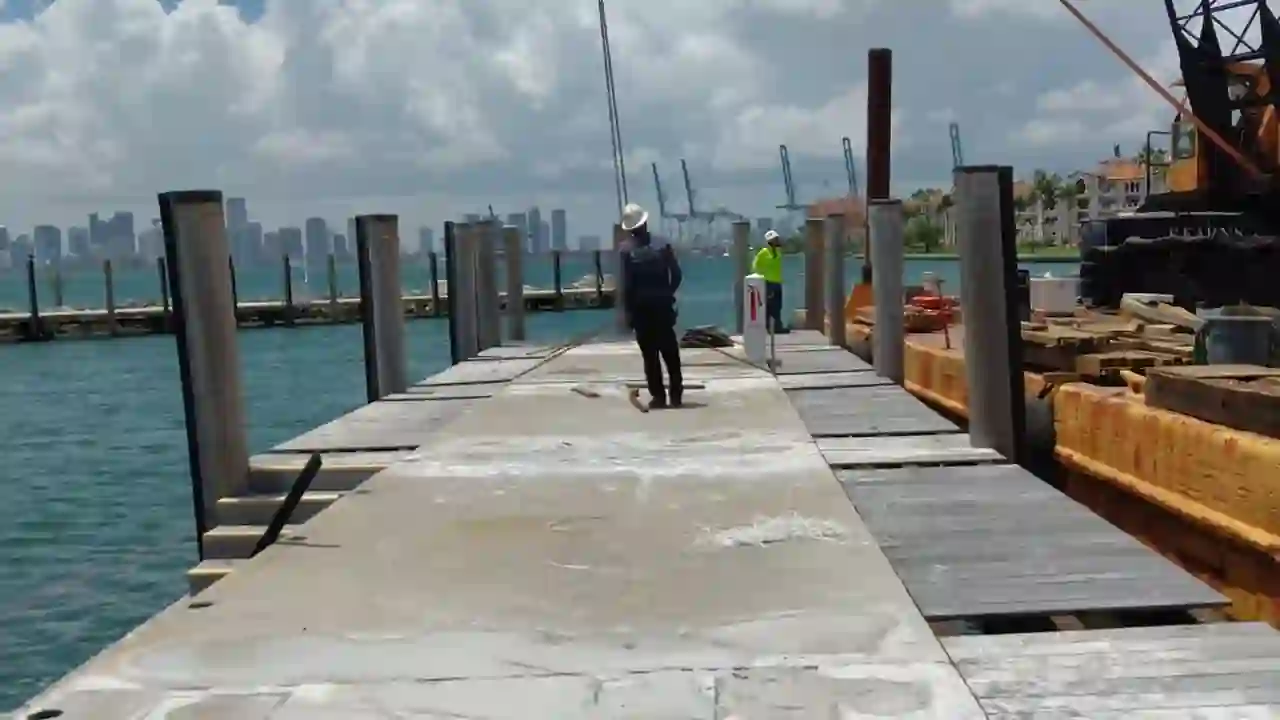
Not every concrete removal project needs to happen all at once. For property owners managing renovation budgets, phased removal — breaking the work into sequential scopes — can spread cost across project milestones while keeping each phase manageable. A North Miami commercial property undergoing tenant improvement, for example, might phase interior slab removal by zone rather than pulling the entire floor at once. This approach also allows for better coordination with MEP (mechanical, electrical, plumbing) trades who are working in adjacent areas. Contractors who understand phased project management are a genuine opportunity for cost-conscious project owners to maximize budget efficiency without sacrificing quality or timeline integrity.
Getting an Accurate Estimate Starts with Accurate Information
The single most effective thing a property owner or project manager can do before soliciting bids is to compile a clear scope document. Include the square footage, any known slab thickness (check original construction drawings if available), photographs of the work area, and any known constraints like underground utilities, adjacent structures, or access limitations. The more information you bring to the table, the more accurate — and comparable — the bids you receive will be. In North Miami’s active construction market, contractors who receive well-documented scopes can price more competitively because they’re not building in contingency for unknowns. That discipline on your end translates directly to better numbers on the proposal.