Why Filling In a Swimming Pool Is a Regulated Demolition Job, Not a Landscaping Project
Most homeowners assume filling in a swimming pool means punching a few holes in the shell and pushing dirt on top. That assumption costs people thousands of dollars in failed permits, environmental violations, and structural settling problems that show up five years later. As a senior concrete consultant who has overseen pool demolition and fill-in work across Miami-Dade and Broward counties, I can tell you plainly — this is a demolition job governed by environmental codes, stormwater ordinances, and material disposal regulations. If your contractor doesn’t talk about slurry containment, water drawdown protocols, or compaction testing before they give you a price, walk away.
The Two Methods for Pool Fill-In and What Each Demands Structurally
There are two accepted approaches to filling in a swimming pool — partial removal (also called abandonment fill) and full demolition removal. Both have legitimate uses, but both carry completely different environmental and structural obligations.
Partial Removal With Rubblized Shell
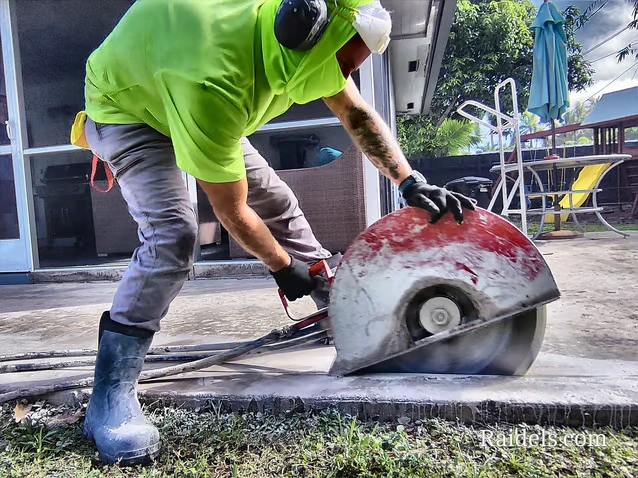
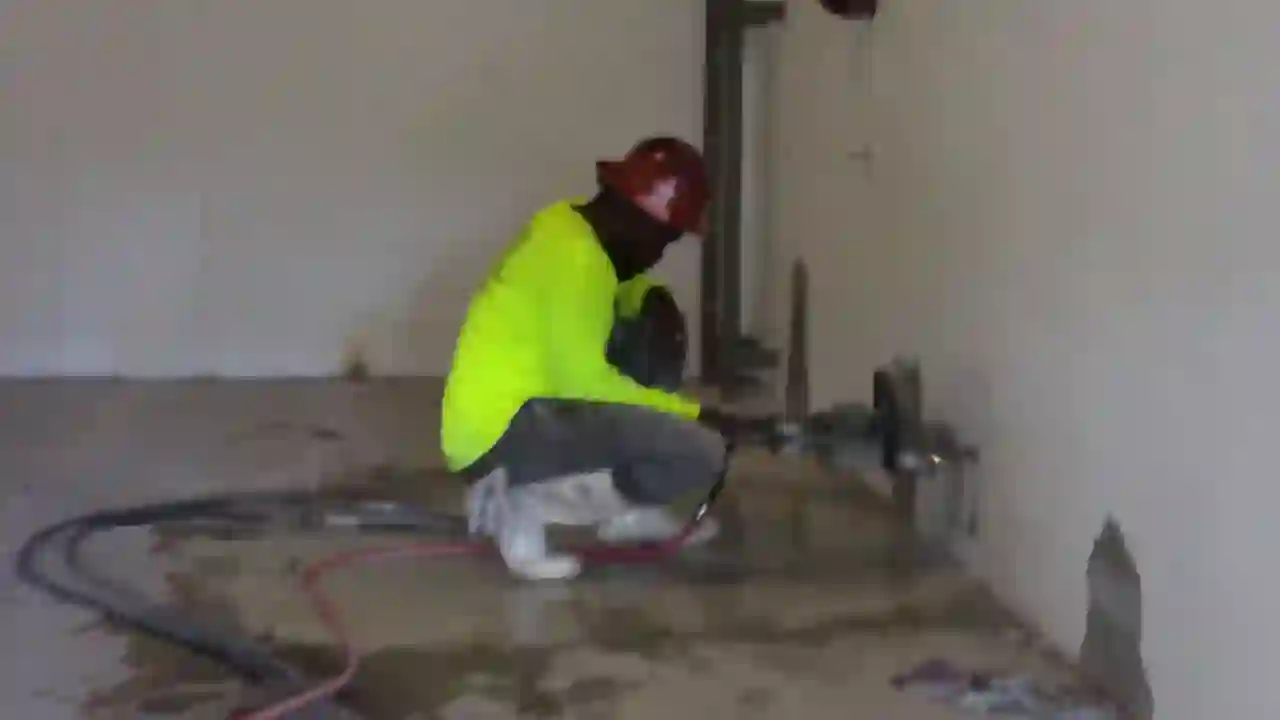
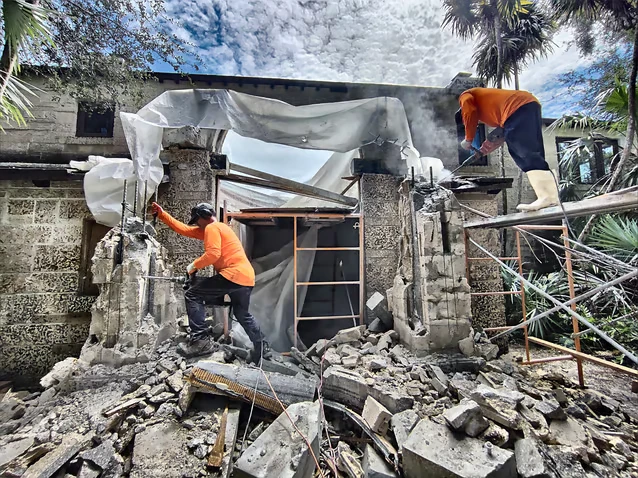
In a partial removal, the top 12 to 18 inches of the pool shell are demolished using hydraulic breakers, rotary hammers, or concrete drilling and sawing equipment to fracture the structure into rubble. Drain holes — typically 4 to 6 inches in diameter — are core-drilled through the floor at regular intervals, usually every 8 to 10 square feet. These holes serve a critical drainage function: they prevent hydrostatic pressure from building beneath the fill material after heavy rainfall events, which in Miami can dump 6 inches of rain in under two hours. The rubblized concrete remains in place as part of the fill matrix, layered with compacted clean fill soil to engineered specifications.
Full Shell Demolition and Removal
Full removal means the entire concrete shell — walls, floor slab, bond beam, and coping — is demolished and hauled off-site. This is the preferred method when a new structure will be built over the footprint, or when the pool’s location conflicts with future drainage infrastructure. Pipe cutting and capping of all plumbing penetrations is mandatory in this scenario, and every cut generates slurry that must be handled under Florida Department of Environmental Protection guidelines.
Slurry Generation During Core Drilling and Saw Cutting — The Compliance Problem Nobody Talks About
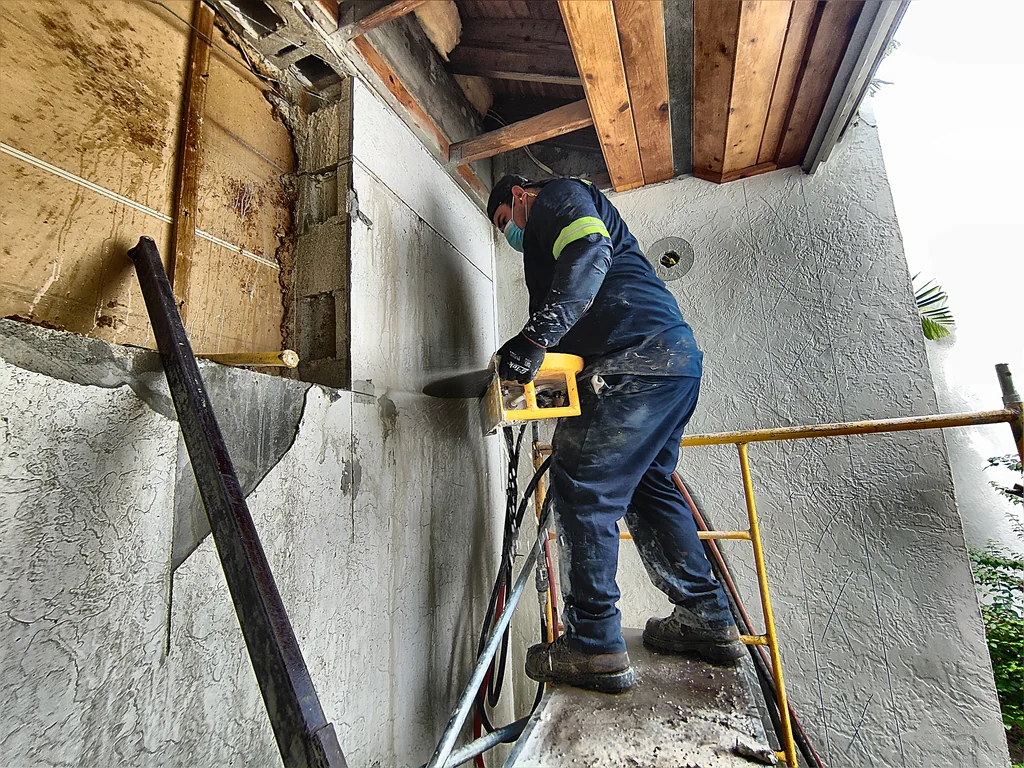
Every drain hole drilled through a pool floor, every saw cut made along a bond beam, and every wall section fractured by a hydraulic breaker generates a combination of concrete particulate, water, and chemical residue. In a pool environment, that slurry is contaminated with chlorine compounds, algaecides, pH-adjusting chemicals, and in older pools, potentially with lead-based paint or fiberglass resin. This is not water you can let run into a storm drain. Period.
Under Miami-Dade County stormwater ordinances and the federal Clean Water Act Section 402 NPDES permit requirements, concrete slurry is classified as a pollutant. Allowing it to enter any stormwater conveyance system — including street gutters, drainage swales, or French drains — constitutes a reportable violation. The fines start at $10,000 per incident and escalate with each day the violation continues. Understanding concrete dust and particulate management is essential to staying compliant on any pool demolition site.
On-Site Slurry Containment Protocols We Use in the Field
A compliant pool fill-in operation sets up a contained work zone before any cutting begins. Here is the specific protocol our crews follow on Miami job sites:
- Perimeter berming: Sandbag or foam berm systems are installed around all active cutting zones to prevent slurry migration beyond the work area.
- Vacuum extraction during drilling: Wet-vacuum systems attached directly to drill rigs capture slurry at the point of generation rather than allowing pooling on the deck surface.
- Slurry drying beds: Collected slurry is pumped into lined drying beds or containment bladders where it solidifies before being scooped and disposed of as solid waste at a licensed facility.
- pH testing before any water discharge: Any water that must be discharged on-site is tested to verify a neutral pH (6.5 to 8.5) before release. Pool water frequently tests at pH 7.8 to 8.2, but chemical additions during demolition can shift this dramatically.
- Turbidity barriers at property edges: On lots adjacent to canals or drainage easements — extremely common in Miami — turbidity curtains are deployed at the property line as a secondary containment measure.
Water Drawdown Before Demolition Begins — Sequencing Matters Enormously
Before any mechanical work starts on a pool fill-in, the water must be properly drained. This sounds obvious, but the method of drawdown has direct environmental and legal implications. You cannot simply pump 20,000 gallons of chlorinated pool water onto the street or into a drainage swale. In Miami-Dade, pool water discharge must go to the sanitary sewer system through a cleanout, or be held for dechlorination treatment before any surface release.
Dechlorination is achieved by introducing sodium thiosulfate or sodium bisulfite into the water until chlorine residual drops below 0.1 mg/L — the threshold required by most municipal discharge permits. The pool must be tested with a calibrated colorimetric kit or digital meter before pumping begins. Skipping this step is one of the most common compliance failures we see on pool demolition jobs bid by general contractors who don’t specialize in demolition work.
Hydrostatic Pressure Management During and After Fill Placement
Miami sits on a porous limestone substrate with a water table that can rise to within 18 inches of grade during the wet season. After the pool shell is demolished and drain holes are cut, fill material placement must be sequenced carefully to avoid trapping water beneath compacted layers. We use a lift-and-test method — placing fill in 8-inch lifts and compacting each lift to 95% standard Proctor density before placing the next layer. A geotechnical inspector verifies compaction with a nuclear density gauge at each lift. This is not optional on permitted jobs in Miami-Dade — it’s required documentation for the final inspection.
Ignoring compaction sequencing is how you end up with a backyard that sinks 6 inches in the first rainy season, or worse, a slab foundation that cracks because the soil beneath it was never properly consolidated. Review safe demolition practices before any pool fill-in project begins to understand the full scope of what a compliant job requires.
Permit Requirements Specific to Miami-Dade Pool Abandonment
Pool fill-in jobs in Miami-Dade County require a demolition permit from the Building Department, and in unincorporated areas, an additional review by the Department of Environmental Resources Management (DERM) if the property is within 100 feet of a wetland, canal, or tidal water body. The permit application must include a site plan showing the pool footprint, drainage hole locations, fill material specifications, and a compaction testing plan. Turnaround time on these permits currently runs 3 to 6 weeks depending on the municipality.
Some cities within Miami-Dade — Coral Gables and Miami Beach among them — have additional local requirements for soil certification and post-fill grading plans. Any contractor who tells you permits aren’t required for a pool fill-in is either uninformed or deliberately cutting corners that will become your liability at the time of property sale or future development.
What a Compliant Pool Fill-In Bid Should Actually Include
When you receive a proposal for pool fill-in work, these line items should be explicitly stated — not bundled into a vague lump sum:
- Pool water dechlorination and discharge to sanitary sewer
- Slurry containment system setup and breakdown
- Core drilling of hydrostatic relief holes with vacuum extraction
- Shell demolition method specified (partial rubblization or full removal)
- Fill material specification (clean fill, engineered fill, or crushed concrete)
- Compaction testing by a licensed geotechnical firm
- Permit fees and inspection coordination
- Final grading and sod or seed restoration
If any of these items are missing from a bid, you are not comparing apples to apples. A low-ball number that omits environmental compliance is a liability transfer — the contractor takes the money, and you keep the violation. Pool fill-in done correctly, with full environmental compliance and engineered compaction, protects your property value, satisfies your insurance carrier, and keeps you on the right side of Miami-Dade’s increasingly aggressive stormwater enforcement program. There is no shortcut worth taking on a job like this.